Meaning
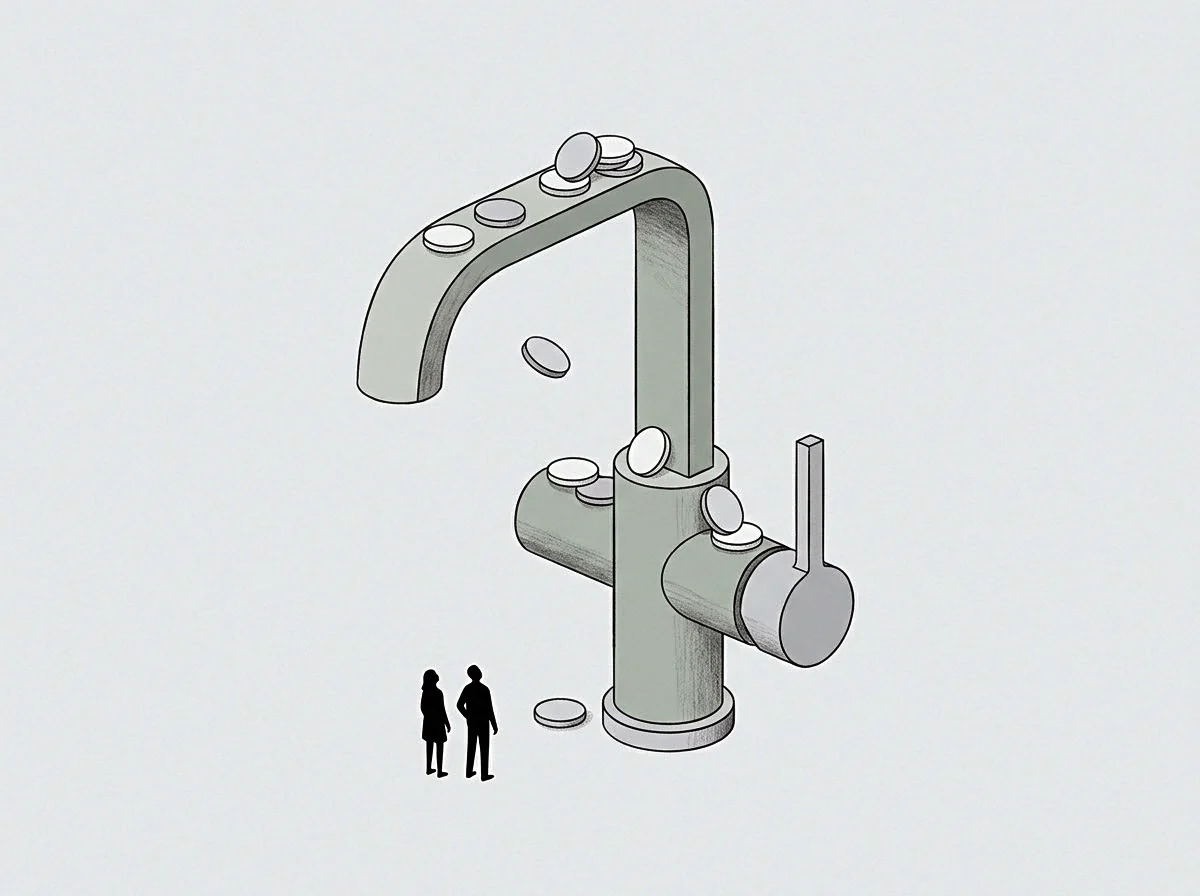
The maximum volume of work or number of subordinates that a single manager can effectively direct defines the limits of administrative control. When an organization grows, its supervisory capacity determines how many new teams can be added before the quality of direction declines. This limit is set by the hours available for review and the complexity of the tasks being performed.
The boundary of this capacity is reached when the manager becomes a bottleneck for decisions. It varies based on the skill levels of both the leader and the team.
Attention Constraint
Limited hours and mental energy restrict the depth of attention a leader can give to each task. When this limit is exceeded, critical details are missed and mistakes go unnoticed. This constraint forces a compromise between the scale of operations and the precision of control.
It represents the primary human limit to organizational growth.
Quality Variance
Overstretched leadership leads directly to inconsistency in team output and a rise in errors. Without proper guidance, individual work styles diverge and standard procedures are ignored. This variation hurts the reliability of the department’s deliverable.
It can damage relationships with internal and external clients.
Operational Allocation
To maintain high standards, organizations must distribute the oversight burden across a broader leadership structure. This decentralization reduces the direct pressure on individual managers. It allows each leader to focus on a smaller, more manageable set of responsibilities.
The rebalancing restores the quality of direction across the whole system.