Meaning
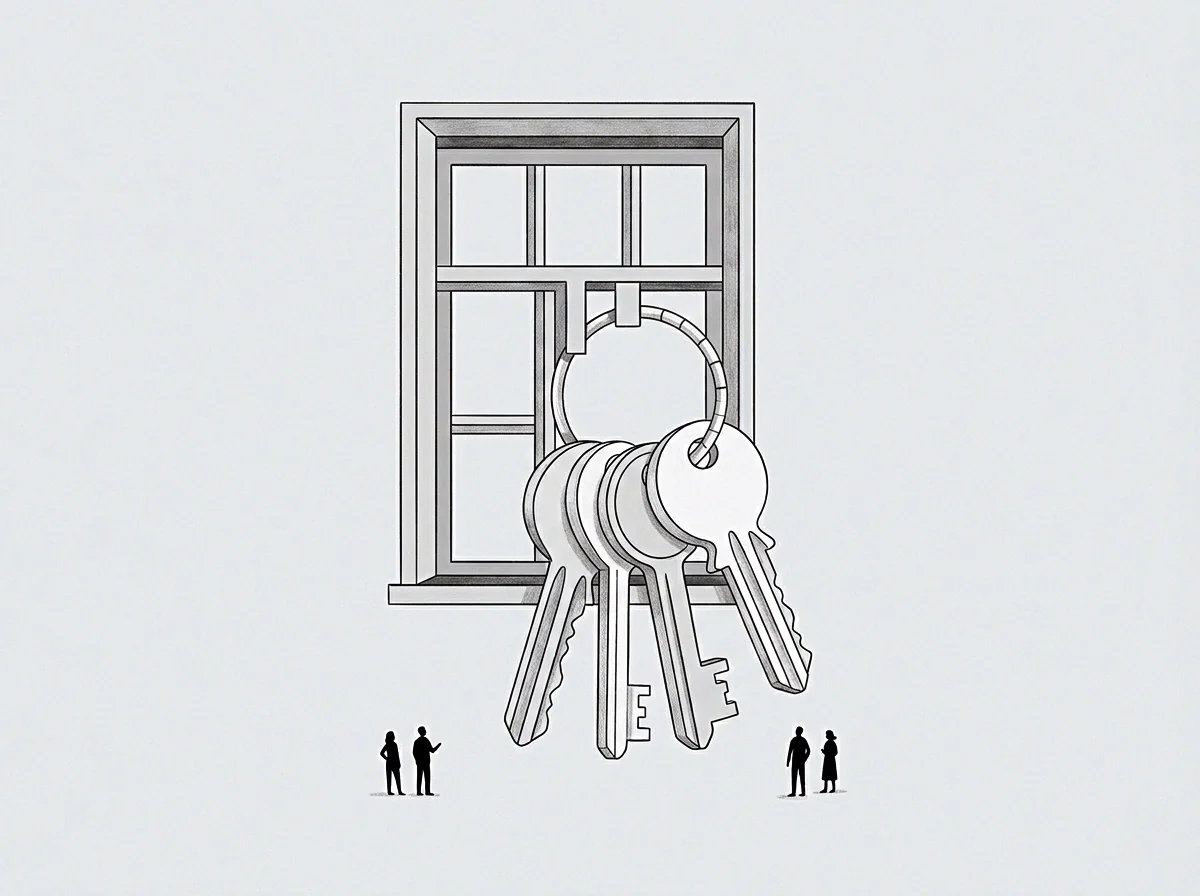
Visual distortion in the interface of a project indicates that internal stresses have exceeded the capacity of the team. Surface deformation might look like a sudden drop in customer satisfaction or a change in the frequency of errors. It shows the strain put on the core resources of the company.
Stress Indicator
Identifying these shifts requires a person to look at the points of contact between the business and the user. When surface deformation occurs, it suggests that the team can no longer maintain the desired quality. This is a cardinal measure of overextension.
Interface Friction
Every interaction carries a cost in terms of time and effort. If surface deformation is present, the cost of these interactions rises for both the company and the client. A founder monitors these touchpoints to find where the system is buckling.
Internal Strain
Sources of the problem are usually found deep within the organizational structure. Surface deformation is merely the visible result of a mismatch between goals and capacity. By tracing the distortion back to its root, a person can fix the bottleneck before it breaks the whole system.
This process involves looking at resource allocation and the health of the internal workflows. A smooth surface indicates a system operating within its design parameters, while a warped one signals a need for intervention. It is a visual signal of strain.