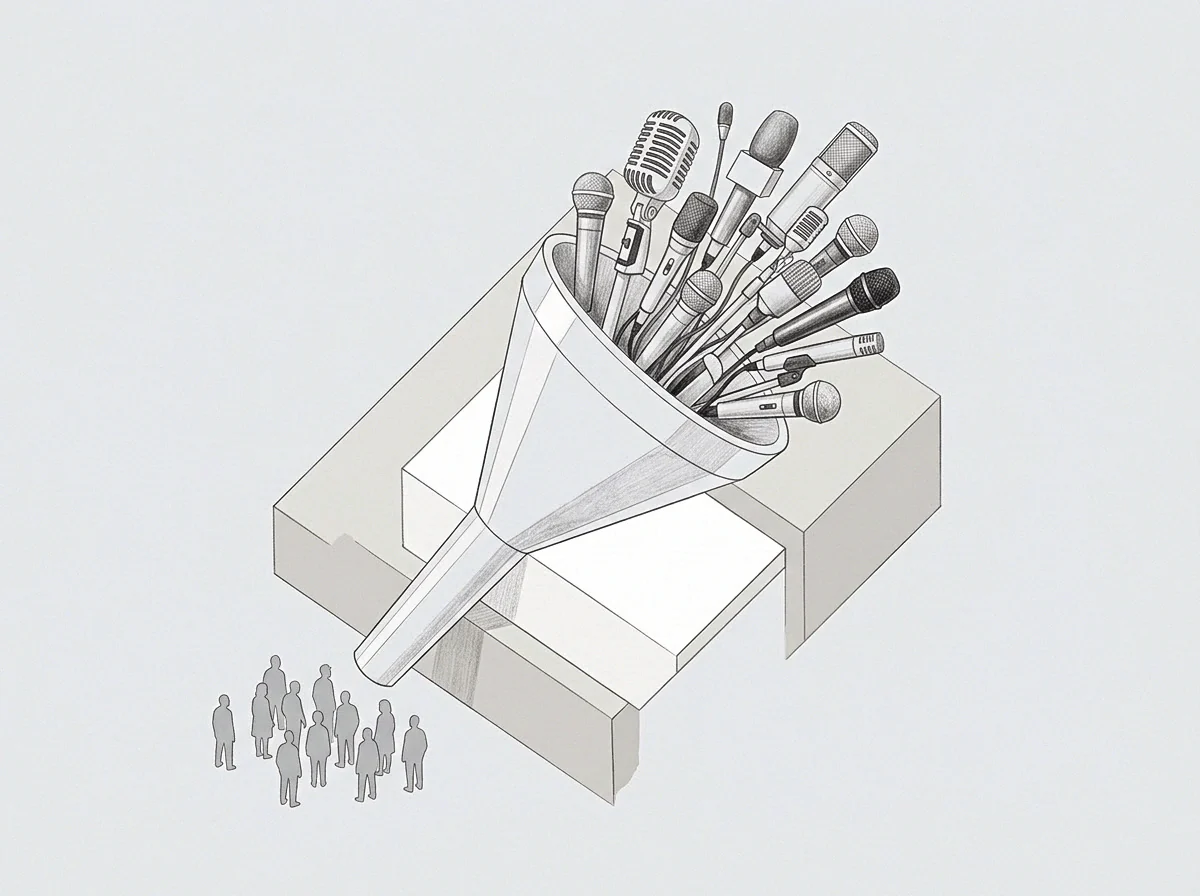
Meaning
Immediate disruption of a person’s current task or thought process by an unplanned, real-time demand for attention. Synchronous interruption occurs through phone calls and instant messaging pings that require an instant response regardless of the recipient’s prior focus. This event forces a context switch that carries a high cognitive cost and degrades the quality of the work being performed.
The term does not apply to scheduled meetings or planned interactions where the time has already been allocated.
Focus Fragmentation
Repeated breaking of a deep work state makes it impossible to complete complex analytical tasks. Every synchronous interruption resets the mental clock required to reach a state of high productivity. A leader who is constantly reachable by everyone in the company will find their day consumed by small fires rather than large goals.
Intervention Strategy
Digital barriers and office hours provide a way to control the timing of these events. By moving most inquiries to an asynchronous format, a person can reclaim their schedule and ensure that interruptions only happen when they are truly necessary. This change shifts the power over the calendar back to the individual.
Efficiency Loss
Time lost to these events is much greater than the duration of the interruption itself. It takes several minutes to return to the original level of concentration after a distraction. Reducing the frequency of these unplanned events is a primary driver of improved personal and organizational performance.