Meaning
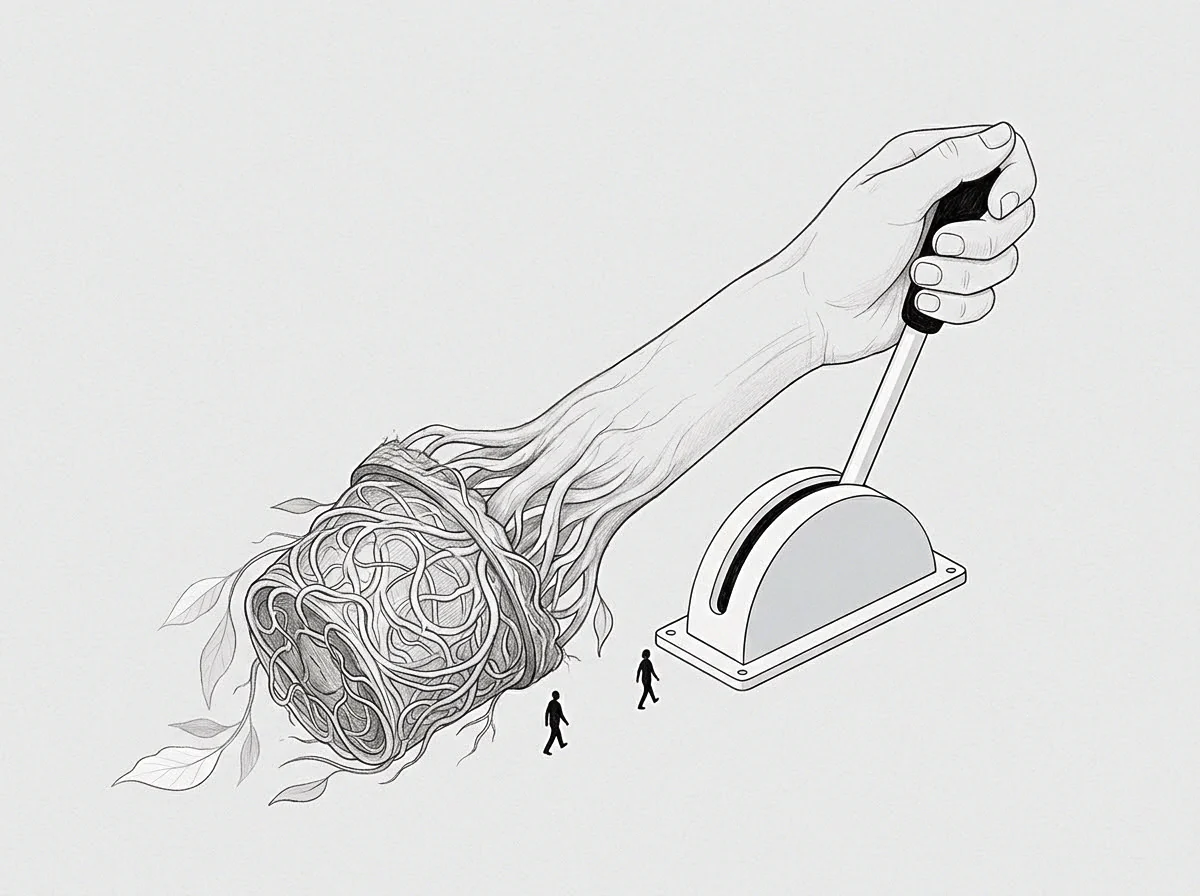
A specific duration of continuous data collection establishes the telemetry window to define the boundaries of a performance observation. This interval captures signal streams from system components to calculate the state of operations across a chosen sequence. Precise start and end points filter out noise, ensuring that only the activity occurring inside the designated timeframe influences the calculation.
The length of this observation period affects the sensitivity of the output, as a shorter span highlights immediate spikes while a longer span averages out momentary fluctuations.
Temporal Resolution
Establishing the duration of this segment requires a calculation of the frequency at which the system emits data points. When the density of the incoming stream increases, a narrower observation slice provides granular detail for diagnostic analysis. A fixed alignment between the sampling rate and the collection interval prevents aliasing artifacts from distorting the observation.
If the period remains too wide for the underlying mechanism, high frequency shifts remain hidden behind the resulting average.
Systemic Constraint
Technical limitations on storage capacity and processing throughput dictate the ceiling for the observation length. Memory buffers restrict how many data packets reside in the primary holding area before the next rotation cycle overwrites the existing entries. Engineers configure these limits to match the frequency of the incoming stream, ensuring that the observation records every event without dropping sequences.
Such limits represent a hard boundary on the analytical depth available for historical reconstruction.
Operational Signal
Output from the analysis provides the basis for distinguishing between a transient event and a permanent shift in system behavior. An automated check compares the findings within the current interval against the historical mean to determine if the variance stays within expected parameters. Decisions based on this output rely on the consistency of the collection criteria across different phases of the lifecycle.
A stable interval ensures that the signal remains comparable over successive cycles of evaluation.