Meaning
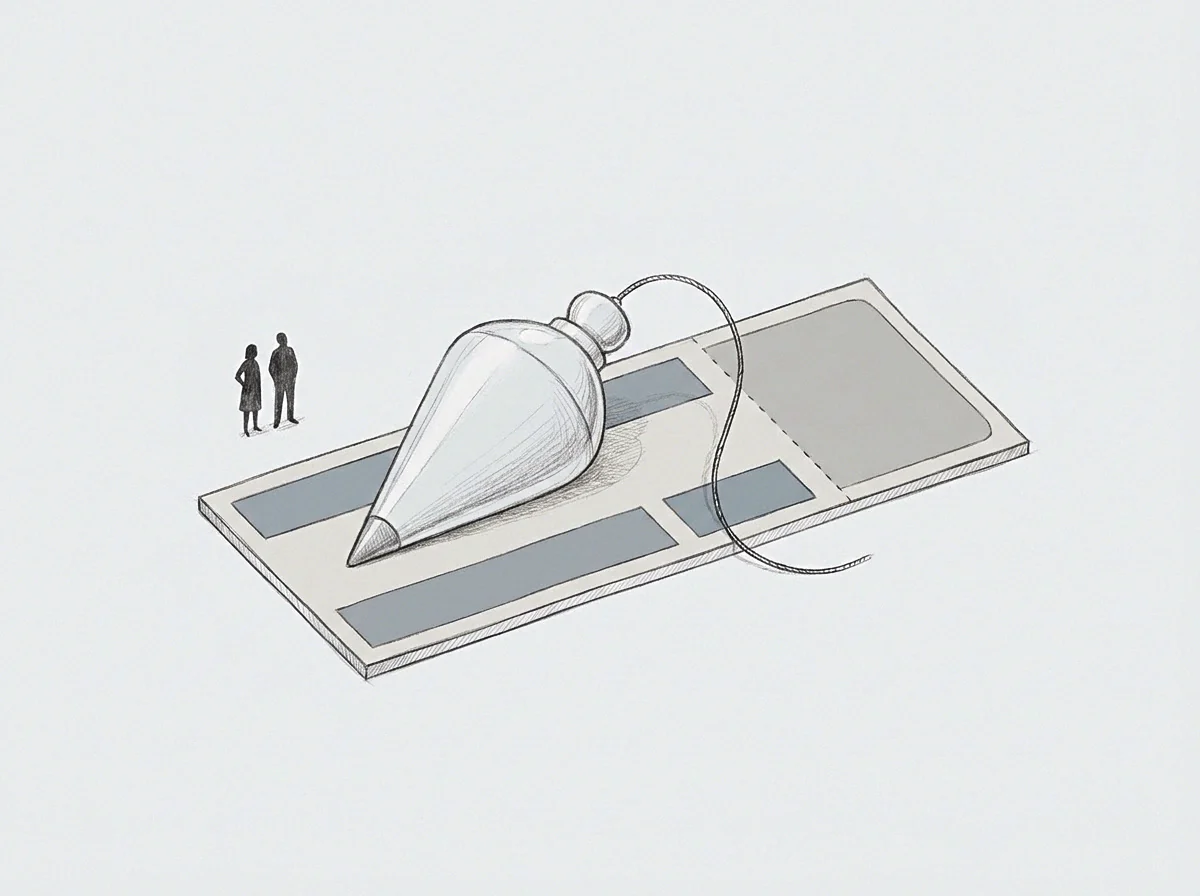
Calibration variance denotes the incremental divergence of a signal boundary away from its established baseline during repetitive cycles of performance observation. Threshold drift emerges when internal sensors or external market benchmarks shift their sensitivity over an extended period. This mechanism ensures that the delta between a target metric and its current measurement remains visible even as operational conditions change.
Measurement Variance
Quantifiable error accumulates as systems maintain static definitions for fluid phenomena. A stationary reference point loses accuracy if the underlying data distribution moves beyond the initial range of the sensor. Founders monitor this gap to determine whether the equipment requires recalibration or the model needs adjustment.
Corrective action relies on the distance between the recorded value and the expected output observed at the moment of system inception.
Operational Consequence
Institutional stability relies on a predictable reaction to incoming data. Consistent performance across different timeframes depends on a fixed response to specific triggers. When boundaries move without notice, the automated decisions taken by the organization fail to match the intent of the designers.
Stability demands that the variance remains inside a narrow band to prevent the systemic degradation of output quality.
Signal Degradation
Systematic misalignment distorts the connection between a strategic objective and the tactical execution of daily work. Precision in monitoring fades when the boundary line slides across the scale without triggering a manual override. The loss of correlation between a stated target and the actual result creates a false sense of security regarding current performance levels.
Over time, the inability to anchor the observation to a fixed point renders the entire feedback loop ineffective.