Meaning
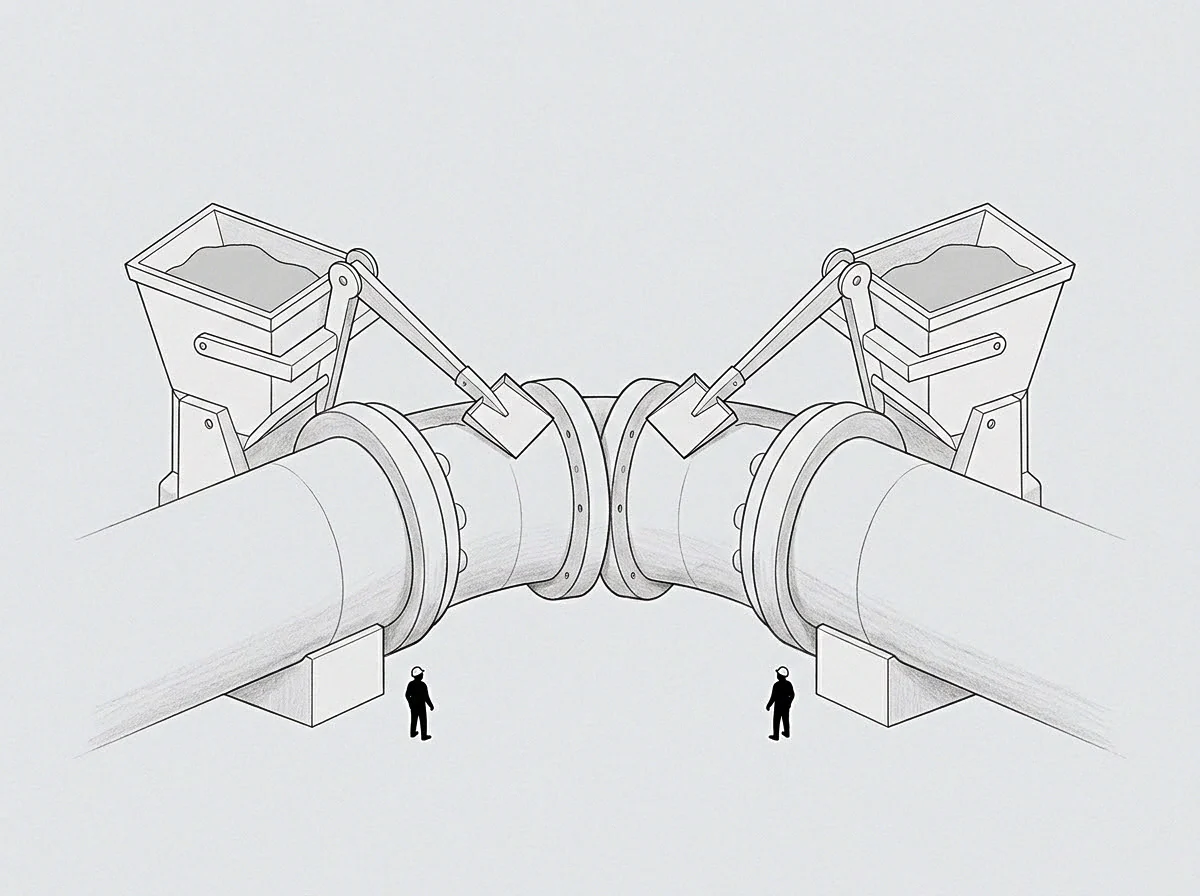
Predefined quantitative boundaries that mandate immediate and non discretionary administrative or operational interventions upon breach govern autonomous risk management. A threshold trigger functions as a discrete operational tripwire, converting continuous variable drift into binary execution decisions. This device belongs to deterministic operational governance protocols rather than subjective evaluation procedures.
It activates contingent balance sheet reserves, contract revaluations, or workflow halts as soon as a measured metric crosses the designated line. The device stops operating when administrative override powers dilute the mandatory nature of the required response.
Activation Architecture
Continuous tracking of mission critical metrics provides early warnings before systemic reserves suffer irreversible degradation. Implementing a threshold trigger requires establishing unambiguous quantitative targets for cash reserves, error rates, or client loss ratios. Once an evaluated metric breaches the boundary, operational personnel execute pre agreed protocols without seeking prior executive sign off.
This mechanical speed prevents human cognitive biases, such as sunk cost fallacies, from stalling vital risk mitigation measures. The resulting automation enforces procedural discipline during severe operational strain. Clear activation parameters ensure absolute organizational alignment under stress.
Discretionary Resistance
Organizational leaders frequently resist automatic intervention protocols because binary constraints limit administrative discretion. Evaluating threshold trigger performance reveals that executive teams routinely attempt to renegotiate defined intervention points during unfolding crises. This hesitance reintroduces cognitive delays, nullifying the defensive protection provided by autonomous operational constraints.
When leadership treats clear operational triggers as soft recommendations, systemic exposures compound rapidly. Ensuring institutional adherence requires anchoring these tripwires within third party covenants and programmatic software controls. Enforcing structural compliance removes psychological hesitation from emergency risk mitigation workflows.
Perimeter Integrity
Improper calibration of boundary limits induces operational paralysis through excessive activation of contingency workflows. If a threshold trigger sits too close to routine operating volatility, frequent false alarms disrupt ongoing operational execution. The constant activation of emergency procedures burns through organizational energy and desensitizes teams to genuine crises.
Conversely, boundaries set too deep fail to prevent catastrophic balance sheet damage. Calibrating these points demands rigorous historical analysis of normal operational variance. A properly positioned tripwire secures structural survival without generating unnecessary operational friction.