
Determining The Breaking Threshold Where Accumulated Competence Fails To Prevent Involuntary Commercial Liquidation
Involuntary liquidation occurs when mandatory cash obligations mature faster than operational competence can convert finished work into cleared legal tender.
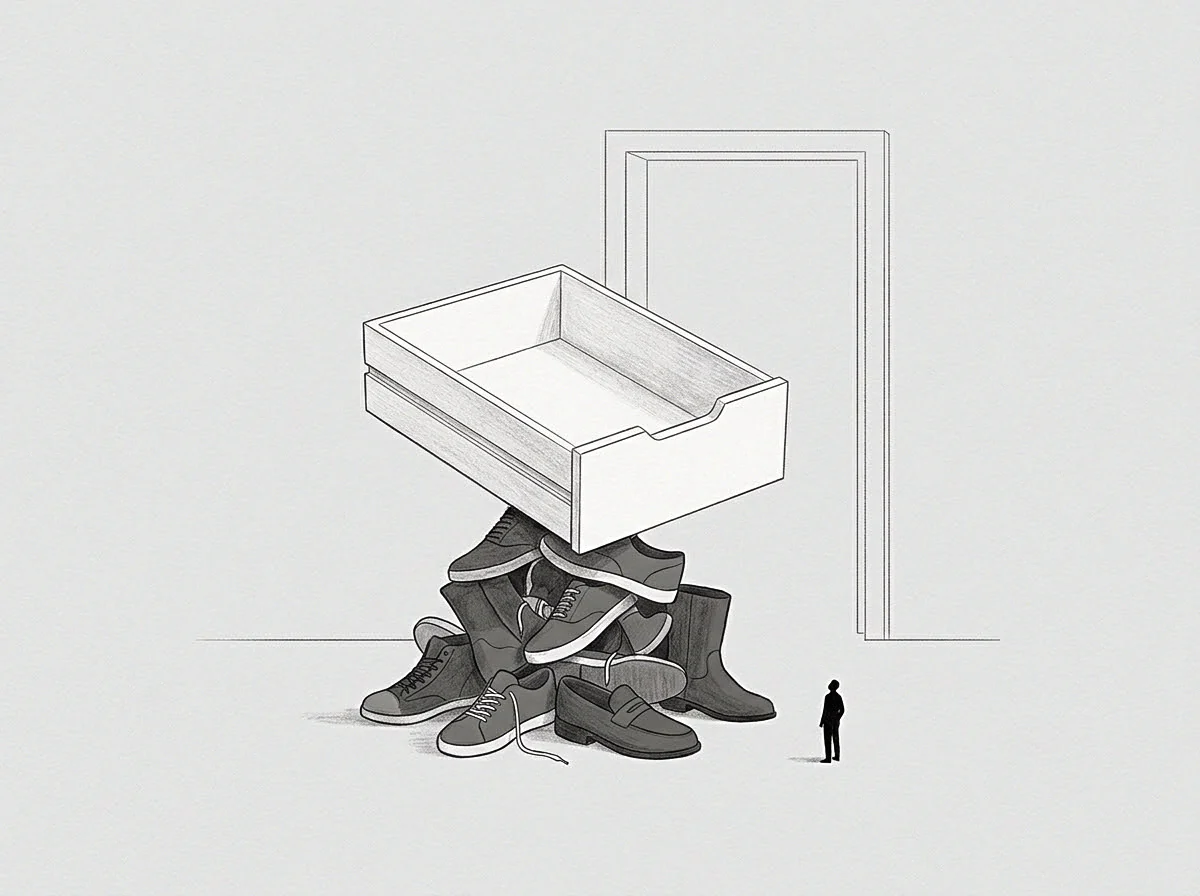
Seat
Shipping manifests and signed acceptance certificates cover the desk without a single customer complaint on file. The ledger records forty consecutive quarters of finished work, yet the operating account holds twelve thousand dollars thirty-six hours ahead of payroll. The client acknowledges the craftsmanship in writing, but that acknowledgment does not clear the automated clearinghouse transfer scheduled for Thursday morning.
Production continues while cash thins out. The person behind the desk built the enterprise over fifteen years of specialized trade practice, refining production scheduling, client negotiation, and defect control. None of that produces cash when counterparties stretch payment terms from thirty days to ninety days.
Commercial viability divides into two separate realities once obligations outpace daily intake. One tracks technical execution, customer satisfaction, and product quality. The other tracks immediate liquidity, settlement speed, and creditor patience.
An operator tends to assume that high performance on the first guarantees survival on the second, yet cash buffers decide whether operations continue.
Flawless operational output accelerates insolvency when delivery expenditures outpace receivable collections.
Operational markers climbed throughout the preceding quarter. New contracts brought higher margins, the shop floor cut cycle times by fourteen percent, and staff turnover remained zero. The work took an increasing toll in personal attention and endurance, but the operator absorbed it as long as technical capability grew.
The bank statement moved in the opposite direction. Every finished assembly demanded advance component purchases, payroll disbursements every fourteen days, and commercial lease settlements on the first of the month. The business burned cash to finance client inventory on uncollected invoices.
When the regional banking partner refused to expand the overdraft line, the gap between operational competence and solvency became absolute.
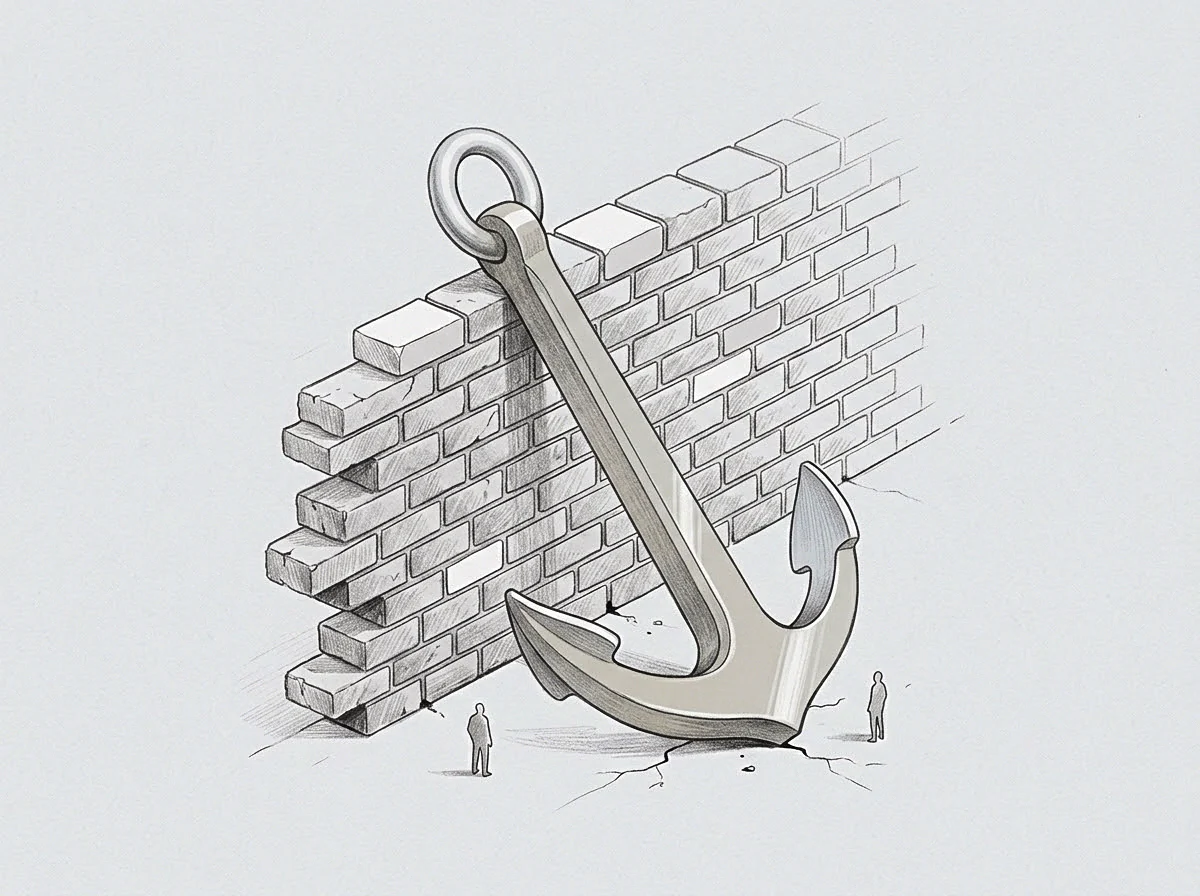
Unbilled Excellence At The Desk
Specialized skill fosters an illusion of commercial safety: an operator who solves intricate engineering challenges or runs complex logistics expects the market to show patience. But the landlord expects legal tender on the designated date regardless of how many industry accolades the company won that quarter. Vendor relationships strain fast once payments miss settlement windows by ten days.
Under financial pressure of their own, suppliers protect their balance sheets and wipe out years of collaborative goodwill in a single credit review.

The Decoupling Of Production And Solvency
Trade debts mature on fixed schedules regardless of production quality. An operator who steers a business into liquidation often displays higher technical competence than surviving competitors, whose endurance comes down to cash buffers and conservative conversion cycles. A bank officer reminds them that past performance cannot settle an overdraft.

Burn
Working capital runs down on a predictable slope when fixed overhead outpaces collected cash. A company needs a steady volume of cash each month just to keep power on, staff paid, and insurance policies active. Those obligations continue whether clients pay on schedule or dispute line items.
When technical reputation brings in larger, more intricate projects, upfront spending swells, committing capital months before a client validates the final invoice.
The lag between spending cash and recovering it is the central trap of business expansion. Strong capability wins larger corporate accounts, which routinely impose ninety-day terms, administrative reviews, and audit cycles before releasing funds. In the meantime, weekly operations draw down existing reserves.
Growing under those conditions only drains cash balances faster.
Uncollected revenue depletes operating reserves whenever production cycles exceed supplier credit windows.
Multiple concurrent operational pressures compound this reserve depletion:
- Accrual divergence occurs when booked revenue outpaces incoming currency by sixty days.
- Fixed payroll absorption consumes available cash regardless of client approval speed.
- Vendor credit revocation halts incoming materials forty-eight hours before completion deadlines.
- Emergency debt service redirects operational cash reserves toward high-interest short-term notes.
An operator often mistakes booked contracts for financial health, confusing future billing with immediate liquidity. A contract outlines revenue potential under agreed terms; it provides no cash today. Meanwhile, non-negotiable obligations pile up.
Payroll taxes must clear government accounts on schedule, utilities issue shut-off warnings after forty-five days of arrears, and equipment leases carry repossession clauses that take effect the moment a payment lapses.
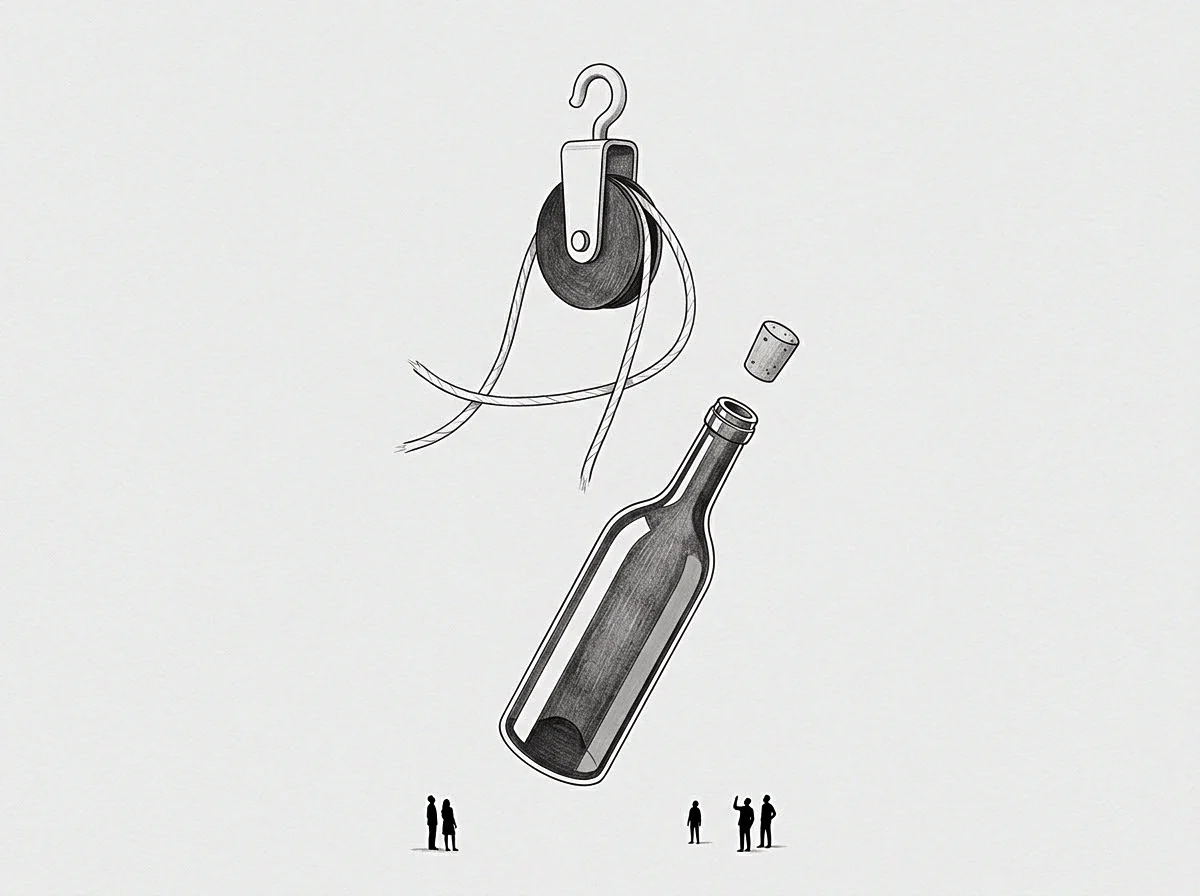
Fixed Overhead Against Stated Output
Overhead recurs on a calendar that cares nothing about customer approvals. Rent, software licenses, equipment amortization, and retainers create a fixed floor of mandatory monthly spending. If collections lag by even two weeks, reserves drop past the point of recovery.
When owners try to bridge the gap with personal lines or merchant cash advances, the extra debt service burdens an already tight cash flow and brings the breaking point forward.

The Conversion Lag On Finished Work
Inventory does not satisfy debt. Finished goods and delivered work sit on the balance sheet while formal claims brew in the background. The real hazard lies in the lag between issuing an invoice and seeing funds clear.
A business carrying eighty percent gross margins can collapse as readily as one on five percent margins if money moves too slowly through the conversion cycle. Misjudging that cycle ends in surrendering equity to senior lenders.

Drain
Cash depletion tends to run in one direction. Once reserves drop below safe operating thresholds, secondary options close down fast. Suppliers move to cash-on-delivery terms, stripping away trade credit buffers.
Employees recognize the instability and shift their attention toward job prospects elsewhere, dragging down output. The demand on management attention spikes precisely as productive capacity falls away.

Can Technical Mastery Compensate For Illiquid Reserves?
Operational skill cannot stand in for cash when obligations come due. High craftsmanship attracts clients, but it does not alter the covenants on senior notes. Lenders evaluate liquidation values rather than quality of work, and a balance sheet full of intellectual property with no cash provides little protection against an involuntary administration petition.
Creditors prioritize certain recovery over future potential.
| Dimension | Functional Competence | Cash Availability |
|---|---|---|
| Asset Velocity | Creates long-term enterprise appraisal value | Provides immediate settlement of past-due obligations |
| Counterparty Leverage | Commands respect in industry trade circles | Stops statutory enforcement proceedings instantly |
| Time Horizon | Focuses on multi-year capability development | Focuses on sixty-day cash survival intervals |
| Failure Trigger | Manifests as gradual client loss or margin decay | Triggers sudden court-ordered asset liquidation |
This tension between execution and liquidity explains why capable firms slide into insolvency. Technical skill builds quality, client relationships, and product reputation over quarters and years. Liquidity pressures, by contrast, unfold in forty-eight-hour windows.
A company can hold the leading position in its niche and still lack the sixty thousand dollars needed to halt an aggressive vendor from filing a winding-up petition.
Liquid cash resolves legal claims while operational reputation only invites sympathetic meetings.
Time contracts during a squeeze. Leadership ends up spending eighty percent of working hours negotiating with trade creditors, placating the bank, and deferring tax bills. Diverting that attention hollows out operations.
Delivery schedules slip, mistakes multiply, and the firm’s reputation for competence deteriorates under the strain of cash triage while receivables linger thirty days late.
The decline speeds up because credit networks share information. When one creditor issues a formal demand letter, rating agencies downgrade the account. Other suppliers spot the change and immediately revoke payment terms, demanding cash up front for routine supplies.
The resulting drain on liquidity overwhelms whatever buffers operational competence can offer. Solvency rests on immediate settlement capacity; proficiency only shapes the terms of future deals.
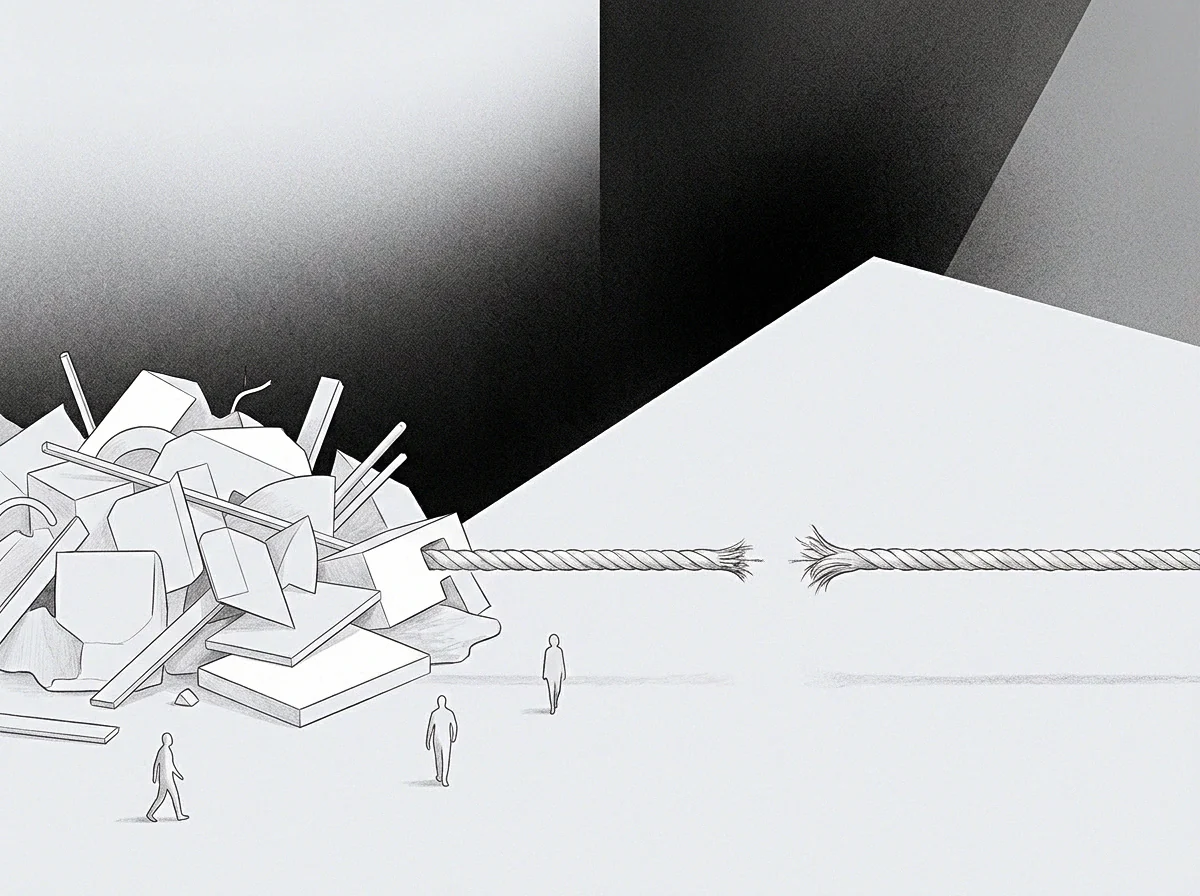
Claim
Lenders gain direct contractual authority the moment a company breaches debt covenants. Commercial credit agreements impose covenants governing current ratios, minimum working capital, and debt-service coverage. A business can service monthly interest on time and still violate a technical liquidity ratio, giving the lender the legal right to declare default, accelerate the principal, and claim underlying collateral.
Lenders exercise these covenants to protect capital once financial reports signal cash erosion. They know that specialized equipment, receivables, and proprietary tooling lose value the longer distress drags on. Moving early preserves recovery rates before working capital disappears and the court freezes every account.
A declared covenant breach converts thirty-year amortizations into immediate payable demands.
The procedural escalation from technical default to legal control unfolds in formal stages:
- Notice of covenant breach triggers an immediate twenty-day remediation period.
- Cross-default activation spreads demand letters across all institutional credit facilities simultaneously.
- Receivership petition filing transfers operational control from the management team to court appointees.
- Public liquidation auction converts enterprise machinery and inventory into cash distributions for secured lenders.
A bank disregards reputation: once debt accelerates, an innovative firm receives the same statutory treatment as an obsolete plant. Senior secured creditors take precedence over equity holders, founders, and trade vendors. The operator loses the power to disperse funds or sign contracts, with every expense requiring clearance from an external monitor whose sole obligation is recovering debt rather than rehabilitating the enterprise.

Acceleration Clauses In Commercial Notes
Loan agreements link different commitments through cross-default clauses, meaning a default on an equipment lease can accelerate a multi-million-dollar mortgage or primary credit facility. Once called, the full balance comes due in days. Few mid-sized businesses hold the liquid reserves to retire long-term debt facilities on forty-eight hours’ notice.
The provision turns operational friction into immediate liquidation.

The Shift To Statutory Governance
Statutory insolvency ends executive autonomy. In many jurisdictions, continuing to trade while balance-sheet or cash-flow insolvent exposes directors to personal liability for new corporate debt. The law penalizes further operations, pressing management to shut down trading to shield personal assets once acceleration converts long-term commitments into liabilities due within five business days.

Debt
Liquidation comes down to contractual priority rather than lack of craft. Commercial statutes exist to protect credit markets and enforce recovery. Once an enterprise enters involuntary proceedings, the court sets aside operational nuance.
Technical capability becomes legally immaterial, leaving the process focused entirely on verified asset values against creditor claims.
Liquidators auction equipment, client contracts, and proprietary systems at fire-sale valuations. Assets assembled through decades of organizational experience go for pennies on the dollar to scrap buyers and competitors. The accumulated technical skill of the firm resolves into an itemized catalog of used office furniture, depreciated server racks, and secondary tools.
Proceeds are distributed strictly along statutory lines, wiping out equity.
The toll on leadership registers as an irreversible loss of personal energy and hours. Years spent honing an operational discipline end in handing over keys to court trustees. Survival turns out to depend as much on managing capital structure and liquidity as on delivering the work.
When technical ambition outruns cash discipline, the enterprise creates the conditions for its own unraveling, leaving open the question of whether any business can insulate core operations from sudden banking contractions.