Meaning
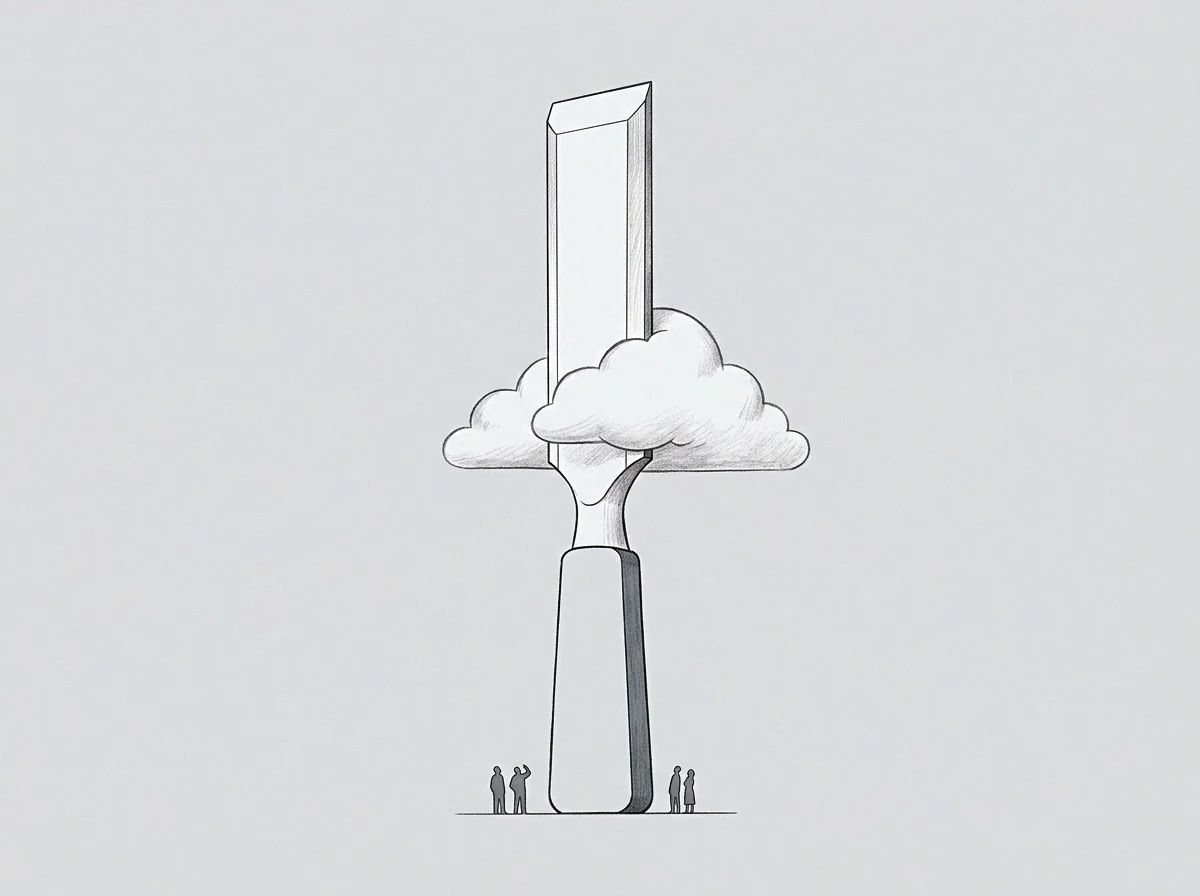
Market stability and operational continuity are occasionally disrupted by short-term disturbances that do not alter the underlying long-term trends. This event is termed a transient shock, a temporary disruption to a system that eventually returns to its baseline state. It represents a brief variance rather than a permanent change in market conditions.
System Resilience
Supply chain delays or brief server outages are typical examples of these short-term disturbances. When a transient shock occurs, the system must absorb the impact without failing completely. By building redundant processes, the organization can withstand these events with minimal loss of service.
Variance Analysis
Distinguishing between temporary dips and permanent declines in performance is a critical task for data analysts. When a transient shock is mistaken for a structural shift, the company risks overreacting and wasting resources on unnecessary adjustments to its business model. Conversely, recognizing the temporary nature of the variance allows the management team to maintain their current strategy, avoiding costly pivots that could destabilize the core business during a brief period of market volatility.
Recovery Period
The speed with which a system returns to its baseline after a disruption is an indicator of its structural health. If the recovery from a transient shock takes too long, it suggests that the system has underlying vulnerabilities that need to be addressed. Measuring this duration helps engineers or managers evaluate the effectiveness of their emergency protocols.