Meaning
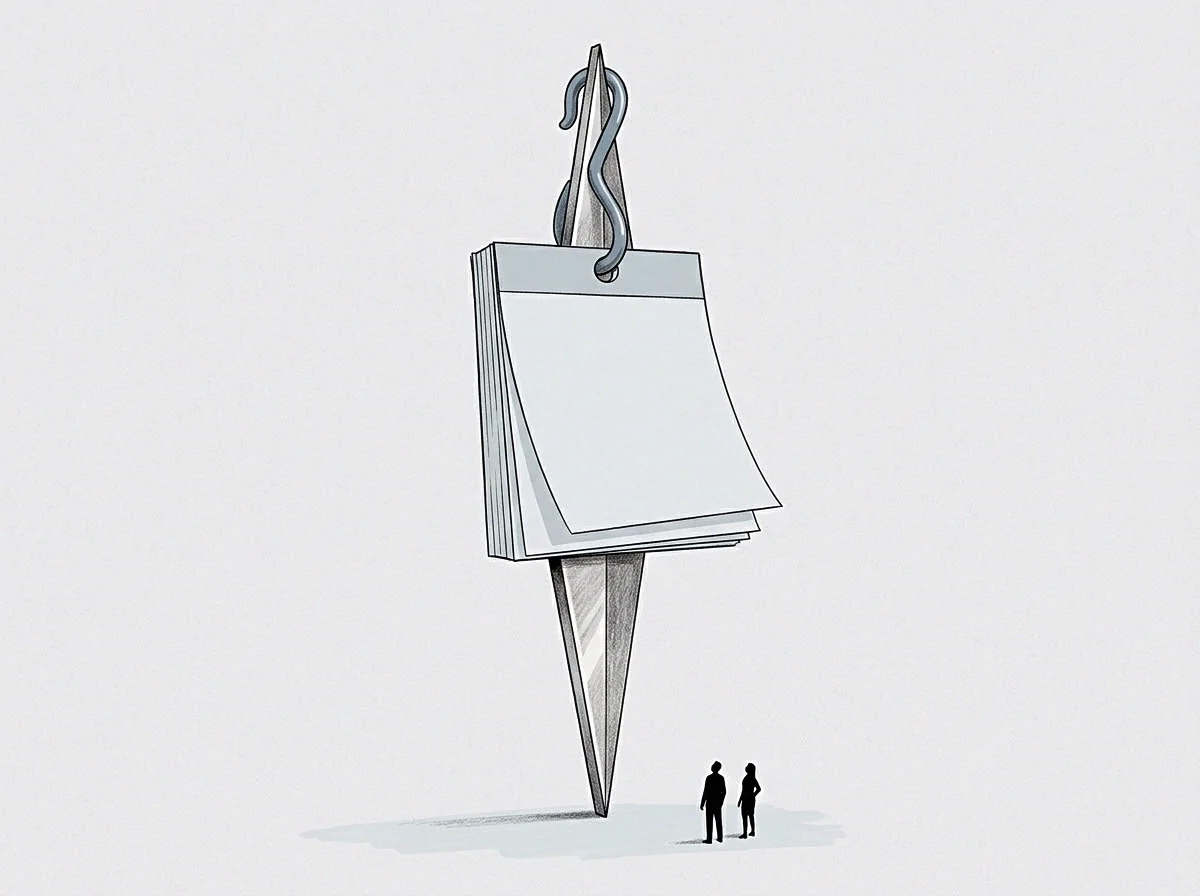
Unbillable administrative drag identifies the accumulation of internal organizational tasks that prevent a professional from generating revenue through direct client output. Such unbillable administrative drag represents the gap between capacity and performance when non-core activities consume time reserved for billable objectives. The boundary of this phenomenon sits at the point where internal process demands override the external market utility of the individual.
Operational Friction
Excess internal process forces a transition from productive labor to maintenance of the organization itself. Because time operates as a finite resource, unbillable administrative drag creates an opportunity cost that restricts the growth of service capacity. Each hour diverted to such tasks reduces the available stock of professional labor without providing a corresponding increase in market reach.
Organizations often witness a rise in this friction when decentralized teams require heavy coordination to maintain consistency.
Measurement Logic
Metrics of professional efficiency treat this phenomenon as an ordinal constraint on output rather than a variable cost. By isolating the delta between total available hours and billable hours, the degree of drag becomes a signal for potential structural inefficiency. Higher levels of this variance suggest that the organization requires a shift in support functions to restore focus to high-value activities.
Precision in identifying the source of these hours allows for the removal of redundant approvals that impede flow.
Systemic Influence
Persistent interference from internal requirements dictates the scaling potential of a professional entity. When unbillable administrative drag dominates the weekly cycle, the entity hits an artificial ceiling regardless of external demand. Successful scaling demands a reduction of these burdens to ensure that professional effort aligns with income generation.
The absence of this shift leads to stagnation in revenue density.