Meaning
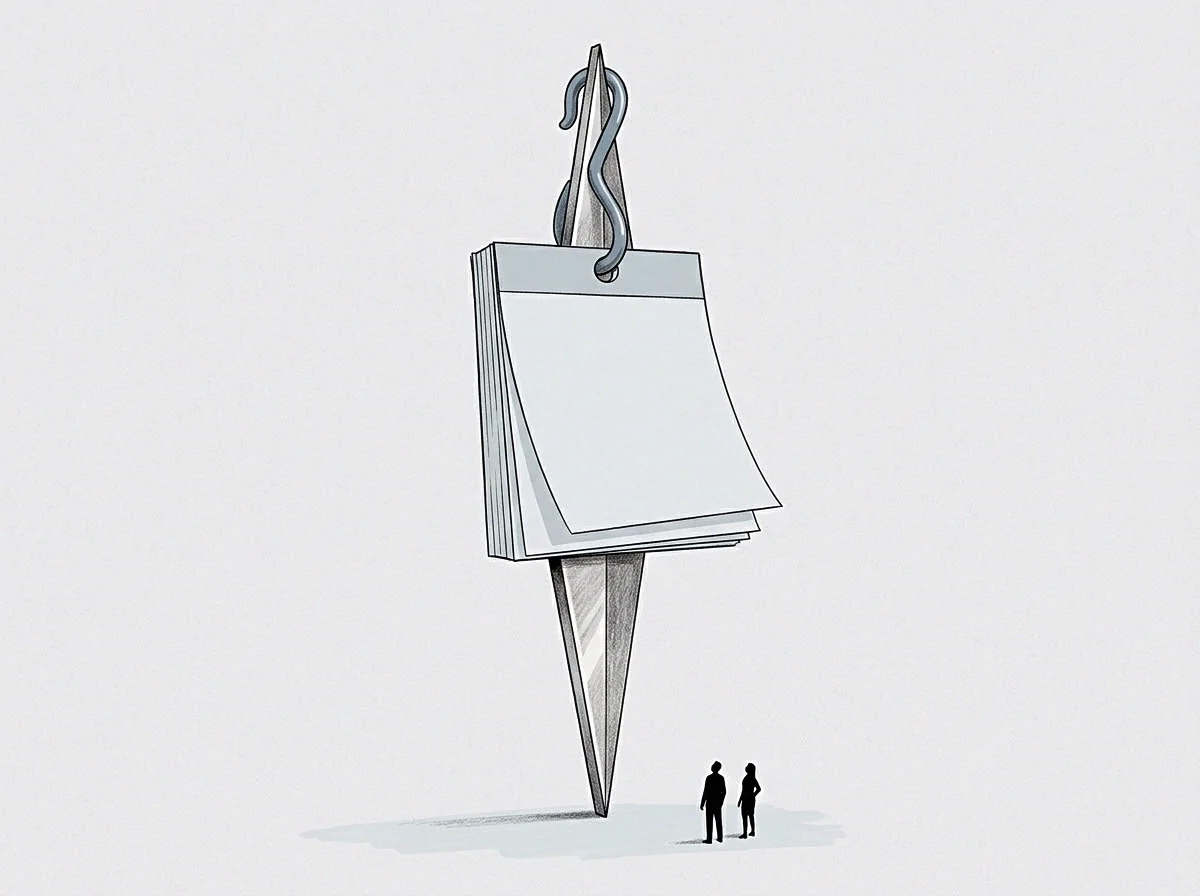
Schedule compression friction is an ordinal measurement of temporal resistance encountered when milestone frequency increases faster than operational capacity absorbs coordination changes. This metric evaluates the ratio between planned calendar duration reductions and the corresponding administrative drag generated by parallel task execution. The boundary of application begins the moment a management team attempts to shorten delivery horizons without altering resource allocations or reducing concurrent commitments.
Temporal Drag
Calendar compression forces founders to measure coordination costs against velocity gains on an inverted scale. Administrative overhead increases nonlinearly once planning intervals drop below twenty percent of standard execution cycles. Coordination overhead absorbs executive attention capacity before any actual productivity improvements materialize from the compressed timeline.
Velocity Decay
Operational momentum declines when teams process overlapping signals faster than functional groups can synthesize decisions. Decision latency compounds because communication channels saturate under the weight of frequent synchronization meetings required by tightened deadlines. Task switching drains founder attention reserves, leaving fewer hours for structural problem solving during active delivery windows.
Capacity Threshold
Systemic failure occurs when temporal compression exceeds the structural elasticity of internal communication protocols. Team output stabilizes at a lower ceiling regardless of additional working hours applied to the compressed delivery window. Performance degradation signals that calendar compression friction has neutralized any theoretical advantage gained from the shortened schedule.