Meaning
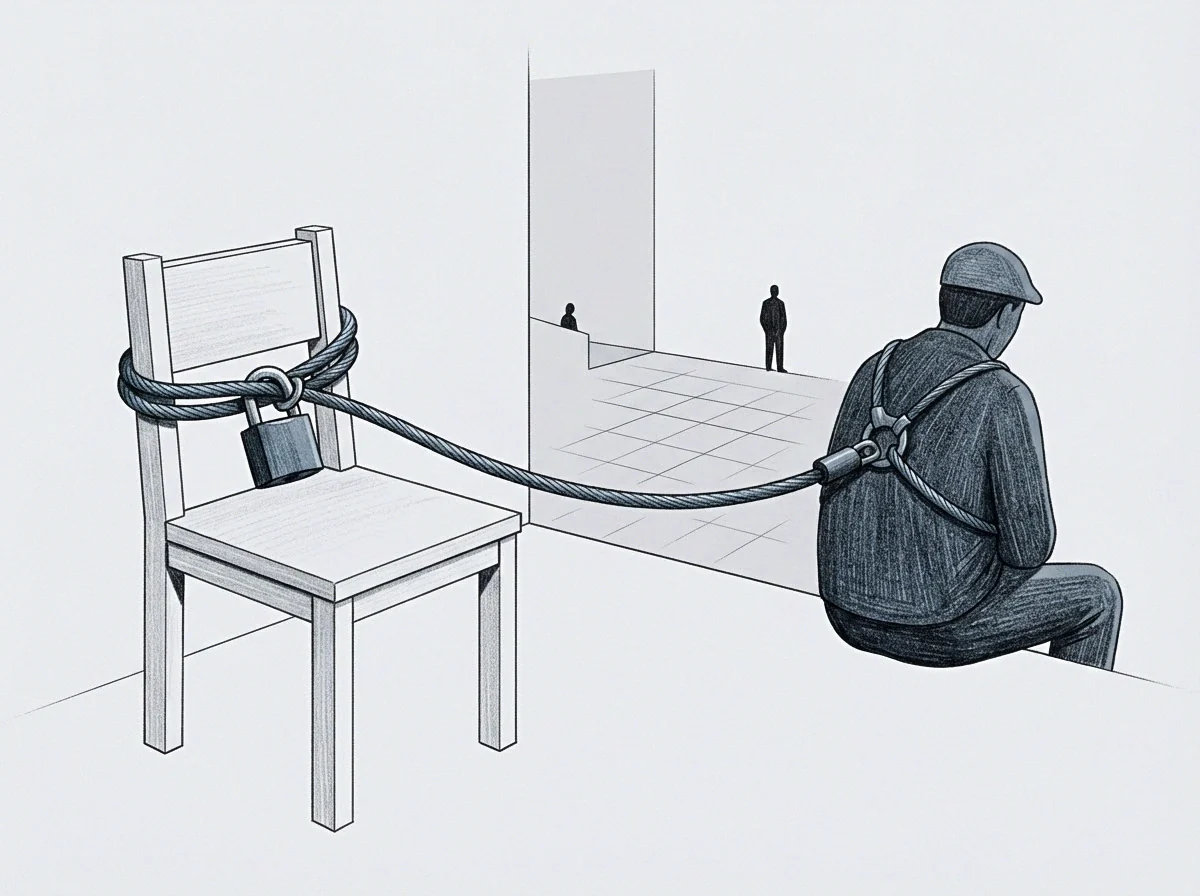
Hidden costs subtract from the efficiency of a process without appearing as a line item in an accounting ledger. In the lifecycle of a venture, unpriced drag results from inefficient meetings, unclear communication, lack of documentation, or minor technical debt. Development pace slows down when this drag is high, even when the bank balance remains unaffected.
It represents the difference between the theoretical capacity of a team and its actual output.
Attention Drain
Constant interruptions for low value tasks create a measurable unpriced drag on high level talent. Each context switch requires time for the brain to refocus on complex problems. While these moments are free in a budget sense, they are expensive in an opportunity sense.
Measuring this effect requires time tracking and employee surveys.
Process Decay
Procedures that were once useful often become obstacles as the company grows. Unpriced drag occurs when people follow rules that no longer apply to the current scale. Removing these legacy processes is necessary to maintain organizational health.
Periodic review of all habits is the only way to find these hidden costs.
Compounding Effect
Small inefficiencies grow over time into major barriers. If every person in a hundred person company loses ten minutes a day, the unpriced drag equals thousands of hours per year.