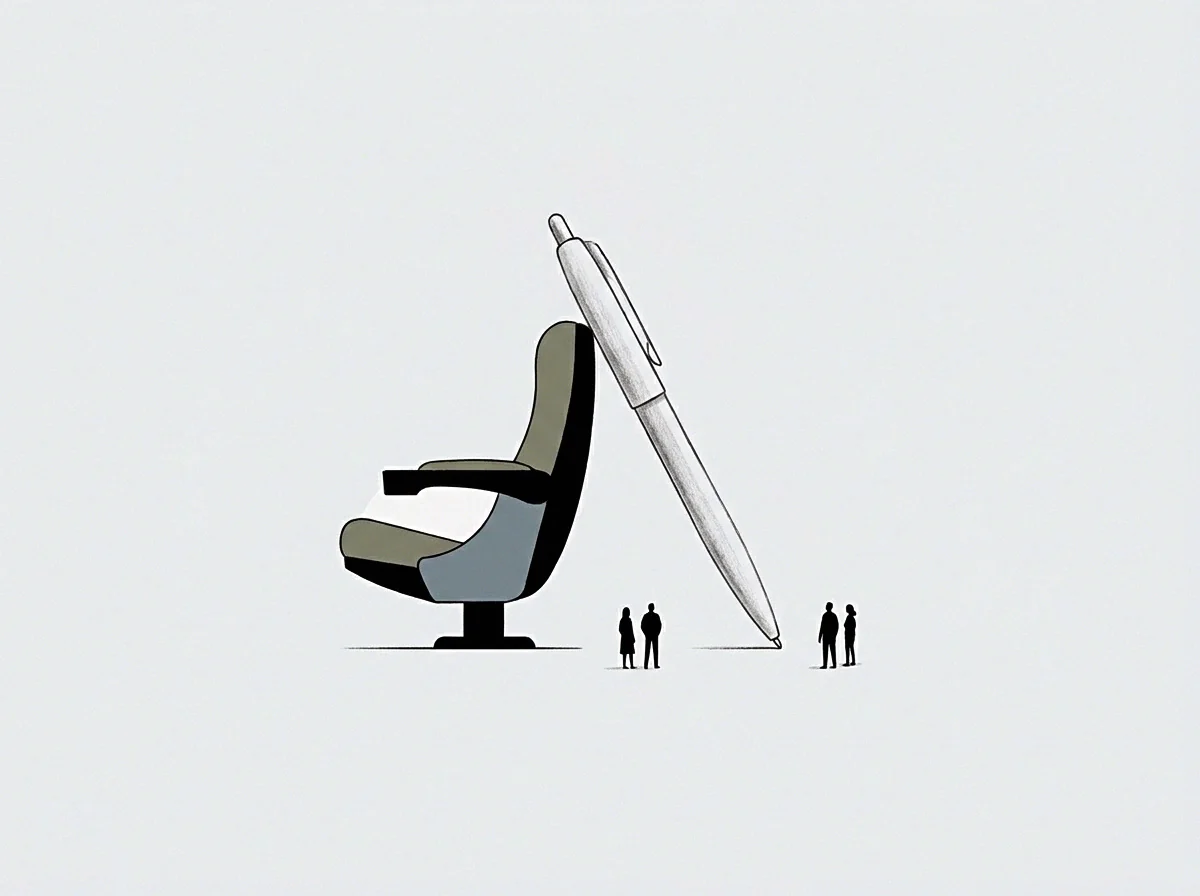
Meaning
Cost accounting often fails to capture indirect operational expenses that are not allocated to specific projects or product lines. The presence of unpriced overhead occurs when administrative or infrastructure costs are absorbed into general operating expenses without being factored into product pricing. It results in an inaccurate assessment of individual product profitability.
Resource Consumption
General business activities consume attention and capital that are rarely billed to customers. When unpriced overhead rises, a business might find that apparently high-margin services are actually unprofitable due to the unmeasured support hours they require. This hidden consumption distorts resource allocation decisions.
Margin Erosion
Underestimating indirect costs leads to pricing structures that do not cover the true cost of business delivery. A firm that ignores administrative support will experience an erosion of its net margins despite strong revenue growth. This discrepancy eventually forces a restructuring of the pricing model.
Operational Adjustment
Rectifying this mismatch requires implementing detailed activity-based costing methods to allocate indirect costs to specific outputs. By tracking the actual support hours spent on each client, managers can adjust the baseline prices of resource-intensive accounts. This adjustments ensures that every operational unit contributes to the overall financial viability of the company, transforming hidden burdens into visible, billable line items.