Meaning
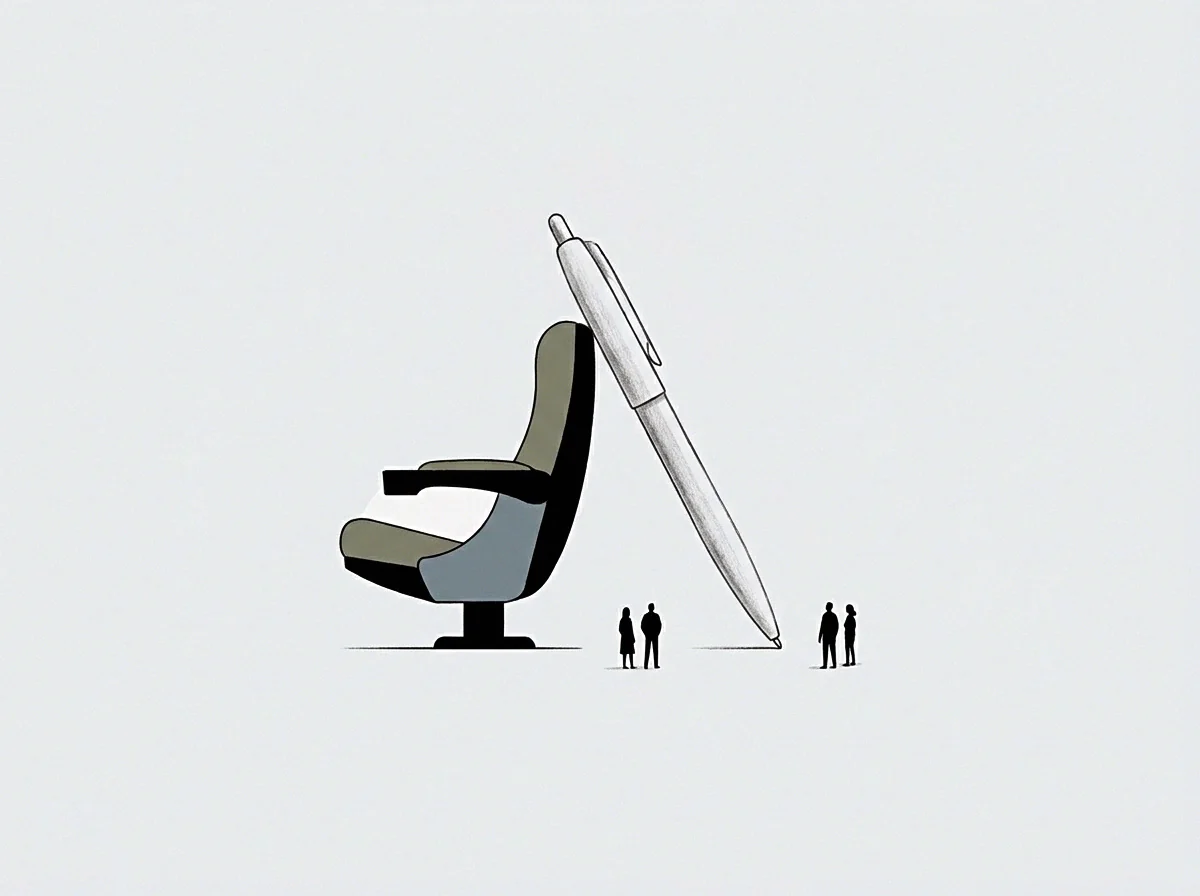
Invisible obstacles comprise the minor, recurring inefficiencies that slow down a process without being captured in formal reports. Unstated friction refers to the psychological and operational resistance that occurs during transitions between tasks or during the use of poorly designed tools. Unlike a bottleneck, which is a visible stoppage, this type of drag is distributed across the entire workflow.
It is often caused by ambiguous instructions and slow software interfaces. The cumulative effect of these micro-delays can greatly reduce the overall throughput of an organization.
Micro Impact
Measurement of this phenomenon usually requires ethnographic observation or specific time tracking. Unstated friction often hides in the gaps between formal steps in a manual. A worker might spend five minutes looking for a file that should be easily accessible, or ten minutes clarifying an email that was unclear.
Cultural Drain
Over time, these minor annoyances lead to a decrease in employee morale and a gradual decline in quality. Because unstated friction is not tracked on a balance sheet, it is often ignored by management until it becomes a systemic problem. It acts like a tax on every action the company takes.
Reducing it requires a focus on the user experience of the internal team. This might involve simplifying a software stack or establishing defined communication norms. A founder who identifies and removes these points of resistance can see a jump in productivity without hiring more people.
This is the free growth that comes from smoothing the internal mechanics of a business.
Boundary Point
The concept no longer applies when a delay is caused by a deliberate safety check or a legal requirement.