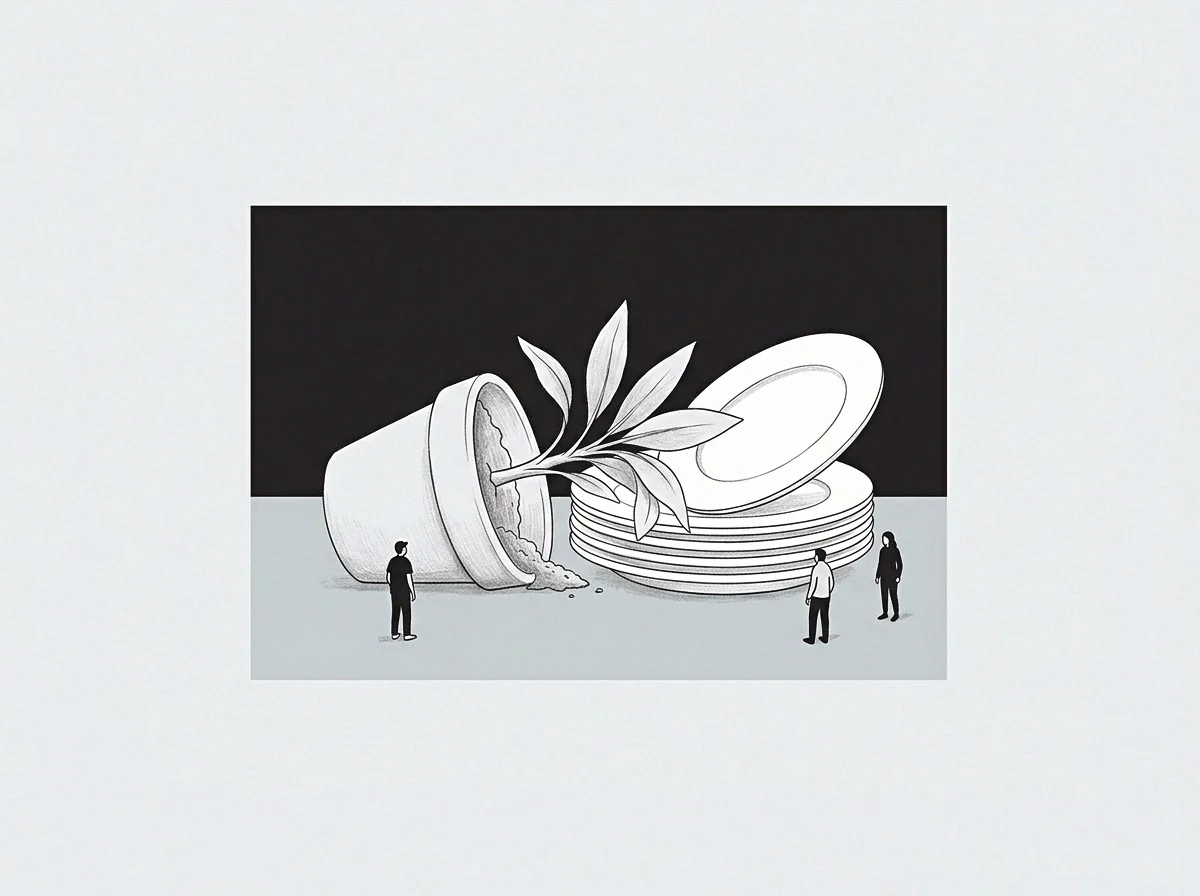
Meaning
Permissible deviation measured against a target value or a historical average that defines the limit of acceptable fluctuation. The variance threshold defines the boundary beyond which a difference is considered significant enough to require an investigation or an action. It serves as a filter for operational noise.
Deviation Limit
Setting this level involves deciding how much fluctuation is normal for a given process. A tight variance threshold is used when precision is required, such as in financial accounting or manufacturing. A looser threshold is acceptable in more creative or unpredictable activities where the outcome is less certain.
Exception Management
Activation of a response happens only when a metric crosses this line. By using a variance threshold, the management team can focus their attention on the most important outliers rather than reviewing every piece of data. This approach is known as management by exception and is highly efficient for large organizations.
The threshold acts as a sentinel that only alerts the leadership when something is truly wrong. Because this method reduces the volume of alerts, it prevents alarm fatigue and ensures that the most critical issues are addressed immediately. This prioritization is a requirement for maintaining control over a complex and growing venture.
Control Mechanism
Stability of the system is maintained by keeping the key metrics within these bounds. If the data frequently crosses the variance threshold, it indicates that the process is out of control and requires a fundamental redesign. Monitoring these breaches provides an early warning of systemic failure.