
Balancing Incident Response Speed Against Structural Engineering Resilience
Balancing incident response speed against structural resilience balances rapid containment velocity against the long term capacity of core system architecture.

Joint

Distinguishing Restoration Speed From Structural Endurance
Operational systems exist in constant tension between containing faults immediately and preserving long-term architectural stability. When unexpected load or corrupt input breaks a service, engineers focus on quick restoration—applying temporary configuration overrides, disabling non-critical features, and bypassing schema validations. While these actions lower the mean time to restore operational state and quickly clear dashboard alarms for stakeholders, system state still degrades under load.
The immediate containment measures address only the surface symptoms of the failure.
Structural resilience tracks a different dimension of system health: how well core architecture absorbs stress, reroutes traffic automatically, and holds invariant guarantees during partial failures. Systems built solely around mitigation speed depend heavily on manual operator intervention. Every quick fix leaves behind unverified assumptions, unindexed queries, and custom runtime flags that accumulate in the codebase and make future releases increasingly brittle.
Hotfixes applied directly to production database tables increase operational risk during subsequent deployments.
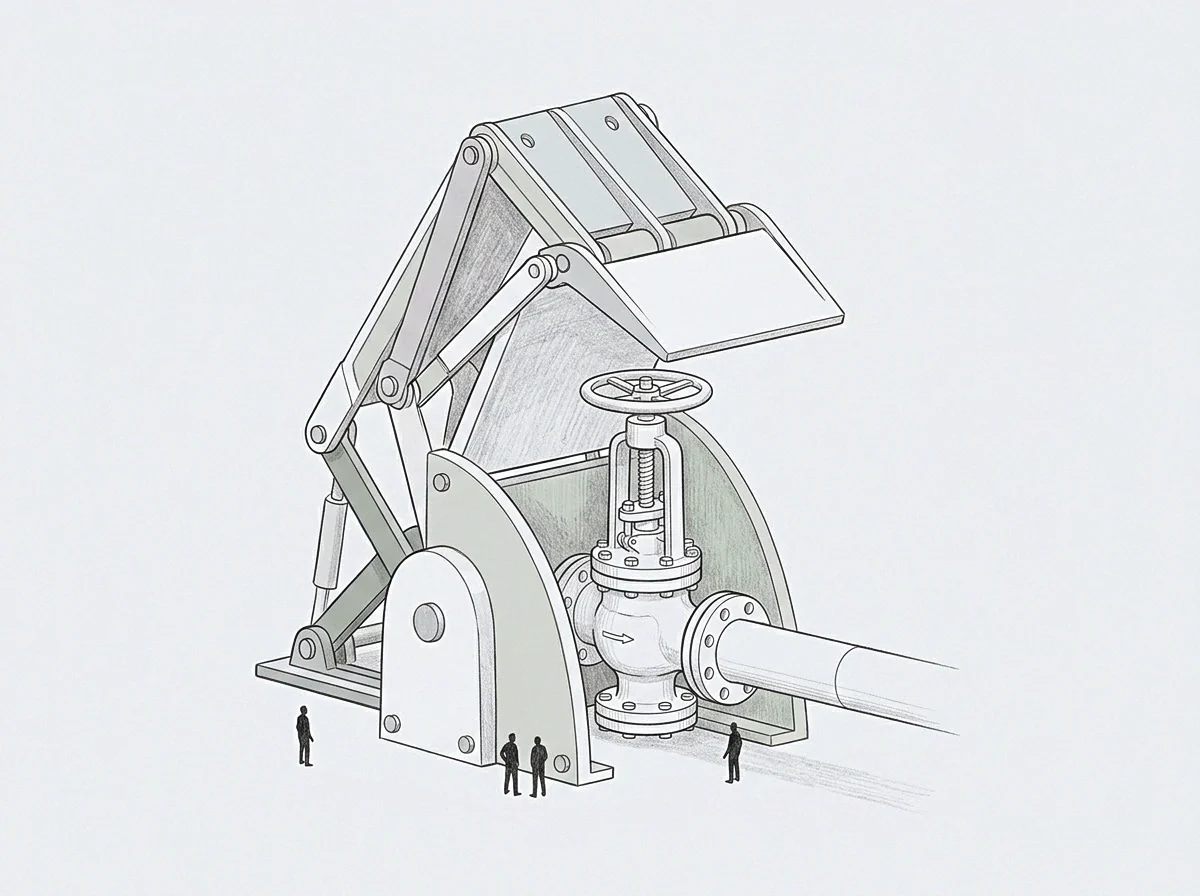
Operational Mechanics of Immediate Containment
Immediate mitigation focuses on changing state fast rather than maintaining clean architectural boundaries. Operators flush caches, restart worker pools, and inject hardcoded overrides into routing tables to isolate errors before they cascade across adjacent services. The patch silences the primary alarm, leaving production traffic to test the temporary boundary.
Rapid mitigation brings several concurrent internal costs. Operator attention shifts entirely from planned engineering to reactive triage, while baseline metrics lose historical calibration under non-standard runtime parameters. At the same time, overall system capacity drops as worker processes restart or execute unoptimized fallback logic.
Evaluating mitigation solely on time-to-recovery overlooks these hidden capacity losses, compounding the ultimate cost of deferred fixes.
Deploying emergency patches without follow-up structural work leaves the original root causes intact along main code paths. The underlying flaw simply sits dormant until another traffic spike breaches the temporary patch.

Triage

Emergency Mitigation Mechanics
Active outages force rapid intervention to isolate failing dependencies and restore core data flows. Working under tight pressure, triage engineers balance customer impact against systemic risk. High-velocity response protocols default to isolation scripts, feature flags, and traffic shedding rather than immediate root-cause analysis.
While these responses can return API response codes to healthy baselines within minutes, manual intervention heavily drains operator focus.
Restoring service metrics quickly can create a false impression of stability. Even as public dashboards turn green, internal state variance expands. Temporary environment overrides alter runtime behavior outside standard CI pipelines, and database connections forced open to clear queues bypass established connection pooling limits.
When temporary bypasses linger, engineers end up absorbing the ongoing operational strain.
Unresolved temporary patches convert immediate latency spikes into permanent structural brittleness.

Failure Modes in High Velocity Fault Isolation
Repeated emergency interventions alter system geometry in ways standard static analysis tools rarely detect. Rapid containment protocols typically produce three distinct structural failure modes:
- State Inconsistency occurs when manual emergency scripts mutate persistent database records without executing standard domain logic validation checks.
- Alert Desensitization follows repeated manual suppression of secondary diagnostic telemetry during critical service outages.
- Dependency Coupling deepens as emergency patches wire direct integrations between isolated microservices to maintain throughput during active failures.
Failure builds up through accumulated debt, as each quick mitigation trades architectural clarity for immediate continuity. When teams prioritize containment velocity over structural integrity across several consecutive quarters, the codebase deteriorates to a point where routine deployments can trigger severe outages.
How long can an operational team maintain rapid containment protocols before latent architectural defects force a complete redesign of core service boundaries?

Beam
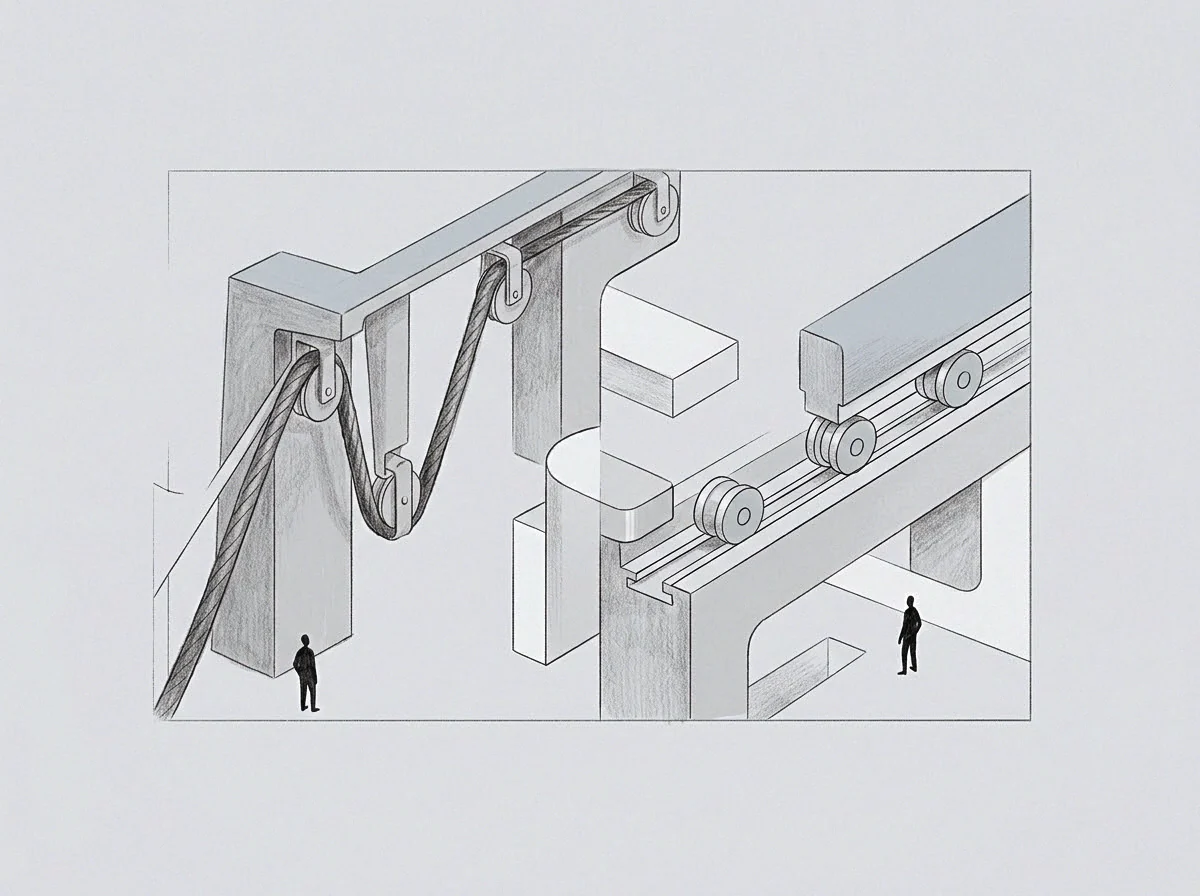
How Does Hotfix Accumulation Corrode Core Architecture?
Heavy system load exposes structural vulnerabilities that stay hidden during normal operation. Every hotfix inserted into a service path adds conditional branching for a specific edge case, increasing the complexity of the service’s internal state machine over time. Subsequent outages often strike during refactoring because staging environments rarely match the ad-hoc configuration flags running in production.
| Protocol Type | Primary Target | Attention Vector | Latent Risk Profile |
|---|---|---|---|
| Rapid Containment | Mean Time to Restore | Short term operator focus | Accumulation of unverified state changes |
| Structural Refactoring | Mean Time Between Failures | Long term architectural redesign | Temporary reduction in feature deployment speed |
| Both protocols operate on the same finite pool of engineering hours and system capacity. | |||
Engineering throughput drops as developers spend more of their weekly hours navigating legacy patches. Unstated trade-offs corrode system resilience—a service designed for constant-time query execution can degrade to polynomial complexity under layered fallbacks, dragging down team output alongside system performance.
Engineering capacity allocated entirely to firefighting starves the system of structural refactoring.

Quantifying Latent Defect Densities
Measuring the real cost of mitigation speed requires tracking latent defect density alongside incident duration. These latent defects are unaddressed architectural flaws introduced during rapid containment cycles—such as a hardcoded timeout override in an HTTP client that sits unnoticed until the external dependency slows down again.
A high density of latent defects makes systems unpredictable, allowing minor input variations to trigger major operational failures. Structural refactoring restores stability by clearing out ad-hoc logic branches and enforcing formal service contracts. When teams schedule explicit refactoring windows immediately after major incidents, latent defect density drops and failure rates stabilize over time.
The engineering team enforces a hard limit: every emergency configuration flag expires automatically forty-eight hours after deployment, forcing either formal architectural refactoring or explicit executive sign-off on the accumulated technical debt.
Spool

Worked Situation in High Frequency Incident Environments
Tracking the cumulative cost of emergency interventions requires evaluating both engineering hours and system capacity. Consider two engineering organizations managing identical high-throughput messaging pipelines over a six-month period, each averaging four major dependency disruptions per month. Organization A prioritizes containment speed, telling engineers to apply immediate inline logic bypasses and return to feature work within two hours of incident resolution.
Organization B allocates thirty percent of post-incident capacity to structural refactoring, requiring engineers to rewrite failing modules before resuming feature development.
Over six months, Organization A maintains an average mean time to restore of fifteen minutes per incident. Organization B averages forty-five minutes per incident during the first two months. By month four, Organization A experiences secondary outages caused directly by emergency patches interacting with newly deployed feature code, driving their monthly incident count from four to twelve.
Organization B sees its monthly incident count drop from four to one as structural refactoring eliminates entire classes of runtime failures.
Refactoring deferred across successive incident cycles creates compound failure states across dependent services.

Converting Ordinal Strain Into Cardinal Budget Allocations
By month six, Organization A spends eighty percent of its engineering hours responding to incidents and applying emergency patches, dropping feature velocity near zero. Organization B spends less than five percent of its engineering hours on incident triage, dedicating the rest to core infrastructure improvements. The response protocol resets the immediate error signal, letting execution continue despite underlying latent defects.
Managing this trade-off requires formalizing the operational transition steps:
- Incident triage teams log every manual database intervention and temporary environment variable in the primary ticket log.
- System architects review accumulated runtime bypasses during biweekly operational boundary audits.
- Engineering leadership reallocates twenty percent of deployment throughput to structural refactoring whenever debt limits break.
The infrastructure team reports that immediate containment speed targets were met, but core database connection pools now operate at ninety-five percent saturation due to unoptimized queries introduced during last week’s outage response.

Vault

Governing Structural Boundaries Through Budget Allocation
Long-term architectural stability depends on strict limits on how long temporary patches stay in production. Setting clear risk budgets forces a balance between speed and resilience. An incident risk budget defines the maximum structural debt a team can incur within a quarterly window; once exhausted, deployment pipelines pause feature releases and shift all engineering capacity to structural remediation.
Structural remediation systematically removes runtime bypasses, hardcoded fallbacks, and manual configuration flags. It replaces ad-hoc containment logic with resilient patterns like circuit breakers, load-shedding queues, and idempotent retries, allowing services to handle dependency failures gracefully without manual intervention.
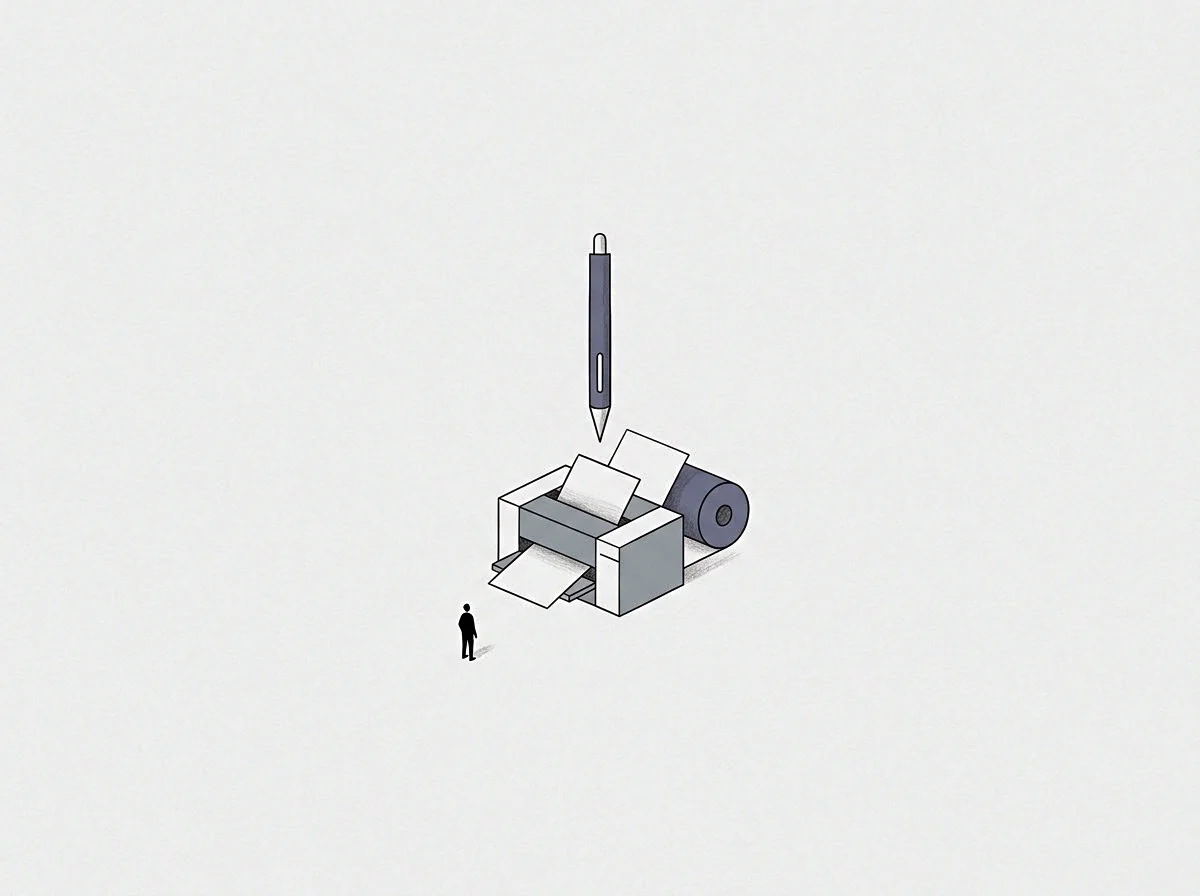
Operational Hard Limits on Hotfix Longevity
Enforcing hard limits on patch survival ensures containment velocity does not permanently erode structural integrity. Systems remain resilient only when engineering teams treat emergency containment as borrowed capacity against future refactoring. When that debt is cleared regularly, mitigation speed and structural endurance improve together.
A system governed by explicit structural budgets handles heavy operational stress without collapsing under accumulated technical debt.