Meaning
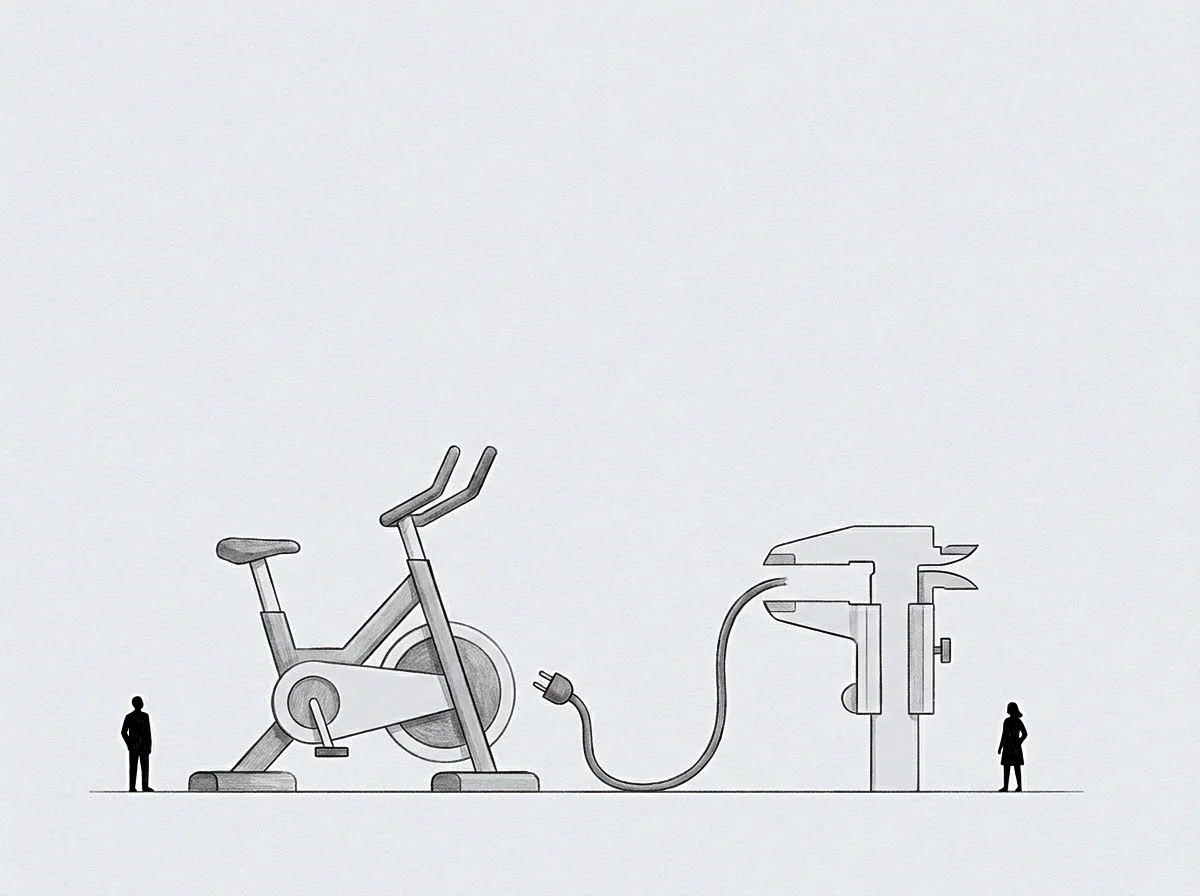
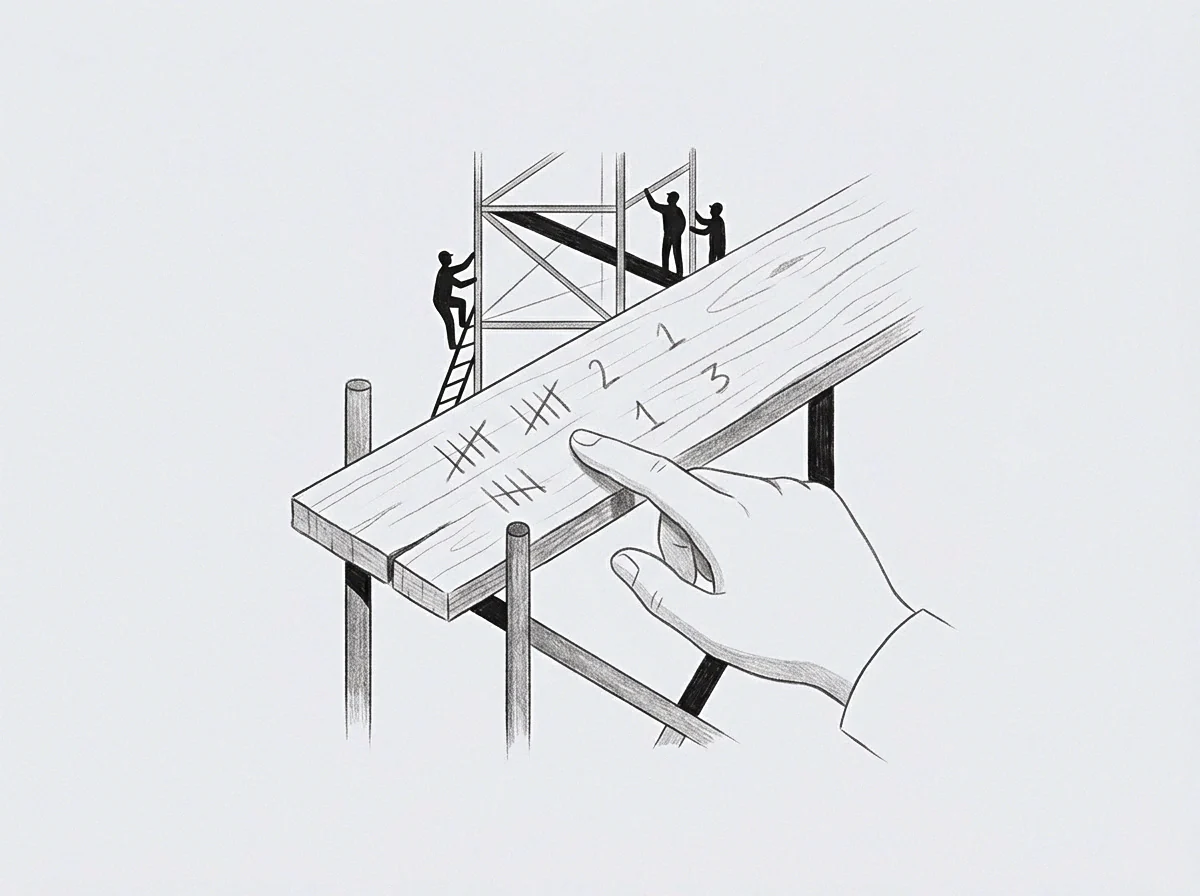
A corrective scalar value functions as the mathematical difference between a target setpoint and an observed system state. An error signal informs the control logic that governs automated adjustments within technical or operational architectures. This discrepancy defines the magnitude and direction of the force needed to return a process to its intended baseline.
Control Deviation
High precision loops rely on these variations to modulate output without manual intervention. The term error signal designates the specific input that triggers an actuator to compensate for drift. When the measured delta reaches a threshold, the system initiates a proportional response to minimize the variance.
Small deviations generate minor adjustments, while significant differences provoke immediate correction cycles.
Loop Dynamics
Stability emerges from the frequency and speed at which the mechanism processes these inputs. A rapid sampling rate prevents the accumulation of lag that degrades long term performance. If the frequency stays too low, the oscillation of the variable increases as the system overshoots the desired target.
Stability requirements dictate the parameters for how often the controller calculates the difference between current status and the goal.
Adjustment Latency
Temporal gaps between the detection of a mismatch and the completion of a corrective action determine the reliability of the entire chain. Delays introduce instability because the system acts on stale data rather than the current condition of the environment. Minimizing the time between measurement and response improves the output of any automated control system.