
Calculating Effective Realized Hourly Yields Against Multi Channel Interruption Overhead
Realized hourly yield divides gross fee by the sum of production hours, direct interruption time, and cognitive recovery residue.
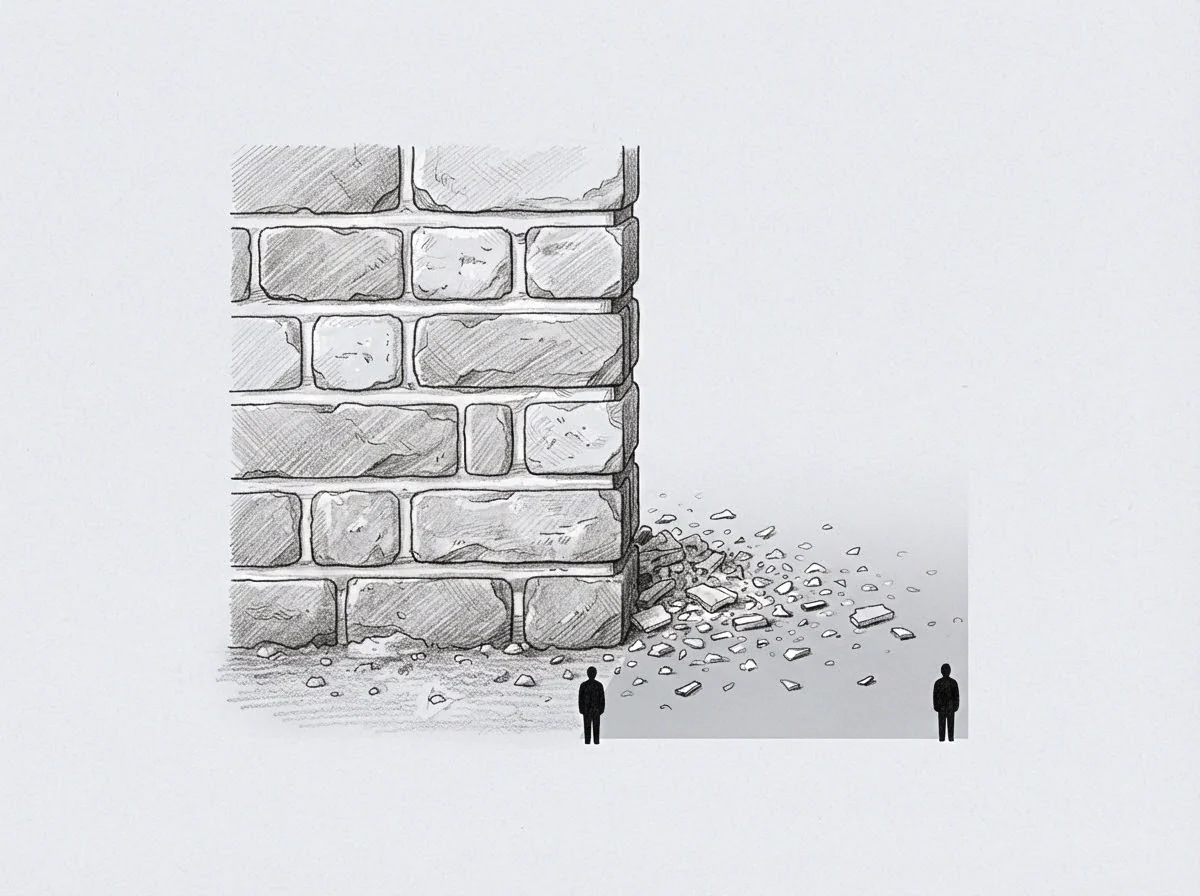
Yield
Nominal hourly fees measure what a client agrees to remit, while realized hourly output measures the financial extraction per unit of expended human energy. A contract specifies two hundred dollars for sixty minutes of specialized exertion. The calendar records forty hours dedicated to that account across five working days.
When those forty hours split across seventy discrete incoming inquiries from chat threads, alert pings, audio calls, and project ticketing queues, the actual production time shrinks to twelve hours of continuous synthesis. The remaining twenty-eight hours vanish into reorienting working memory, parsing fragmented messages, and reconstructing decayed problem states. The operator bills eight thousand dollars for forty recorded hours, producing an apparent rate of two hundred dollars per hour.
The true exertion, including psychological reconstitution and the evening spillover needed to complete deliverables, totaled fifty-five hours. The effective yield collapsed to one hundred forty-five dollars per expended hour.
A contract fixes nominal fees while attention fragmentation determines realized returns.
The timecard records forty hours. The invoice arrives unchanged. When calculations ignore the structural friction between channel volume and cognitive re-engagement, the operator subsidizes the engagement through personal exhaustion.
A nominal rate operates on a cardinal scale, establishing an exchange value in dollars. In contrast, cognitive friction behaves as an ordinal penalty, ranking tasks from accessible to utterly draining. Translating that friction into financial math demands quantifying the exact penalty imposed by fractured working periods.
A professional selling knowledge work frequently sets prices by looking at peer rates or historical benchmarks. The missing calculation traces how many minutes of deep synthesis survive after multi-channel demands siphon the day into shards.
The contract clause specifying guaranteed response windows under thirty minutes is what erodes the effective hourly rate by ninety dollars.
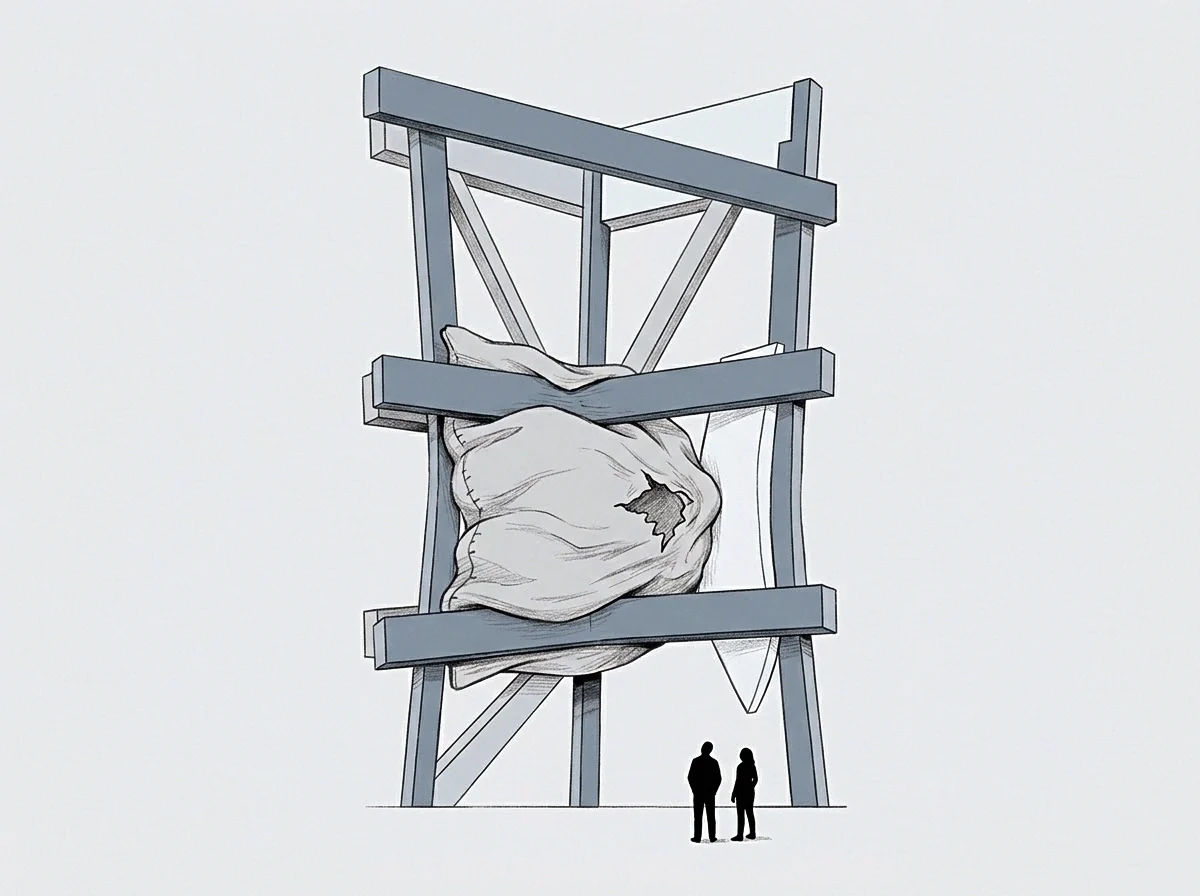
Switch
Every channel switch forces the human brain to discard active cache memory and retrieve an alternate operational state. Cognitive science names this friction attention residue. When an operator leaves a complex financial model to address an alert on an instant messaging client, working memory does not instantaneously pivot.
Traces of the prior problem persist, degrading performance on the new task while delaying resumption of the original duty.
Recovery demands working memory. Field research examining office workers shows that regaining immersion after a complete break averages twenty-three minutes and fifteen seconds. The interruption itself might consume ninety seconds of typed response, yet the attendant drag claims twenty extra minutes of wandering attention, re-reading previous paragraphs, and re-establishing logic trees.
Three brief pings per morning destroy the entire morning block. The day ends with no deliverable finished, forcing deep work into evening isolation.
Resuming interrupted focus consumes tenfold the time taken by the interruption itself.
The penalty compounds across disparate channels because each channel presents distinct sensory and temporal requirements:
- Synchronous Voice Calls consume immediate presence and destroy thirty minutes of preceding preparation along with twenty minutes of post-call cognitive clearing.
- Direct Instant Alerts create persistent hypervigilance, preventing the brain from entering state immersion even during quiet lulls.
- Asynchronous Ticket Comments inject peripheral guilt into ongoing analytical sessions, drawing the eye toward unread counters.
- Automated System Notifications prompt false alarm responses that fracture train of thought without presenting actionable responsibilities.
Every ping splits focus. Attention fragments along channels. The real quotient drops.
When an operator fails to track these overhead penalties, the true expenditure surfaces through persistent schedule slippage, chronic fatigue, and an inability to forecast delivery timelines accurately.

Table
Interruption overhead varies dramatically by medium, urgency profile, and required cognitive depth. A senior consultant billing five hundred dollars per hour faces ruinous yield dilution when exposed to four simultaneous communications streams. Calculating realized hourly output demands measuring direct interruption minutes, residual ramp-up duration, and the resulting hourly yield extraction.

Which Interruption Channel Imposes The Highest Penalty?
Consider an eight-hour working day priced at a baseline rate of one hundred fifty dollars per nominal hour, assuming a standard twelve hundred dollar daily billing baseline. The table below traces how diverse interruption vectors degrade forty-eight hours of nominal weekly capacity into depleted realized hourly productivity.
| Channel Modality | Daily Events | Direct Active Minutes | Residue Overhead Minutes | Effective Productive Hours | Realized Hourly Rate |
|---|---|---|---|---|---|
| Direct Video Calling | 4 | 120 | 90 | 4.5 | $84.30 |
| Instant Messaging Stream | 28 | 84 | 196 | 3.3 | $61.80 |
| Asynchronous Project Tickets | 12 | 60 | 72 | 5.8 | $108.75 |
| Executive Email Threads | 16 | 48 | 96 | 5.6 | $105.00 |
| Mixed Multi Channel Combined | 45 | 180 | 210 | 1.5 | $28.12 |
Context decays within minutes. The data illustrates how an operator subject to forty-five mixed interruptions across eight hours retains only ninety minutes of uninterrupted synthesis. The client extracts eight hours of availability while receiving ninety minutes of concentrated output.
The operator absorbs three hundred ninety minutes of switching friction without billing for the cognitive exhaustion incurred.
The client states that immediate access throughout business hours constitutes the primary reason for hiring outside specialists.
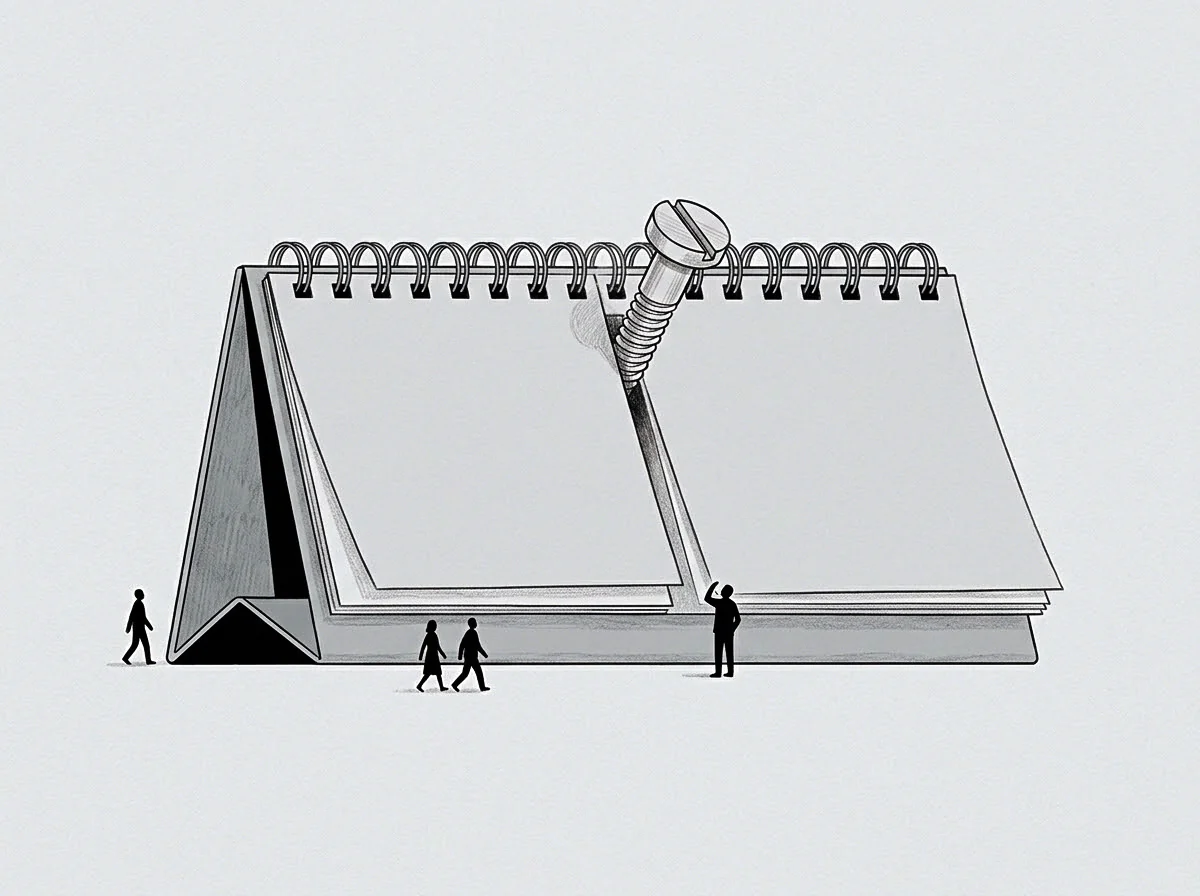
Vector
Yield calculations fail when analysts treat hours as identical interchangeable units. Exertion moves along a multi-variable path. Time spent, cognitive energy drawn down, attention consumed, and psychological recovery all carry distinct weights.
An hour spent in flow state on architecture design yields high output and leaves capacity intact. An hour spent toggling between twelve client chat windows and an invoice review drains entire energy reserves while returning zero finished work. The physical cost lands squarely on personal capacity.
The silent backlog grows. To quantify the actual economic yield, the operator uses a five-stage deduction sequence that isolates realized value from nominal appearances:
- Nominal Revenue Base tracks the gross fee billed across the target billing cycle.
- Channel Interruption Summation records total logged minutes spent reading, drafting, and triaging secondary communication channels.
- Residue Factor Application multiplies channel incidents by the empirically grounded fifteen-minute recovery coefficient to compute hidden overhead.
- Realized Capacity Extraction subtracts direct interruptions and attention residue from total logged engagement hours.
- True Yield Division divides nominal revenue by the sum of realized hours and personal recuperation time.
The calendar remains crowded. The client pays thirty dollars. The operator loses two hours.
Mathematical modeling of this sequence reveals an exponential decay curve. Yield does not fall linearly with alert volume. As channel frequency passes six events per hour, the gaps between interruptions fall below the threshold required to achieve immersion.
Production drops to near zero, regardless of nominal intelligence or work ethic.
Total cognitive collapse occurs whenever the interval between incoming alerts falls below the mental recovery threshold.
The rate collapses inward. Whether an operator can sustainably operate asynchronous client relationships without surrendering the premium pricing attached to real-time responsiveness remains unsettled.

Price
Converting cognitive friction into cardinal prices allows operators to protect working hours from unchecked erosion. If immediate responsiveness is demanded, that responsiveness must be priced as a dedicated availability service rather than hidden inside an hourly production rate. An operator who charges two hundred dollars per hour for uninterrupted technical writing must establish a separate price schedule for real-time consultation and channel presence.
The seat grows heavy. Messages accumulate without warning. When clients purchase continuous real-time access, they purchase the destruction of deep production blocks.
Charging four hundred dollars per hour for reactive communication compensates for the collateral damage inflicted upon the remaining work hours. The operator states the rate structure early, preventing unstated obligations from transforming into uncompensated overtime.
A simple operational guideline governs the transition: protect the primary production block first, and bill availability as an extraordinary operational premium.