
Converting Ordinal Capacity Loss into Cardinal Retainer Surcharges for Enterprise Accounts
Translating qualitative operational strain into cardinal retainer surcharges requires mapping internal account drag against contractual baseline limits.

Floor
An enterprise account absorbing twelve unbilled technical reviews and daily emergency meetings creates immediate operational friction. Meanwhile, a standard client paying the identical monthly fee absorbs two routine syncs. Enterprise accounts consume attention unequally.
Service teams feel this operational imbalance immediately across their engineering sprint cycles.

Engineering Drag on Recurring Enterprise Contracts
High-touch clients often absorb engineering hours, architecture reviews, and senior leadership time. Account managers rank these commitments internally on an ordinal scale of relative difficulty. Account A demands more operational attention than Account B, which consumes more focus than Account C. Ordinal scales rank internal friction.
These rankings capture the directional sequence of strain without measuring exact financial value.
Flat monthly invoices disguise internal friction vectors by imposing a single cardinal price on unequal operational commitments. Cardinal prices demand explicit numbers. Converting ordinal capacity loss into a cardinal retainer surcharge addresses this discrepancy directly.
Unbilled reviews erode operational margins. When internal capacity drains into unmonitored enterprise support, software delivery velocity slows across the entire organization.
When operational strain ranks higher than contractual boundaries, unbilled engineering hours absorb profit margins.
Allowing high-drag enterprise clients to consume unscheduled operational capacity distorts resource planning. Engineering leaders reassign developers from core product features to patch custom client requests. The internal cost vector rises on hours spent and attention consumed, while the nominal retainer fee remains unchanged.
Failing to convert this qualitative operational drag into an explicit retainer surcharge leaves service delivery teams permanently overcommitted, reducing delivery quality for zero-friction accounts across the portfolio.

Burden
Service teams frequently experience operational strain long before financial metrics reveal margin erosion. Operational drag shifts team focus. An internal ranking of account friction provides early signals of resource misallocation across client tiers.

Quantifying Relative Strain Across Client Tiers
Operational teams often attempt to convert qualitative friction into billing adjustments by applying arbitrary hourly surcharges. Procurement resists subjective fee increases. Enterprise client representatives routinely reject unstructured claims of team exhaustion during renewal negotiations.
Measuring capacity loss demands a structured conversion methodology.
Capacity loss remains invisible without metrics. Account leads track weekly intervention counts. Evaluating account friction requires measuring unexpected engineer interventions, executive escalation requests, and out-of-scope architectural reviews.
Documenting these operational inputs provides the empirical foundation for retainer recalibration.
| Tier Classification | Monthly Review Limit | Executive Intervention Count | Ordinal Drag Score | Retainer Fee Adjustment |
|---|---|---|---|---|
| Standard Account | Two sessions | Zero instances | Low friction | Base retainer fee |
| Managed Enterprise | Four sessions | Two instances | Moderate strain | Ten percent surcharge |
| High Friction Enterprise | Eight sessions | Six instances | Severe friction | Twenty five percent surcharge |
Establishing clear operational baselines allows service organizations to categorize accounts objectively. High friction enterprise clients absorbing double the baseline operational review volume land in higher adjustment tiers. The operational data transforms qualitative friction rankings into defensible commercial adjustments.
A team ranking internal friction defines standard operational thresholds before requesting retainer fee increases.

Index
Translating qualitative operational metrics into contractually binding fee adjustments requires clear measurement thresholds. The contract fixes the baseline. Retainer surcharges rely on established triggers that automatically activate when account friction exceeds baseline allowances.
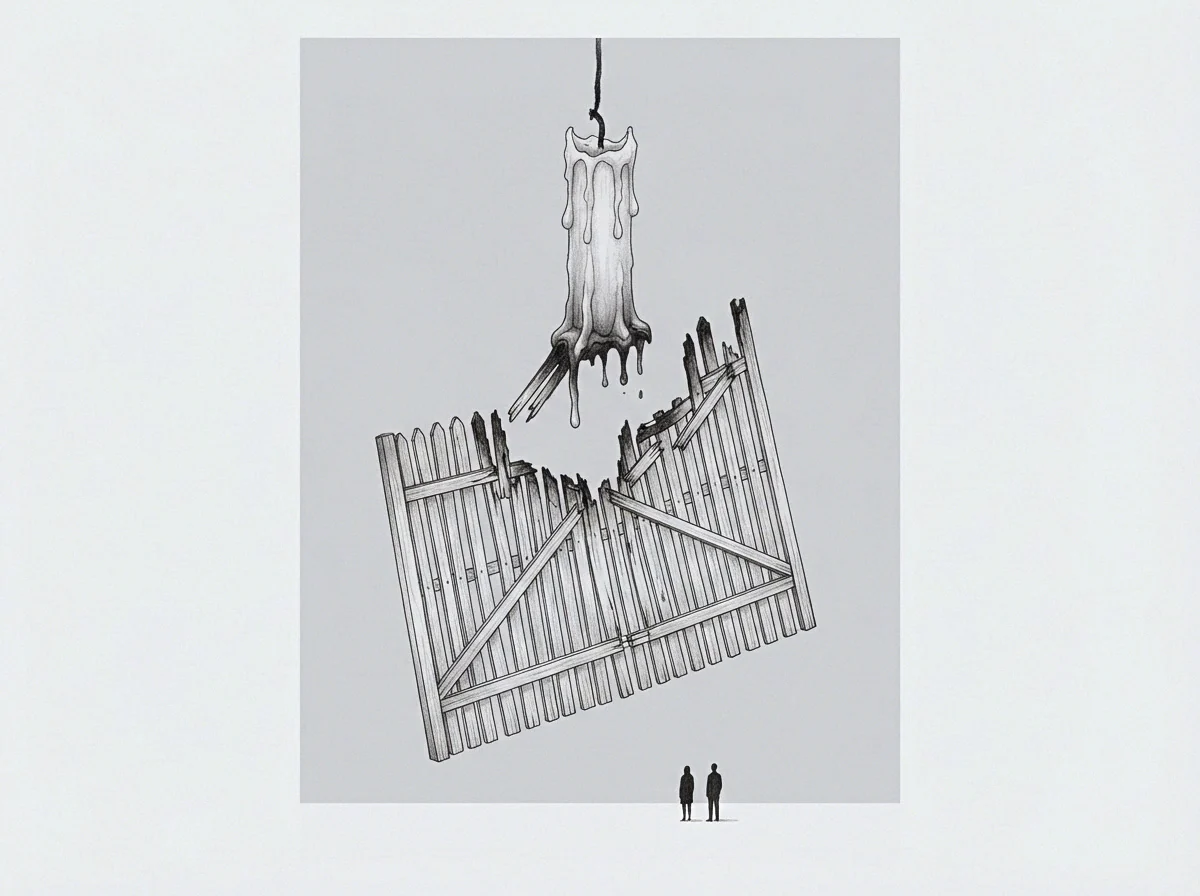
How Does Untracked Scope Escalation Compel Fee Conversion?
Unplanned client requests erode operational velocity when left unmonitored. Friction rankings guide pricing adjustments. Tracking account strain through explicit indices allows account managers to demonstrate resource displacement clearly.
- Escalation Velocity Threshold defines the allowable number of emergency executive interventions before incurring fee adjustments.
- Executive Time Toll tracks senior leadership hours diverted from product strategy to account remediation.
- Sprint Interruption Frequency counts mid-cycle priority changes that force software developers to alter planned deliverables.
The surcharge restores margin balance. Account managers present empirical friction metrics during mid-term contract reviews. Enterprise clients accept predetermined billing adjustments when scope metrics appear alongside verifiable intervention data.
Retainer surcharges execute automatically once unbilled executive hours cross the stated threshold.
Enterprise procurement teams accept fee adjustments supported by contractual performance records, while rejecting informal requests based on operational difficulty.

Tariff
Formalizing surcharge mechanics within commercial agreements protects account profitability. Clear terms eliminate back-end arguments. Master services agreements specify baseline support limits while establishing secondary surcharges for extra-contractual demand.
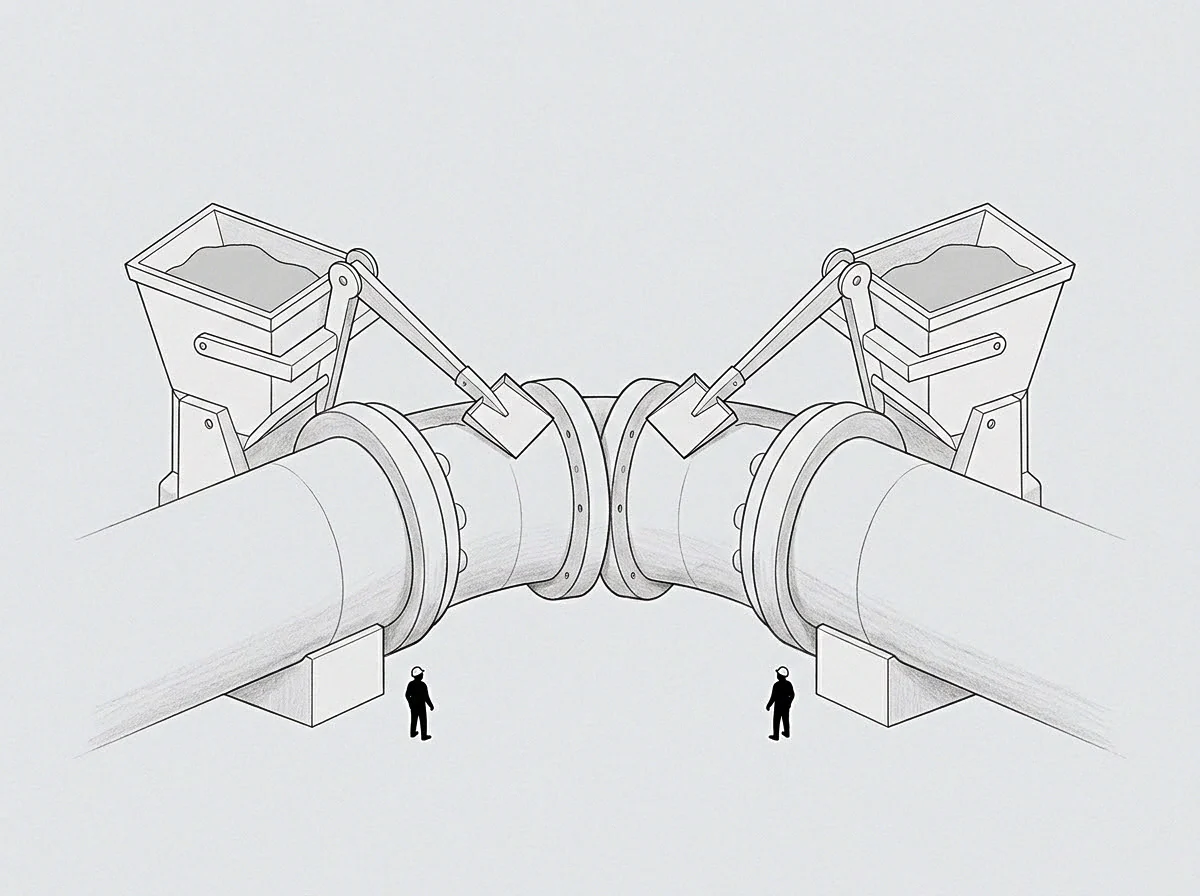
Contractual Clauses for Automated Retainer Adjustment
Master services agreements define standard operational parameters while establishing explicit surcharges for extra-contractual demand. Stating surcharge conditions early protects account margins during annual contract renewals.
- Document all unscheduled technical reviews across a ninety day baseline window.
- Map cumulative engineer interventions against contractually defined tier allowances.
- Issue formal surcharge notification upon reaching secondary strain limits.
Contractual retainer surcharges shift the commercial conversation from subjective workload complaints to objective contract enforcement. Defining operational threshold breaches inside master services agreements converts unbilled capacity loss into automatic retainer adjustments.
Early contractual clarity regarding scope limits prevents end of year renewal disputes.
The secondary retainer surcharge clause specifies that exceeding eight monthly engineering reviews automatically adds a fifteen percent operational surcharge to the subsequent billing cycle.

Shelf
Sustainable operations preserve engineering capacity by converting internal friction vectors into predictable commercial retainers. Organizations that enforce capacity-based surcharges maintain operational velocity across their entire client base.

Long Term Account Governance and Portfolio Stability
Attention allocations determine portfolio velocity. Enterprise service providers manage capacity effectively by auditing client drag continuously. Retainer adjustments require documented thresholds.
Systematic conversion of qualitative capacity loss into cardinal retainer surcharges creates a self-balancing portfolio. Enterprise clients elect to reduce unscheduled escalation requests or pay the corresponding retainer surcharge. Commercial clarity aligns client demands with operational capacity, preserving delivery quality and team focus across all enterprise accounts.