Meaning
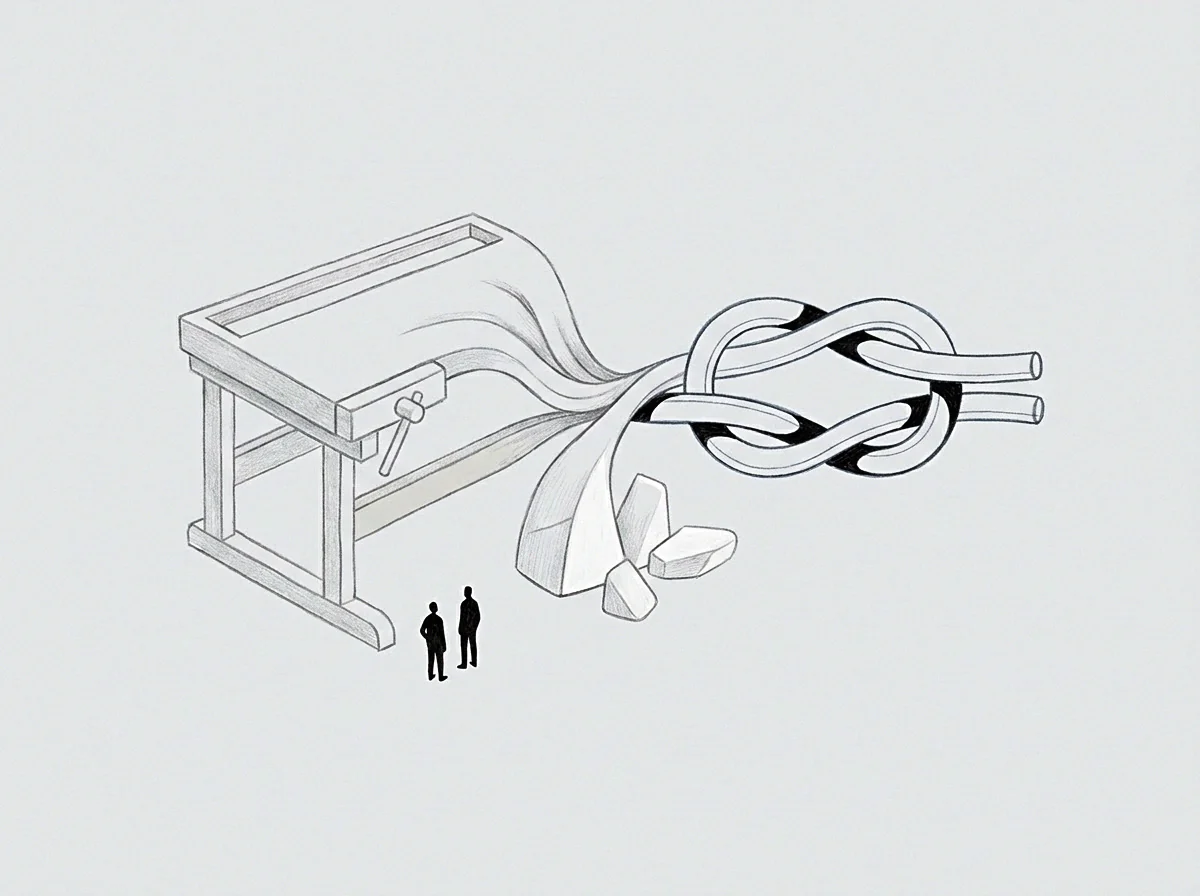
Increased resource expenditure relative to output defines operational drag. This condition emerges when the administrative burden of scaling a venture exceeds the gains from additional internal headcount or procedural complexity. Friction between legacy workflows and new requirements creates this latency within an organization.
It functions as a negative coefficient on efficiency by absorbing capacity that otherwise goes toward core product advancement.
Growth Impediment
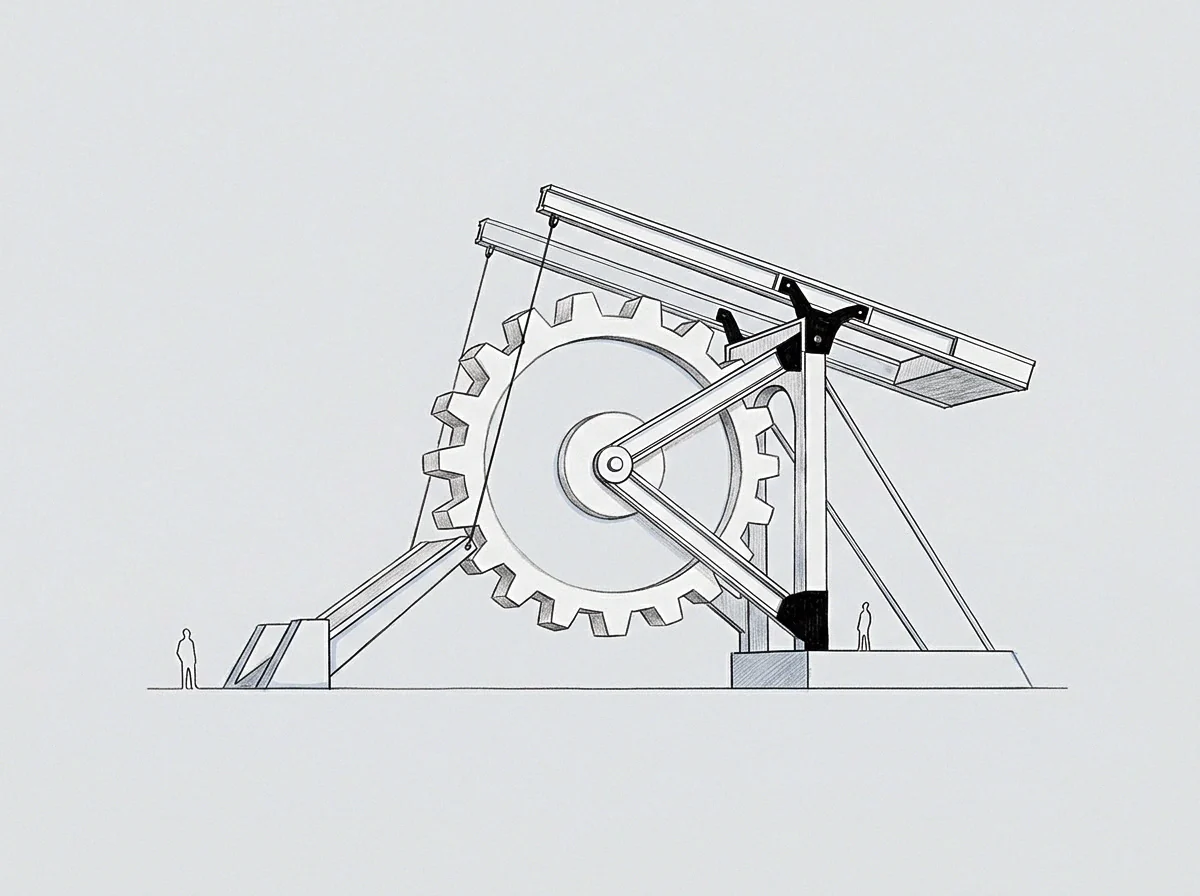
Internal friction increases when communication channels multiply beyond the capacity of existing management hierarchies to process data. Founders observe this phenomenon through the widening gap between the time committed to meetings and the time spent on productive output. Each new person added to the staff requires coordination overhead that grows nonlinearly as the team expands.
Organizations hit this wall when the complexity of reporting lines outweighs the benefits of specialization.
Efficiency Metric
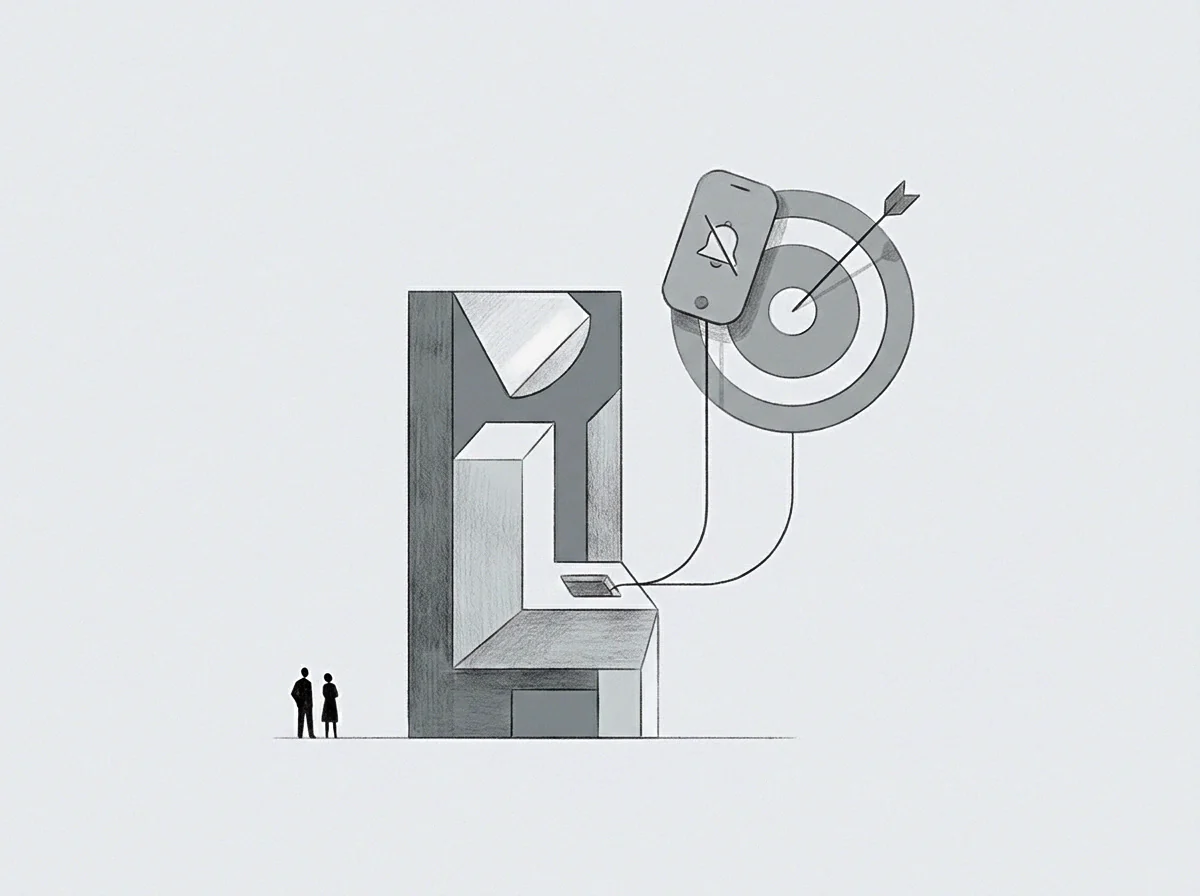
Measurement of this drain requires a cardinal scale comparing total hours spent on coordination against the hours dedicated to direct value creation. A high ratio indicates that the internal structure inhibits performance rather than supporting it. Management teams track the delta between actual output and projected capacity to identify the specific processes triggering the decline.
Decisions to prune departments or modify communication protocols arise from this quantitative assessment.
Boundary Condition
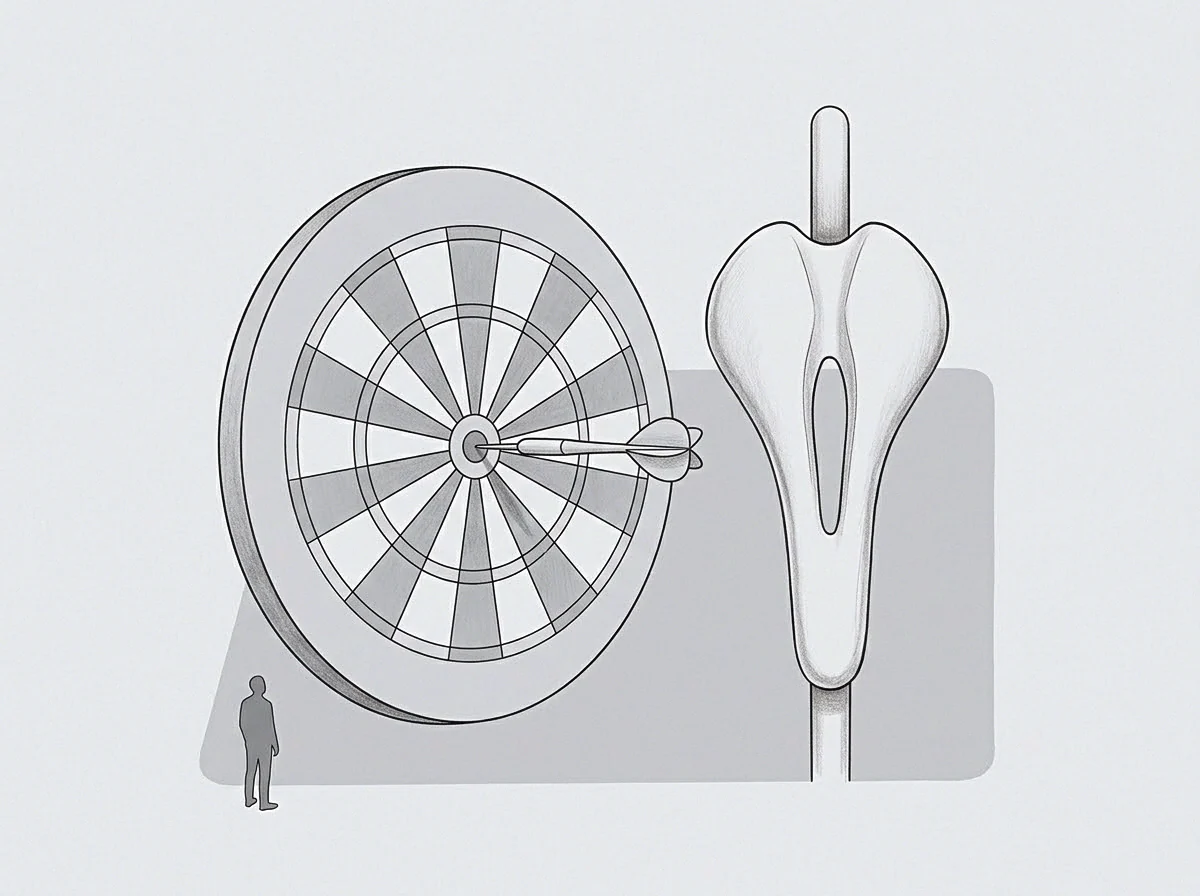
Operational drag exists only where work contributes to internal maintenance rather than external market value. It ceases to apply when organizational processes align perfectly with production needs, though such states remain theoretical in professional settings. This variance represents a physical constraint on how large a team can grow before the structure starts to cannibalize its own resources.
Constant monitoring prevents the accumulation of processes that hinder speed without producing commensurate output.