
Decomposing Internal Effort Vectors for Fixed Price Agreements
Fixed price contracts translate multi-axis internal labor expenditure into a single static figure that shifts operational variance onto the delivery team.
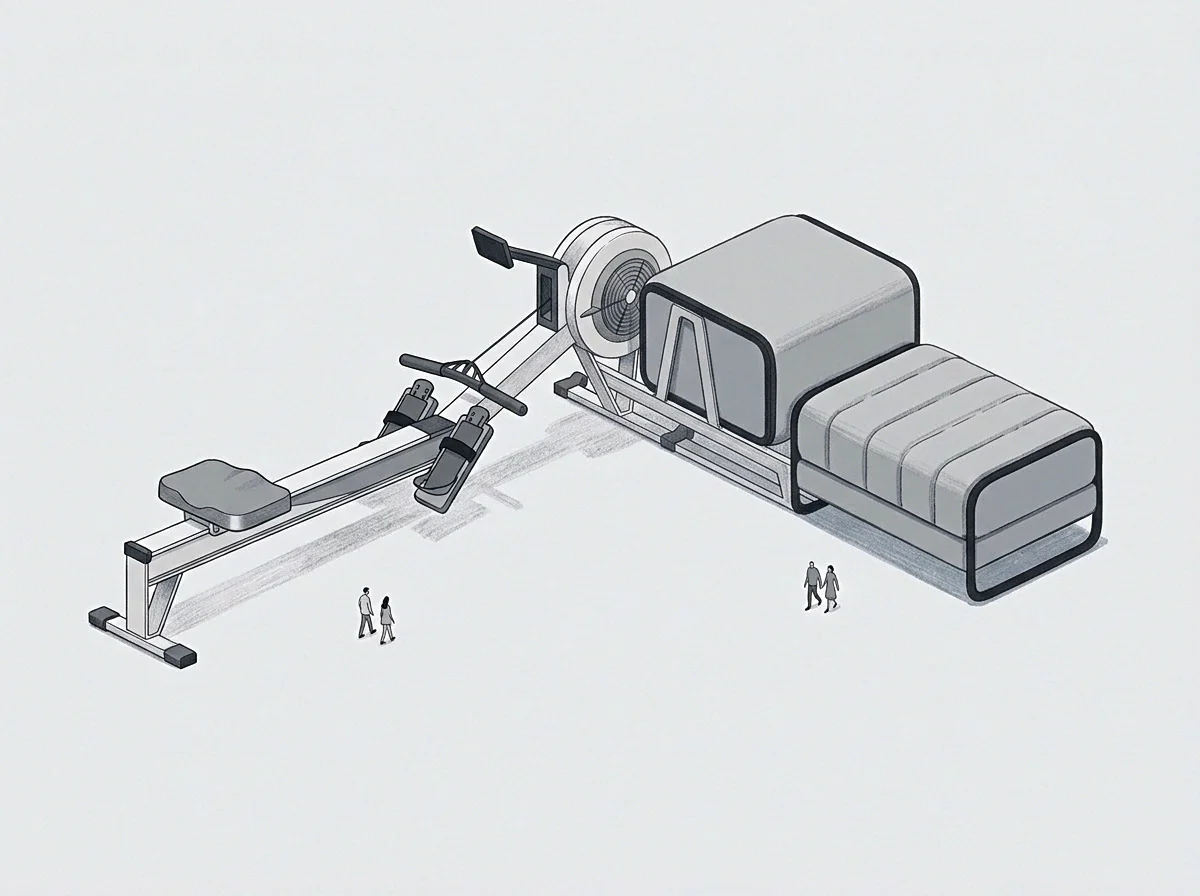
Count
A client signs an agreement specifying twelve distinct functional deliverables for eighty thousand dollars. Three months into the schedule, nine items stand completed, yet four engineers report eighty-hour weeks and unaddressed technical flaws accumulate across the repository. The accounting records display positive cash flow, while the internal human capacity of the studio experiences acute depletion.

Fixed Deliverables and Internal Drain
The cardinal price of a commercial contract registers as a single monetary figure on an invoice. Internal operational expenditure consists of multiple concurrent strains that move along separate axes. When an organization enters a fixed price agreement, the external financial figure remains static while internal commitments fluctuate across time, focus, and physical stamina.
Technical teams commit unplanned hours to satisfy ambiguous acceptance criteria. The monetary balance sheet shows revenue matching milestones, masking the erosion of engineering reserves. A contract priced on expected labor hours invariably encounters unforeseen revision rounds that consume cognitive attention without producing billable increments.
A fixed fee agreement transfers variance directly to the contractor when delivery definitions omit operational boundaries.

The Cardinal Quote Against Ordinal Strain
Financial transactions require cardinal numbers to clear bank transfers. Organizational survival depends upon reading ordinal strain across distinct operational components. One project demands eighty hours of straightforward execution with minimal administrative friction.
A second project demands eighty hours of contentious stakeholder negotiations paired with conflicting change tickets.
The contractor expends vastly divergent quantities of emotional energy, calendar availability, and technical attention across the two engagements. Treating both contracts as identical because each yielded eighty thousand dollars produces severe misallocations of future staffing.
Failing to separate these internal expenditure paths leaves the contractor absorbing compounded operational attrition while reporting an illusory accounting profit on paper.

Load
Engineering teams divide daily energy between primary task execution and administrative friction. Fixed price engagements introduce systemic pressure to absorb auxiliary duties quietly to protect agreed project margins.

Directed Energy and Residual Attrition
Direct production hours represent visible labor spent building requested modules. Residual operational drag captures the unrecorded cognitive tax of navigating client meetings, adjusting to revised priorities, and verifying contradictory specifications. This auxiliary drag diminishes the team’s ability to maintain codebase integrity.
When a client requests four minor interface adjustments during an informal phone call, the task appears negligible on a weekly timesheet. The contextual disruption fractures an entire afternoon of technical design, forcing complex problem solving into evening hours.
An unqualified revision clause converts ordinary client indecision into compounding unbilled engineering time.

Allocation of Attention Across Deliverables
Attention behaves as a finite perishable pool rather than an infinitely divisible resource. Fixed price commitments frequently dilute attention across peripheral support issues at the expense of structural system architecture.
- Attention fragmentation scatters senior engineering focus across concurrent administrative inquiries and edge cases.
- Context reload drag consumes multiple unbilled hours whenever a developer resumes work after client review pauses.
- Defensive documentation overhead forces workers to generate detailed audit logs simply to contest disputed scope items.
The vendor expends senior technical talent resolving trivial user feedback to prevent invoice disputes. Meanwhile, foundational architecture receives minimal scrutiny, guaranteeing operational volatility during later deployment stages.
The agreed price covered the delivery of the complete system, regardless of how many internal hours the vendor spent assembling the components.

Shelf
Postponed technical obligations gather dust inside project management repositories. Organizations routinely park unresolved architectural defects on backlog boards to meet rigid commercial milestone dates.

Latent Commitments Stored in Scope
Backlog items represent deferred operational debt that extracts ongoing cognitive rent from product owners. Every postponed bug fix or incomplete integration requires continuous mental tracking during sprint planning sessions. This latent inventory degrades overall team velocity across successive quarters.
The team deposits unresolved client tickets into an informal backlog queue to avoid direct commercial disputes. This practice creates an expanding registry of ambiguous commitments that the client expects delivered before final project sign-off.
Scope defined by output volume penalizes operational efficiency.
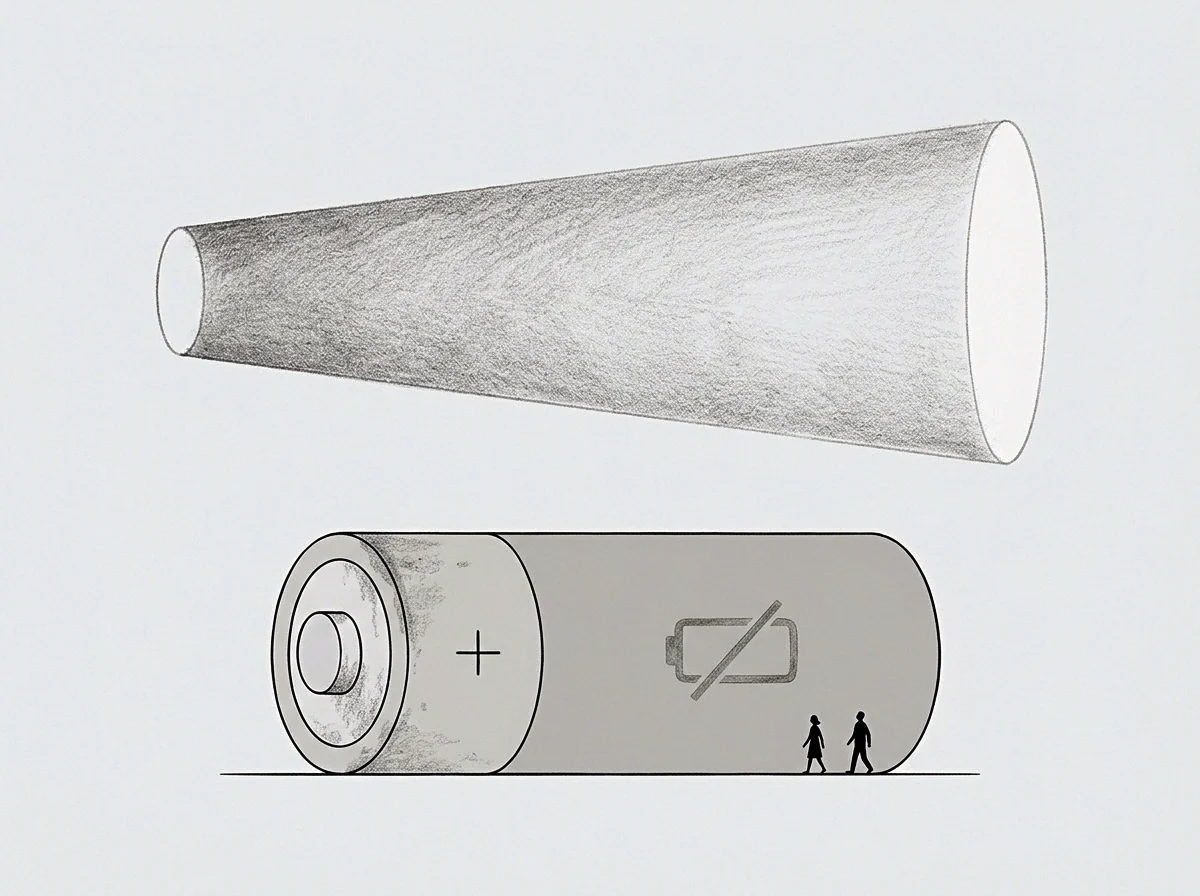
Decay of Retained Context Over Months
Postponed engineering tasks become significantly more expensive to resolve as calendar time separates the developer from original design choices. A code patch that requires thirty minutes during active development demands six hours of diagnostic verification three months later.
- Artifact stabilization pins code branches into temporary freezes that halt secondary pipeline enhancements.
- Speculative refactoring exhausts testing capacity before external user acceptance testing begins.
- Compensatory support drains field technicians when clients delay training their own operations staff.
Technical debt compounds behind closed conference doors while project leads scramble to satisfy surface acceptance criteria. The vendor pays in exhaustion.
Unscheduled commitments kept on hold consume attention at the rate of active production.

Shift
Commercial risk relocates between counterparty commitments based entirely on contractual payment structures. Fixed price arrangements insulate the buyer from production variance by placing all operational ambiguity onto the seller’s workforce.

Structural Variance Between Contract Models
Fixed fee arrangements establish an absolute ceiling on vendor compensation alongside an open-ended delivery expectation. Time and materials agreements distribute the financial impact of scope revisions proportionally between parties. The structural divergence between these two approaches alters how teams manage technical trade-offs.
In manufacturing facilities, introducing unexpected tooling requirements halts assembly lines until an updated purchase order clears billing departments. Software services contracts frequently lack equivalent operational physical halts, permitting clients to extract substantial incremental labor without issuing contract modifications.
| Expenditure Category | Fixed Price Structure | Capped Drawdown Structure |
|---|---|---|
| Direct Engineering Attention | Absorbed entirely by contractor through unpaid overtime | Billed against available hourly allocation pool |
| Specification Clarification Overhead | Treated as routine administrative vendor overhead | Tracked as billable project governance time |
| Unscheduled Rework Volume | Reduces net operational margin toward negative territory | Triggers milestone reprioritization discussions |
| Context Switching Friction | Borne silently by individual technical contributors | Managed through explicit sprint reallocation penalties |

Reassignment of Unbilled Labour Hours
When deliverables expand without monetary adjustments, management reassigns unallocated internal hours from internal product exploration to client crisis mitigation. This hidden subsidy starves internal corporate initiatives of skilled staff.
Experienced engineers recognize when fixed price deadlines require chronic unpaid evening labor to compensate for poorly bounded initial agreements. The loss of key staff permanently impairs the studio’s technical baseline.
Teams exhaust their highest skilled talent on standard maintenance tasks to maintain agreed delivery dates.
Contract managers celebrate delivering a project within thirty dollars of the contracted budget target. The true organizational cost appears months later as delayed internal product rollouts and depleted staff morale.
A formal clause specifying bilateral change authorization with mandatory billable estimation increments stops discretionary client scope expansions from consuming unallocated vendor hours.

Sum
Reconciling internal operations requires looking beyond cardinal revenue tallies to assess cumulative system depletion. Long-term commercial sustainability depends on measuring what an engagement extracts from human and technical foundations.
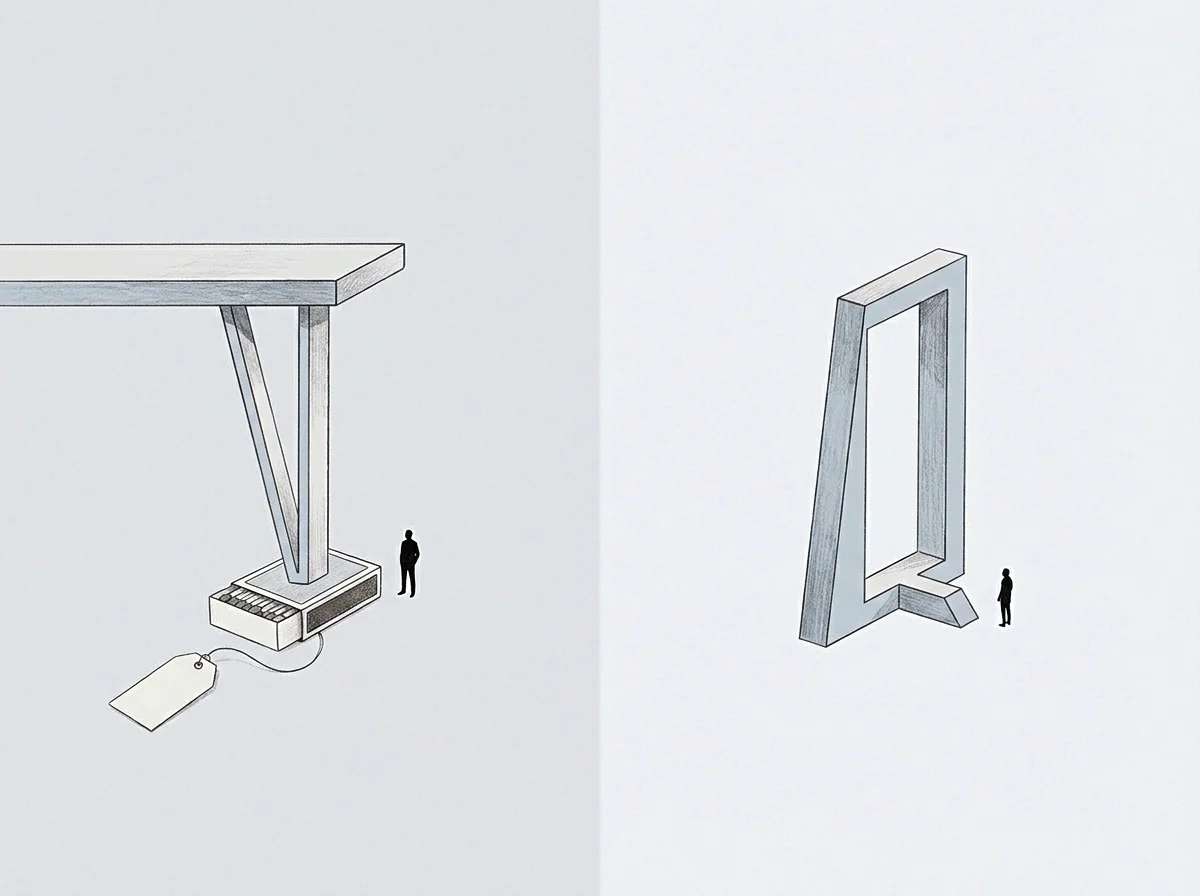
Vector Terminal States and Balance Points
Every commercial commitment concludes in a multidimensional operational state. One axis records monetary net profit. Secondary axes record team morale, codebase resilience, client relationship friction, and deferred architectural stability.
Examining financial cash receipts in isolation misrepresents the contract’s net institutional impact.
A contract that records twenty thousand dollars in nominal accounting profit while causing two senior architects to resign leaves the enterprise structurally compromised.
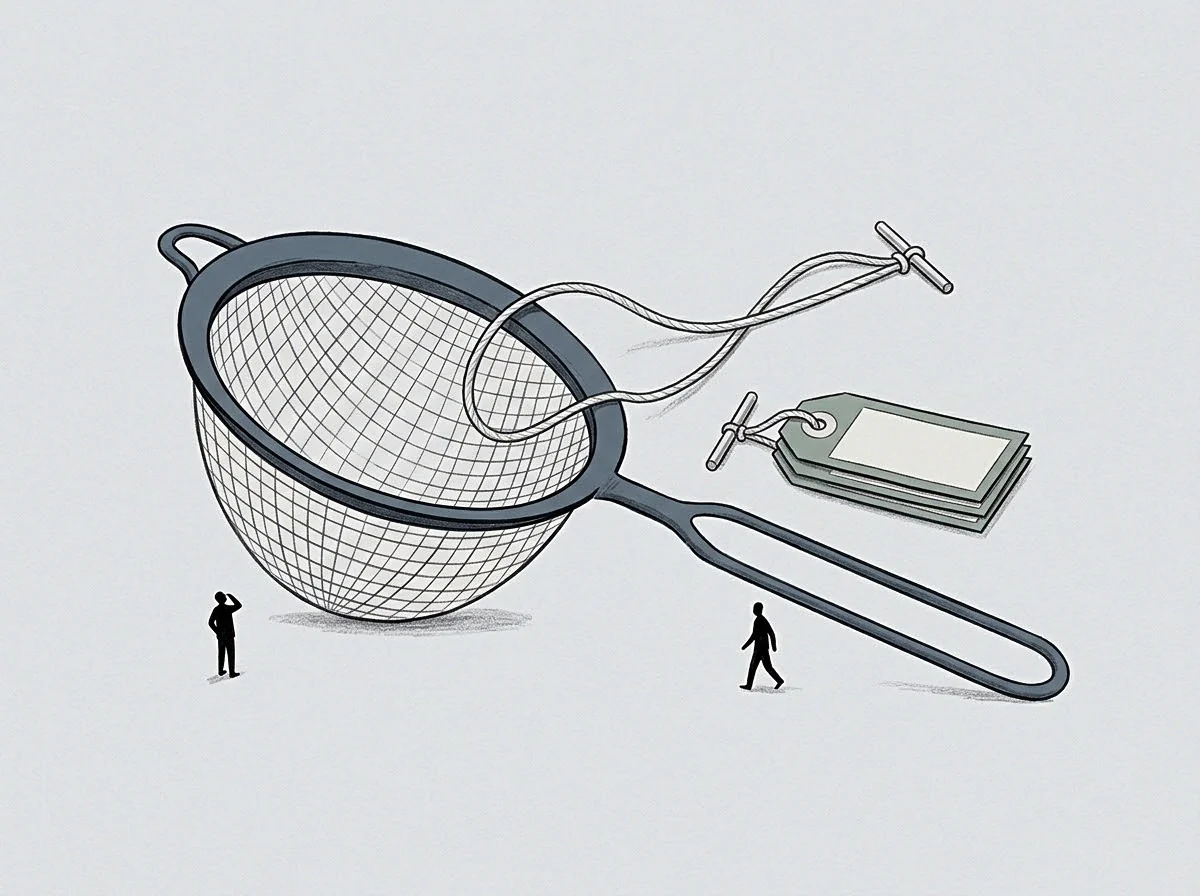
Settlement of Extended Commitments
Closing out fixed price software deliveries requires an objective evaluation of residual obligations. Extended warranties, informal ongoing technical support, and unbilled server administration quietly prolong project exposure well past initial commercial closure dates.
An organization that prices future fixed engagements strictly upon historical hourly averages repeats past miscalculations. Proper operational planning separates pure execution hours from the contextual drag, administrative friction, and cognitive fatigue that accompany rigid commercial constraints.
Whether an organization can construct an internal measurement system that captures cognitive fatigue and delayed maintenance before contract execution sets the terminal dollar price remains an active dilemma across the industry.