
Evaluating Internal Vector Gradients When Net Operating Cash Reaches Thresholds
Net operating cash thresholds mask internal vector decay when routine service fulfillment consumes technical attention and halts skill acquisition.
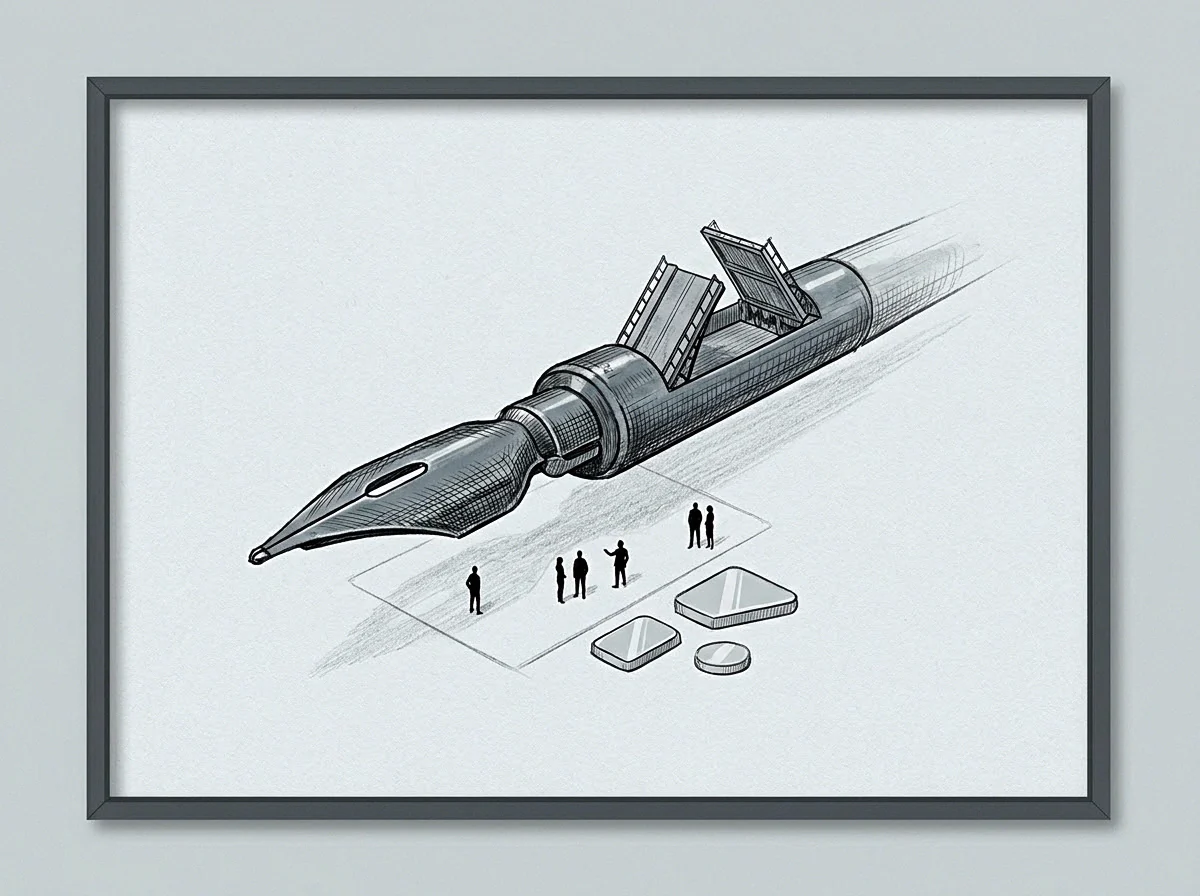
Solvency
A bank ledger records a single scalar quantity, but an operating team burns energy in several directions at once. The cash balance tracks deposits and withdrawals over the month without reflecting whether technical skill, physical endurance, or discretionary focus are accumulating or running down. Reaching breakeven introduces an institutional blind spot: the absence of external capital calls looks like stability, even as delivery workloads steepen to satisfy client billing schedules while collections lag.
Once net operating cash turns positive, financial solvency becomes the primary lens for judging performance, concealing the operational compromises behind it. Generating that operational income usually requires routine configuration, support calls, and urgent bug fixes that stall core architectural work. The bank balance can continue climbing even as internal capacity erodes.
A sustained influx of customer revenue accelerates internal asset depletion when delivery terms outpace operational capacity.
The gap stems from the distinction between cardinal price and ordinal cost. Price is the explicit total on invoices and financial reports. Cost is the multidimensional burden absorbed by the team: forfeited calendar hours, fragmented cognitive focus, and technical flexibility surrendered to hit immediate invoicing targets.
A transaction yielding thirty thousand dollars of net cash can carry a steep internal deficit. While the founder reads the cash balance as proof of viability, an engineering team putting fifty-five hours a week into routine maintenance experiences it as stagnation. Teams that confuse a positive balance with operational durability discover their depleted stamina when contract renewals collide.
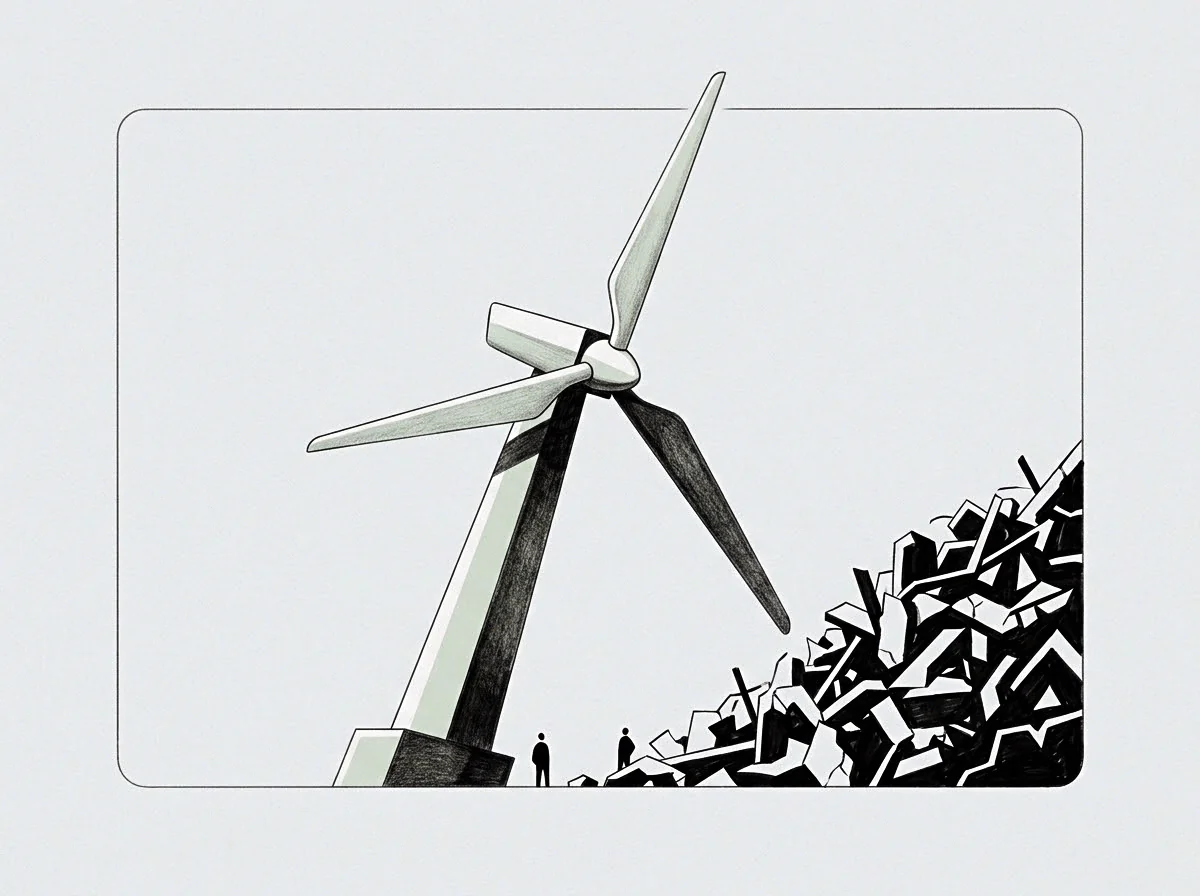
Hours
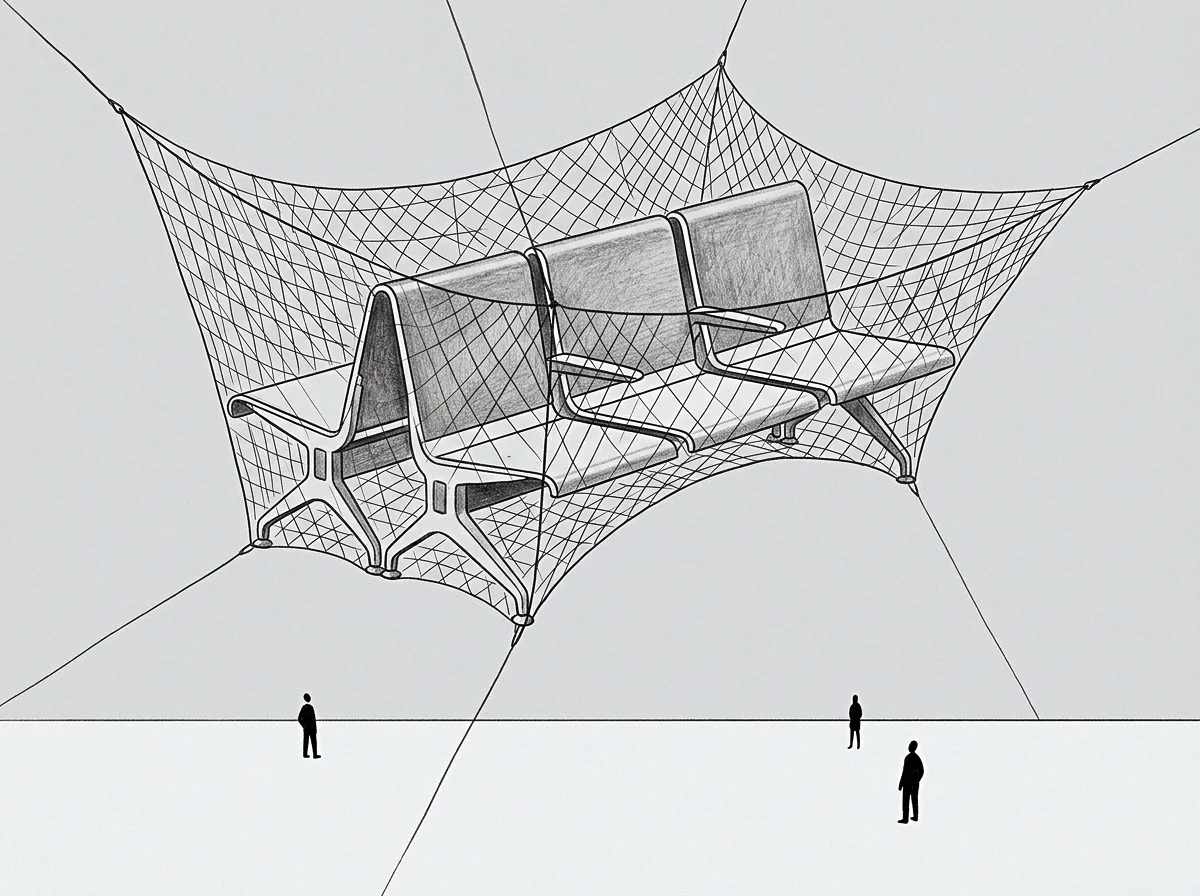
Multi Component Expenditure Decomposition
Work draws on distinct personal resources that recover at different rates. Evaluating operational load requires breaking aggregate hours into their actual demands. A four-hour block spent troubleshooting customer database permissions consumes far more cognitive reserve than four hours spent writing clean architectural code.
Once net operating cash reaches parity, routine maintenance schedules steadily consume the discretionary blocks reserved for engineering.
- Allocated weekly attention drains into client maintenance rather than tool building.
- Technical skill velocity flattens when repetitive delivery replaces novelty across quarterly cycles.
- Physical human endurance suffers steady erosion when recurring revenue demands perpetual coverage without relief, leaving teams unable to take necessary breaks.
- Internal operational capacity shrinks as administrative overhead accumulates around each closed invoice.
These expenditure categories follow independent trajectories. Currency reserves can accumulate while technical capability remains stationary. Gauging stability solely through financial metrics overlooks the negative slope across cognitive assets.
Laboratory research on task switching shows that alternating between operational interruptions and deep analytical work carries heavy performance penalties. Those findings rely on reaction-time trials in controlled environments, and commercial field data could adjust those boundaries if workflow automation offsets the penalty.
Internal capability expands only when time spent on unbilled technical exploration outpaces the demands of billable client maintenance.

Tank

Reservoir Buffers and Signal Distortion
Accumulated cash acts as a dampener across operating systems. In municipal water networks, an elevated pressure tank smooths pipe oscillation while concealing downstream fractures by equalizing flow rates until a rupture occurs. Capital reserves follow the same mechanics.
A buffer of operating cash absorbs external revenue shocks while hiding the progressive decay of internal development velocity.
An unstated service scope converts positive bank balances into permanent evening shifts.
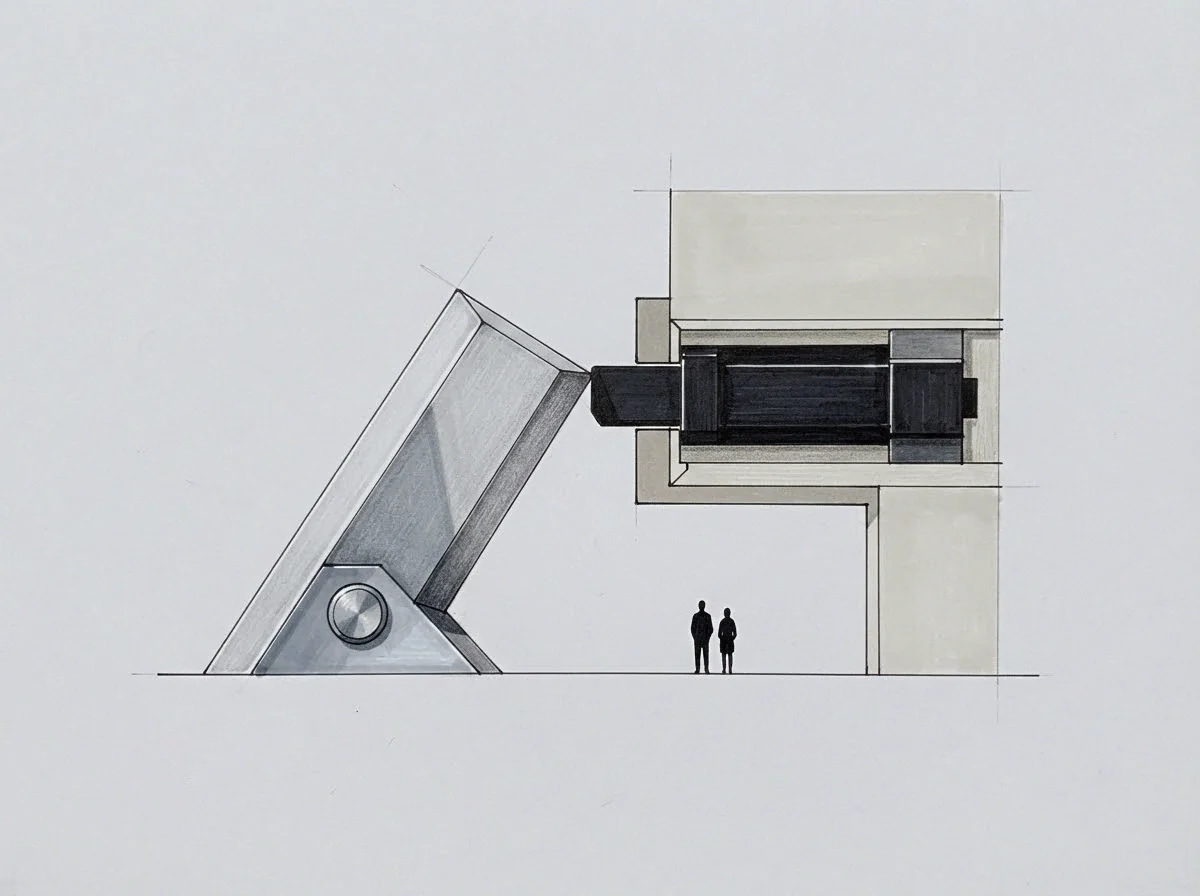
Does Positive Capital Flow Mask Operational Exhaustion?
Surplus cash postpones feedback by paying to absorb friction. When code quality drops under delivery pressure, profitable businesses hire contractors or buy third-party integrations to patch the gap. That transaction preserves the appearance of progress, but it introduces architectural complexity that falls back on the core staff.
- Initial liquidity clearance removes immediate insolvency threat while exposing underlying structural strain across product pipelines.
- Capacity saturation arrives when contract commitments consume all daylight periods without yielding reusable intellectual capital.
- Terminal vector flattening occurs when skilled builders spend entire quarters defending past deliverables instead of constructing durable improvements.
Contractual commitments impose response tempos that dictate calendar schedules. A guaranteed response window of four hours forces engineering from deliberate design into continuous triage.
Variance
Phase Transition Regimes
Operational dynamics shift sharply at the zero-cash threshold. Running at a deficit, an organization trades investor capital for product capability, absorbing cash burn to build proprietary advantage. Once customer revenue covers operations, client requirements seize control of everyday priorities, crowding out technical experimentation and skill acquisition.
| Operational Dimension | Deficit Operating Regime | Surplus Inversion Regime |
|---|---|---|
| Skill Acquisition Rate | Rapid expansion through custom experimentation | Severe deceleration under standardized delivery contracts |
| Discretionary Attention | High autonomy directed toward product architecture | Zero slack absorbed by service commitments |
| System Capacity Depletion | Acute strain buffered by equity incentives | Chronic depletion uncompensated by cash reserves |
| Decision Gradient Direction | Steep upward trajectory toward technical competence | Flat or declining gradient toward maintenance |
Consider an enterprise development team of four engineers and one operator reaching breakeven eighteen months after inception. Monthly net operating cash moves from a deficit of fifteen thousand dollars to a surplus of twelve thousand dollars across three enterprise integration contracts. The bank balance climbs for four consecutive quarters, and the operator points to financial security during board discussions, while the engineers spend sixty hours each week hand-editing client data schemas and handling urgent ticketing escalations.
The bank account registers safety while the calendar shows exhaustion.
Behavioral research on reference dependence demonstrates that teams anchor satisfaction to survival thresholds. During deficit periods, survival dominates every calculation. Once cash turns positive, the priority shifts toward preserving that balance, producing an acute aversion to risks that could jeopardize active contracts.
Those behavioral studies draw from small-group decision experiments in academic labs; widespread commercial observations could challenge the assumption if aggressive operators routinely abandon profitable contracts to pursue novel technologies. Given that uncertainty, careful operators monitor calendar fragmentation rather than relying on financial margins alone. The client paid the invoice on time, so the team will deliver the integration updates by Friday morning.

Reversal
Operational Vector Recalibration
Correcting internal decline requires separating team evaluation from accounting margins. When positive cash thresholds arrive, management must track the velocity of technical output alongside cash flow metrics, recognizing that capital purchases runway without generating technical progress on its own.
Whether recovery from extended maintenance cycles follows a linear path or exhibits permanent technical hysteresis remains an open theoretical dispute. It remains unproven whether an engineering team that spent two years maintaining legacy clients can recover its original product velocity once released from service contracts. Under this operational uncertainty, prudent operators place strict ceilings on client support allocations before accepting long-term agreements.
Internal momentum drops whenever billable fulfillment replaces skill development.
Preserving positive internal gradients demands treating engineering focus as an irreplaceable operational asset. When customer payments finance operations, management sets non-negotiable boundaries around unbilled product research to prevent customer contracts from consuming all creative slack. Whether an operating team can sacrifice short term accounting surplus to restore internal skill velocity remains unsettled across institutional boards.