
How Attention Vector Telemetry Exposes Hidden Engineering Bottlenecks
Attention vector telemetry isolates engineering bottlenecks by measuring focus continuity and queue delays rather than nominal ticket throughput.

Signal
A project team completes eighteen sprint tickets while system deployment slips by two weeks. The metrics dashboard reflects full execution, but the underlying software build remains unreleased. An engineering lead examines cycle times and finds that code review queues consume three days per branch, compared to forty minutes of active editing time.
Traditional engineering metrics track completed work items, commit frequencies, and line counts. These figures aggregate historical output without capturing where developer effort stalls inside complex systems. As architectural complexity grows, engineering energy shifts from direct feature construction toward coordination, manual test verification, and environment troubleshooting.
Official dashboards log completed tickets, masking the expanding gap between nominal effort and actual progress.

Nominal Throughput and Deep Queue Latency
Developers report high operational fatigue despite standard work hours. System logs reveal that engineers spend hours polling automated build pipelines, waiting for test environments to provision, or context switching between stalled pull requests. Apparent output stays steady while internal friction compounds across team boundaries.
Attention telemetry shifts the measurement lens from completed artifacts to the direction and continuity of engineering effort. By tracking focus intervals, active code manipulation, and queue wait times, telemetry exposes where operational velocity dissipates. A team may spend forty percent of its weekly capacity waiting for downstream code approvals while standard velocity metrics still mark the sprint as successful.
Queue latency dominates total delivery time.
System bottlenecks emerge when high ticket velocity coincides with expanding queue delays across subsystem boundaries.
Tracking how attention is allocated reveals hidden structural drag before project milestones fail. When focus vectors scatter across multiple incomplete branches, cognitive retention drops and defect rates rise. Teams spend increasing energy managing work in progress rather than advancing core logic.
Whether current telemetry instrumentation captures cognitive load or merely logs passive idle time remains an open question in standard engineering environments.

Wire
Communication channels between decoupled services carry structural dependencies that rarely appear on architectural diagrams. When service interfaces change, developers spend hours verifying undocumented assumptions across codebases. Code review friction creates hidden queues.

Subsystem Dependencies and Hidden Routing
Interface changes across software boundaries frequently force engineers to spend hours verifying undocumented system assumptions. A change in a shared database schema requires manual verification across three separate consuming services, taking an entire afternoon of senior engineering time. The recorded ticket reflects a simple schema migration, omitting the cross-service validation effort.
Telemetry recorded directly from development environments captures these invisible cross-boundary operations. When engineers spend disproportionate focus navigating external package repositories or inspecting third-party service logs, the telemetry indicates a structural dependency bottleneck.
Subsystems that require verbal negotiation during deployment always consume more developer capacity than public API contracts.

Vector
Measuring developer attention demands decomposing time into distinct directional components rather than tracking aggregate hours. An attention profile isolates active execution, passive polling, context switching, and cognitive recovery. Attention is an ordinal resource.
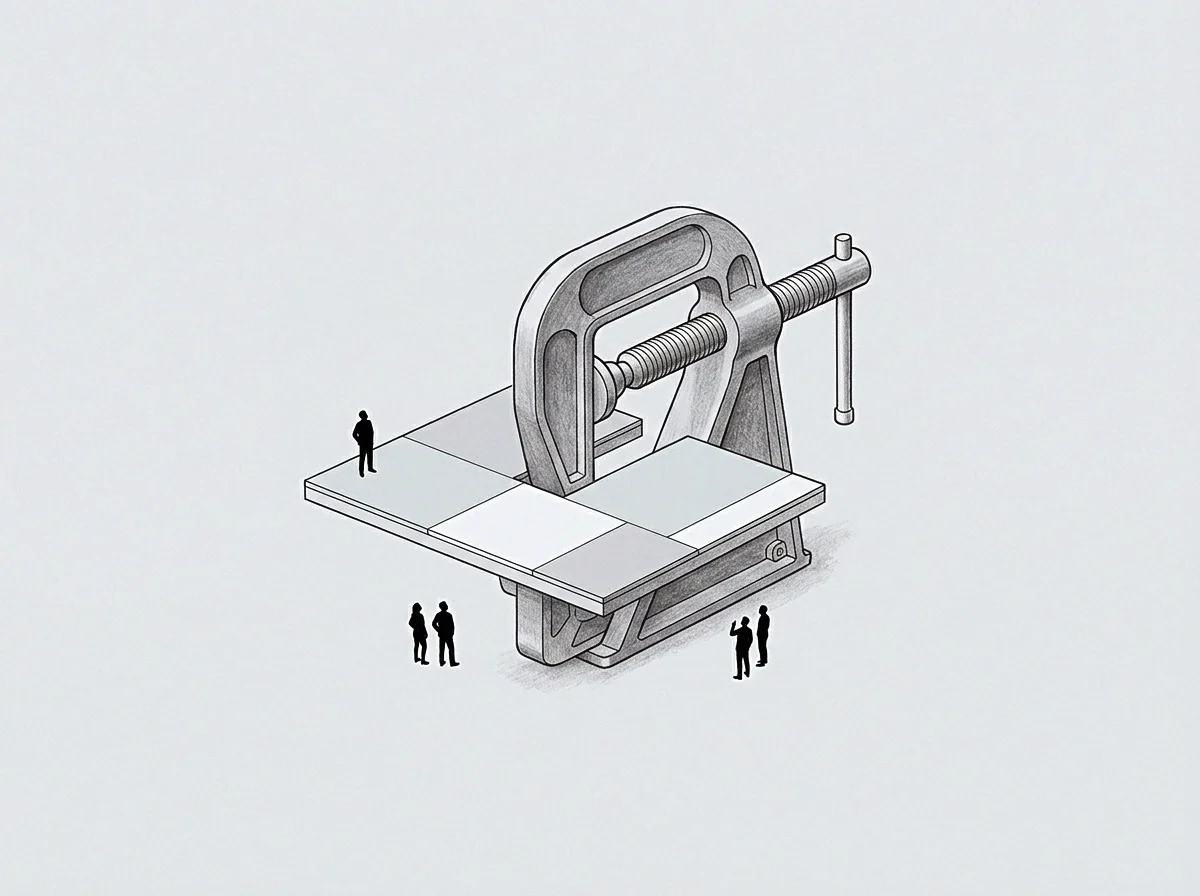
Multi-Axis Decomposition of Cognitive Capacity
Standard time-tracking logs record total hours spent at a workstation without distinguishing active problem-solving from idle waiting. When an engineer switches between three unrelated pull requests in a single hour, cognitive retention breaks down. Telemetry vectors isolate these distinct modes by mapping active editor events against communication tool notifications and pipeline status checks.
Context switching destroys deep focus, while silent dependencies across subsystem boundaries and frequent interruptions accelerate cognitive fatigue. Manual triage consumes unbudgeted capacity, and memory retention decays under constant disruption, masking ordinal developer friction behind cardinal figures that telemetry can expose.
The operational profile of engineering effort changes dramatically when evaluated through multi-axis attention vectors rather than legacy ticket output metrics.
| Measurement Metric | Telemetry Focus | Observed Output | Hidden Friction Captured |
|---|---|---|---|
| Sprint Velocity | Completed Story Points | High Completed Ticket Count | Ignores Code Review Queue Latency |
| Commit Frequency | Raw Code Pushes | Frequent Repository Updates | Masks Fragmented Focus and Retries |
| Attention Vector Telemetry | Continuous Focus Duration | Directional Effort Allocation | Exposes Context Switching and Idle Wait Time |
| Cycle Time | Ticket Creation to Deployment | Total Elapsed Time | Blends Active Work with Passive Queue Waiting |
| Conditions: Evaluated across decoupled microservice architecture teams over a ninety-day observation period. | |||
Understanding where attention accumulates requires evaluating specific operational dimensions across the engineering workflow:
- Active Context Retention balance maps the mental state required to hold complex system boundaries in memory during refactoring.
- Task Switching Friction measures the latency cost incurred when moving between code review, issue triage, and primary feature development.
- Asynchronous Queue Delay tracks unallocated idle time spent waiting for continuous integration pipelines or peer approvals.
- Cognitive Recovery Interval identifies the quiet duration necessary to rebuild problem context following an unscheduled disruption.
Untracked context switching drains engineering capacity long before official delivery deadlines slip.
Misinterpreting raw hours as productive throughput causes organizations to overhire while core system latency continues to compound.

Noise
Micro-interruptions pollute developer telemetry by fragmenting continuous focus blocks. Notifications, mandatory status updates, and flaky automated test suites insert artificial latency into build pipelines. System noise degrades vector directional accuracy.

Why Do Latent Latency Spikes Consume Engineering Attention?
Unplanned automated build failures force manual triage, interrupting complex refactoring efforts across multiple codebases. When a continuous integration environment fails due to brittle infrastructure tests rather than code defects, engineers spend focus diagnosing pipeline configuration files. The attention vector rotates away from feature logic toward environment maintenance.
- Automated test failures force manual inspection, breaking active development cadence across the entire team.
- Continuous deployment alerts route to primary authors during peak concentration hours.
- Operational tickets bypass triage channels and land directly in individual engineer backlogs.
Interrupted development blocks cost significantly more in cognitive recovery than the duration of the disruption itself.
The schedule looks fully clear on the team calendar, so extra coordination meetings should not impact the release date.

Price
Translating developer metrics into financial commitments demands converting internal friction into clear economic trade-offs. While internal attention remains ordinal, external commitments require fixed delivery estimates and financial allocations. Converting ordinal attention cost into a cardinal figure requires explicit translation rules.
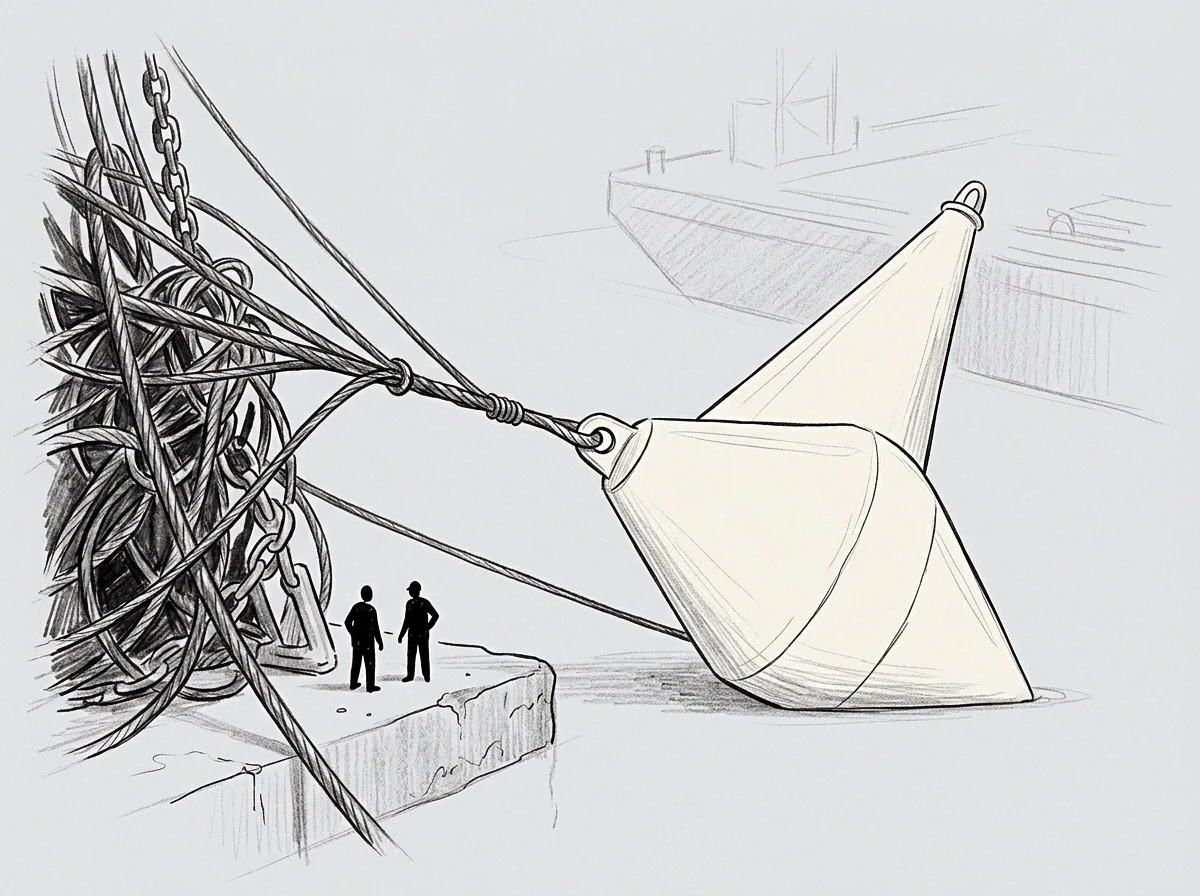
Converting Internal Drag to External Commitment
Financial forecasts usually assume developer capacity remains static across different software architectures. When architectural debt increases context switching, an organization experiences a hidden capacity reduction without any change in headcount. The price paid appears as delayed product releases and inflated contractor expenses late in the development cycle.
When an engineering team states the internal cost of maintenance early, product managers adapt scope before commitments lock. Stating internal cost in hours of focus rather than currency preserves the multidimensional nature of developer capacity. Once converted into a flat price, the structural details of the bottleneck disappear, leaving management to treat systemic drag as simple underperformance.
Engineering organizations routinely commit to delivery dates based on output figures that ignore underlying attention fragmentation.
Specifying an explicit attention headroom clause in technical roadmaps converts hidden maintenance drag into an explicit sprint allocation budget.