
Managing Incident Mitigation Speed and System Architectural Stability
Rapid incident mitigation trades long-term architectural stability for immediate containment speed by introducing unanchored state mutations into system logic.
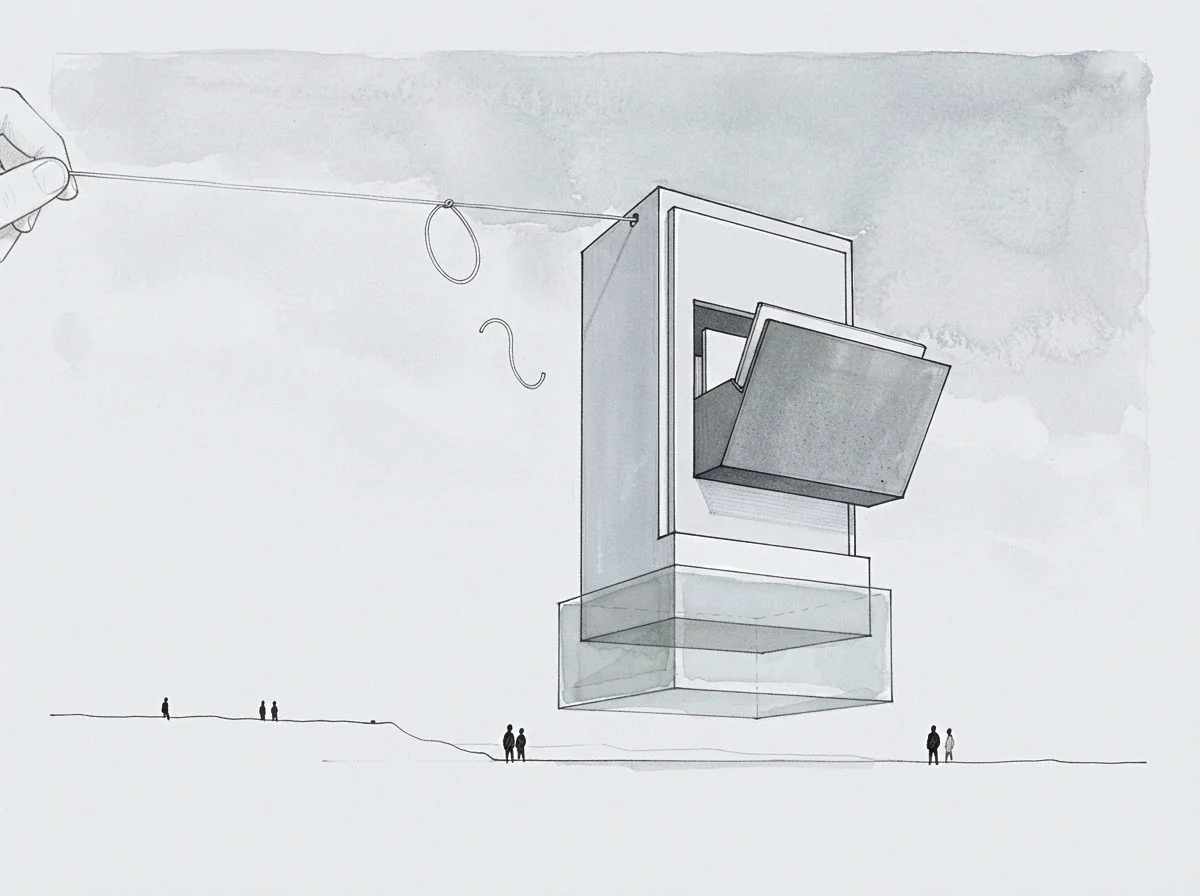
Containment
An API gateway rejects eighty percent of inbound payloads after a downstream cache failure, sending latency metrics past five seconds while customer queues back up. On-call engineers face an explicit operational choice within seconds of the primary alarm. They can execute a localized restart and wait five minutes for cold-cache warming while incoming traffic drops completely, or they can push an emergency routing rule that bypasses schema validation and reads directly from an unindexed primary database.
Choosing immediate bypass restores HTTP status codes to nominal levels within forty seconds. Latency drops rapidly. Customer notifications cease, and monitoring dashboards reflect nominal throughput across all surface nodes.
That immediate mitigation speed carries a deferred structural price. By routing unvalidated requests directly to persistent storage, the emergency rule bypasses core architectural invariants designed to prevent partial state corruption. Downstream caches drop write validation.
Unanchored state mutations corrupt persistent storage over time, creating silent database inconsistencies that remain undetected until secondary background jobs fail hours later. The speed of initial containment obscures the progressive compromise of platform integrity.

State Bypass Mechanics and Immediate Remediation
Operators facing an active outage routinely cut open internal isolation boundaries to re-route network calls directly to underlying data stores. This tactical intervention prioritizes immediate containment velocity above system determinism. System operators disable circuit breakers manually.
When validation pipelines undergo temporary removal, the software system loses its ability to enforce data contracts across service boundaries. The system continues processing transactions, but every transaction processed through an unvalidated route introduces structural drift into the system architecture.
An emergency hotpatch implemented to preserve immediate system uptime frequently creates structural debt that stays invisible until the next failure.
The operational tension centers on the short-term preservation of service availability versus long-term software maintainability. Fast fixes rely on hardcoded feature flags, database connection pool expansion beyond safe hardware thresholds, or static responses that mock broken downstream dependencies. While these actions isolate the immediate symptom, they obscure the root failure mechanism from automated telemetry systems.
Automated deployment pipelines fail validation. The underlying fault continues generating errors beneath the bypass layer, creating systemic noise that corrupts operational logs and complicates subsequent diagnostic efforts.
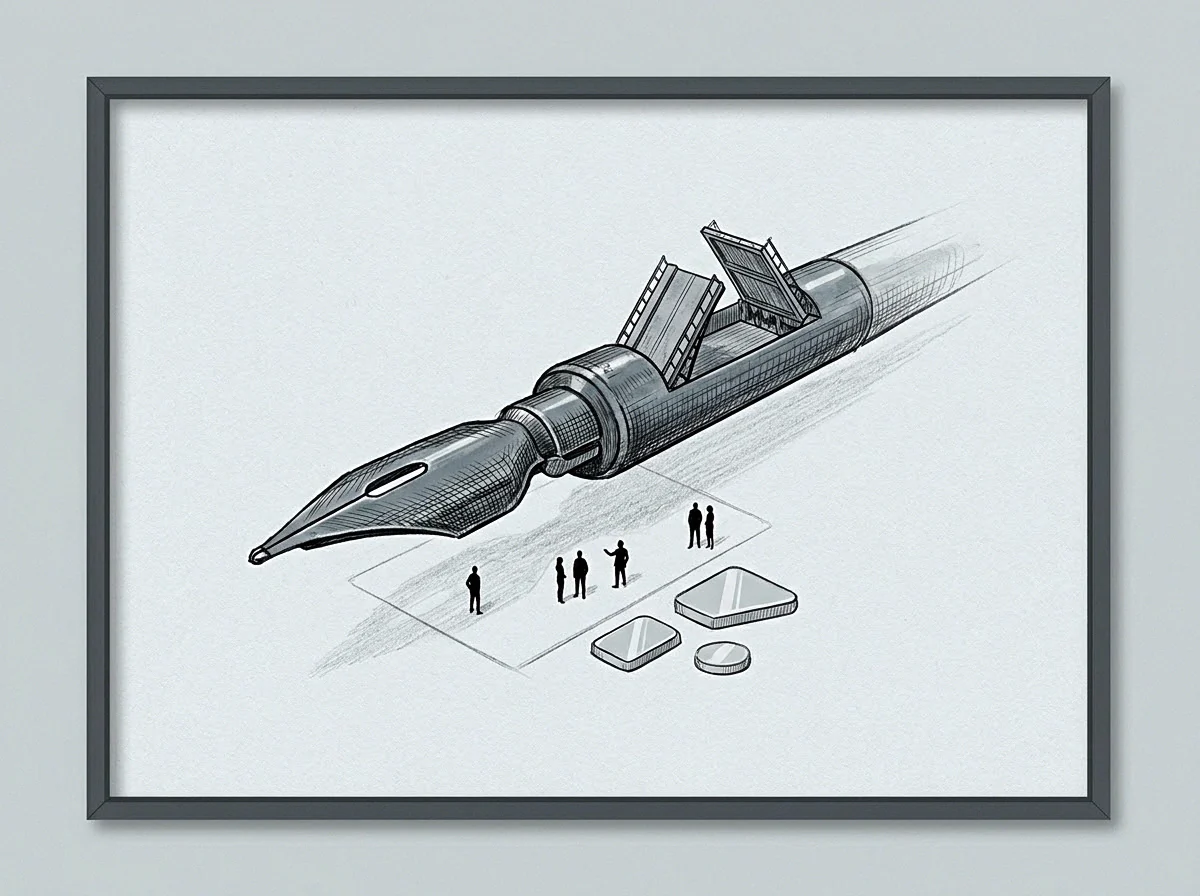
Structural Cost Stated at the Initial Breach
A rapid mitigation patch introduces immediate architectural debt into a production stack by overriding safety invariants. The primary engineering decision during a failure event involves selecting which system guarantees to suspend. Suspending strict schema enforcement yields immediate recovery speed, yet it exposes persistent data stores to malformed payloads.
Database connections saturate within seconds. Restoring service availability via unanchored state overrides shifts operational friction directly into future engineering cycles, where engineers spend days locating corrupted records.
When teams consistently prioritize mitigation velocity over structural integrity, the system transforms into a brittle web of undocumented bypasses where every future incident demands even faster, more destructive interventions.

Component
Evaluating the impact of incident interventions demands isolating several distinct resources that deplete simultaneously during an operational response. Total cost extends beyond the cardinal price of lost revenue or SLA financial penalties incurred during service downtime. The operational response consumes engineering hours, cognitive bandwidth, future delivery headroom, and architectural determinism.
Measuring only direct outage duration produces an incomplete metric that leads engineering leadership to systematically overvalue rapid, destructive hotpatches.
Cost behaves as an ordinal vector containing distinct internal components. Money lost during a service outage represents a cardinal figure stated on an invoice, whereas the systemic damage inflicted by emergency patches acts as an ordinal progression of operational constraints. Engineers absorb high cognitive fatigue.
Stating the cost early in the mitigation lifecycle keeps engineering decisions conscious, preventing hidden architectural atrophy from accumulating unnoticed.

Decomposing the Multi-Attribute Response Vector
A comprehensive cost evaluation accounts for four primary internal resource vectors during an emergency response:
- Hours vector The raw duration spent by engineering staff writing ephemeral logic, bypassing automated tests, and deploying hotpatches directly to operational nodes.
- Capacity drain The reduction in available throughput across engineering teams as context switching interrupts planned system enhancements for days after the operational fire ends.
- Attention allocation The cognitive bandwidth consumed while monitoring unanchored state changes, leaving residual cognitive fatigue that degrades subsequent architecture reviews.
- Systemic fragility The cumulative loss of architectural determinism that occurs when temporary routing rules bypass canonical data validation pipelines.
Each component carries its own independent magnitude. A five-minute incident mitigated by a brute-force database mutation may minimize direct customer financial impact while consuming fifty engineering hours in post-incident data cleanup. Conversely, allowing a twenty-minute partial outage while executing a safe, deterministic rolling deployment preserves structural boundaries while increasing immediate customer friction.
Latency rises rapidly.
When operational response teams calculate mitigation efficacy solely through downtime figures, they obscure the hours spent repairing compromised system invariants.
Ordinal Friction Against Cardinal Downtime Figures
Converting internal operational friction into cardinal monetary figures introduces estimation errors into post-incident reviews. An engineering hour spent writing a temporary bypass carries an immediate opportunity cost reflected in delayed software delivery. System load shifts downstream immediately.
However, the long-term cost of architectural degradation resists early cardinal quantification; it manifests as subtle velocity loss across subsequent development sprints.
Cost stated the moment an emergency override is deployed protects the architecture from silent erosion. When engineers acknowledge that a temporary routing patch consumes structural headroom, the choice to deploy that patch remains deliberate. Operational teams evaluate whether short-term containment speed justifies the structural cleanup required later.
Applying the principle of immutable boundary enforcement forces every temporary bypass to carry an explicit auto-expiration timestamp, which automatically reverts unverified routing mutations after forty-eight hours unless prolonged by a formal architectural review.

Threshold
Engineering teams operate under setpoints that define acceptable performance indicators, operational error margins, and response speeds. Under severe incident pressure, those setpoints experience outward drift. As operational responders encounter repeated high-severity outages, the acceptable boundary for emergency code interventions expands.
Routing rules that were once strictly forbidden become standard operating procedures during minor telemetry spikes. Safety setpoints drift outward continuously.
This organizational feedback loop alters the baseline architecture over time. Emergency patches accumulate on top of past emergency patches, creating dense layers of conditional bypasses that render system behavior unpredictable. Circuit breakers trigger early.
The baseline architecture shifts from a deterministic design into an accumulated history of emergency responses.
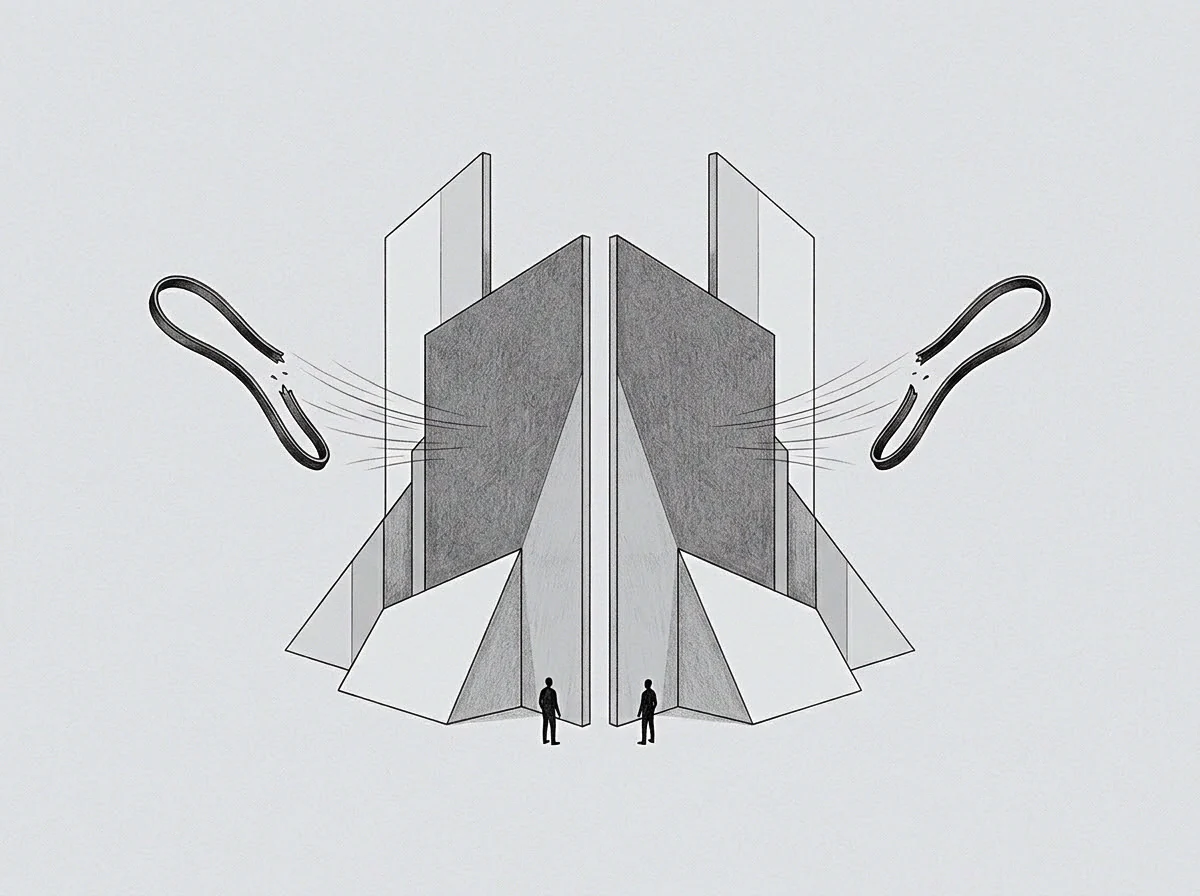
Where Does Unchecked Patching Break Boundary Enforcements?
Unchecked emergency overrides degrade boundary enforcement at specific structural junction points within a distributed stack:
- An operational metric exceeds safe operational limits, triggering an immediate manual override by on-call personnel.
- The manual patch restores system throughput but leaves secondary database validation disabled to preserve immediate response speed.
- System stability metrics return to nominal baselines, concealing the underlying architectural invariant violation from automated health checks.
- Subsequent feature deployments build upon the modified database access pattern, embedding the temporary bypass into canonical production dependencies.
- A secondary operational failure strikes the same subsystem, requiring an even broader emergency patch because the original safety boundaries no longer exist.
Each iteration of this cycle reduces the structural resilience of the platform. The system becomes increasingly vulnerable to localized load spikes, demanding faster human intervention to prevent catastrophic cascading failures.
Allowing temporary routing bypasses to persist across deployment cycles creates implicit dependencies that erode official system architecture.
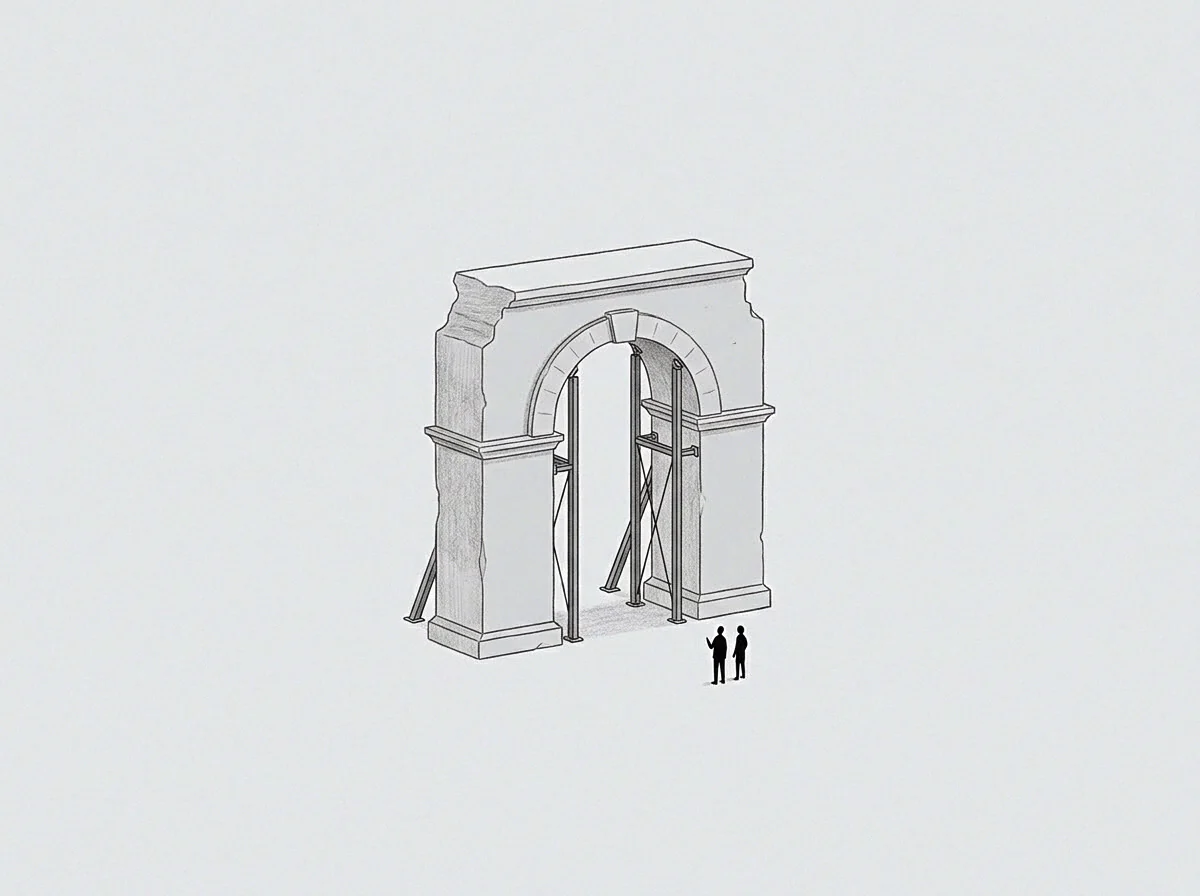
Setpoint Drift in High Velocity Operations
Organizations track Mean Time to Remediate as a primary operational health metric. Focusing exclusively on reducing remediation duration creates strong cultural incentives to implement rapid, destructive interventions. Manual overrides bypass authorization boundaries.
When leadership rewards fast incident resolution without auditing the structural compromises made to achieve that speed, engineering teams naturally shift toward high-risk mitigation tactics.
Dependencies proliferate. Over time, the engineering organization loses its technical ability to execute slow, safe system recovery procedures. The operational posture becomes permanently reactive, dependent on real-time human interventions and dangerous production state overrides.
The infrastructure team was promised that the hotpatch would be reverted before the end of the sprint, but the code remains in production six months later with new features dependent on its existence.
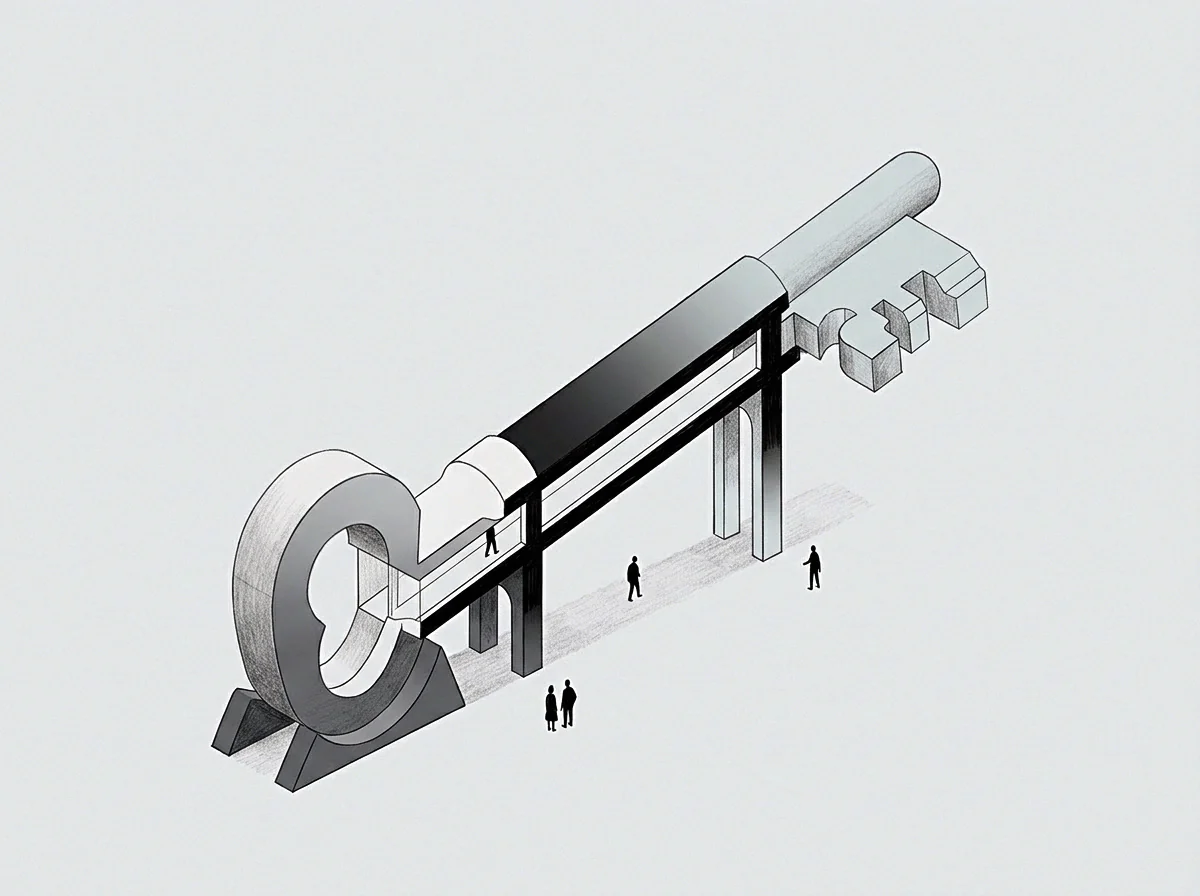
Spectrum
Remediation strategies exist along a defined continuum balancing speed of containment against the long-term integrity of underlying software topologies. Selecting an incident intervention requires evaluating where a given tactic falls along this trade-off curve. High-speed interventions typically execute direct state mutations, bypassing validation layers to restore immediate user throughput.
Low-speed interventions prioritize system determinism, employing controlled backpressure or isolated component restarts that preserve architectural invariants at the cost of prolonged customer disruption.
Analyzing mitigation archetypes side-by-side demonstrates how containment mechanics impact long-term technical debt and platform stability.

Mitigation Archetypes and Structural Trade-Offs
The following comparison details three standard incident response strategies, evaluating their containment velocity against their structural consequences and residual risk profiles.
| Mitigation Strategy | Containment Speed | Structural Debt Creation | Operational Risk Profile |
|---|---|---|---|
| Direct Database Override | Immediate (1 to 3 minutes) | High (Unanchored state mutations, corrupted invariants) | Corrupts persistent storage, introduces silent data errors |
| Backpressure and Traffic Shedding | Moderate (3 to 10 minutes) | Low (Preserves system invariants, drops non-essential calls) | Increases client-side HTTP errors during active load shedding |
| Isolated Service Restart | Slow (10 to 30 minutes) | Zero (Clears transient state, preserves canonical boundaries) | Extends total downtime window, risks cold-cache latency spikes |
Choosing between these archetypes requires explicit alignment on operational priorities. Direct database overrides provide immediate relief on external monitoring dashboards, yet they propagate structural debt deep into persistent storage layers. Technical debt expands.
Backpressure mechanisms, such as dropping low-priority API calls at the perimeter gateway, protect core system invariants while maintaining absolute determinism under extreme stress.
Traffic shedding preserves structural invariants at the cost of transient customer impact, whereas state mutation preserves transient customer access by compromising future platform stability.

Evaluating Structural Invariants Under Stress
Preserving structural invariants requires engineering teams to pre-define non-negotiable architectural boundaries that no emergency patch may cross. Secondary services reject invalid schemas. For example, database authorization boundaries, transaction isolation levels, and asynchronous event log integrity must remain protected during an operational outage.
If an incident response tactic requires breaking a core invariant, responders must select an alternative strategy, such as perimeter load shedding, that isolates the system without corrupting underlying data.
Routing tables accept unverified payloads when perimeter controls fail. When teams pre-authorize explicit mitigation archetypes before outages occur, responders execute deterministic playbooks rather than improvising dangerous state overrides under operational stress.
A mitigation strategy that bypasses core architectural invariants always transfers operational debt from the incident window directly into future system deployments.

Horizon
Restoring system integrity following emergency interventions demands converting temporary operational compromises into explicit refactoring commitments. Once immediate containment succeeds and service health metrics normalize, the operational response enters its structural recovery phase. Leaving emergency routing rules, disabled validation checks, or elevated connection pools active in production transforms temporary incident mitigation into permanent architectural atrophy.
The patch remains.
The transition from emergency response to structural restoration requires converting the ordinal friction experienced during the incident into concrete engineering resources allocated on the product roadmap. Operational capacity drops twenty percent during post-incident stabilization. Stating the full cost vector during post-incident reviews ensures that technical leadership understands the exact debt incurred to maintain short-term uptime figures.

Converting Operational Friction Into Cardinal Capital
Engineering organizations frequently treat post-incident postmortems as non-binding narrative exercises. To preserve architectural stability over extended operational horizons, post-incident reviews must produce mandatory technical actions with assigned engineering velocity. Cache hits drop during cold starts, revealing secondary dependency bottlenecks that require permanent infrastructure remediation.
When leadership measures post-incident success exclusively by how quickly the incident closed, they ignore the latent structural risk embedded in the codebase during containment. Converting mitigation costs into cardinal figures, such as estimating the exact engineering days needed to refactor a hotpatch, forces the organization to weigh the true price of rapid intervention strategies.
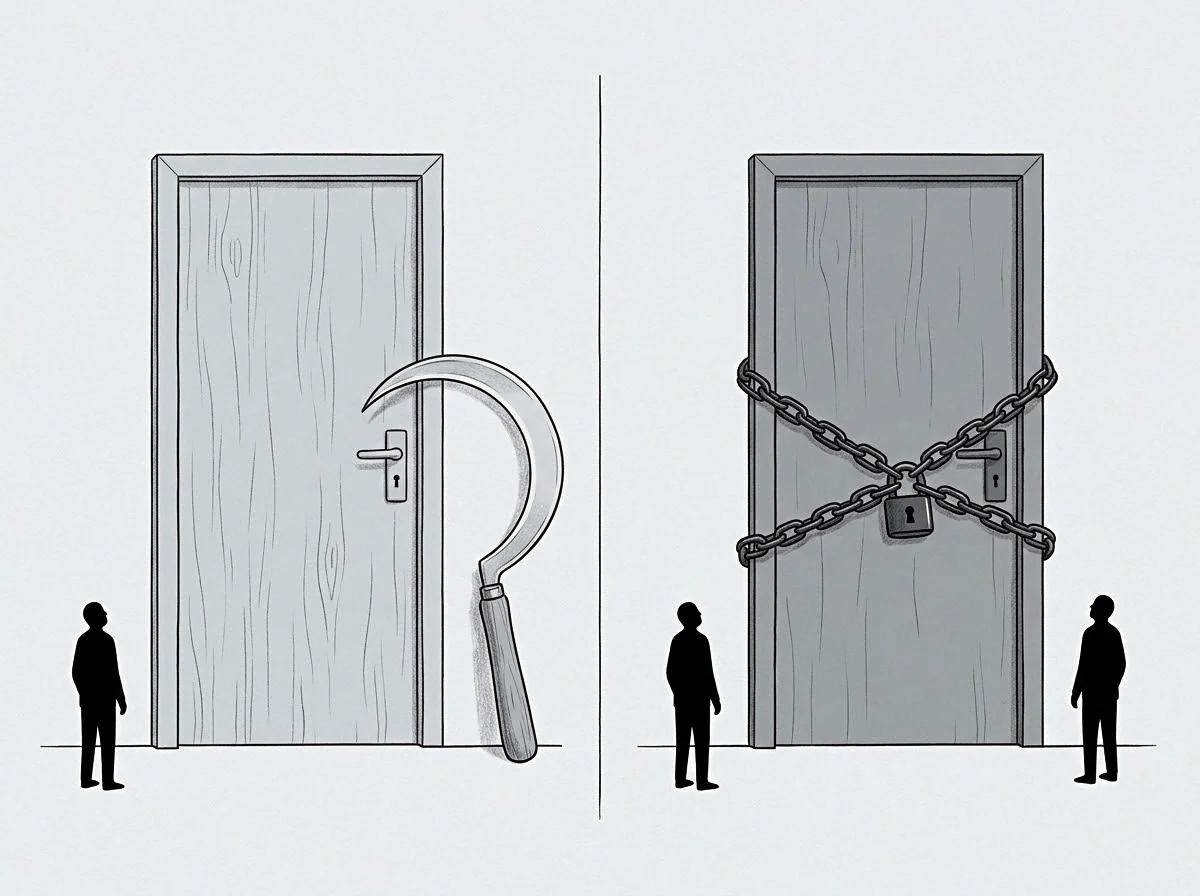
Sustaining Architectural Boundaries After Containment
Sustaining long-term software stability requires explicit mechanics to detect and remove residual emergency logic from production environments:
Automated isolation scans detect hardcoded feature overrides and flag unverified database connection parameters across all active runtime nodes. Validation stops when manual interventions bypass deployment pipelines. Implementing mandatory auto-expiry mechanisms within deployment pipelines ensures that unanchored bypasses automatically trip alerts if they persist beyond their authorized containment window.
This enforcement prevents temporary operational choices from quietly becoming canonical system architecture.
Whether an organization can build the discipline to dismantle emergency mitigation patches before those patches solidify into permanent structural dependencies remains an open operational question.