Meaning
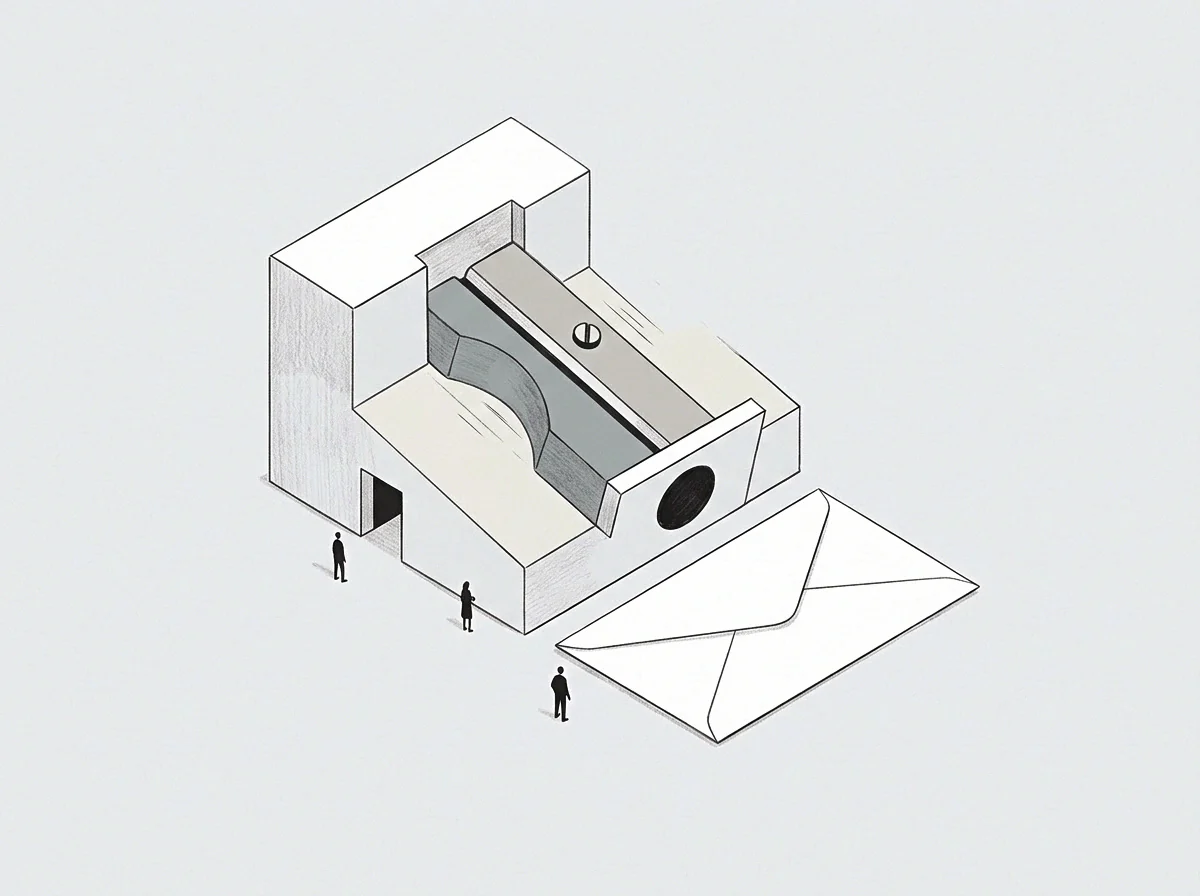
Maximum output volume represents the theoretical ceiling of work a system produces during a set interval. Operational capacity accounts for the interaction between personnel availability, machine uptime, and raw material throughput. This metric defines the boundary where further investment in labor or technology yields diminishing returns per unit of effort.
Systemic Constraint
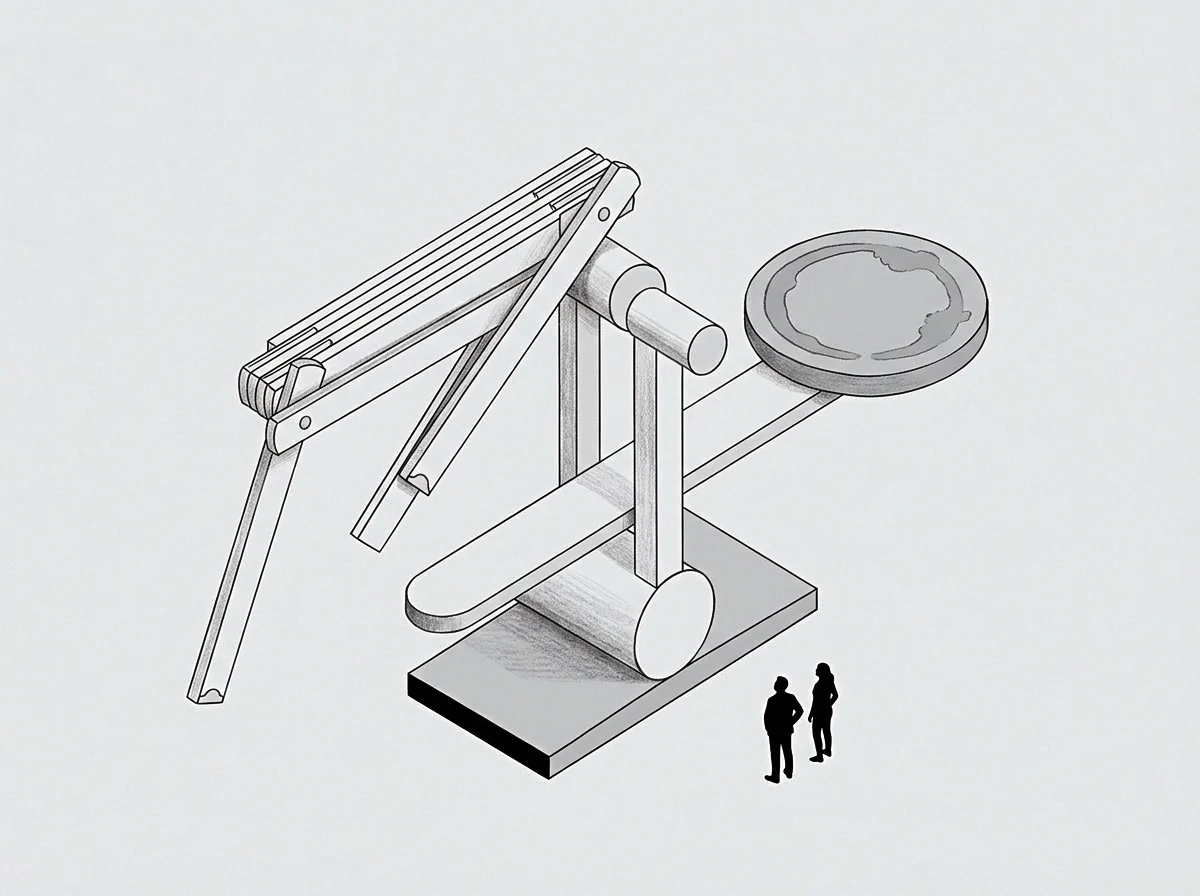
Bottlenecks within a workflow dictate the actual ceiling for total production. An operational capacity measurement highlights the specific node in a process that requires the longest duration to complete its task. Managers identify this node to prevent the accumulation of idle inventory in preceding stages.
Such discovery forces a shift in focus from increasing speed at every station to optimizing the slowest link.
Cardinal Evaluation
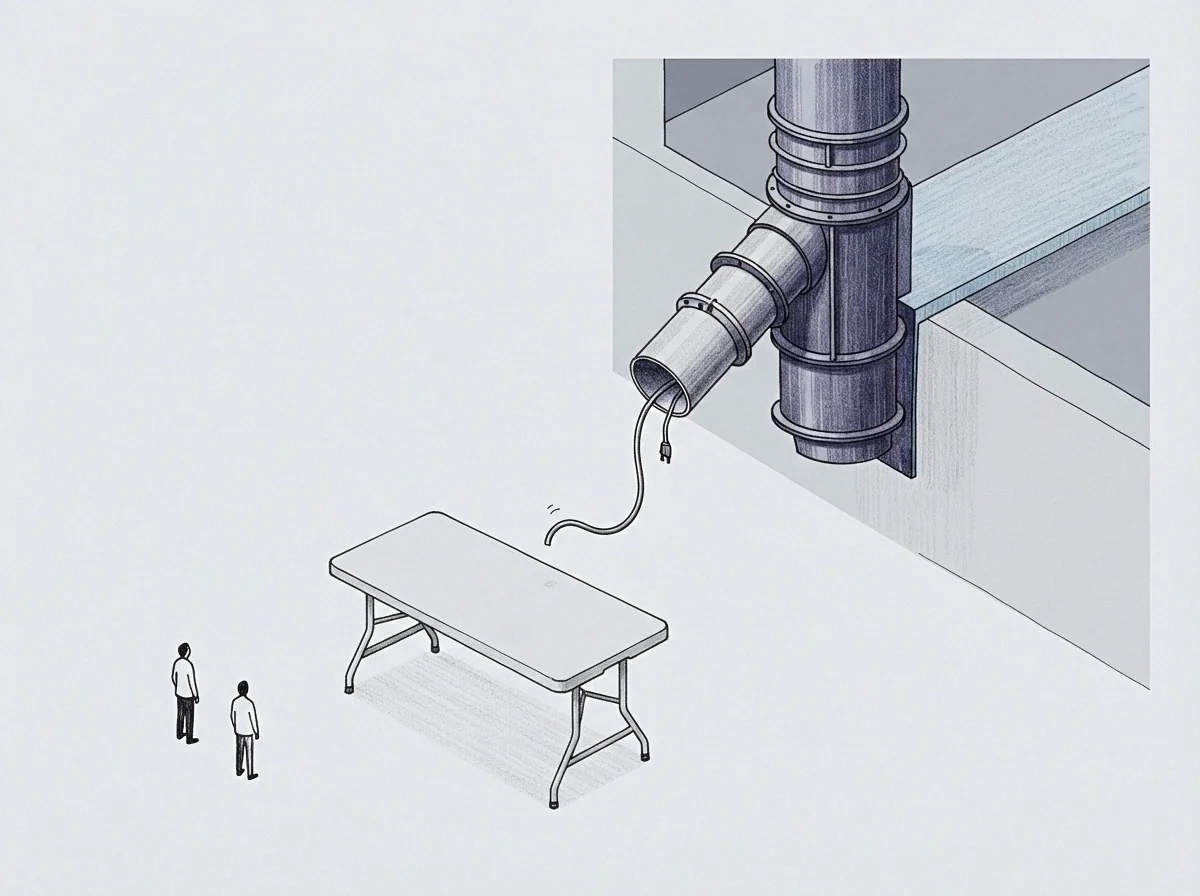
Units of output per hour provide the standard scale for this assessment. Converting time-based logs into a consistent rate allows for the comparison of distinct production cycles. Founders use this cardinal figure to predict how much capital must be allocated to support a specific level of market demand.
Reliable projections rest upon the difference between this calculated maximum and the historical realized output.
Human Overhead
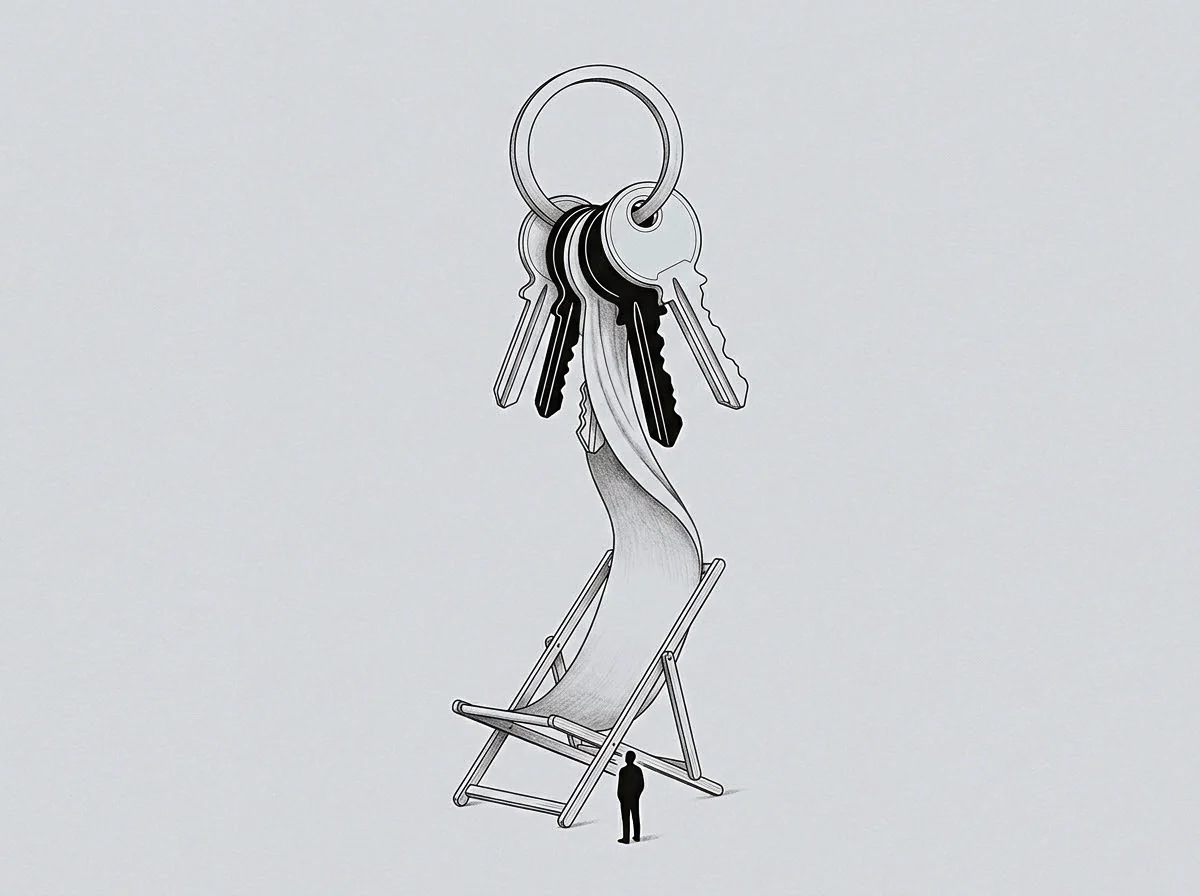
Staff engagement requires constant energy expenditure beyond the mechanical cycles of a business. Total operational capacity remains incomplete if it ignores the fatigue and variance inherent in individual roles. Sustained performance drops when the demand placed upon human agents exceeds their standard rate for too long.
A delta between the theoretical limit and the human reality provides the true indicator of long term viability.