
Navigating Enterprise Retainer Capacity Limits Under Unplanned Project Drag
Enterprise retainer capacity collapse occurs when unpriced operational drag consumes baseline hours before dedicated project milestones receive execution resources.

Overhead
An enterprise retainer secures dedicated availability across defined functional domains. When unexpected operational obstacles emerge inside client organizations, execution teams absorb work outside original operational parameters. Additional communication channels open, unscripted status alignment meetings proliferate, and technical integrations encounter undocumented legacy dependencies.
This absorption reduces the hours left for core strategic initiatives without changing the monthly invoiced amount. The internal expenditure of energy and time increases while revenue remains stationary.
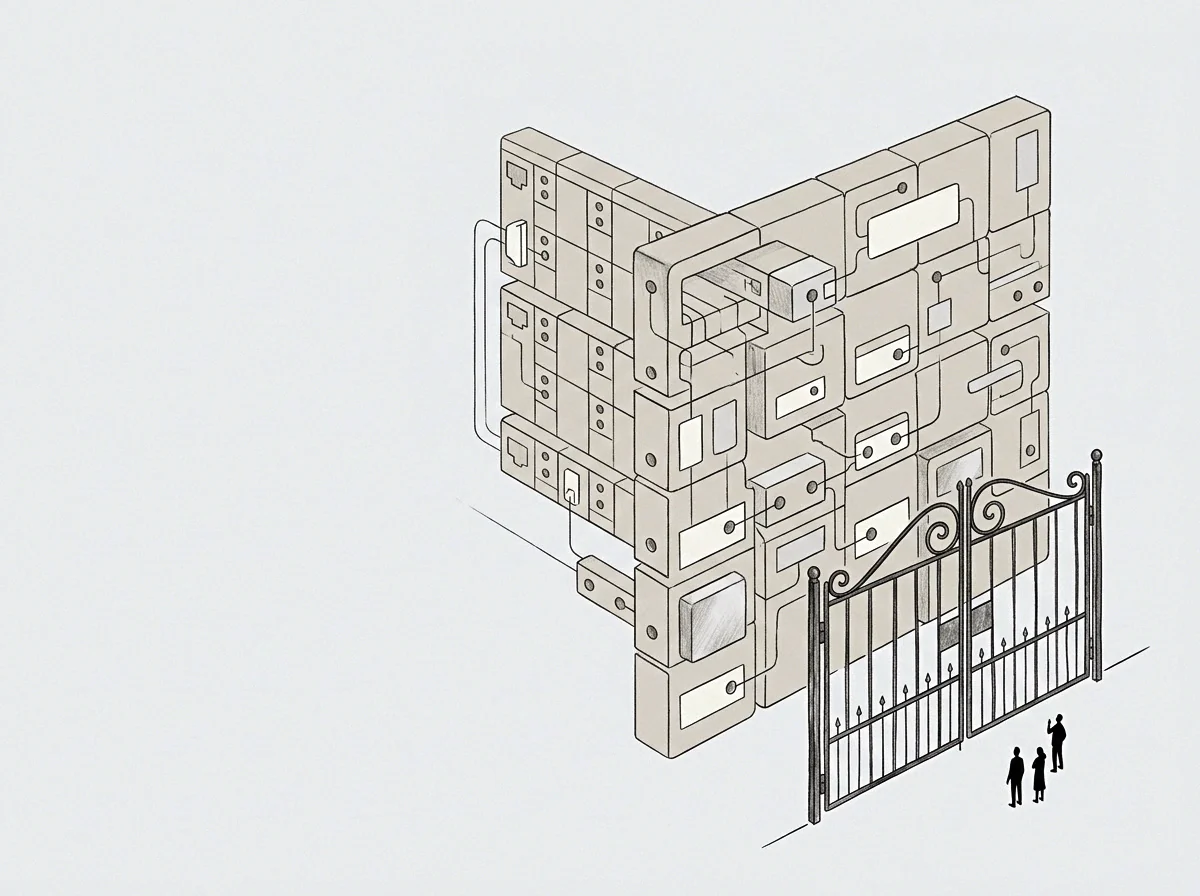
Unpriced Friction in Retainer Allocations
Enterprise service engagements assume a baseline ratio of strategic work to operational upkeep. Unbudgeted friction destabilizes this baseline by shifting engineering, design, or advisory capacity into immediate issue resolution. Unmonitored scope expansions erode baseline margins.
A team allocated to deploy platform updates spends hours reconciling mismatched database schemas or navigating internal client approval hierarchies. Each hour spent clearing unforeseen friction is an hour withdrawn from programmed deliverables. The expenditure stays hidden because overall monthly hours may remain within the retainer threshold, masking the internal structural shift from high-value creation to low-value maintenance.
Unbudgeted friction shifts technical capability from planned deliverables to undocumented maintenance without altering monthly invoice totals.
When operational friction consumes available baseline capacity, internal burn rates rise while external outputs stall. Delivery schedules slip, creating secondary friction around timeline adjustments. Enterprise contracts absorb unstated friction silently.
Service providers frequently attempt to absorb this shift through internal productivity gains or unbilled overtime. That structural response fails as unplanned work accumulates across sequential quarters. Service teams absorb unbilled client friction.
The accumulated drag exhausts staff and displaces the focused attention necessary for client renewal outcomes.

The Dynamic of Unplanned Capacity Consumption
Operational drag expands through distinct administrative and technical pathways. Technical dependencies require unexpected structural remediation before routine work begins. Client stakeholders request auxiliary briefings to explain intermediate outcomes to internal executives.
Governance overhead expands to accommodate shifting corporate priorities. Scope allocations shift under technical uncertainty. Each intervention consumes micro-allocations of team availability that are rarely logged against specific project tasks.
The cumulative effect transforms a high-margin retainer into a break-even administrative support account.
The client perceives full retainer utilization as normal service delivery while the service organization operates at an internal loss. Strategic output drops even though total logged hours hit target capacity. Enterprise clients interpret this output drop as declining team capability rather than capacity depletion driven by their own structural drag.

Scale
Evaluating enterprise retainer health requires separating ordinal resource strain from cardinal monetary billing. Cardinal pricing records the fixed monthly cash transaction stated in the master service contract. Ordinal strain ranks the internal sacrifice of capabilities, focus, and alternative project opportunities across time.
An account generating consistent cardinal revenue can sit at the highest tier of internal ordinal strain. Service capacity exhaustion halts core strategic delivery.

Measurement Disconnects in Fixed Allocations
Accounting systems track monetary billing metrics with precise cardinal accuracy. They log dollars invoiced, payment terms met, and direct cash disbursements against account codes. These systems fail to capture the multi-attribute nature of operational expenditure.
An hour spent negotiating unresolved client security requirements carries a different internal weight than an hour spent authoring core platform architecture. The former consumes executive leadership attention, damages team morale, and generates zero reusable capability. The latter builds permanent internal expertise and advances project completion.
Fixed cardinal monthly fees obscure fluctuating internal vector costs incurred during project execution.
A multi-attribute capacity vector tracks several distinct internal dimensions simultaneously. These dimensions include raw hours expended, senior attention consumed, opportunity cost of displaced clients, and structural stress placed on delivery teams. When unplanned drag strikes an enterprise account, the vector shifts dramatically upward across attention and strain metrics even if raw logged hours remain constant.
The fixed cardinal price obscures this ordinal reality until team turnover or deliverable failure forces a structural review.

Structural Comparison of Allocation Modes
Managing capacity under scope expansion demands explicit comparison between standard retainer models and drag-adjusted operational frameworks. The operational characteristics of these modes demonstrate how baseline capacity degrades without explicit threshold protections.
| Allocation Mode | Capacity Vector Composition | Internal Margin Profile | Client Transmission Signal |
|---|---|---|---|
| Uncapped Baseline Retainer | High senior attention, unmonitored maintenance hours, severe capability displacement | Negative operational margin after factoring internal leadership overhead | Signal indicates unlimited operational support and complete risk absorption by provider |
| Metered Overages Framework | Strict raw hours tracking, clear task segmentation, moderate administrative friction | Stable gross margin with high client resistance to periodic overage billing | Signal highlights transactional hour usage while creating friction around minor scope shifts |
| Tiered Vector Capping | Categorized hours vectors, explicit governance thresholds, dynamic capability protection | Protected strategic margin with direct conversion clauses for unplanned drag | Signal enforces clear boundaries around strategic availability and drag remediation |
The uncapped baseline retainer accepts all incoming client demands within a loose monthly hour ceiling. Technical drag transforms this arrangement into an open-ended support line. The metered overage framework charges for extra hours but creates friction over minor variance.
Tiered vector capping categorizes incoming tasks by complexity and strategic value, enforcing distinct limits on low-value operational support hours.

Quantifying Retainer Capacity Vector Shifts
Measuring internal resource degradation requires logging the specific activity categories that consume monthly availability. Unplanned work depletes designated delivery teams. When administrative drag exceeds twenty percent of total allocated retainer capacity, strategic momentum collapses.
The following states define the progressive decay of retainer capacity under unmanaged operational drag.
- Operational Drag Saturation occurs when unplanned client maintenance demands consume the majority of baseline retainer hours, displacing scheduled strategic work into unbilled extension periods.
- Attention Deficit Accumulation emerges when senior engineering or advisory leadership spends excess hours resolving client governance issues, reducing technical oversight across other accounts.
- Capability Vector Flattening develops as delivery teams perform repetitive system remediation rather than advanced implementation work, halting internal skill progression.
- Margin Inversion State arrives when the true internal vector expenditure exceeds the monetary value of the fixed cardinal retainer payment.
When these failure modes accumulate, operational efficiency drops across all client engagements. Team members reassigned to contain enterprise emergencies abandon routine platform upgrades. Written thresholds prevent silent capacity consumption.
The enterprise service firm absorbs structural debt while the client experiences delayed strategic progress, leading to mutual dissatisfaction despite contract compliance.
A retainer agreement containing explicit category thresholds converts unbudgeted drag into paid supplemental projects automatically.

Bench
Internal team configuration determines how service organizations withstand unexpected client friction. When an enterprise account encounters technical drag, management reallocates staff from reserve capacity or adjacent projects to contain the disruption. This tactical shuffle alters the operational posture of the entire delivery organization.
Senior specialists step away from high-leverage product development to resolve client integration failures. The immediate crisis passes, but the structural bench strength of the firm declines.
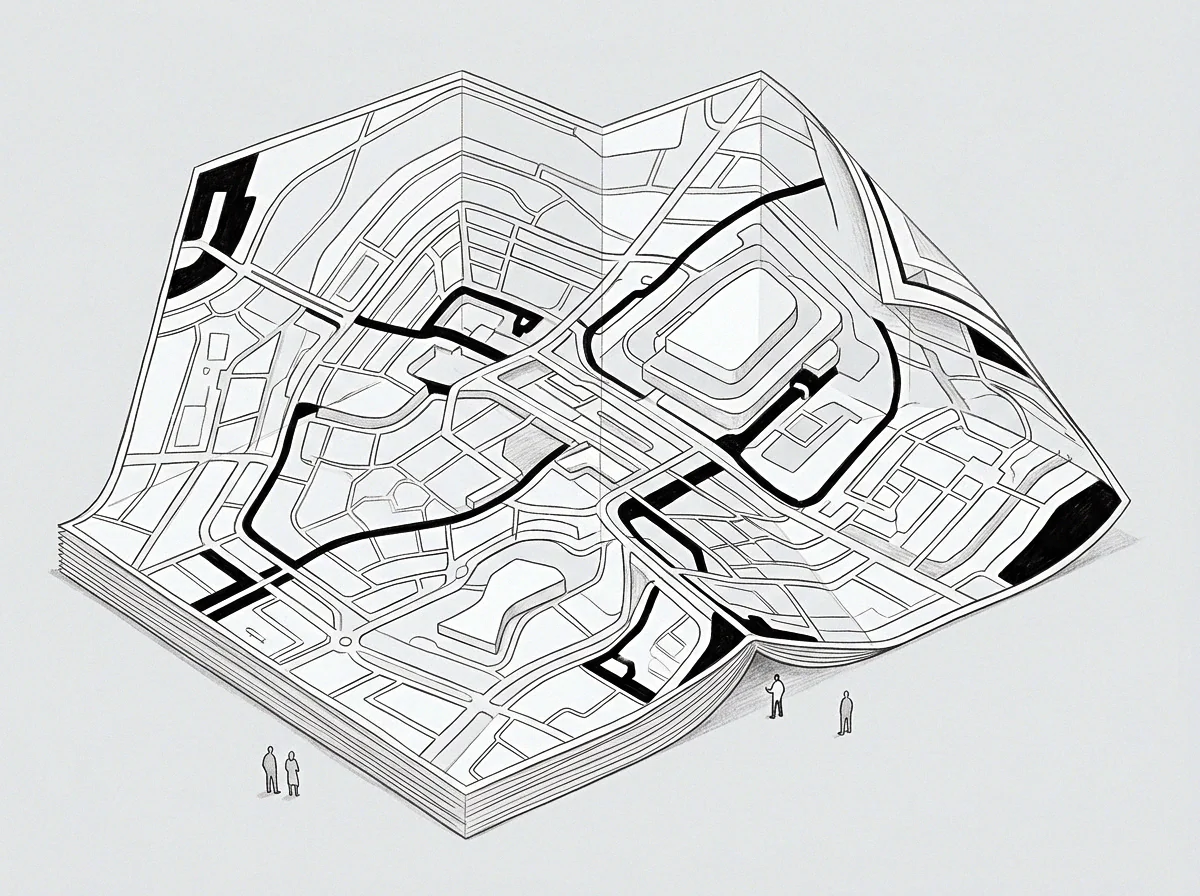
Resource Allocation Under Drag Pressure
Deploying internal resources to absorb client drag creates invisible systemic costs. A senior developer spending fifteen hours resolving legacy code compatibility on a fixed retainer is unavailable for high-margin advisory engagements. Retainer baselines fail without explicit caps.
The firm forfeits immediate market opportunities while paying senior compensation rates for low-value remediation. Staff reassignment masks client operational dysfunction by substituting internal service capacity for missing client capabilities.
Reallocating internal specialists to absorb client technical debt sacrifices long-term capability growth for short-term crisis containment.
Continuous emergency intervention destabilizes execution teams. Team members assigned to perpetual remediation experience cognitive fatigue and declining engagement. Burnout rates increase among senior personnel tasked with stabilizing under-resourced enterprise clients.
The firm incurs elevated recruitment and onboarding expenditures to replace departing talent. These secondary human costs compound the direct margin loss incurred on the mispriced retainer contract.
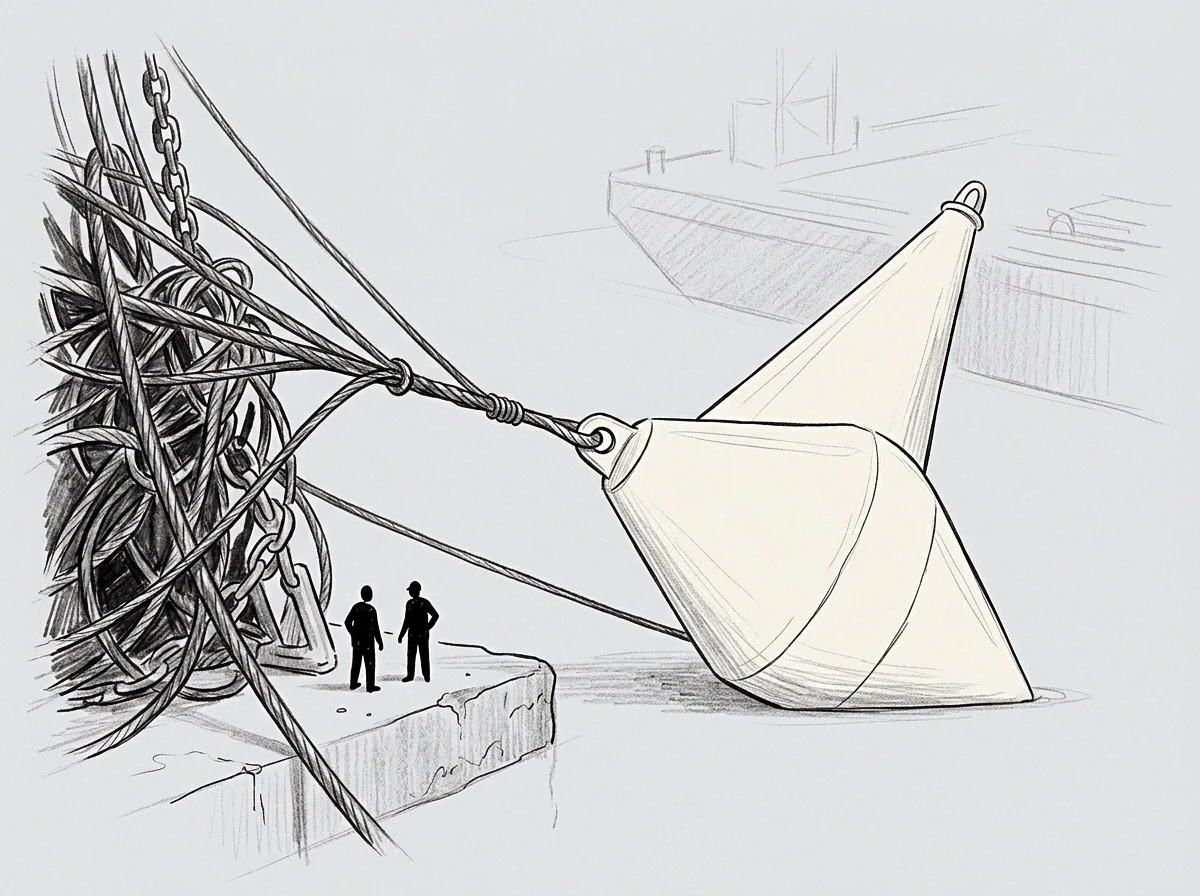
Capacity Limits in Cross-Account Deployment
Service firms operating shared resource benches face rapid cross-account contamination when one enterprise client experiences major project drag. The demand for emergency technical support drains the central resource pool. Governance meetings consume unallocated team capacity.
Secondary clients experience delayed responses and missed target dates as staff attention shifts to the primary crisis. The operational friction originating within one enterprise contract spreads across the portfolio, damaging firm reputation and client satisfaction metrics beyond the initiating account.
Firms operating without explicit internal capacity allocation limits risk portfolio-wide service degradation when single-account friction escalates unmonitored.

Wire
Translating internal capacity strain into clear commercial dialogue requires precise transmission channels. Service leaders frequently delay communicating scope drag, hoping internal process improvements will restore expected profit margins. This delay solidifies client expectations around unsustainable service delivery levels.
When the provider eventually demands budget expansion or scope reductions, the client views the request as an arbitrary price increase rather than a response to accumulated operational friction.
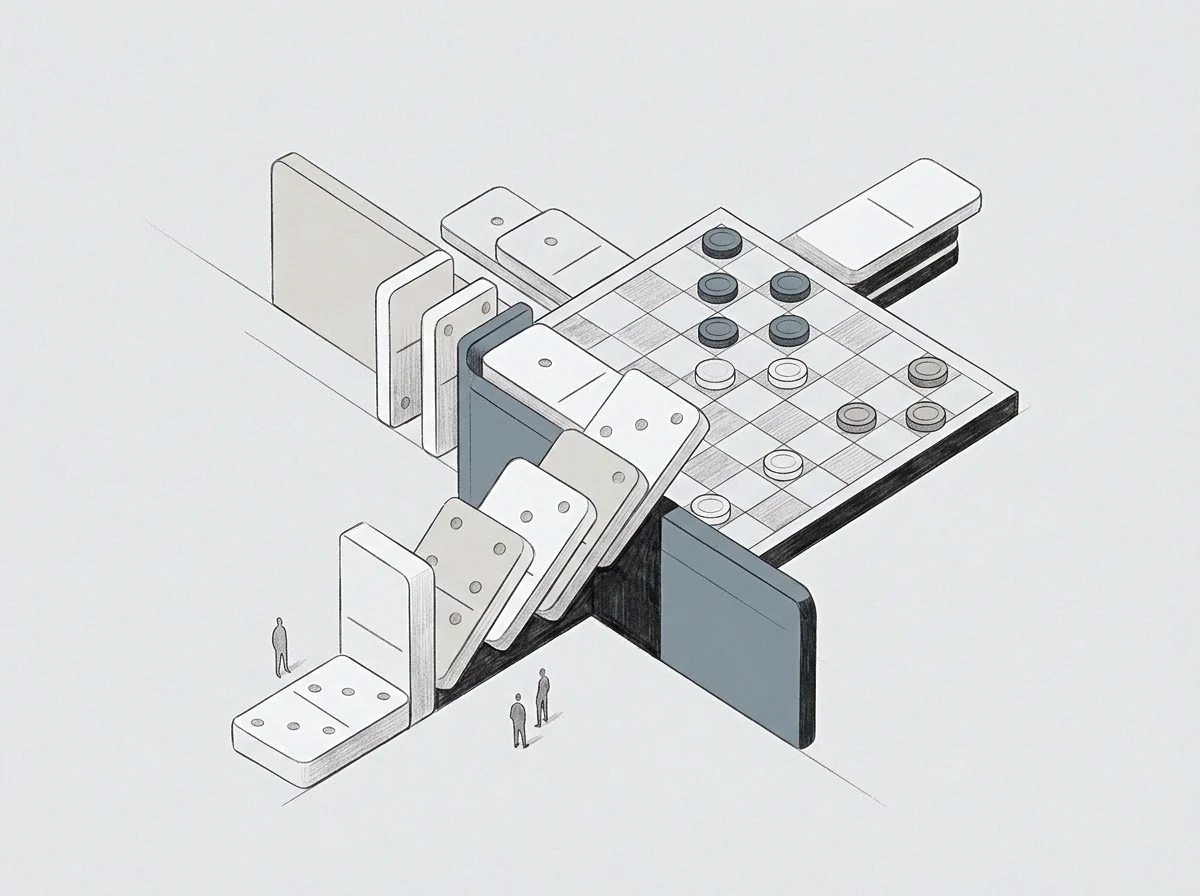
Communicating Scope Threshold Boundary Triggers
Early transmission of operational friction prevents relational breakdown. Professional service providers monitor capacity utilization metrics weekly to detect drag trends before monthly allocations exhaust. Explicit thresholds protect internal execution capacity.
When unplanned drag consumes a pre-determined percentage of monthly retainer availability, automated contract triggers initiate formal alignment discussions. This structural approach removes emotional friction from commercial adjustments.
- Log all operational requests, integration obstacles, and auxiliary alignment meetings against dedicated drag tracking codes immediately upon appearance.
- Calculate the weekly ratio between strategic deliverable progress and operational maintenance expenditure to establish exact drag velocity.
- Issue a formal capacity utilization report to client governance leads when maintenance tasks exceed twenty-five percent of logged retainer hours.
- Initiate mandatory scope adjustment or supplemental project billing procedures as specified in the master service agreement.
Direct communication shifts the operational burden back to the client organization. Cardinal pricing converts internal time expenditures. The client must either streamline internal governance, supply missing technical documentation, or expand the financial scope of the retainer.
Clear transmission transforms invisible internal service strain into an explicit operational choice for the client executive team.

Contractual Capping and Conversion Mechanics
Modern enterprise retainer structures integrate dynamic conversion clauses that activate automatically under sustained project drag. Fixed retainers cover predictable operations only. These clauses establish distinct hour thresholds for maintenance work, administrative coordination, and core implementation tasks.
When client drag pushes maintenance hours past agreed limits, excess hours convert into time-and-materials billing or trigger mandatory project pause protocols.
Automatic contractual conversion clauses shift project drag management from subjective negotiation to objective metric enforcement.
Contracts utilizing dynamic conversion protect provider capacity while providing clients with clear spending visibility. The client retains full authority over task prioritization but accepts explicit financial responsibility for operational inefficiency. Unmonitored scope expansions erode baseline margins.
This alignment enforces operational discipline on both sides of the partnership, encouraging the client to streamline internal approval processes and reduce unnecessary governance drag.
Clear contractual boundaries turn operational friction into explicit client cost decisions.

Sum
Sustaining enterprise retainer health requires continuous alignment between contractual terms, operational capacity, and internal cost vectors. Fixed-fee retainers offer revenue predictability but expose service firms to disproportionate operational risk when client project drag expands unmonitored. By decomposing total cost into raw hours, leadership attention, and opportunity cost, service organizations gain the clarity necessary to price and manage complex enterprise engagements accurately.
Effective capacity management rests on early detection and direct commercial transmission. Establishing explicit task categorization, automated threshold triggers, and dynamic contractual conversion clauses prevents silent margin erosion. When operational drag arises, service firms must articulate the internal vector cost flatly, transforming hidden internal strain into transparent client governance decisions that protect baseline delivery integrity.