
Preserving Working Attention During Sudden Cash Shortages
Preserving working attention during cash shortfalls requires structural buffers that isolate core operational execution from daily solvency negotiations.

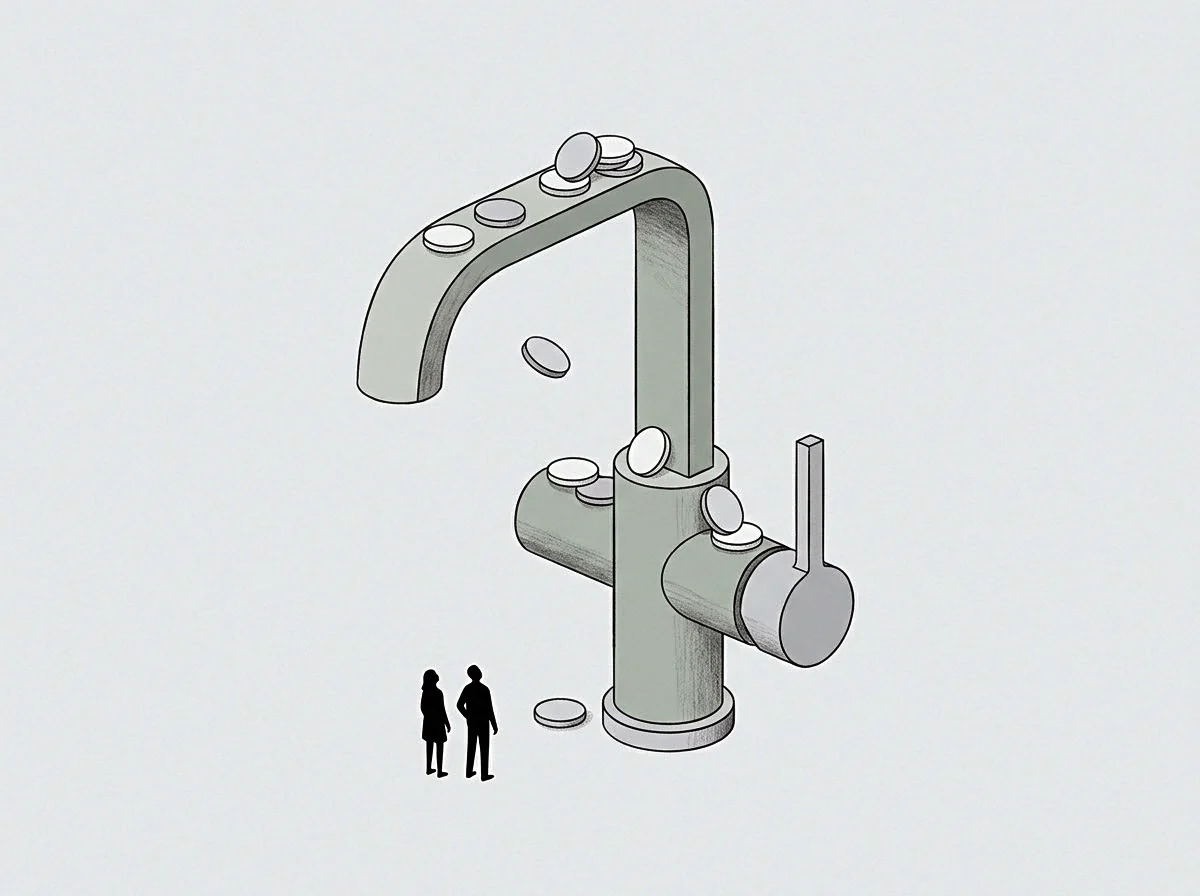
Drop
The bank notification arrives at four in the morning: a major customer reversed an expected deposit, leaving the operating balance forty thousand units below Friday payroll. The screen stays lit while cursor movement stalls. Deliberate planning stops there.
The person in the operating seat shifts from evaluating long-term technical specifications to running arithmetic on open payables, narrowing attention to the next twelve hours.
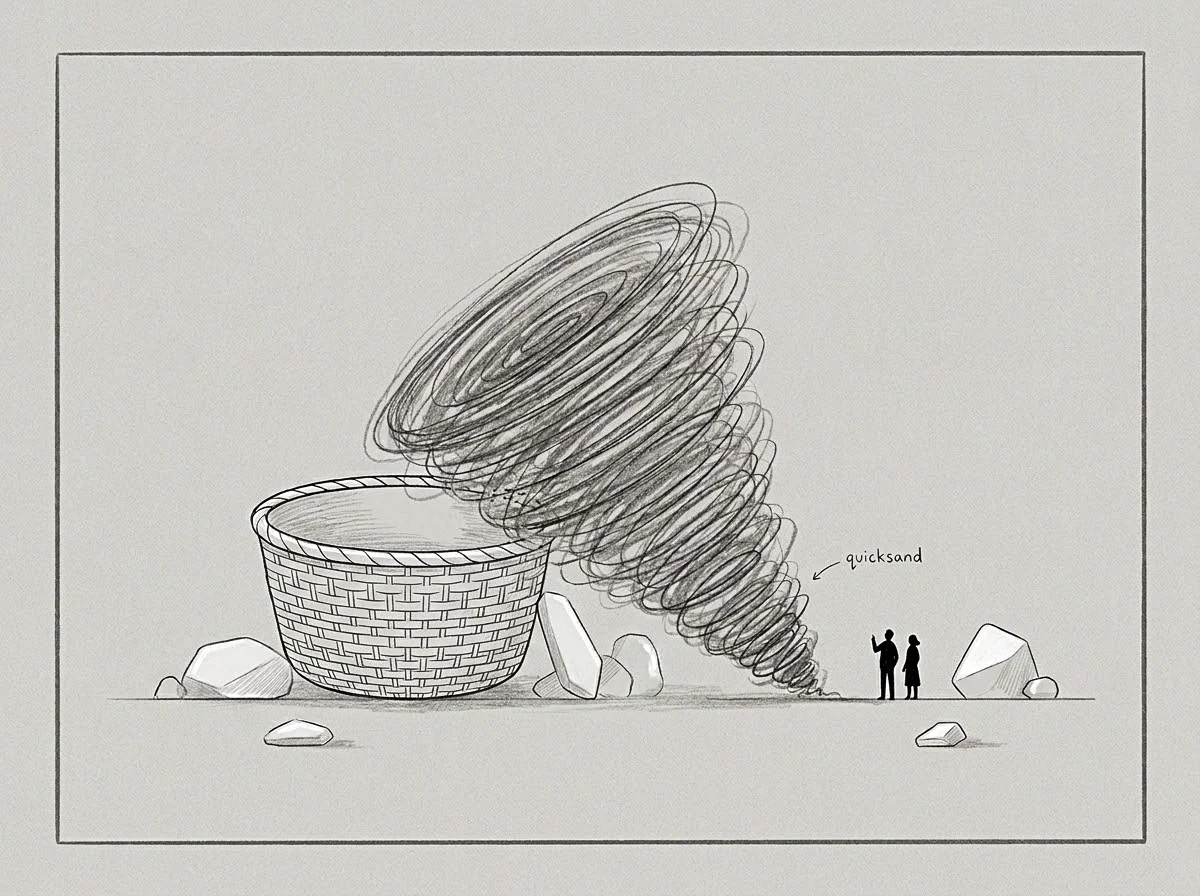
Mental resources drain before any physical action occurs. Behavioral research on scarcity demonstrates that acute monetary shortfalls impose a cognitive load comparable to an entire night without sleep. Working memory capacity shrinks, fluid intelligence measures fall by approximately thirteen percentile points in experimental trials, and executive control redirects toward immediate threats.
The process is termed attentional tunneling.
Acute cash deficits force immediate attentional tunneling that strips operating memory from complex execution.

Cognitive Overhead Of Immediate Solvency
Panic creates an unceasing background task. Unrelated design choices, code reviews, and client conversations are repeatedly interrupted by mental calculations of unpaid vendor balances. The human processing system handles competing threads poorly when survival cues dominate perception.
Research from behavioral economics shows that the poor and the suddenly cash-starved exhibit identical deficits in executive functioning: scarcity itself consumes cognitive bandwidth, leaving fewer cycles for processing ordinary tasks.
Solvency calculations consume substantial mental energy, looping continuously without producing new decisions. A founder checks the account ledger twelve times before noon. The ledger balance remains identical on every reload, yet the act of reloading delivers a brief sensation of control over an unstable environment while draining scarce stamina.
Bandwidth Depletion Under Acute Scarcity
Physiological arousal spikes when runway evaporates. Cortisol elevations impair prefrontal cortex function, degrading spatial reasoning and semantic recall as the body mobilizes for an imminent threat that cannot be solved by fight or flight. Because running out of capital threatens structural survival, the nervous system treats the shortage as an immediate physical predator.
The operator struggles to weigh distant consequences. When cash drops suddenly, the brain discounts future weeks at steep mathematical rates: selling permanent equity for two months of operational survival begins to look reasonable, and choosing high-cost vendor factoring appears benign during panic. Defaulting to short-term compromises degrades the firm long after the immediate payroll clearing resolves.
Vector
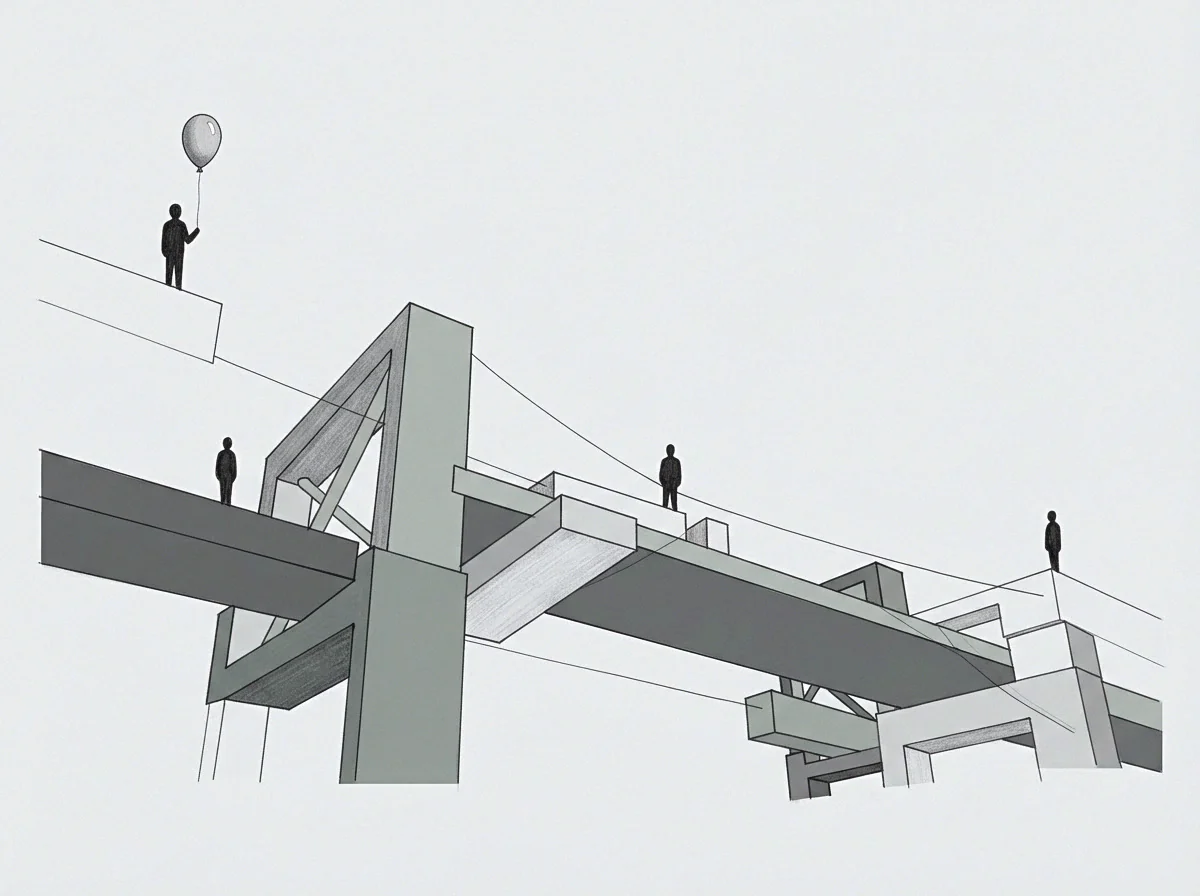
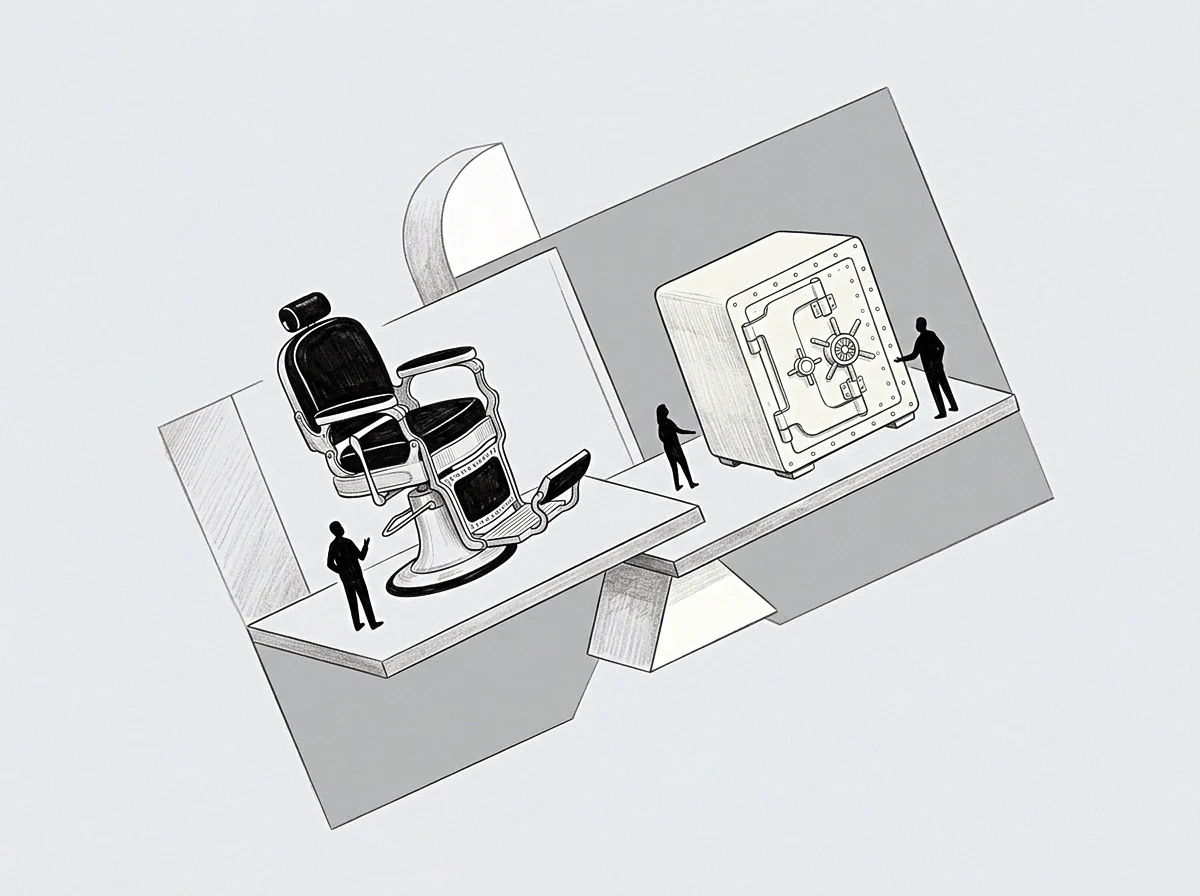
Every expenditure demands evaluation across several distinct lines rather than a single cash ledger. Capital forms only one element of an operating position. Time, cognitive reserves, trust, and technical capability shift alongside cash reserves.
When liquidity contracts violently, treating capital as the solitary metric guarantees total depletion of the remaining assets.
A cost behaves as an ordered sequence of burdens. One decision drains eighty units of capital while preserving thirty hours of executive focus. Another choice preserves cash entirely while destroying four days of technical development and exhausting three key engineers.
Viewing the trade as a simple cash-savings move blinds leadership to catastrophic capability losses.

The Ordinal Drain On Mental Capacity
Ordinal values describe priority sequences rather than cardinally measured totals. An operator cannot calculate the exact numeric price of focused attention, but an operator knows focused attention ranks above answering routine vendor inquiries. Preserving that focus demands strict ranking rules during an emergency.
- Cognitive bandwidth commands the primary ranking because complex problem solving degrades first during severe liquidity shocks.
- Operating hours occupy the secondary ranking tier where focused physical labor remains viable only while basic focus survives intact.
- Counterparty patience sits at the tertiary level where transparent debt communication preserves institutional trust without consuming hourly technical reserves.
- Liquid reserves represent the cardinal floor that converts mental commitments into contractually valid commercial survival.
The cardinal number on a balance sheet forces people into linear thinking, suggesting that cutting twenty percent across all categories yields balanced preservation. Linear cuts fail because cognitive systems collapse non-linearly under pressure.
A cost vector preserves stability only when mental capacity ranks above balance preservation.
Can Attention Recover Before Liquidity Stabilizes?
Recovery depends entirely on containment rules established early in the shock. If the person holding execution duties also manages all collections, panic settles into daily operations. Focus cannot stabilize while the collector role and the builder role inhabit the same chair.
Experiments on divided attention indicate that task switching carries a persistent cognitive residue. An engineer who spends twenty minutes negotiating an overdue cloud-hosting bill requires up to forty minutes to regain deep immersion in architectural code. Five financial interruptions consume an entire working day.
Attention will not recover while acute panic punctures every working block.
Attention functions as an unrecoverable resource during cash emergencies.

Wall
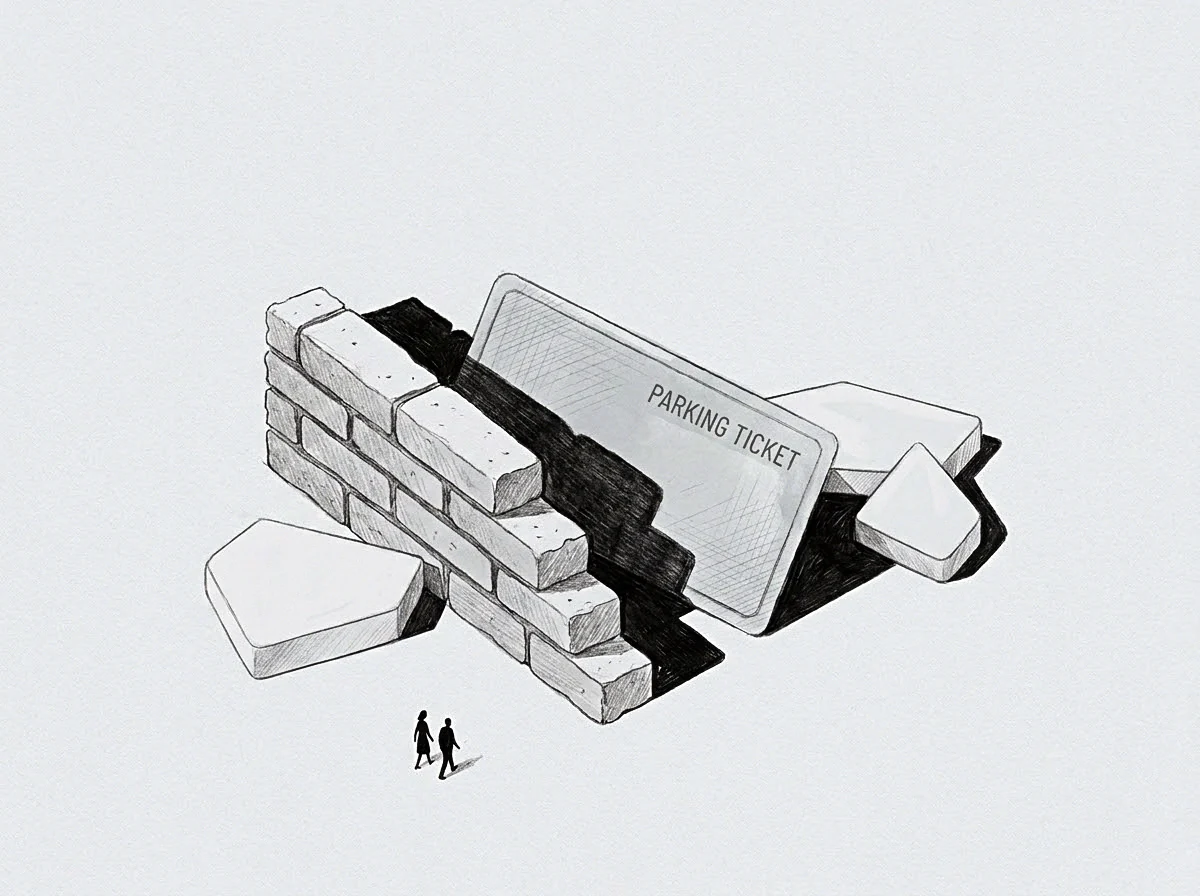
Containment requires physical separation of duties. The organization erects a structural partition between external liquidity panic and internal working execution. Without a deliberate firebreak, treasury anxiety infects every technical contributor, slowing progress to a standstill precisely when velocity is needed to generate incoming receipts.
Shielding execution is essential: one designated leader absorbs every collector phone call, investor panic message, and banking demand, while the remainder of the team stays locked inside technical delivery, blind to hourly balance shifts. The team continues building customer-facing value while the buffer deals with solvency mechanics.

Structural Isolation Of The Operating Desk
Isolating the workforce protects core output. In small firms, this boundary often requires an explicit pact between two partners: one partner steps into the storm, fielding every angry supplier and crafting payment schedules, while the other insulates the product team so work continues on deployable output.
- Assigning the buffer role transfers every solvency communication to a single owner while freeing other staff from administrative panic.
- Freezing real-time access removes shared banking dashboards from technical screens to prevent habitual balance checking.
- Establishing scheduled briefings concentrates cash updates into a single twenty-minute window every forty-eight hours.
- Delegating commercial outreach ensures customer collections proceed systematically without dragging engineering staff into cash discussions.
Information discipline matters because broadly broadcasting cash panic does not motivate teams to work faster. Acute panic triggers resume polishing, clandestine job hunting, and fragmented work habits. Silence preserves the baseline trust required to complete delivery cycles.
A designated buffer role shields operational velocity by absorbing external commercial friction.

Firewalls Against Constant Balance Verification
Checking account balances acts like a compulsive reflex during crises. Checking provides brief emotional discharge without resolving the underlying mathematical imbalance. Removing banking access credentials from operating workstations stops this compulsive loop.
Set hard rules for financial inspection. The buffer role reviews incoming checks and wire confirmations at ten in the morning and four in the afternoon; between those markers, financial windows remain closed. That discipline protects deep execution blocks from constant panic intrusion.
The ninety-day standstill clause prevents immediate vendor litigation while preserving working focus for revenue creation.
Ration
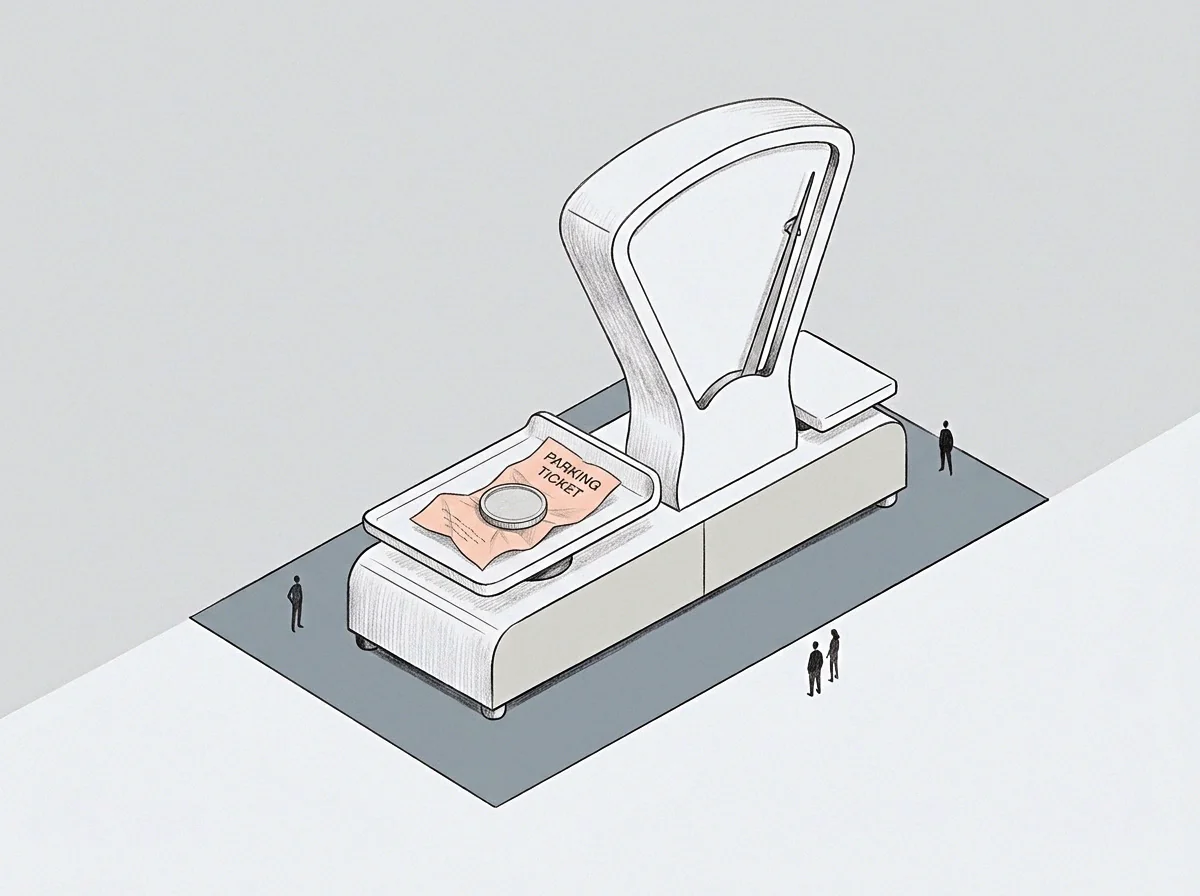
Severe cash compression demands immediate operational sorting. Routine activities forfeit their claim to attention, and tasks that do not generate cash within fourteen days get shut down immediately, regardless of long-term strategic promise. Survival requires radical conservation of stamina for immediate revenue pathways.
The firm separates essential obligations from discretionary promises. Fulfilling active client deliverables takes precedence over roadmaps, obsolete database cleanup stops, and internal reorganization halts so that working hours remain dedicated to direct value delivery.

Triage Tradeoffs In Short Runway Environments
Decisions during liquidity compression require explicit comparative criteria. Leaders weigh capital preservation against the cognitive burden placed on staff. Table 1 outlines the operational tradeoffs between traditional accounting reductions and vector-aware triage protocols.
| Intervention Approach | Direct Cash Impact | Cognitive Overhead | Velocity Retention |
|---|---|---|---|
| Across-the-board spending freezes | Immediate cash reduction | Extreme friction on routine tooling | Severe delivery collapse |
| Selective vendor deferral | Moderate liquidity preservation | High focus consumed by negotiation | Moderate operational delay |
| Single-buffer renegotiation | Structured liquidity extension | Isolated to designated negotiator | Complete focus on production |
| Emergency factoring discounts | Rapid capital inflow | Low daily distraction | High gross margin degradation |
Applying uniform percentage cuts across an organization damages fragile execution vectors. A ten percent cut to essential build infrastructure destroys forty percent of engineering throughput. Selective preservation keeps the core engine running while trimming peripheral weight.

The Arithmetic Of Delayed Counterparty Concessions
Negotiating payment extensions demands clarity. Calling a vendor without a specific proposal invites immediate service suspension. Approaching a creditor with a definitive, smaller weekly payment plan preserves goodwill and service continuity.
Creditors prefer modest certainties over broad defaults. Offer thirty percent of the outstanding invoice immediately, with the remaining balance split across three future milestones. This structure keeps software licenses active, preventing costly technical disruptions.
The negotiation belongs entirely to the buffer role.
Transparent payment schedules preserve working continuity without burning executive problem-solving time.
Payment will follow the verified release of customer funds on the fifteenth of next month.
Sum
Operating through a liquidity crisis tests structural design. The baseline indicator of durability is not the size of cash buffers, but the resilience of collective focus when reserves vanish. When leadership manages attention with the same rigor applied to cash, the company remains functional under immense pressure.
The shock eventually passes, through recapitalization, debt renegotiation, or accelerated customer receipts. What remains afterward is either a fractured team with broken trust or an intact operational core capable of rapid acceleration. The difference lies in how well attention was defended during the shortfall.
Long Run Consequence Of Scarcity Drift
Prolonged crises breed persistent habits. Teams accustomed to emergency measures struggle to return to thoughtful, long-horizon development. The short-term survival pattern becomes an institutional default, blinding the firm to emerging market shifts.
Leaders actively decommission crisis habits once capital normalizes.
The cost vector reveals its full weight here. If cash survival came at the expense of team trust and architectural integrity, the company bought time while destroying its competitive engine. Operational preservation means reaching liquidity equilibrium with working capacity fully intact.

Preserving Core Execution Under Liquidity Shocks
Execution remains the sole path out of solvency traps. Marketing slogans and investor pitch adjustments cannot substitute for shipping verified value to paying counterparties. The operating desk must stay focused on shipping product, unburdened by balance sheet panic.
Focus represents the primary multiplier of human effort. In moments of extreme liquidity strain, defending focus becomes the primary operational duty: keeping the perimeter secure, letting the buffer absorb the shocks, and permitting the makers to make.
Whether an organization can rebuild strategic patience after months of acute operational survival remains an open question.