
Resolving The Tradeoff Between Urgent Incident Latency And Long Horizon Infrastructure Synthesis
Prioritizing emergency incident latency consumes uninterrupted engineer capacity, converting invisible ordinal debt into recurring cardinal operational failures over time.
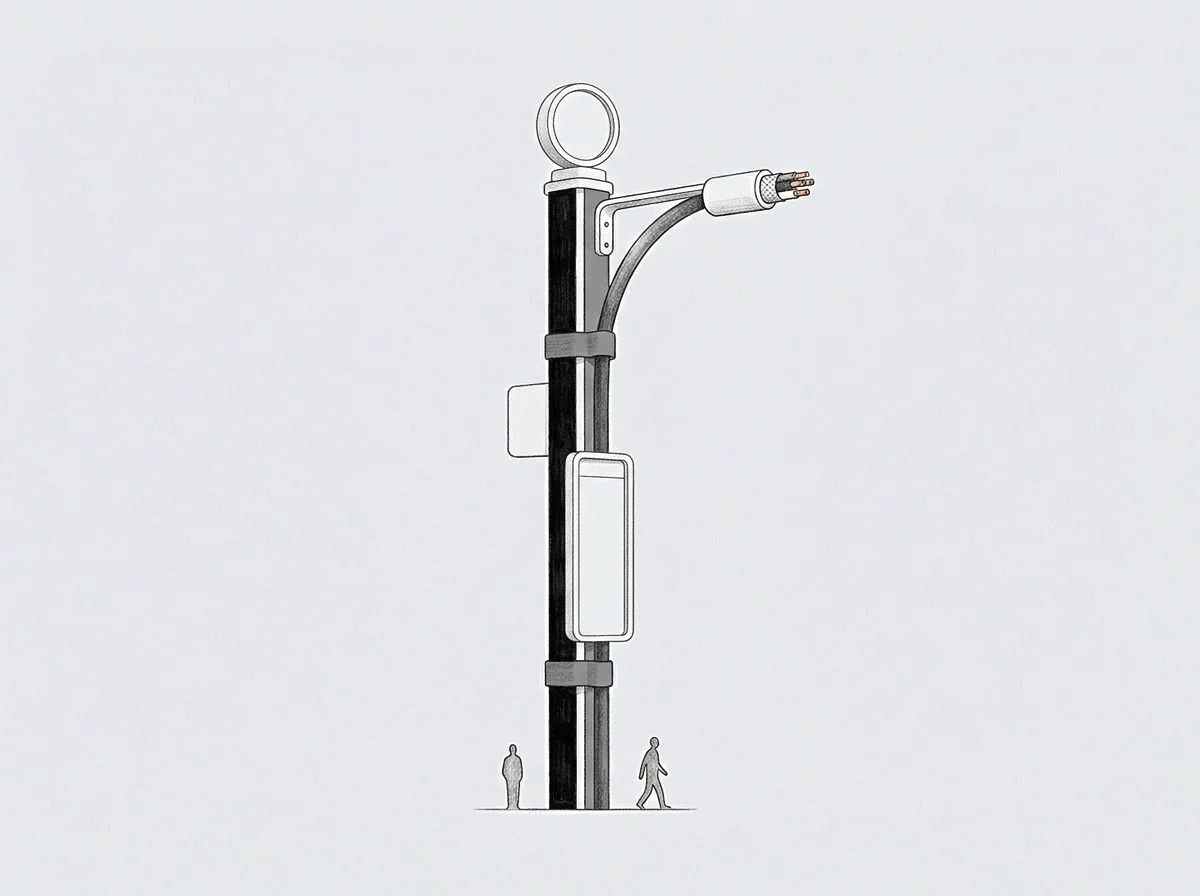
Spike
An engineer on duty gets paged at two in the morning, pulled mid-thought from database schema partitioning to address a production memory leak. Triage fixes the service and keeps resolution metrics looking good, but it completely destroys the engineer’s mental working model. The service stabilizes quickly while the structural redesign sits half-finished, requiring hours of re-orientation when work resumes days later.

Active Interrupt Latency and Context Eviction
Emergency calls force immediate cognitive shifts, clearing working context built up over hours. Dashboards capture response speed in minutes, marking the incident resolved. What that cardinal figure misses is the context eviction cost, an ordinal cost paid in lost focus and abandoned architectural design.
The engineer restores service health, but the structural overhaul takes a direct hit.
An engineer pulled from structural work loses four hours of momentum for every thirty minutes spent on an active outage.
Constant triage skews engineering focus toward short-term firefighting. When operational health is evaluated solely on emergency latency metrics, structural maintenance routinely gets pushed aside. Every interruption resets cognitive context, compounding the effort required for complex refactoring.
Context switching ultimately turns scheduled infrastructure work into a cycle of quick patches.
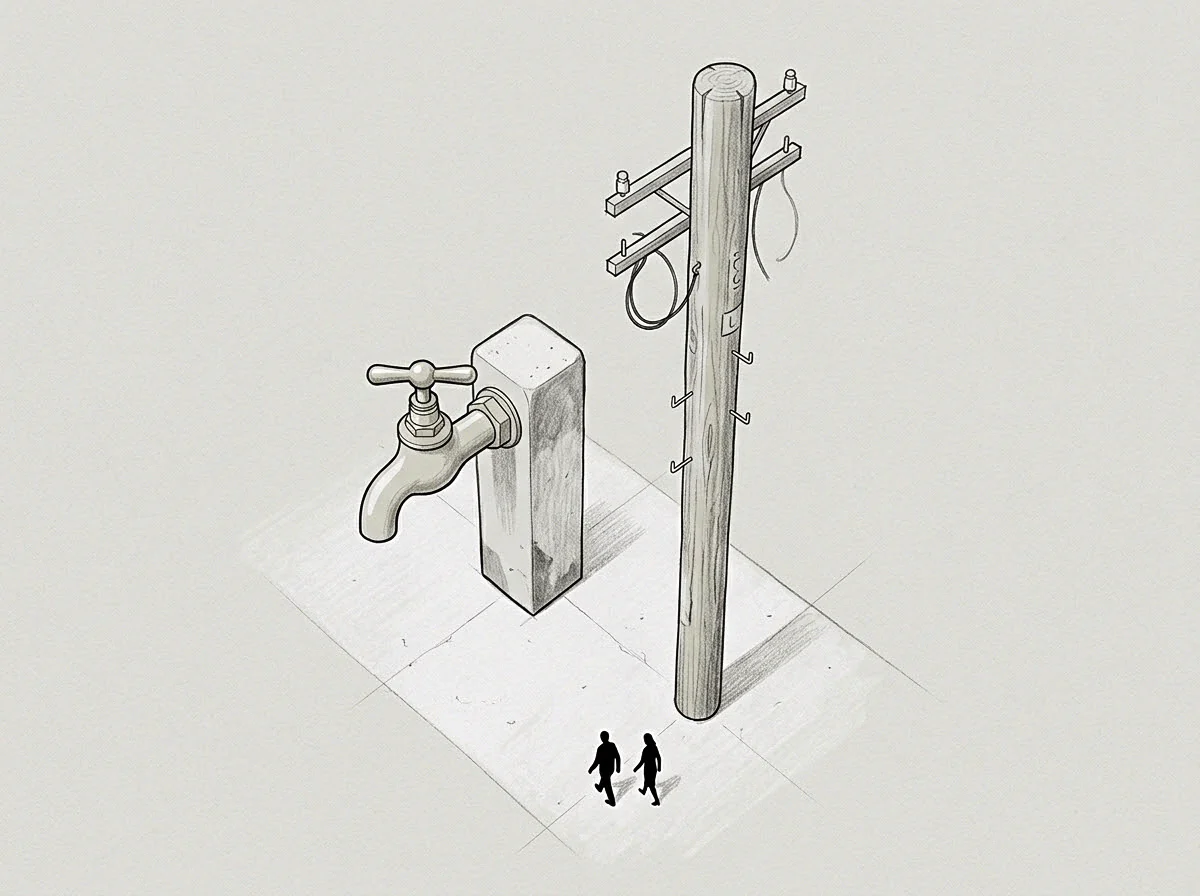
Erosion
Tracking mean time to resolution measures quick response speeds while masking the ordinal cost of lost focus. Teams optimize for latency metrics because outage duration is visible to leadership and users, whereas long-horizon infrastructure work yields quiet efficiency gains that rarely show up in weekly status reports.

Quantifying Systemic Degradation Across Operational Horizons
Engineering orgs log incident response times down to the second, feeding cleanly into SLA calculations and executive dashboards. Systemic degradation from delayed architectural work accumulates far more subtly across multiple quarters, piling hidden debt beneath the application layer while teams absorb the daily strain.
| Dimension | Incident Response | Infrastructure Synthesis |
|---|---|---|
| Measurement Scale | Cardinal minutes and SLA compliance | Ordinal capability and system stability |
| Operational Horizon | Immediate operational windows | Extended quarterly planning periods |
| Primary Vector | Restoring baseline application service | Expanding future system throughput capacity |
| Direct Cost | Immediate engineering hours spent | Unstated delay of foundational features |
| System Capacity Impact | Depletes short-term attention reserves | Expands long-term operational volume |
Prioritizing speed of resolution over fundamental architectural improvements changes engineering behavior. Teams adapt to constant interruptions by shipping smaller, localized patches that reduce immediate risk while quietly inflating long-term codebase complexity.
- Cardinal bias encourages engineering leads to prioritize metrics visible on executive dashboards over deep structural refactoring.
- Deferred synthesis causes repeated minor outages that consume team focus without resolving underlying architectural flaws.
- Attention drift converts senior infrastructure engineers into perpetual incident commanders, halting long-term progress.
Unresolved technical debt steadily erodes overall system stability. Primary systems remain operational, but maintaining that baseline demands more effort with every emergency patch. An engineering team can only absorb so many context switches before architectural integrity fails completely.

Shelf
Postponing deep structural improvements leaves half-built patterns to age and decay in the codebase. Components left half-factored gather edge-case bugs that make eventual refactoring far harder, until minor system anomalies begin triggering major outages.
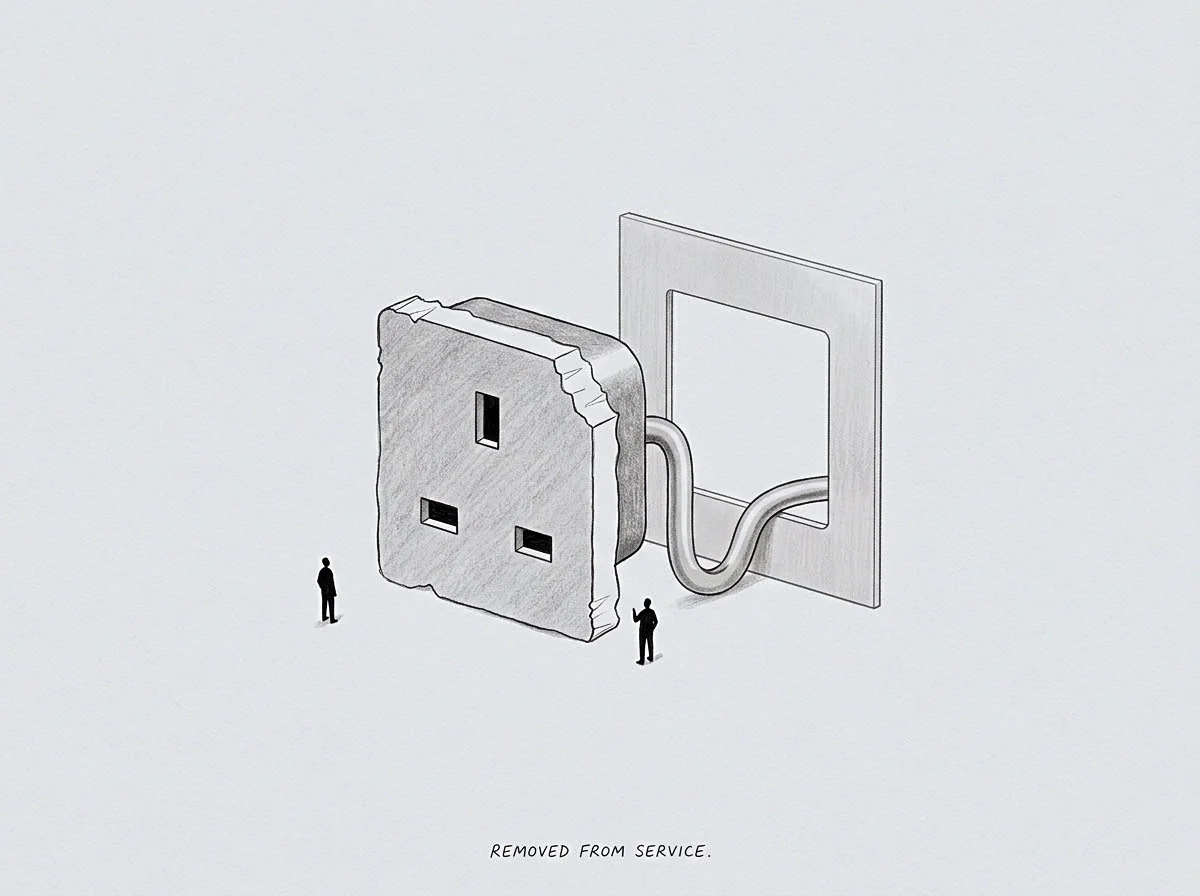
Do Incident SLA Target Metrics Prevent Long Horizon Synthesis?
Strict restoration targets encourage quick patches over lasting repairs. Standard service level agreements reward rapid recovery, leading engineers to bypass root-cause analysis in the rush to restore service, a dynamic that leaves foundational platform bugs in place to trigger future incidents.
When emergency response protocols consume reserved engineering capacity, structural debt accumulates exponentially across the infrastructure.
Consider a telemetry platform team operating eight services across a rapidly growing infrastructure. Over twelve months, emergency incidents average three major events per week, taking four engineering hours per incident. On paper, the team maintains an impressive mean time to resolution of under twenty minutes.
Off the ledger, the team spends fifty-two engineering hours every month simply resetting service instances and clearing deadlocks. The hours vector spent on reactive triage swallows the entire budget allocated for data store partitioning. After one year, the unaddressed partition limits force a complete system outage that takes thirty-six hours to repair, wiping out months of SLA gains in a single event.
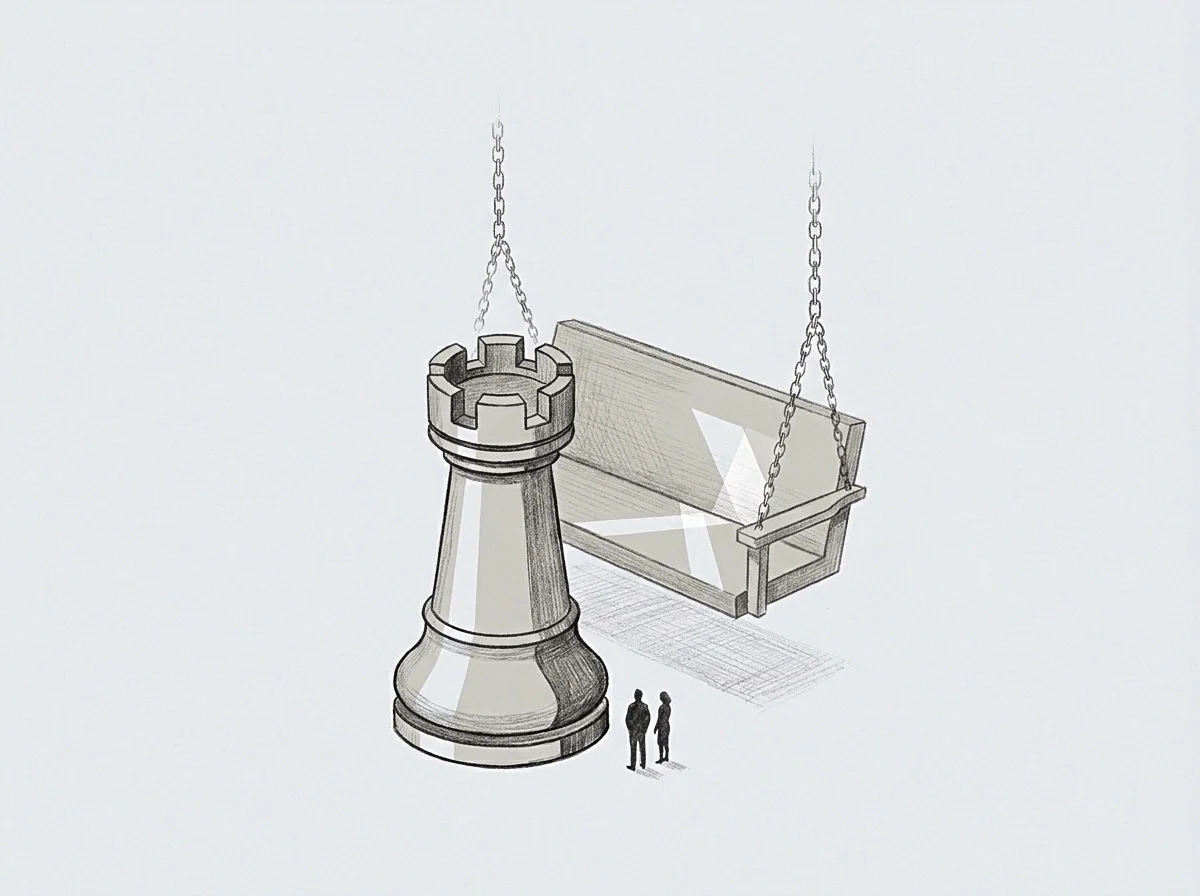
Partitioning Time for High Variance Environments
Protecting focused blocks of development work requires clear boundaries. High-variance environments route incoming outages to anyone available, shattering concentration. Without firm walls between on-call shifts and core architectural work, reactive tasks continuously devour planned engineering cycles.
Engineering leads balance these demands by tracking the ratio of incident response to uninterrupted design time. When emergency duties consistently exceed twenty percent of total capacity, structural engineering halts. Resilience degrades and critical outages accelerate.
Firmly protecting a twenty percent reservation for uninterrupted architectural work shifts recurring outage trends within two quarter cycles.

Tax
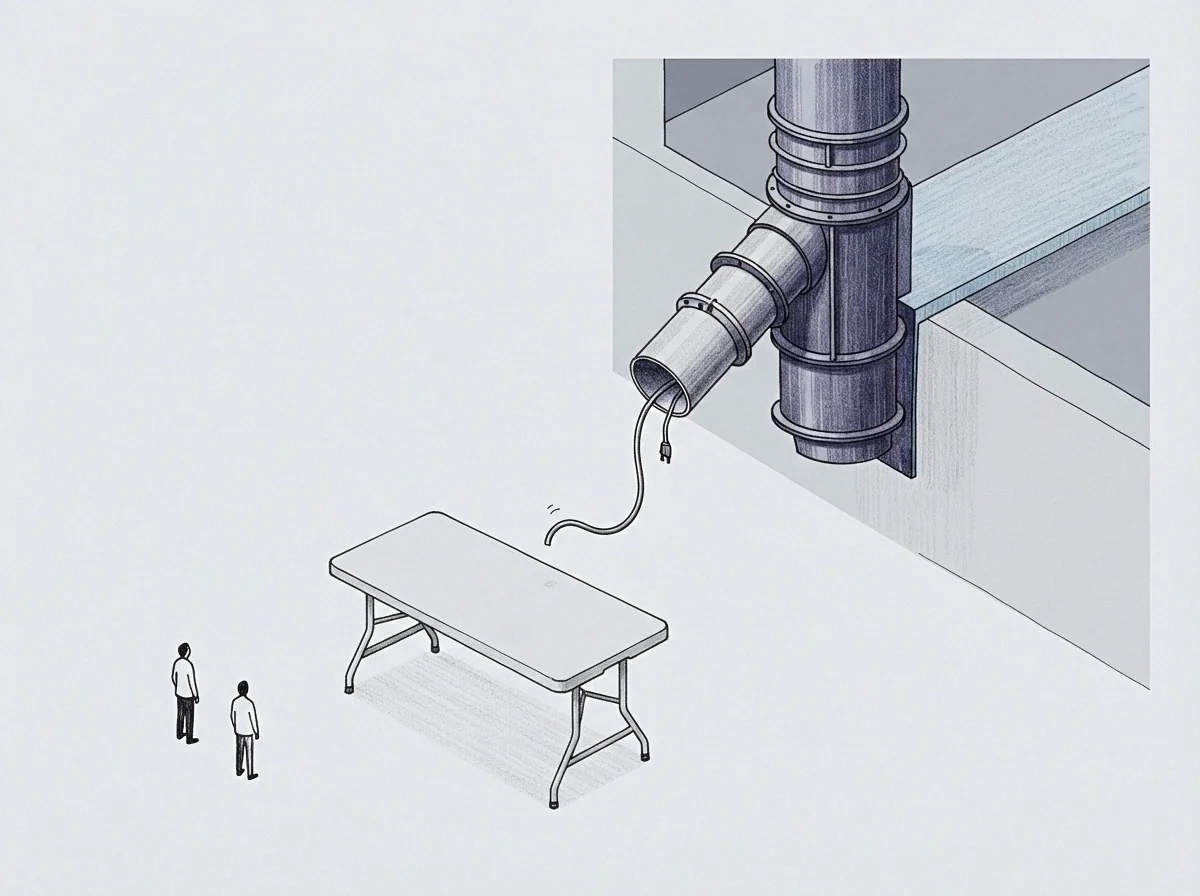
Every context switch levies an unbilled tax on engineering throughput, taking its toll in lost focus, team fatigue, and missed architectural milestones. While leadership sees the immediate downtime cost of an outage, the true expense remains hidden in ongoing operational drag.
Converting Internal Engineering Costs to External Capacity Figures
Translating context switches into concrete business metrics requires transparent tracking. Teams document operational drain by logging lost engineering hours alongside incident reports. Spelling out the covert contract behind quick fixes makes explicit what the organization sacrifices during every disruption.
- The team logs every recurring operational interruption that surfaces more than twice during a single operating quarter.
- Senior engineers translate hours spent on emergency response into delayed structural milestones.
- Management isolates specific team members from operational paging rotations for two-week blocks to complete core synthesis work.
Stating the hour vector of incident interruptions during quarterly allocation meetings prevents structural infrastructure projects from being abandoned silently.
Quantifying the capability gained through uninterrupted refactoring helps leaders evaluate operational tradeoffs accurately. Providing dedicated execution windows for core work substantially improves long-term stability, while shielding that time from incident queues keeps engineering momentum intact through high-volume periods.
Filter
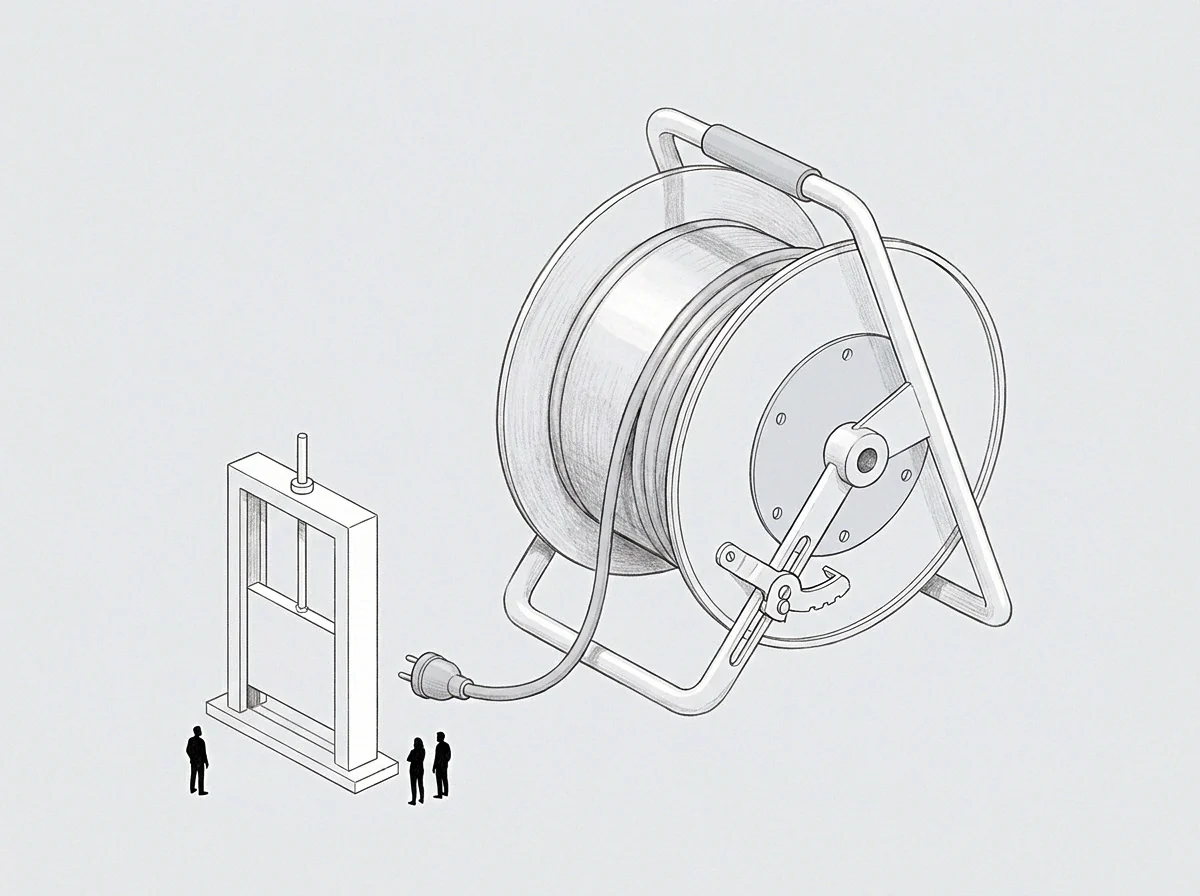
Shielding complex technical tasks from routine operational noise stabilizes development throughput. Establishing a clear boundary creates an operational floor that protects engineering focus when incident volume spikes. Rotating engineers between triage duty and shielded project blocks keeps long-term momentum alive.
Architectural Reserves and Sustained System Capacity
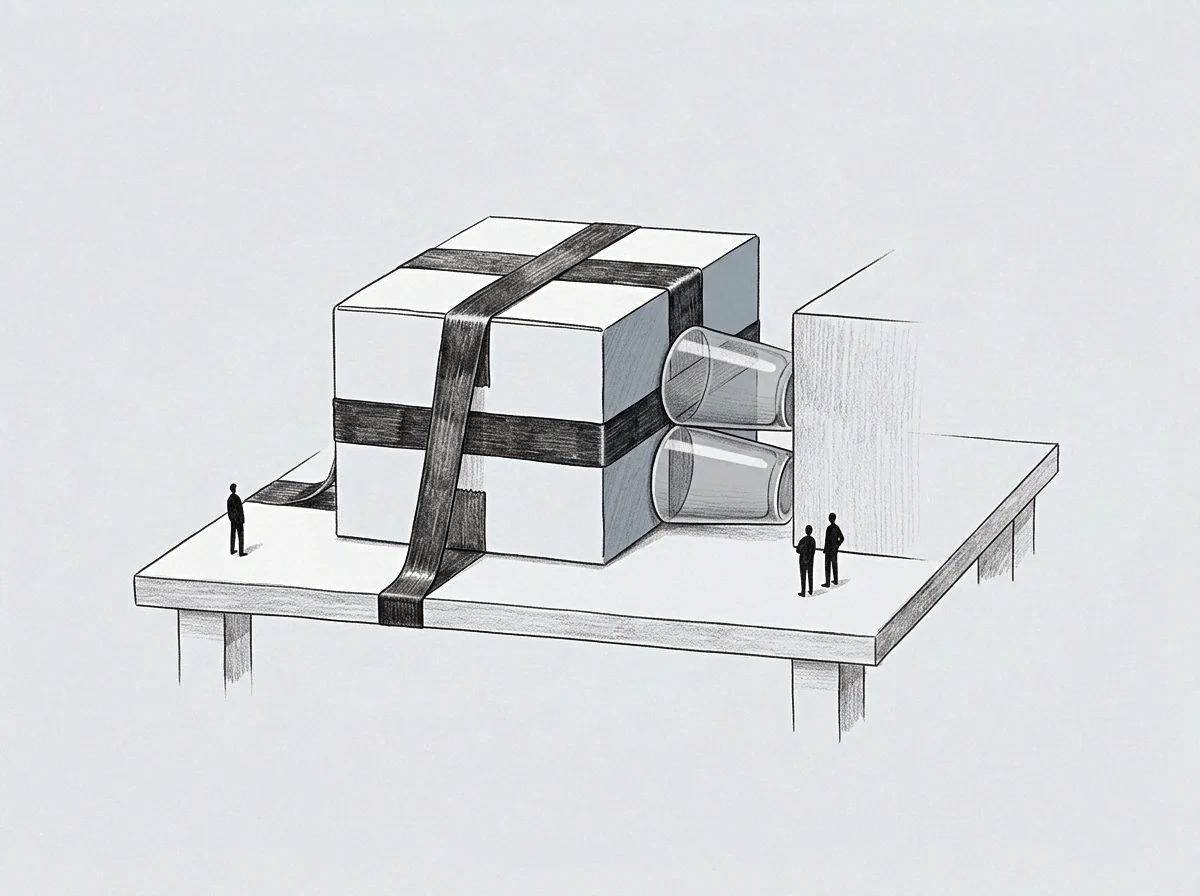
Reserving dedicated hours for foundational engineering preserves software integrity over time. An explicit capacity reservation ensures refactoring moves forward despite background noise, preventing daily firefighting from monopolizing the engineering agenda.
Sustained capacity comes from treating structural work as an unyielding operational constraint. Enforcing dedicated focus blocks builds system resilience that reduces incident frequency over time. When boundaries protect core work, technical debt drops and stability holds across long operational horizons.