
Structural Dilution and Liquidation Overhang in Distressed Capital Agreements
Senior liquidation preference stacks and pay-to-play conversion rules compress junior equity option value by shifting priority claims above historical common shares.
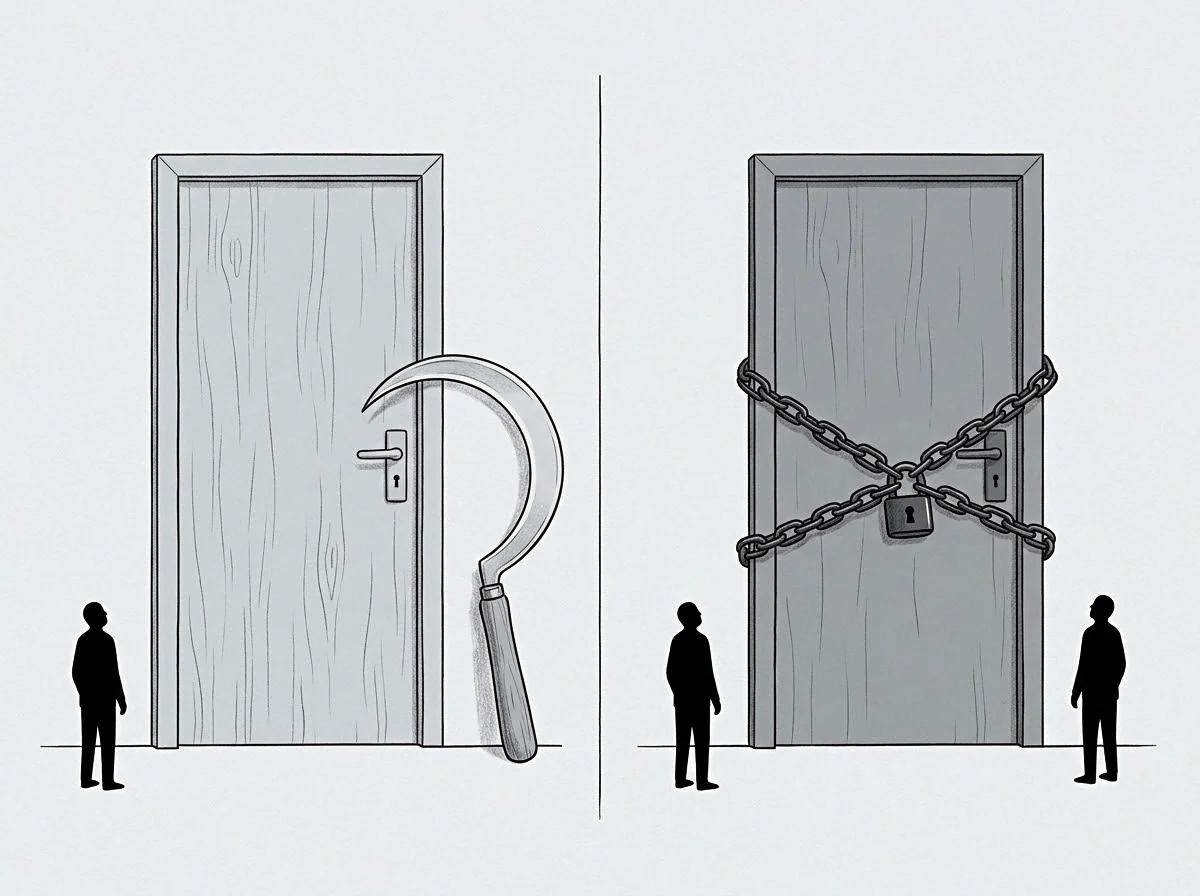
Stack

Preference Seniority and Equity Compounding
Ordinary share issuance reduces ownership percentages across all existing equity holders equally. Senior capital structures introduce a priority sequence that alters how exit proceeds move through a capitalization table. Economic dilution measures the percentage decline in nominal equity ownership resulting from new share creation.
Structural dilution alters the priority order of capital claims, placing new preference rights above prior equity classes in the liquidation waterfall. When a distressed enterprise raises capital under unfavorable operating conditions, incoming investors typically demand senior liquidation preferences, participating rights, or guaranteed returns. These contractual rights construct a liquidation overhang where the aggregate liquidation preference exceeds the enterprise value of the firm.
Capital carries a priority order. In early financing stages, liquidation preferences remain simple, standard one-times non-participating preferred shares. As an enterprise encounters operational distress, incoming emergency capital demands preferred multiples ranging from two to four times invested capital.
Senior preference rights establish that new capital must be returned in full before junior preference tiers or common equity holders receive cash distributions. The structural overhang expands when incoming capital includes participating preferred terms, allowing the investor to collect their liquidation multiple and subsequently share in remaining proceeds alongside common equity holders.
Senior liquidation preferences alter distribution waterfalls by establishing priority claims that must be satisfied before common equity receives exit proceeds.
The accumulation of preferred preferences alters the option value of junior equity. Valuation figures stated during recapitalization rounds frequently mask this priority structure. A headline enterprise valuation might suggest that common stock retains material economic worth, while the underlying preference structure guarantees that exit proceeds up to a specific threshold flow exclusively to senior securities.
Common equity in a distressed enterprise acts as an out-of-the-money call option on the firm’s total asset value, where the strike price equals the sum of all senior liquidation preferences and accrued dividends.
| Exit Valuation Level | Senior Debt and Senior Preferred Claim | Junior Preferred Equity Claim | Common Equity Aggregate Claim | Common Option Option Value State |
|---|---|---|---|---|
| Deep Downside Exit | Partial Recovery (100% of proceeds) | Zero Recovery | Zero Recovery | Deeply Out-of-the-Money |
| Preference Breakeven Exit | Full Recovery (100% Liquidation Multiple) | Zero to Partial Recovery | Zero Recovery | At-the-Money Boundary |
| Moderate Upside Exit | Full Recovery plus Participation Right | Full Liquidation Multiple | Residual Proceeds Remaining | In-the-Money Option Value |
Overhang alters incentive structures. When the sum of senior preferences exceeds realisable enterprise asset value, common equity holders and early investors experience complete economic detachment from business performance. Incremental improvements in enterprise value accrue entirely to senior preferred holders until the preference threshold is cleared.
The common equity holders carry the full operational burden of execution while holding an option that requires an exponential increase in company performance to yield positive monetary recovery.
Calculating the true magnitude of structural dilution demands mapping exit outcomes across a realistic spectrum of enterprise valuations. Distressed capital terms that seem minor during emergency cash injections systematically absorb future equity upside. An enterprise that accepts a three-times senior liquidation preference on a twenty-million-dollar emergency round adds sixty million dollars of absolute preference overhang above all existing capital classes.
When senior preference stacks are accepted without modeling exit distributions, existing equity holders convert their ownership into an unpriced insurance buffer for incoming senior capital.
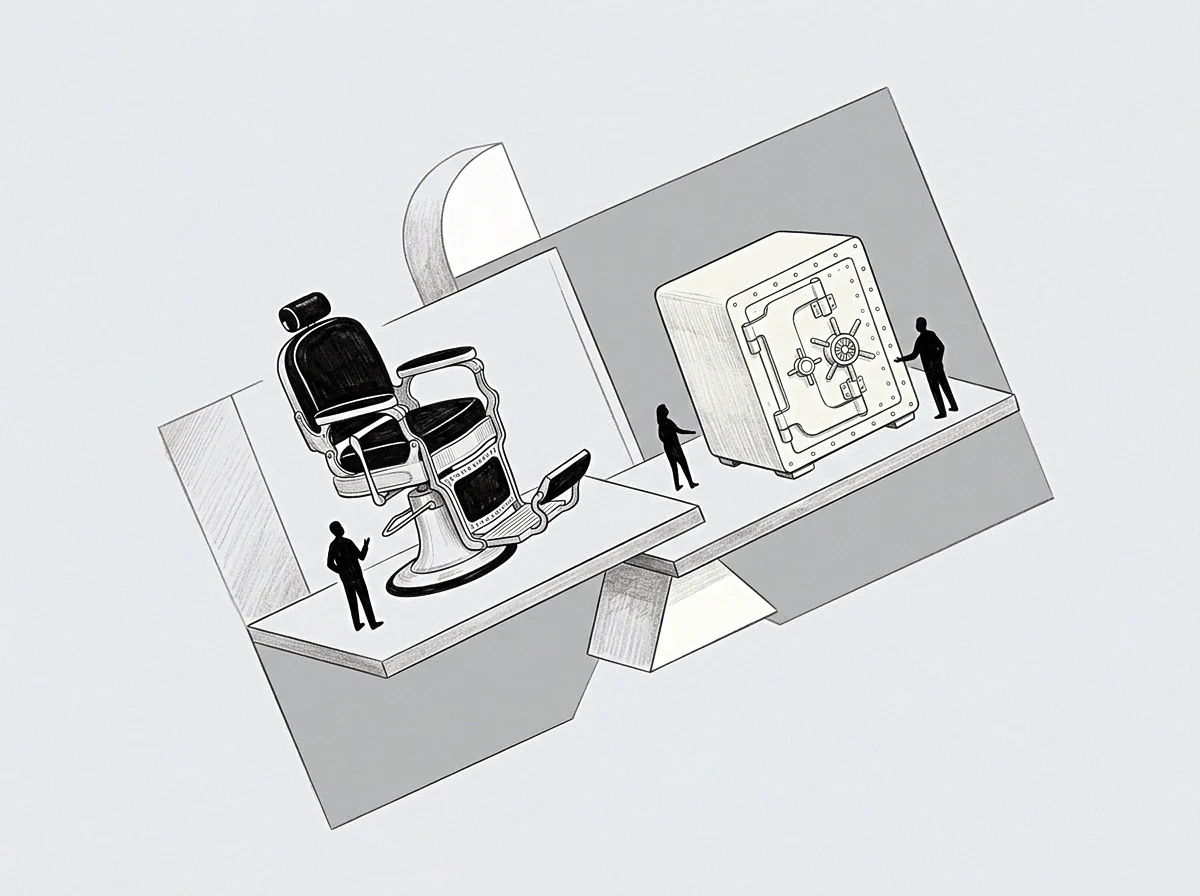
Sieve

Pay-to-Play Mechanics and Mandatory Conversion
Distressed capital agreements routinely incorporate mechanisms designed to force existing investors to participate in down-round rescue financings. Pay-to-play clauses act as contractual filters, penalizing capital holders who decline to invest their pro-rata share of emergency funding rounds. Existing preferred shareholders who do not participate lose their anti-dilution protections, forfeit voting rights, or undergo mandatory conversion into common stock.
Mandatory conversion strips away historical liquidation preferences, placing non-participating investors into the junior equity tier where liquidation overhang is most acute.
- Pull-Through Conversion forces non-participating preferred shareholders to convert into common equity, relinquishing senior liquidation rights and historical anti-dilution protections during emergency financings.
- Full-Ratchet Reset adjusts the conversion price of existing preferred shares downward to match the exact lower share price of a new capital round, causing severe economic dilution to un-protected holders.
- Senior Carveout Reserve allocates a dedicated pool of preferred proceeds or management incentive units that bypass standard waterfall priority to maintain key operational personnel.
- Warrant Coverage Ratio attaches free or deeply discounted share purchase rights to incoming senior debt, creating an ongoing equity dilution overhang that triggers upon operational recovery.
Unfunded rights reset rights. Broad-based weighted average anti-dilution protections mitigate price-based dilution by adjusting conversion ratios based on the relative size and price of new share issuances. Full-ratchet anti-dilution provisions reset the conversion price of existing preferred shares to the price of the new round regardless of how few shares are issued.
In a distressed down-round, full-ratchet mechanics trigger massive share issuances to protected investors, compressing non-participating equity percentages to fractional levels.
Pay-to-play provisions strip historical preferred rights from non-participating investors, converting their holdings into junior common stock.
Recapitalization structures often combine pay-to-play mandates with reverse stock splits to consolidate ownership into the hands of incoming investors. A typical distress recapitalization reduces existing total share count through a high-ratio reverse stock split, resets common equity ownership, and issues senior preferred shares to participating investors. Non-participating shareholders find their relative equity position reduced on two distinct vectors simultaneously: their preferred rights are cancelled through mandatory conversion, and their total share count is compressed by the equity restructuring ratio.
The operational consequence of structural filtering mechanisms is the complete realignment of board governance and investor control. Participating investors assume control over corporate approvals, waiver rights, and sale consent thresholds. Non-participating investors lose the legal standing required to block subsequent dilutive financings or approve distressed acquisition offers.
The pay-to-play threshold clause determines whether an existing investor retains a seat at the transaction table or absorbs structural conversion into common equity.

Rung
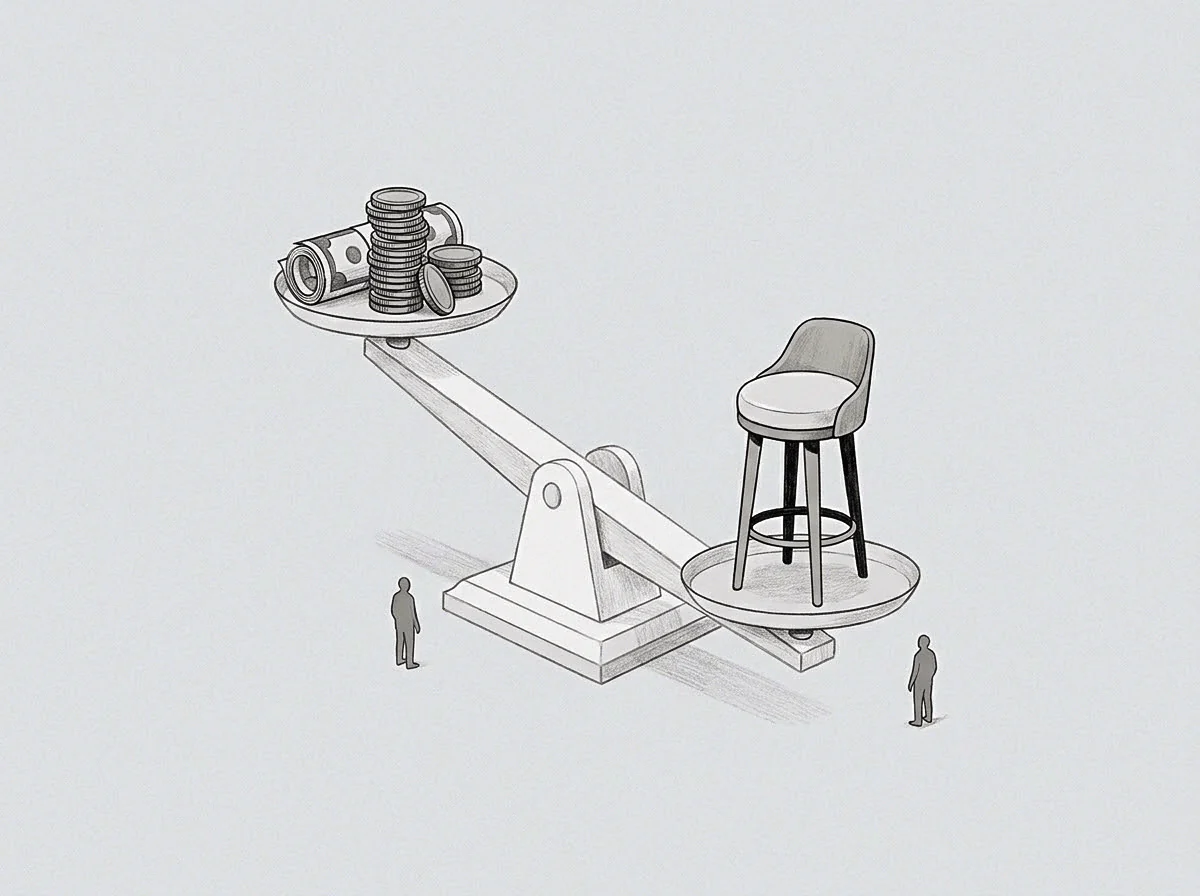
Senior Distress Financing and Management Carveouts
Emergency capital interventions introduce structural priority mechanisms that operate above existing equity hierarchies. When an enterprise faces an immediate liquidity shortfall, senior lenders or specialized distressed capital providers offer bridge facilities, convertible notes, or debtor-in-possession style financing packages. These instruments secure first-lien claims on unencumbered corporate assets or establish senior administrative priority over all existing capital classes.
Debt instruments carrying conversion features allow lenders to claim equity ownership if the business stabilizes, while preserving debt claims if liquidation occurs.

Does Senior Debt Conversion Preserve Common Equity Option Value?
Senior debt conversions eliminate immediate cash interest liabilities but convert creditor priority claims into permanent preferred equity overhang. Lenders exchanging defaulted or distressed debt for senior preferred stock usually negotiate board control, liquidation multiples, and approval rights over exit transactions. Downside outcomes hit common equity.
Converting debt to preferred stock reduces immediate insolvency risk, yet the absolute preference stack above common equity remains unchanged or expands due to accrued interest roll-ups and restructuring fee additions.
Management incentive carveouts allocate exit proceeds directly to operational leadership before standard liquidation waterfalls distribute funds to equity tiers.
As senior liquidation preferences accumulate, common equity option value approaches zero, creating a severe operational hazard. Key employees and executive leadership whose incentive compensation relies on historical common equity options lose all monetary incentive to maintain operations. To prevent key personnel departure during operational restructuring, distressed capital agreements construct senior management incentive plans or transaction carveouts.
Management incentive carveouts siphon a fixed percentage of exit proceeds directly to key executives, taking priority above preferred equity waterfalls.
Management carveout pools alter the traditional priority spectrum by positioning operational retention payouts ahead of junior preferred and common equity holders. While necessary to maintain business continuity, these pools increase the total structural barrier that existing equity must clear to achieve economic recovery. Existing investors absorb the full weight of this allocation.
The effective payout to junior equity classes is reduced by both the senior investor preference multiple and the management retention pool deduction.
The senior capital provider maintains the stance that emergency liquidity requires complete downside protection and maximum equity capture to justify rescue risk.

Draft

Conversion Traps and Option Value Decay
Convertible debt and preferred stock feature conversion ratios that determine the precise number of common shares received upon option exercise. Structural dilution occurs when emergency capital agreements include dynamic conversion price adjustments tied to operational metrics, follow-on valuation thresholds, or time-based ratchets. Time-based ratchets lower the conversion price automatically if the enterprise fails to achieve specific revenue milestones or secure a qualified public offering within a designated timeframe.
As the conversion price adjusts downward, the potential share issuance to senior holders expands exponentially.
Dilution changes equity percentages. Dynamic conversion clauses create systemic conversion traps, where poor operational performance automatically triggers share creation for senior security holders. This dynamic share creation reduces the ownership percentage of existing common holders without injecting new cash into the business balance sheet.
Existing equity holders experience a compounding loss of option value as operational delay triggers automated equity transfers to senior investors.
Dynamic conversion price ratchets expand senior share issuance automatically when an enterprise misses operational milestone deadlines.
Valuations mask underlying preference debt. A recapitalization agreement may establish an initial headline price per share that appears reasonable to historical equity holders. However, embedded warrant coverage, cumulative dividend rates, and redemption rights systematically reduce the effective equity value over time.
Cumulative preferred dividends accrue at fixed annual percentages, adding directly to the aggregate liquidation preference balance sheet. An eight percent cumulative dividend on fifty million dollars of preferred equity adds four million dollars of priority liquidation overhang every year, steadily eroding common option value regardless of operational stability.
Option value decays over time. The interaction between cumulative dividends, anti-dilution ratchets, and liquidation multiples causes common equity value to degrade continuously in a stagnant enterprise. Even if business enterprise value remains constant, the expanding senior preference balance absorbs a larger share of the total asset pool every quarter.
Historical equity holders who evaluate their equity position based purely on static enterprise valuation figures fail to observe the continuous migration of net equity value toward senior preferred accounts.
Senior preference stacks compound faster than operational turnaround efforts generate net enterprise value.

Toll

The Vector of Attention and Executive Capacity Cost
The process of negotiating distressed capital terms imposes a severe operational cost that extends far beyond direct legal fees and equity ownership dilution. Managing complex restructuring negotiations requires continuous executive focus, diverting executive attention from core business execution, customer retention, and product development. Negotiating distressed equity rounds, managing lender consent waivers, and restructuring preferred rights consumes operational capacity during periods when enterprise survival requires execution focus.
Terms dictate ultimate recovery. Executive focus represents a finite, non-recoverable operational resource. When executive leadership spends months managing creditor committees, modeling waterfall distributions, and negotiating pay-to-play terms, operational metrics degrade.
Sales pipelines stall, key engineering talent departs due to equity uncertainty, and competitive positioning erodes. The internal cost of distressed equity restructuring manifests as lost operational momentum that worsens the underlying business distress.
Realized prices diverge from models. Cardinal pricing figures set during emergency recapitalizations reflect extreme liquidity constraints rather than long-term asset utility. The ordinal cost borne by founders and early team members includes lost control, governance disenfranchisement, and severe equity dilution.
Measuring the true cost of distressed capital interventions requires accounting for both the cardinal financial claims established in preference waterfalls and the ordinal operational capacity expended to finalize the deal terms.
Evaluating an emergency capital offer demands comparing the structural dilution of senior terms against the alternative of immediate wind-down or formal insolvency proceedings. Accepting highly dilutive senior equity terms preserves enterprise survival, but transforms historical common equity into a thin residual claim. The founder and early investors must evaluate whether the post-restructuring equity vector offers a realistic pathway to economic recovery, or whether the operational burden will be executed entirely for the benefit of senior preference holders.
At what threshold of preference overhang does the operational capacity required to service senior capital exceed the residual option value left for the team that builds the firm?