
Tracking Non Cash Resource Extraction During Liquidity Crises
Non-cash resource extraction substitutes unpriced operational stamina, engineering integrity, and informal commitments for currency during liquidity contractions.
Draw
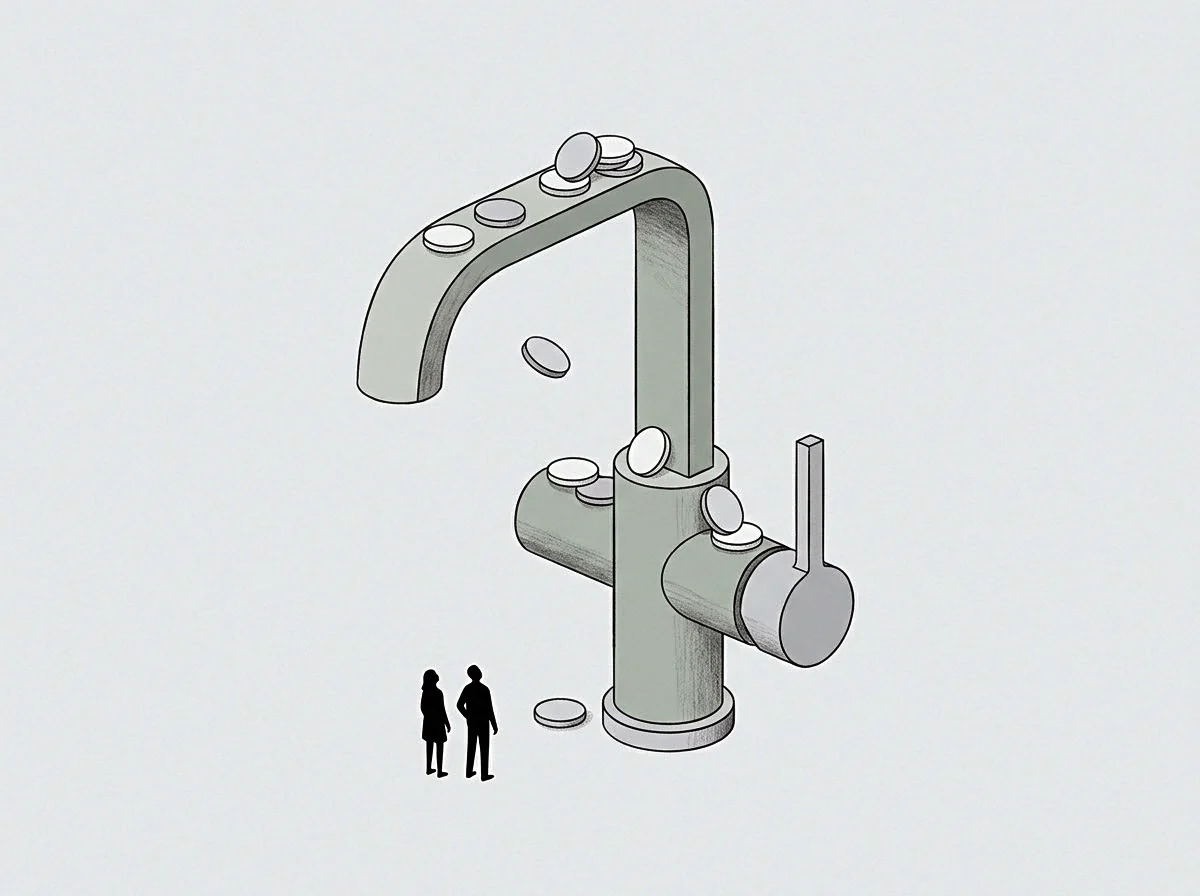
When cash reserves run low but operational demands stay constant, companies often cover immediate obligations with unpriced assets instead of currency. Staff give up weekends without compensation, suppliers stretch out inventory float with no carrying fees entered on the books, and engineering teams take on deep architectural debt to push licensing bills into the future. Cash burn looks steady on paper, but the operational core is quietly being drawn down.
A balance sheet registers zero monetary outflow while the organization liquidates unpriced attention and deferred engineering maintenance.
These substitutions rely on commitments that never hit the books. Unpaid overtime gets framed as goodwill or team loyalty instead of an accumulating operational liability, and special support concessions for troubled enterprise accounts eat up senior technical time. Because standard accounting tracks cash transfers rather than resource depletion, the drain stays off the ledger.
Once currency grows scarce, managers spend down team stamina, reputation, and product integrity to keep operating day to day.
Seeing the drain clearly means breaking each non-monetary concession down into visible units. A founder tracks the hours pulled from core roadmap work to handle manual customer retention, while an operator notes which maintenance cycles were skipped to keep vendor relationships intact. The longer liquidity stays tight, the faster these unpriced draws compound across successive quarters.
Unrecorded concessions pile up until critical staff leave without warning, gutting the operational core well before the nominal runway runs out.

Toll
Drawing on non-cash reserves carries distinct penalties across different parts of the business. As liquid cash disappears, counterparties use their leverage to extract structural concessions instead of pressing for immediate payment.

Extraction Categories Across Operating Lines
Counterparties ask for different concessions depending on where they sit in the operational structure, targeting specific internal reserves:
- Engineering Debt Incurred manifests when development teams abandon standard architectural testing and continuous deployment infrastructure to deliver emergency bespoke client modifications that secure immediate accounts receivable collection.
- Goodwill Capital Drawdown consumes informal trust with senior staff, who work sustained sixty-hour working patterns under implicit promises of deferred compensation that lack legally binding instruments.
- Customer Concession Creep occurs through granting perpetual custom service level guarantees, indefinite price locks, or free consulting hours to prevent immediate contract termination during quarterly renewal cycles.
- Vendor Float Hypothecation uses informal supplier goodwill to delay material payments past ninety days, sacrificing future volume discounts and preferred delivery scheduling for temporary cash retention.
The total cost of these concessions often outstrips the cash shortfall that prompted them. Value shifts from equity holders to aggressive counterparties without ever surfacing on an audited operating statement.
Agreements made under cash constraints transfer structural control long before monetary insolvency becomes official.
Take an enterprise software firm operating with ninety days of liquid cash reserves. Leadership negotiates a sixty-day vendor payment deferral and promises priority clients unlimited manual data migration to forestall cancellations. The engineering group then spends four hundred unlogged hours running migrations by hand instead of building scheduled core platform features.
The nominal bank balance survives the quarter, but the product delivery timeline slips twelve months, leaving a structural deficit that permanently impairs enterprise valuation.
| Extraction Channel | Immediate Cash Saved | Non-Cash Resource Surrendered | Subsequent Recovery Horizon |
|---|---|---|---|
| Bespoke Client Patching | Direct contractor costs avoided | One hundred sixty engineering hours | Four quarters of codebase refactoring |
| Supplier Float Extension | Ninety-day accounts payable delay | Tier-one vendor delivery prioritization | Two fiscal years of penalty rates |
| Executive Salary Waiver | Direct monthly payroll reduction | Discretionary operational focus and retention | Immediate replacement search overhead |
| Warranty Scope Expansion | Immediate dispute settlement payouts | Dedicated post-sales field engineering | Perpetual uncompensated maintenance duty |
The contract extension holds only until the client exercises commercial audit rights over the newly surrendered features.

Spill
Non-cash extraction spills across operational systems: draining one reserve inevitably accelerates the draw on another.

Secondary Effects on Core Retention
Employee exhaustion sets in quickly when unpaid overtime becomes routine. Key contributors absorb extra task volume to keep deliveries on schedule, and the toll on personal energy and attention compounds every week. Operators with strong external employment mobility leave the enterprise first, shifting the workload onto less experienced personnel and driving up technical error rates.
A company burns capable talent to protect its nominal cash position.
Equipment reflects this wear just as clearly. Tooling runs well past scheduled calibration dates to avoid service fees, failure rates climb, and scrap costs quickly overtake the deferred maintenance invoices. The shop floor compensates with hasty manual workarounds that compromise tolerances and worker safety.
Suppliers who detect operational distress tighten shipment terms and seek non-financial guarantees, asking for personal officer commitments, exclusivity covenants, or early access to proprietary source code before releasing inventory. Under pressure to preserve day-to-day survival, an operator signs these terms, converting an ordinary commercial transaction into an asymmetric equity risk.
Concessions surrendered under operational survival pressure are later treated as ordinary commercial flexibility granted during difficult operating conditions.

Gauge
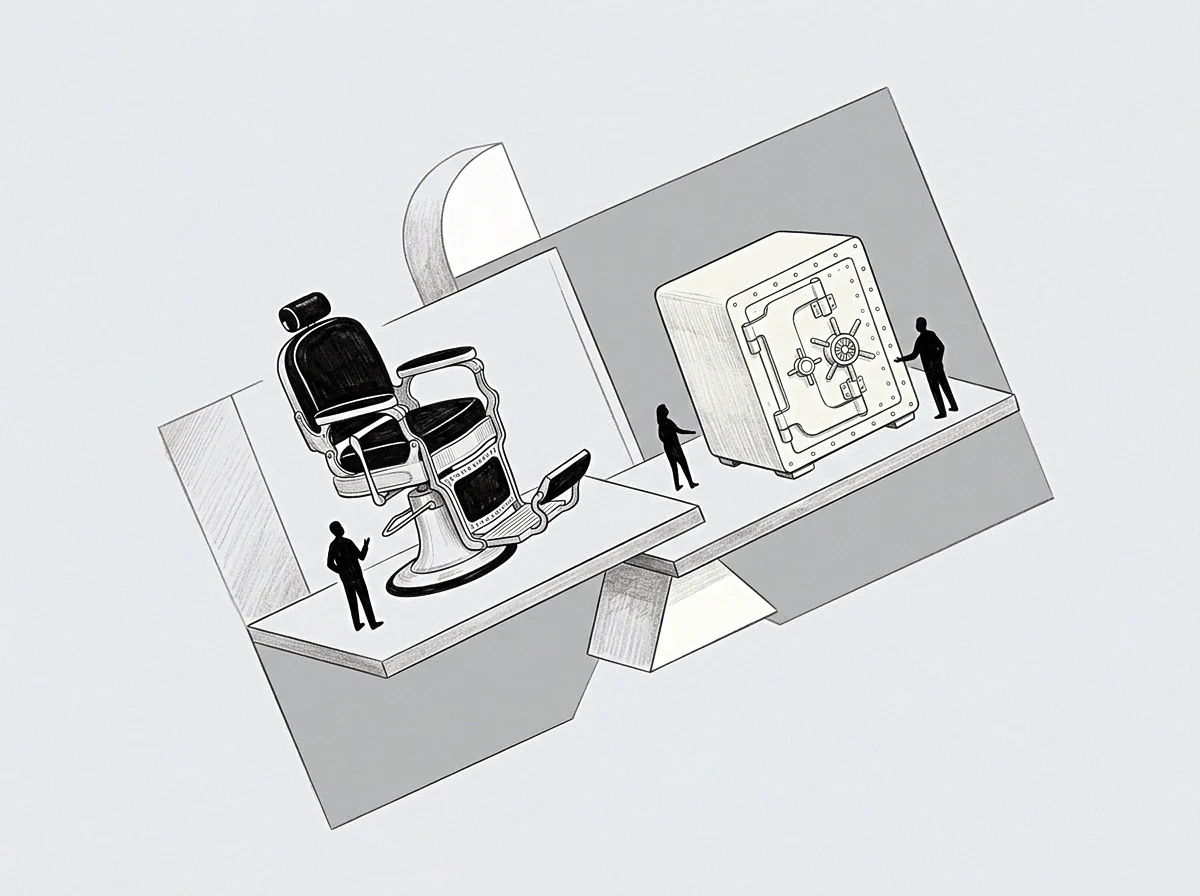
Measuring non-cash extraction requires baseline metrics established before liquidity tightens. The system tracks shifts in asset condition, team time allocation, and contractual exposure.
Can Teams Measure Invisible Asset Depletion?
Tracking non-monetary extraction demands consistent observational discipline across four discrete operational dimensions:
- Hours Diversion Tracking records the exact distribution of internal engineering and administrative time allocated to crisis-induced manual interventions compared against planned product roadmaps.
- Contractual Variance Logging catalogs every informal modification, service warranty extension, and unpriced operational commitment granted to clients or vendors during contract negotiations.
- Asset Degradation Scoring measures the deviation from standard equipment maintenance schedules, software codebase test coverage, and documentation standards across operational units.
Management teams that record these metrics establish an ordinal record of structural debt. This visibility counters the false optimism that arises when cash burn slows at the expense of organizational stability. When leaders review non-cash extraction alongside cardinal bank balances, they make deliberate resource allocations rather than surrendering assets unconsciously.
The field demonstrates that organizations tracking informal concessions preserve twenty to thirty percent more enterprise equity during formal restructuring proceedings. This empirical baseline holds across mid-market industrial firms and technology providers. The finding assumes that leadership maintains metric continuity throughout the liquidity contraction.
If record-keeping dissolves during peak operational stress, the predictive power of the metric system drops to zero.
Every informal operational promise requires explicit recording on an internal liability register before commercial execution.

Bond
Resolving non-cash extraction requires converting informal concessions into explicit contractual terms or halting the extraction entirely. The leadership team must re-establish hard operating boundaries around core intellectual property, technical capacity, and personnel stamina.

Establishing Extraction Limits
Setting limits on non-cash drawdowns prevents permanent operational damage during prolonged financial strain. The founder defines the maximum allowable deviation from core engineering roadmaps, while the executive team establishes firm policies prohibiting uncompensated overtime exceeding stated thresholds. When a client demands non-standard operational support, commercial teams price the request into contractual amendments rather than absorbing the cost silently.
The boundary holds only when management values operational stamina above short-term survival optics.
The transition from informal extraction to formal settlement clarifies the true cost of business continuance. When suppliers demand structural guarantees, leadership offers defined equity warrants with clear expiration dates rather than granting open-ended operational concessions. This approach protects day-to-day operating integrity while containing dilution within negotiated limits.
The organization preserves its core operational capability, positioning itself for rapid recovery when liquidity conditions improve.
Whether distressed enterprises can sustain strict non-cash extraction limits without triggering immediate commercial bankruptcy remains an open empirical question across modern corporate restructuring practice.