
Ordinal Priority Extraction Limits Across Competing Creditor Claim Classes During Stalled Balance Sheet Freezes
Ordinal priority limits define recovery sequences, but operational freeze duration dictates whether remaining collateral volume yields any cash extraction.

Perch
Face value stated on a debt instrument measures cardinal entitlement, while extraction capacity measures ordinal velocity. A balance sheet freeze separates these two metrics entirely. When a borrower halts contractual amortization, cash stops circulating along legal priority lines.
Junior lenders often watch senior noteholders capture incoming accounts receivable despite parity covenants written during liquid trading periods. The physical distance between the cash register and the ledger entry widens each day a restructuring standstill persists.
Liquidity freezes alter how capital tranches behave. Senior secured lenders hold liens on primary operating assets, positioning them directly at the intake valve of company funds. Unsecured trade vendors sit outside the operational perimeter, waiting for disbursements that require administrative approval.
Subordinated debt holders occupy a silent tier, possessing claims that exist on paper without any conduit to current operating receipts.
A senior security interest acts as a direct diversion valve during a freeze, routing remaining operational receipts away from collective enterprise recovery.
Consider two secured creditors holding equal facial claims against an industrial distributor whose operating facilities cease regular outbound shipments. The first lender holds inventory liens at specific distribution hubs. The second holds a floating charge across general receivables.
During an operational standstill, physical inventory incurs storage overhead, insurance expenses, and liquidation discounts. Receivables collected prior to the freeze convert immediately to cash collateral inside segregated bank accounts. Parity on paper yields asymmetrical recoveries across the standstill window.
Capital structures under severe operational stress expose systemic extraction limits. A senior claim possesses ordinal priority, yet extracting value requires liquid enterprise collateral. If the underlying asset pool deteriorates faster than legal processes can liquidate it, absolute priority rules fail to protect capital recovery.
The priority line remains intact while the collateral volume drains beneath it.

Bracket
Contractual indentures define recovery tiers long before insolvency freezes routine corporate disbursements. Intercreditor agreements establish inter-tier turnover provisions, voting blocks, and standstill periods. These documents set boundaries around what each tranche may demand during operational distress.

Structural Subordination Across Operating Entities
Parent entity debt claims rely entirely on upstream dividends from operating subsidiaries. If operating subsidiaries face independent creditor distress, operating liabilities consume subsidiary cash before any value flows upward. Structural priority supersedes contractual parity.
Holding company debt instruments trade at severe discounts during operational suspensions because subsidiary debt locks cash inside the lower operating perimeter.

Which Claims Deteriorate First Under Standstill Agreements?
Unsecured trade debt suffers rapid impairment when cash freezes. Vendors lack administrative payment priority until formal insolvency proceedings grant special operational status. Second lien notes experience erosion through value dissipation of the underlying collateral base.
If the primary asset pool depreciates, second lien brackets slip below the value waterline, leaving claims functionally unsecured.
Standstill covenants temporarily bind junior noteholders, prohibiting enforcement actions while senior lenders assess collateral preservation. The duration of this period determines value transfer. A ninety-day standstill grants first lien agents exclusive control over restructuring negotiations, enabling senior creditors to dictate cash collateral orders and debtor-in-possession financing terms.
A standstill period transfers negotiating optionality to the senior lienholder by holding junior enforcement rights in suspense while enterprise value decays.
Assume an equipment lease operator faces a sudden cessation of operating revenues. First lien term lenders hold thirty million dollars in secured claims against machinery. Second lien lenders hold twenty million dollars secured by identical collateral.
General unsecured notes total twenty-five million dollars. The table below outlines how value extraction limits shift across these claim brackets across two distinct freeze durations.
| Claim Bracket | Face Value (Cardinals) | Thirty-Day Freeze Realization | One-Hundred-Eighty-Day Freeze Realization |
|---|---|---|---|
| First Lien Bank Debt | $30M | 100% face value via cash collateral sweeps | 78% face value after asset maintenance burn |
| Second Lien Term Notes | $20M | 45% face value through residual enterprise equity | 0% face value due to collateral depletion |
| General Unsecured Trade | $25M | 12% face value in administrative compromise | 1% face value through liquidation scrap |
A longer freeze degrades subordinate recovery brackets exponentially. Senior tranches absorb diminishing percentages, while junior brackets hit absolute zero once preservation costs outstrip collateral value.
Collateral values are often depressed by senior liquidation schedules rather than underlying market realities.

Fulcrum
The fulcrum security represents the exact liability class where enterprise valuation ceases to cover debt claims in full. Classes positioned above this point receive payment in cash, new debt securities, or reinstated instruments. Classes positioned below this boundary face total debt extinguishment or token reorganization equity distributions.
Pinpointing the fulcrum position requires establishing an enterprise baseline valuation during an illiquid market phase. Appraisers rely on discounted cash flow projections that reflect depressed near-term earnings. Senior lenders submit low valuation estimates to claim reorganization equity, arguing enterprise value fails to clear senior tranches.
Subordinated creditors commission opposing valuation analyses showing higher long-term earnings to preserve claim validity.
During balance sheet freezes, cash conservation becomes the dominant corporate goal. Operational executives halt debt servicing, vendor remittances, and non-essential maintenance capital expenditures. This preservation creates an artificial cash reservoir.
Senior lenders claim this pool constitutes cash collateral pledged to their credit facility, seeking orders that isolate funds from junior claim classes.
This dynamic shifts bargaining power toward whichever creditor class holds the authority to fund ongoing liquidity needs. When traditional banks refuse further advances, rescue capital providers supply emergency financing. These facilities prime existing liens, moving new capital into the primary priority tier and depressing the existing fulcrum class lower into the capital structure.
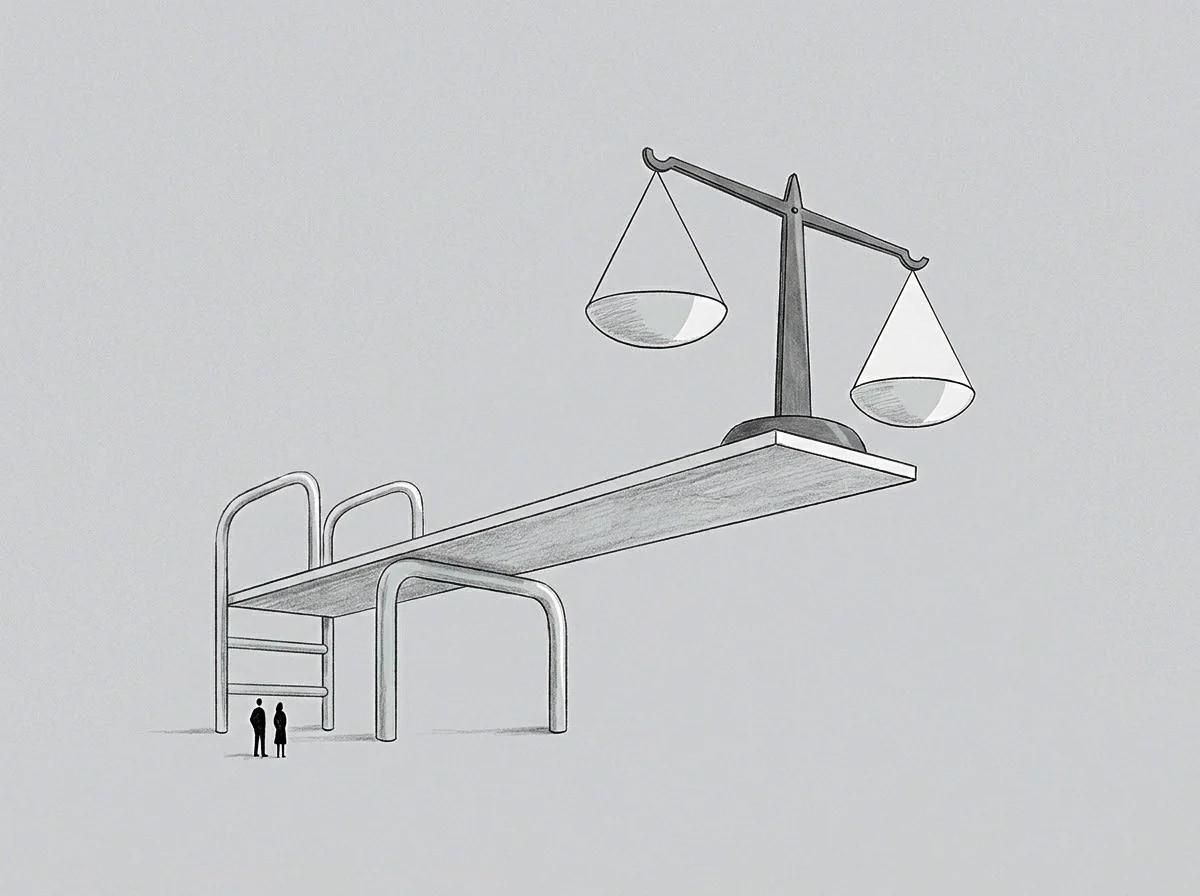
The turning point in debt reorganizations occurs when a junior creditor group purchases senior debt positions at a modest discount to seize control of the enforcement valve.
Mesh
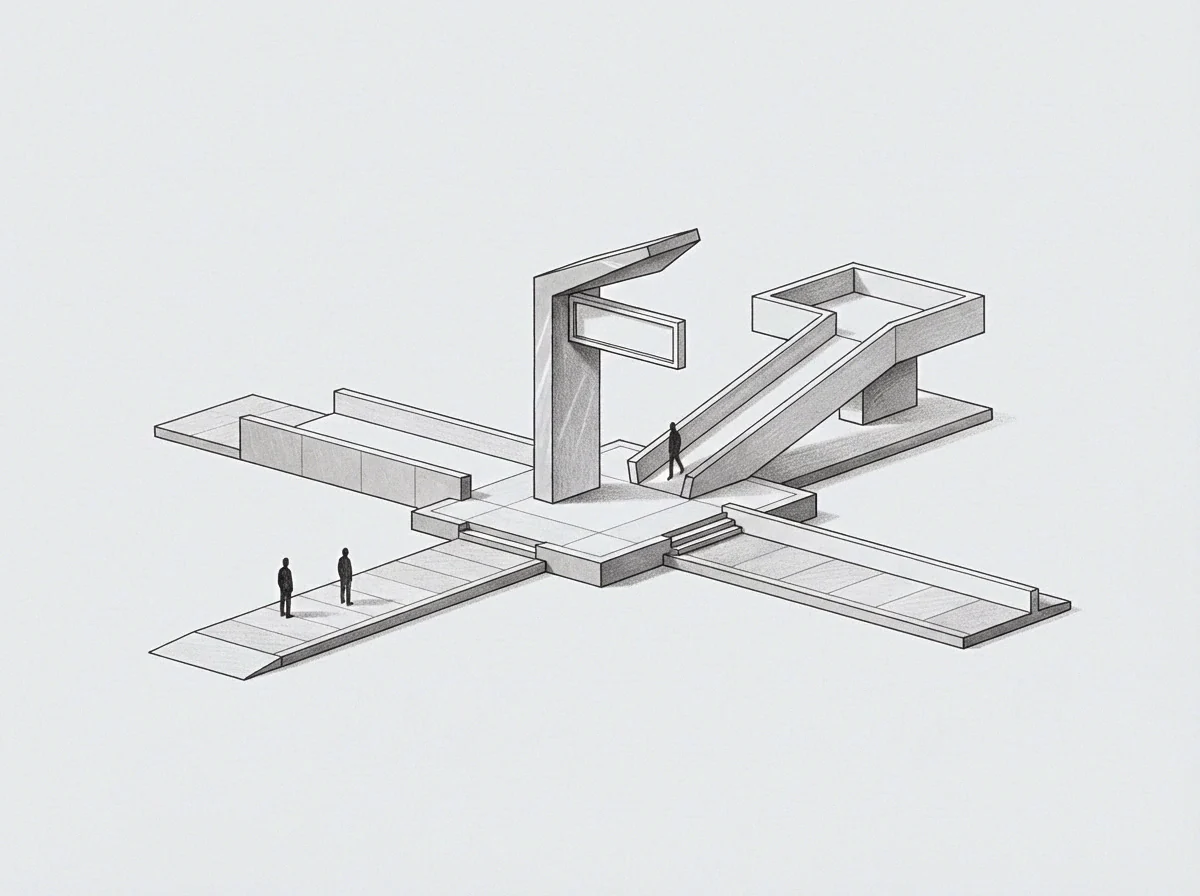
Legal priority grids interact with operational realities to create systemic extraction barriers. A claim can hold premier legal status yet possess zero extraction power if underlying collateral is physically inaccessible or dependent on human capital that disperses during prolonged freezes.
Mechanisms of Cross-Class Value Leakage
Value migrates across nominal priority boundaries through several distinct operational pressure points:
- Adequate Protection Payments consume unencumbered company reserves to compensate senior lenders for collateral depreciation, draining cash that unsecured classes rely on for residual recovery.
- Critical Vendor Carve-Outs allocate immediate liquidity to select operational suppliers, bypassing absolute priority conventions to preserve critical supply chain infrastructure.
- Professional Fee Escrows lock operating liquidity into segregated legal trust accounts, establishing super-priority extraction conduits that rank ahead of pre-petition secured liens.
- Roll-Up Financing Clauses refinance pre-petition debt into administrative status through post-petition facilities, converting questionable prepetition collateral into first-out priority claims.
Collateral deterioration accelerates when human operators abandon enterprise maintenance during contract disputes. If specialized engineers leave an intellectual property venture, the collateral value of software assets falls toward zero. First lien lenders holding paper liens on source code find that value extraction requires cooperative human labor.
Legal priority cannot synthesize engineering documentation or recover operational knowledge.
Collateral valuation collapses into zero when legal recovery frameworks outlast the operating continuity of the underlying industrial enterprise.
Priority ranking operates as an ordinal sequence, establishing sequence rather than dollar volume. If a company dissolves into an operational vacuum, senior debt absorbs first losses from liquidation friction. The extraction limit is defined by the salvage value of physical assets minus preservation expenses.
A default waiver agreement containing strict milestone covenants strips junior committees of independent standing once operational progress slips past stated deadlines.

Trough
Enterprise value descends toward liquidation scrap value the longer corporate assets sit idle. The freeze acts as an unyielding cost vector against the entire capital structure. Overhead expenses, security fees, legal retainers, and machinery maintenance accumulate weekly.
These expenses eat into available collateral, steadily moving the recovery threshold down the priority stack.
The gap between legal rights and real-world cash extraction widens during protracted negotiations. Junior claimants often delay restructuring approvals, hoping market conditions improve or enterprise revenues rebound. This defensive posturing consumes liquidity reserves.
Delay tactics frequently destroy the residual value bracket that subordinated lenders sought to defend.
The ultimate limit on priority extraction is enterprise exhaustion. When a balance sheet freeze exhausts all operating cash, liquidation remains the sole alternative. Physical real estate, used machinery, and aging receivables rarely yield face value in accelerated auctions.
First lien lenders recover fractions of their principal, second lien positions are wiped out, and unsecured vendors receive formal cancellation notices.
The residual question centers on whether market participants can design capital structures that automatically liquidate collateral through programmatic covenants before legal standstills consume the underlying enterprise value.