Meaning
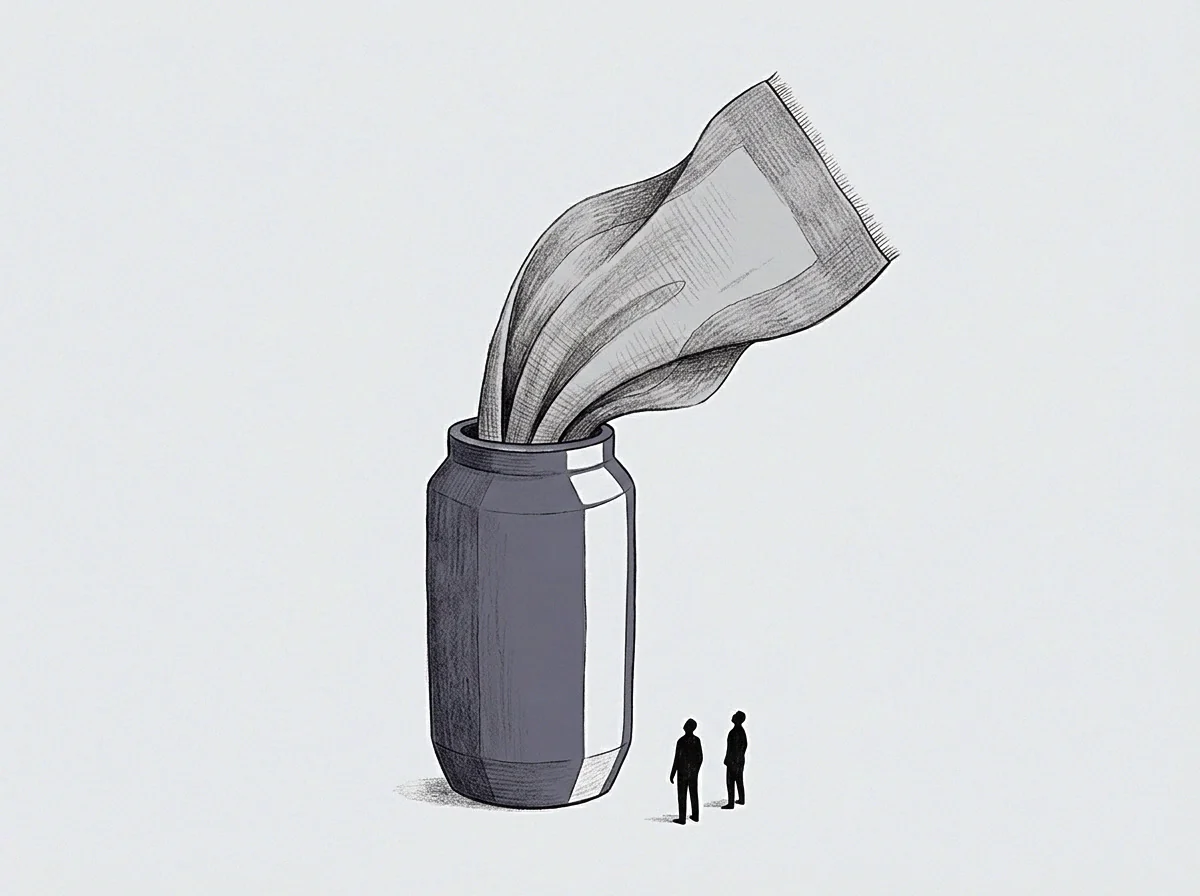
Sequential exhaustion describes the process where a business consumes its most accessible or highest-value resources before moving to less efficient alternatives. In many acquisition channels, ordinal depletion occurs as the most receptive customer segments are converted first, which leaves more expensive and harder-to-reach prospects for later stages. This progression leads to a natural increase in acquisition costs and a decline in conversion rates as marketing efforts expand.
Channel Dynamics
Marketing channels show diminishing returns as the primary audience is saturated. When ordinal depletion takes effect, the unit economics of the channel degrade, which forces the growth team to find new channels or adjust their pricing models to maintain profitability.
System Adjustment
Product adaptation becomes necessary to attract broader cohorts once the initial enthusiast group is exhausted. To counter the effects of ordinal depletion, the development team must alter the product positioning to appeal to more mainstream users who require more persuasion. This shift often demands substantial adjustments to the user interface and the messaging to reduce the barriers to entry for non-technical users.
Strategic Boundary
Niche businesses often choose to accept these limits and forego expensive expansion. By restricting operations to the high-value segment, a firm can maintain high margins and avoid the escalating costs associated with broader market acquisition.