
Translating Multi Axis Capacity Consumption Into Fixed Cardinal Commercial Terms
Projecting multi-axis operational capacity consumption into cardinal commercial terms requires translating non-fungible cognitive and calendar vectors into defensive pricing boundaries.

Seat

Production Losses Under Flat Retainers
The desk telephone rang twice before dawn, signaling that an automated deployment had stalled in staging. An operator spent twelve consecutive evening hours resolving schema conflicts across three unrelated databases while the client rested. Although the invoice cleared, production slowed regardless.
Fixed monthly retainers rely on the premise that operational output flows like water through a pipe, evaluated strictly by the volume at the outlet. That logic breaks down the moment three clients place competing demands on one engineering desk.
Each concurrent project draws on a different resource. One requires sustained, uninterrupted concentration for custom cryptographic auditing. Another demands unpredictable, rapid-fire messages throughout the day, breaking the continuity of engineering work.
A third reserves backup server capacity and immediate deployment readiness, holding infrastructure back from routine maintenance. The buyer sees only the completed deliverable for a flat thirty thousand dollars, leaving the agency to absorb the hidden friction of three competing priorities.
The calendar broke three weeks before the client noticed any change in velocity.
Client relationships rarely show strain until schedules slip or technical debt leads to an outage. A founder might see cash flow hold steady while delivery timelines double across every account. Internal capacity spans focus, working memory, open calendar time, and system fault tolerance.
Reducing these distinct inputs to a single price tag creates a disconnect between actual effort and revenue, quietly exhausting an early service business’s operational reserves.
The scope remained completely inside the agreed statement of work.

Weight

Measuring Independent Vectors of Depletion
Operational effort cannot be summed up easily when tasks rely on distinct, non-interchangeable resources. A team might comfortably handle ten extra hours of asynchronous documentation during a quiet afternoon, yet struggle under forty minutes of urgent production support split across eight separate interruptions. Clock hours measure simple duration, but human focus operates on levels of mental disruption.
Studies on task-switching latency show that workers interrupted during focused effort take over twenty minutes to regain their original concentration. These findings come from uniform analytical work in stable environments; in practice, recovery times vary with task complexity. Urgent interruptions during complex systems programming trigger far more disruption than pauses during routine filing.
If interruptions occur less than ninety minutes apart, full recovery becomes impossible, creating a loss of momentum that an hourly timesheet never captures.
When two operational demands draw on the same cognitive pool simultaneously, the combined depletion exceeds the sum of their independent drain.
Operational expenditure splits across four distinct, non-fungible resource vectors:
- Attentional continuity measures the uninterrupted focus needed to design or repair intricate architectures without task-switching penalties.
- Calendar responsiveness tracks the immediate availability required by fast-moving chat channels, which directly erodes deep technical work.
- Reserve elasticity measures the buffer held back to absorb unexpected system failures or sudden shifts in scope.
- Emotional friction reflects the strain of unclear requirements, awkward communication, and drawn-out alignment meetings that drain team morale.
These operational factors cannot simply be added together. An organization cannot make up for lost concentration by buying more server RAM or stretching project deadlines. When contracts ignore these differences, client requests naturally default to draining whichever resource remains unpriced.
The client pays for a deliverable, but the process burns through the engineering team’s underlying capacity.
Context switching drains working memory and degrades attention through constant interruption. In multi-project environments, engineers report severe exhaustion even when total logged time stays well within a standard forty-hour week. The physical strain accumulates quietly in the background.
An operational variable left unranked in the commercial agreement transfers its entire volatility to the builder.

Conversion

Why Fixed Fees Conceal Multi Vector Depletion?
Projecting multi-dimensional effort onto a single numerical value discards critical operational detail. Just as projecting a four-dimensional space onto one axis wipes out variance along the other dimensions, flat commercial pricing simplifies complex inputs into a single number. A flat rate—whether fifteen thousand dollars per milestone or two hundred dollars an hour—reduces diverse demands to one figure, even though the capacity needed to deliver the work moves along several distinct paths.
By flattening these operational dimensions, a fixed-fee contract sets a firm price cap while leaving internal focus, latency, and context-switching entirely unprotected. The client then has every financial incentive to draw heavily on those unmeasured areas to extract maximum value from the agreed fee.
A fixed fee contract establishes a cardinal price while leaving the vector of internal capacity expenditure entirely unbound.
Conjoint analysis studies indicate that buyers prefer fixed pricing over variable structures during times of uncertainty, shifting operational risk onto the vendor. These lab studies measure choices in hypothetical setups; results would likely shift if purchasing managers faced personal liability for vendor failure rather than managing company budgets. Vendors take on these terms largely because conventional invoicing tools are built only for simple flat pricing.
| Model Structure | Cardinal Term | Monitored Vectors | Unpriced Depletion Risk |
|---|---|---|---|
| Fixed Project Fee | Single Lump Sum | Final Output Artifact | Calendar Delay, Context Switching, Revision Churn |
| Time and Materials | Hourly Cardinal Rate | Raw Elapsed Duration | Intensity of Concentration, Opportunity Loss |
| Dedicated Seat Retainer | Monthly Recurring Sum | Nominal Headcount Allocation | Emergency Availability, Cross-Project Contention |
| Vector-Gated Milestone | Indexed Tiered Fee | Hours, Interrupts, Scope Depth | Residual Latency Variance |
Once a proposal goes out showing a single lump sum, the client sees the final number and assumes all operational inputs are accounted for. In reality, that single figure acts like a dam, holding back an unpriced wave of internal friction that the vendor is left to absorb.
Compressing distinct axes of operational drain into a single cardinal sum guarantees that the supplier funds client variability out of uncompensated reserve capacity.

Shelf

Inventorying Volatility and Latent Buffers
Every engineering team relies on an unstated reserve of operational capacity, much like inventory sitting on a warehouse shelf. This margin absorbs unexpected technical setbacks, sudden absences, or urgent system changes. In a machine shop, machinists track spindle temperature, chip clearing, and vibration together, knowing that calculating cutting speed from surface feet alone breaks the bit inside the metal.
While industrial shops treat tolerances as firm boundaries, knowledge work often treats mental buffers as free and unlimited.
Buffer capacity priced at zero is consumed by the buyer until the operating environment fails.
A founder attempting to translate vector consumption into cardinal commercial terms must sequence their commitments to protect this operational buffer. The translation sequence follows strict operational thresholds:
- The operator audits active workload, capping concurrent assignments at three projects per technical lead.
- The commercial agreement sets clear limits on interruptions, restricting unscheduled client calls to two weekly touchpoints.
- The contract applies escalating fee surcharges when communication shifts from asynchronous messaging to immediate calls.
- The schedule separates project deliverables from real-time availability, protecting four uninterrupted hours each morning.
While reserve buffers help absorb operational shocks, unpriced variance eventually builds up downstream. When a client expects rapid response times under a flat retainer, they consume unallocated calendar space without paying for it. That stolen margin can no longer be used for internal improvements or engineering research, causing operational buffers to decay until a minor surprise triggers delays across every account.
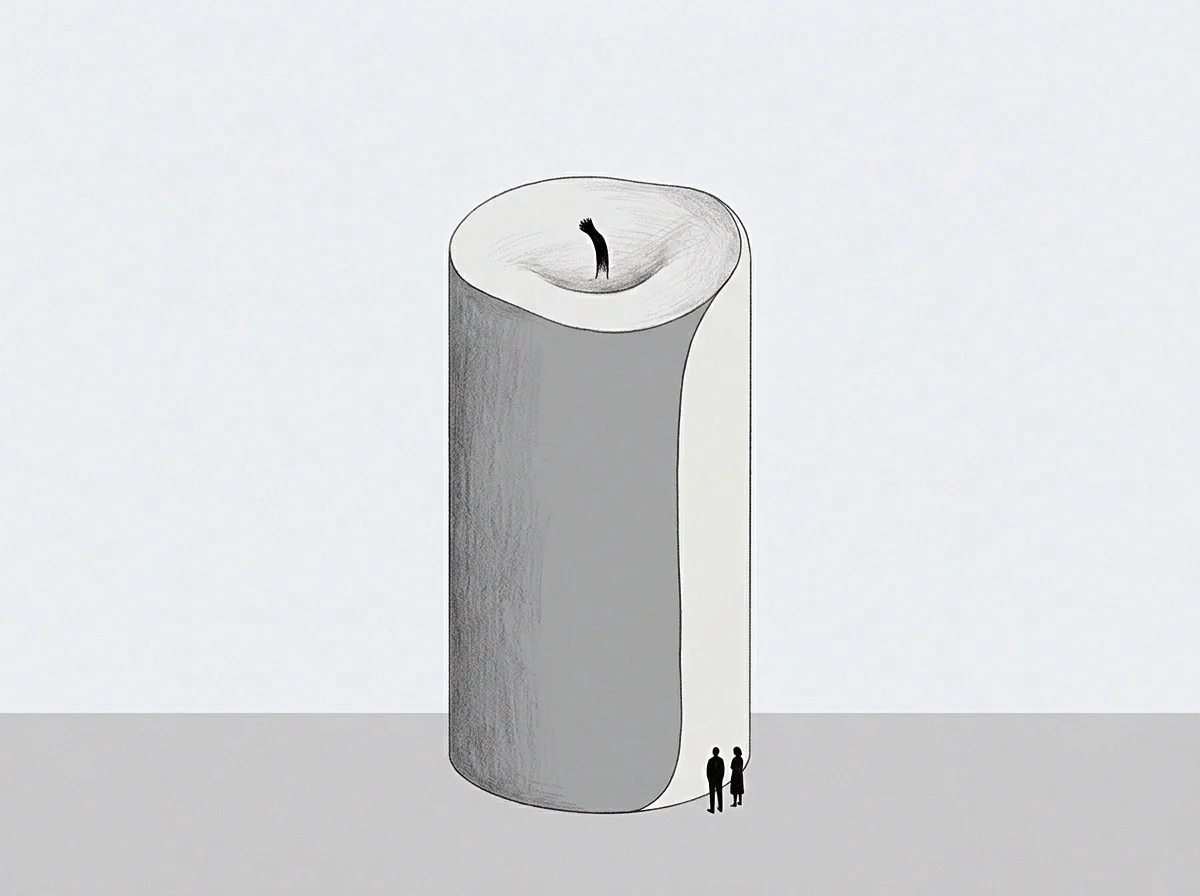
A concurrent project limit attached to the billing schedule converts unbounded availability into a measurable queue.
Clause

Drafting Cardinal Boundaries for Non Cardinal Load
Turning complex operational demands into sustainable contracts requires clear defensive terms. While a contract cannot change how the human brain handles task switching, it can limit a client’s ability to demand constant shifts in focus. Good drafting turns unpriced effort into specific billable triggers.
If a client wants round-the-clock responsiveness, that access cannot be offered as a courtesy; it must carry a price surcharge that covers the loss of focused engineering time.
No exact formula connects calendar fragmentation directly to cognitive exhaustion across five active accounts. Operating without one, experienced teams avoid open-ended contracts that lack strict monthly concurrency caps. Because commercial terms endure long after initial assumptions fade, clients pay their invoices while teams survive only if contracts account for the hidden friction that otherwise wears them down.
Whether commercial counterparties will ever accept contracts written in multi-dimensional vector constraints rather than scalar currency figures remains unresolved across procurement environments.