Meaning
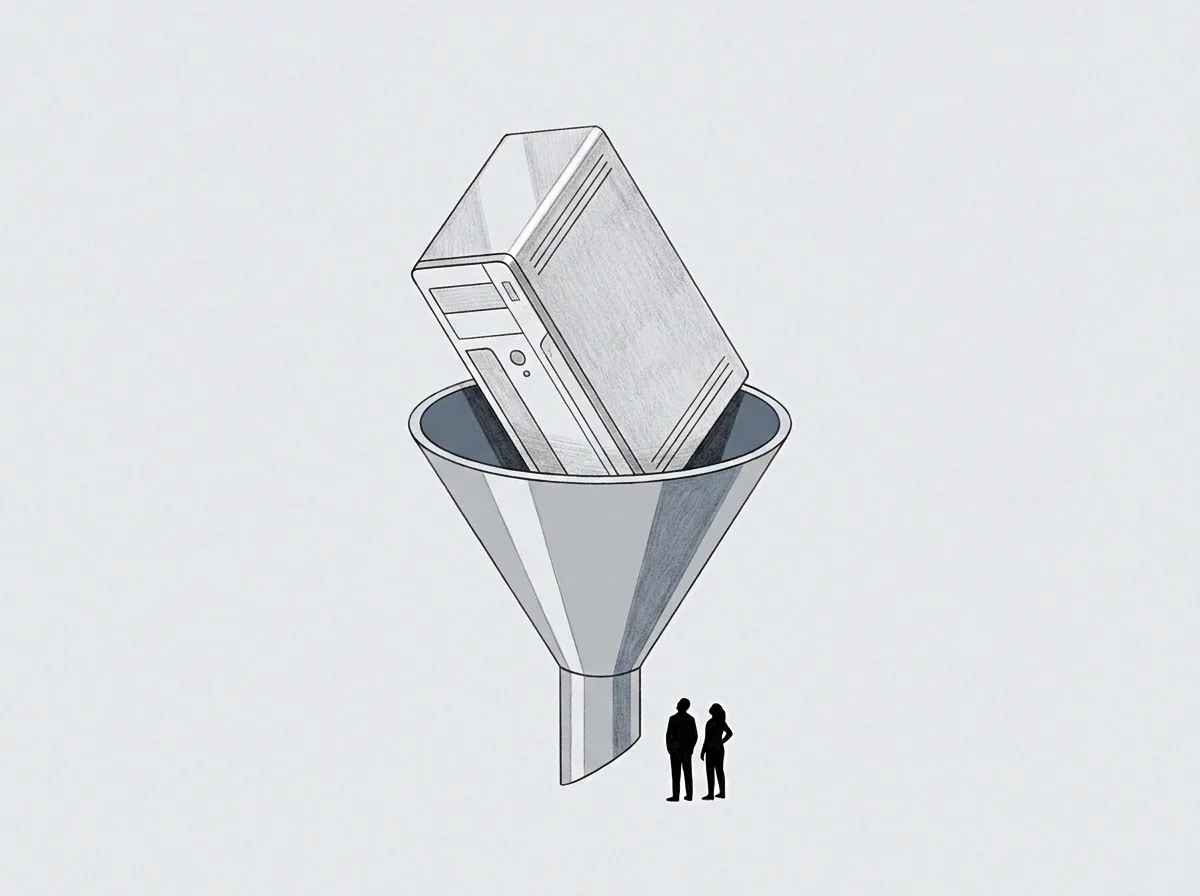
Operational parameters dictate the maximum number of simultaneous tasks or connections a system permits at any single instant. Concurrency limits act as a structural constraint to prevent resource exhaustion during periods of intense activity. These bounds regulate throughput by placing a ceiling on active processes.
System stability relies on these ceilings to maintain predictable performance across varying traffic loads.
Capacity Threshold
Defining a hard cap creates a ceiling for memory consumption and processor cycles. If concurrency limits remain fixed, the system refuses incoming requests once the queue fills. This mechanism converts potential system failure into a predictable denial of service for excess traffic.
Designers choose these values based on the maximum sustainable bandwidth of the hardware architecture. Each request occupying a slot consumes a slice of the total available pool. Lowering the number of active slots protects the core database from connection spikes.
Performance Gradient
Setting these bounds shifts the focus from total volume to latency consistency. Higher values allow more work to proceed in parallel, but they increase the risk of race conditions or data locking. Lower values improve the speed of each individual operation because the system spends fewer cycles on context switching.
Practitioners monitor the delta between the limit and average utilization to determine if scaling is necessary. Adjusting the limit represents a trade off between system responsiveness and the total number of operations handled within a discrete timeframe.
Operational Variance
Fluctuations in external demand necessitate careful selection of these constraints. Rigid boundaries prevent sudden bursts from overwhelming the infrastructure, though they forfeit the potential to absorb temporary spikes. Dynamic adjustment of the threshold allows the system to breathe as demand shifts.
Such configurations ensure that the hardware remains within an optimal operating range without triggering failures. Excessive constraints lead to artificial bottlenecks that throttle productivity. Constant refinement of these figures allows the infrastructure to align with the actual capacity of the backend resources.