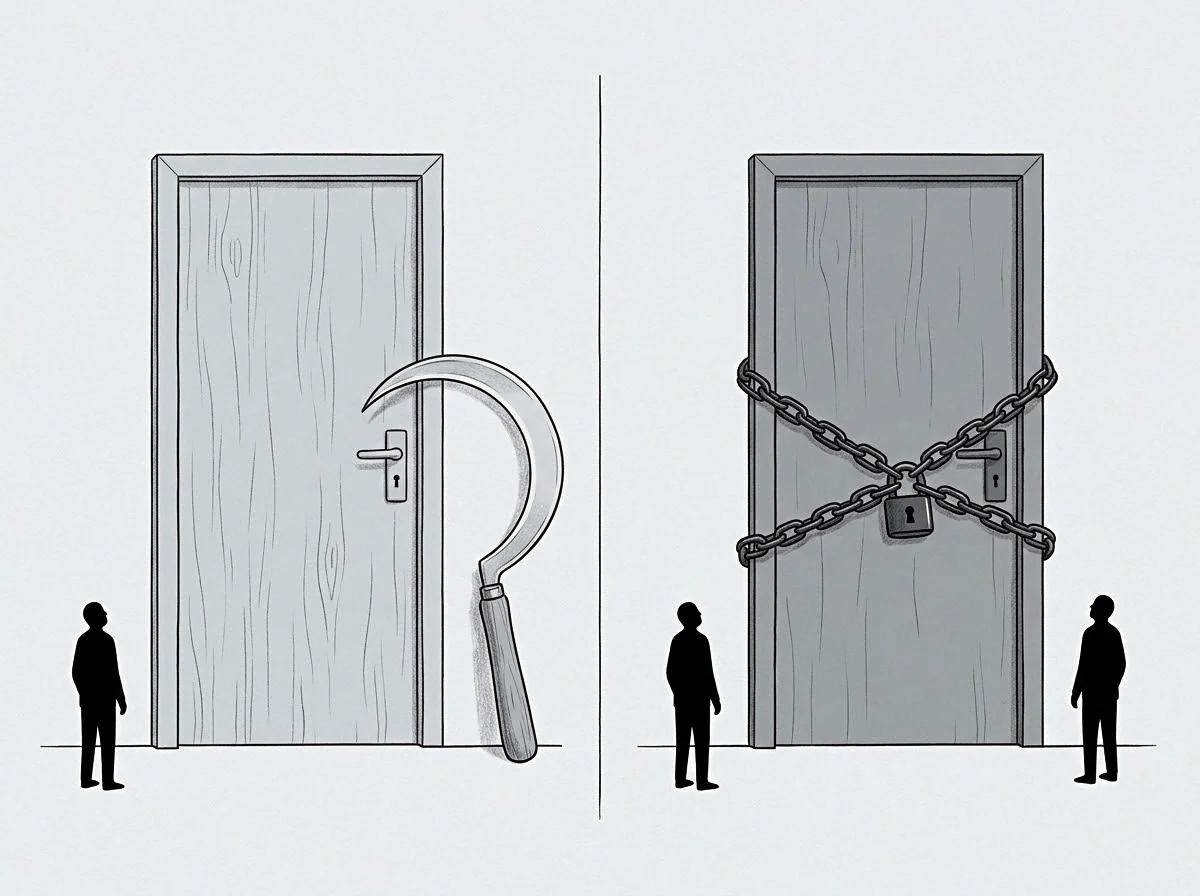
Meaning
Shortcuts taken in software architecture or system design create implied future maintenance obligations that accumulate interest over time. Accumulating technical debt lowers software delivery speed and increases bug incidence in subsequent release cycles. The concept boundary ends where code is entirely deprecated or rewritten from foundational principles.
Code Liabilities
Choosing expedient engineering shortcuts over optimal system architecture generates recurring operational drag during future maintenance work. When an organization carries heavy technical debt, software engineers spend excessive hours patching legacy infrastructure rather than building new functional capabilities. A post-founding technology firm that skips automated test coverage to hit an early release date accumulates structural complexity that delays every future feature deployment.
The interest on this liability takes the form of expanded debugging hours and higher server infrastructure expenditures. Resolving this overhang requires dedicated development cycles spent refactoring core codebase modules.
Maintenance Gradient
The expanding ratio between routine bug repair hours and new feature development hours charts structural decay. Tracking technical debt along this gradient demonstrates how unaddressed architectural flaws progressively slow engineering velocity.
Refactoring Bound
System updates eventually reach a point where structural repair becomes mandatory for operational continuity. Unchecked technical debt forces complete system redesigns when patch costs exceed rewrite expense.