
Measuring State Divergence Across Saturated Microservice Worker Threads
State divergence across saturated worker units occurs when task queues bypass synchronization steps to return invariant local cache values under peak load.

Spool
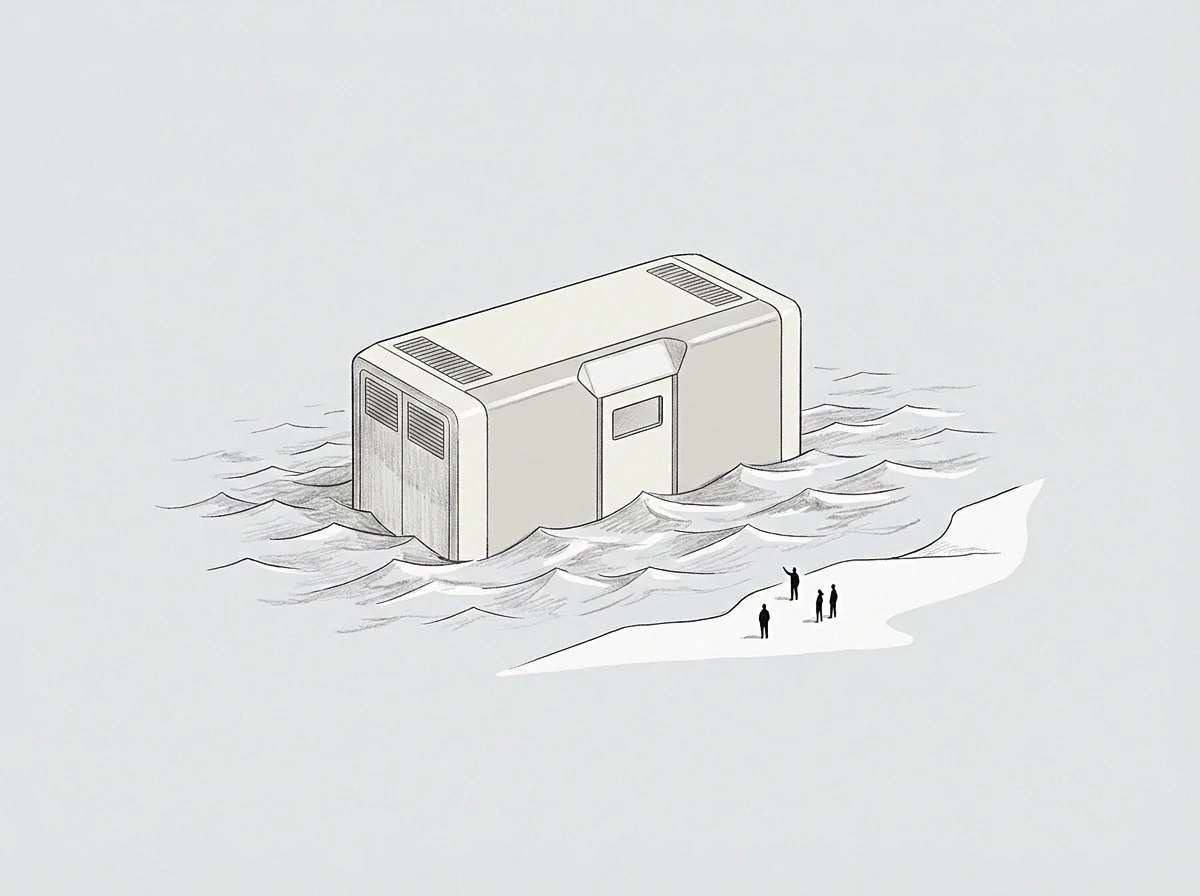
The operator watches thirty worker slots sit locked at maximum utilization while telemetry reports rising divergence across local stores. Inbound network buffers fill their assigned capacity within seconds. On outer dashboards the service appears active, but internal registers across individual execution routines yield contradictory records for identical state keys as tasks pile up behind exhausted task rings.
Saturation alters internal mechanics before outer monitors register any service degradation. When worker loops hit capacity, cooperative scheduling slips into starvation. Local scratchpads fail to synchronize with primary state stores simply because the sync step sits at the tail of the task pipeline, and incoming requests overwrite memory pages allocated to partially completed calculations while queue depth climbs.
Under sustained maximum load, divergence accumulates in execution buffers whenever background synchronization tasks yield execution priority to inbound HTTP handlers.
A founder inspecting this system often attributes state differences to network packet drops or database lock contention, but the diagnostic path points elsewhere. High-concurrency environments create isolated processing lanes where distinct routines update their own cache layers without publishing changes back to shared heap references. When task queues fill completely, workers drop synchronization calls to preserve raw throughput, producing isolated islands of memory that disagree on account balances, permissions, or inventory levels.
- Ingress Task Saturation occurs when connection pools accept requests faster than worker routines can execute them, forcing queue boundaries to discard synchronization signals while continuing to handle compute workloads.
- Eviction Delay prevents out-of-order execution slots from purging stale cache keys before new batch writes commit, leaving obsolete state values active across concurrent worker partitions.
- Cooperative Yield Starvation deprives background reconciliation workers of processing cycles because compute-intensive routines hold interpreter control until execution limits trigger an uncoordinated halt.
Measuring this dislocation requires isolating the exact point where parallel worker states separate. A standard ping test still reports low round-trip latency because ingress listeners respond before worker pools finish their underlying writes. Catching internal divergence demands direct inspection of the gap between concurrent worker heaps during workload peaks.
Persistent processing backlogs consistently indicate that internal coordination has surrendered to raw intake speed.
Skew

Mechanisms of Memory Separation
Divergence begins with how memory allocators isolate parallel routines under heavy pressure. Operating systems distribute concurrent tasks across execution cores, giving each worker its own slice of heap space, local register values, and garbage collection cadences. When memory demand nears host limits and CPU caches flush selectively, workers running on separate cores read differing values for shared pointer addresses.
If an operator establishes a clean baseline under ten percent resource utilization, parallel routines maintain reference parity across ninety-nine percent of query executions. Raise intake volume to full saturation, and that concordance collapses. The delta between state representations widens along an ordinal trajectory: register mismatches lead to stale local cache hits, followed by uncommitted memory overwrites, and eventually unrecoverable database corruption.
A worker slot reading from local storage during peak queue pressure inevitably accepts an invariant cached answer over a live validation check.
Validation requires exposure to external authority. In concurrent software architectures, that means exposing a computed result to a consensus arbiter or a distributed transactional commit log. Under maximum saturation, workers bypass validation routines through local caching shortcuts, serving an answer generated three milliseconds earlier to fulfill an immediate client deadline while low latency masks the internal skew.
| Measurement Vector | Drift Detection Window | Resource Overhead | Divergence Resolution |
|---|---|---|---|
| Shared Heap Pointer Auditing | Sub-millisecond interval | Substantial CPU cache misses | Atomic memory fencing |
| Worker Local Storage Checksums | Ten to fifty milliseconds | Minimal memory reservation | Epoch-based state invalidation |
| Distributed Commit Log Delta | Hundred-millisecond boundary | Moderate network serialization | Compensating transactional rollback |
| Kernel Task Descriptor Polling | Five-second window | Negligible operating overhead | Worker termination and respawn |
Evaluating the Measurement Gap
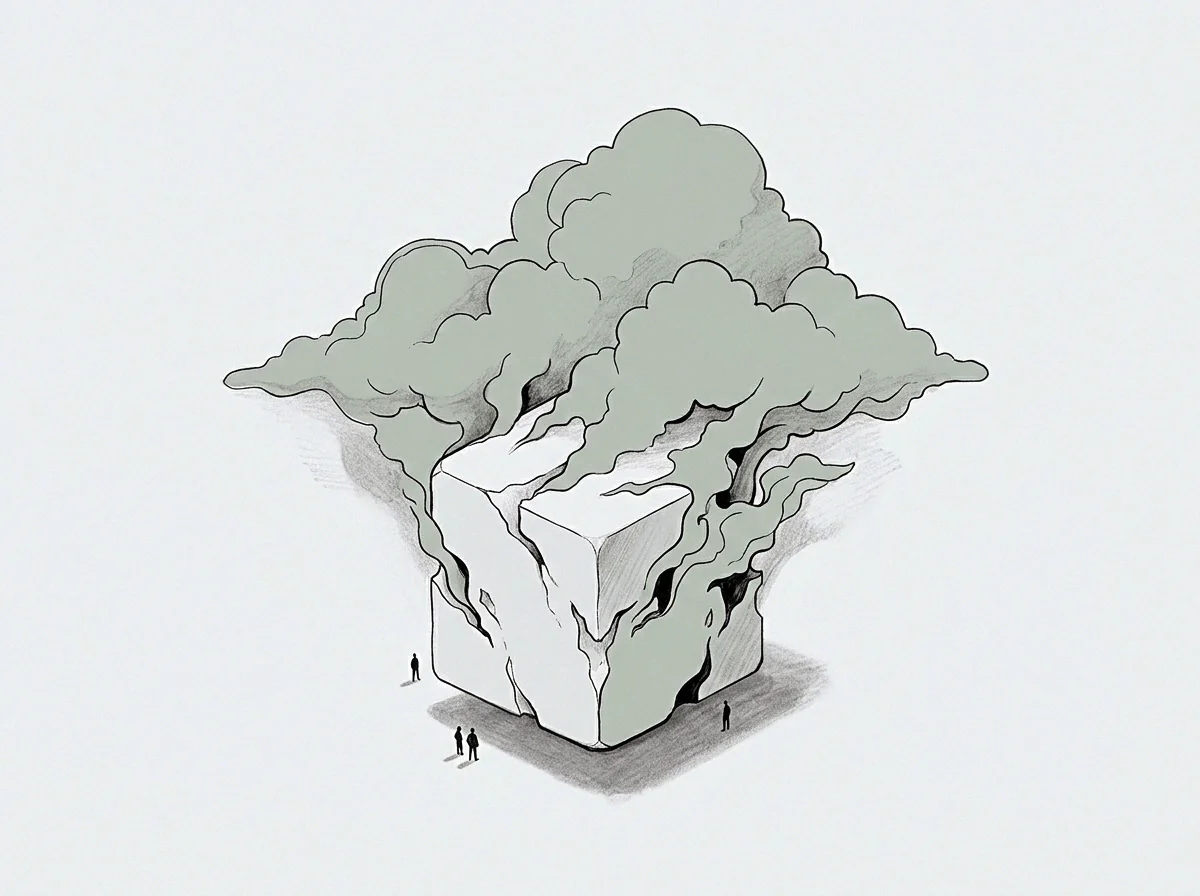
Assessing divergence across saturated execution tasks requires a strict observational baseline. An operator builds one by measuring worker memory representations during zero-load synthetic execution passes. When external traffic surges, the delta between that baseline and live worker snapshots reveals the rate of state decay.
Certain software architectures use write buffers that deliberately defer state synchronization to stay responsive under stress. This design trades processing speed against immediate data consistency. If reconciliation is deferred past the limits of local cache coherence, workers operating on adjacent cores diverge permanently and return conflicting answers to subsequent read requests.
The operational condition remains valid only as long as task execution times stay below the epoch invalidation threshold.

Check
Can Stale Invariance Mask Execution Decay?
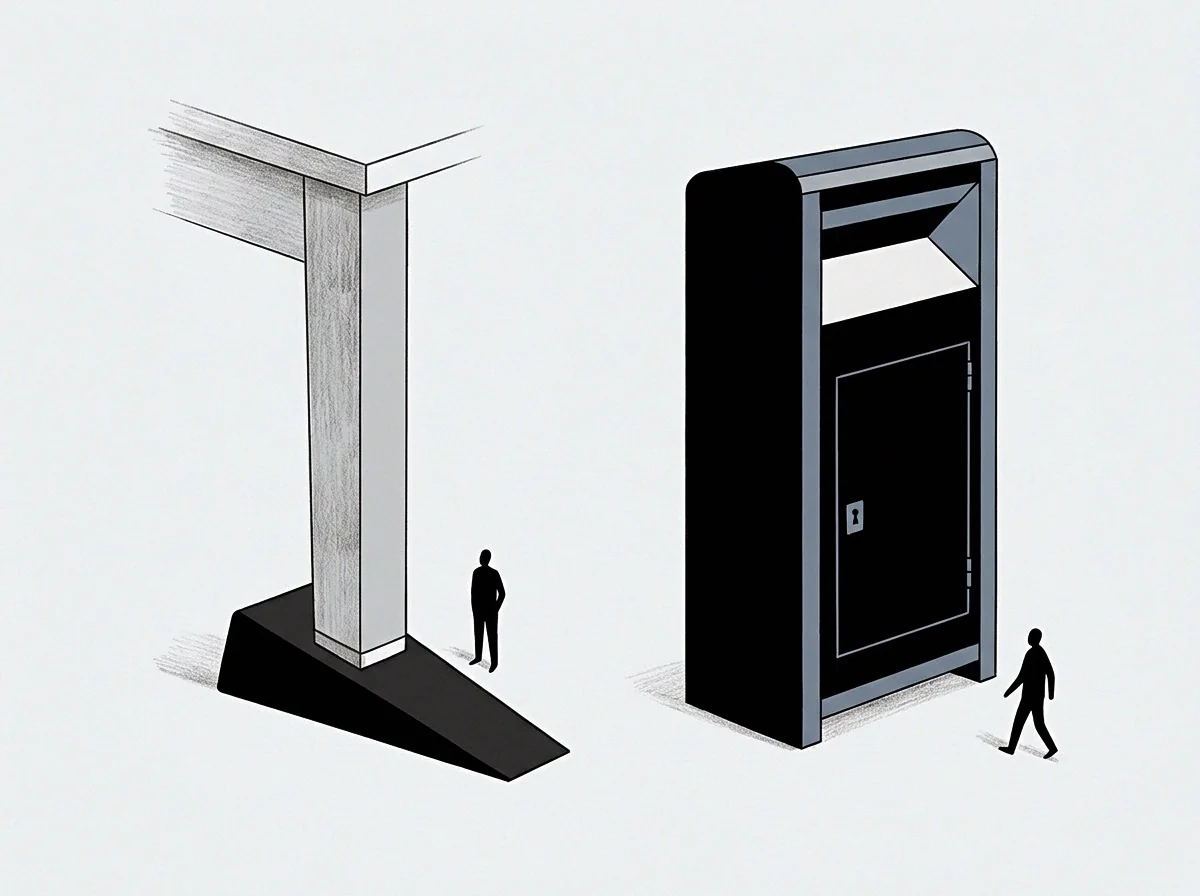
A saturated system displays a recognizable pattern: it produces identical outputs regardless of variations in inbound payload parameters. That invariant output often reads on the surface as system stability. Unable to allocate memory to unpack incoming payloads, the worker routine returns a pre-computed response held in local registers, retrieving an unvalidated relic from an earlier cycle instead of computing fresh state.
Testing for invariance exposes whether a worker pool actually processes workloads or merely serves cached state. An operator injects mutated input values designed to trigger variable computational paths. If the worker returns identical responses across divergent payloads, saturation has detached the worker from live application state.
A software process that answers with uniform speed across highly variable inputs has substituted cached retrieval for live execution.
Operating system schedulers attempt to balance load across stalled workers by redistributing pending execution tasks. This redistribution compounds internal divergence because task queues hand partially altered records to uninitialized worker contexts, returning stale answers instantly while telemetry hides the fault.
- Synthetic Mutation Probing injects distinctive state tokens into saturated execution queues, allowing operators to track whether specific worker slots preserve, alter, or drop assigned state changes during execution surges.
- Register Footprint Extraction captures snapshot dumps of active worker memory registers, exposing uncommitted changes that remain isolated within individual worker units.
- Cross-Core Variance Scanning computes real-time mathematical hashes across the memory partitions of active worker routines, establishing an ordinal scale of state separation across the execution farm.
Failing to identify state divergence during saturation leads directly to corrupt data stores, unresolvable ledger splits, and cascading service outages across downstream consumers.

Drain
Recovering consistency requires draining work queues until saturated worker units flush local execution scratchpads. The operator applies backpressure at the gateway tier, declining fresh connections while background processes catch up on synchronization backlogs, even as the error signal expands. Once the worker backlog clears, divergence drops toward the original zero-load baseline.
The operational cost of draining a live processing pool registers in delayed transactions and dropped connections. When an operator avoids draining the saturated pool, divergence embeds itself inside long-term persistence layers, turning a temporary synchronization delay into a permanent database repair project. Can an automated backpressure threshold prevent worker divergence without introducing severe service interruptions at peak operating hours?