Meaning
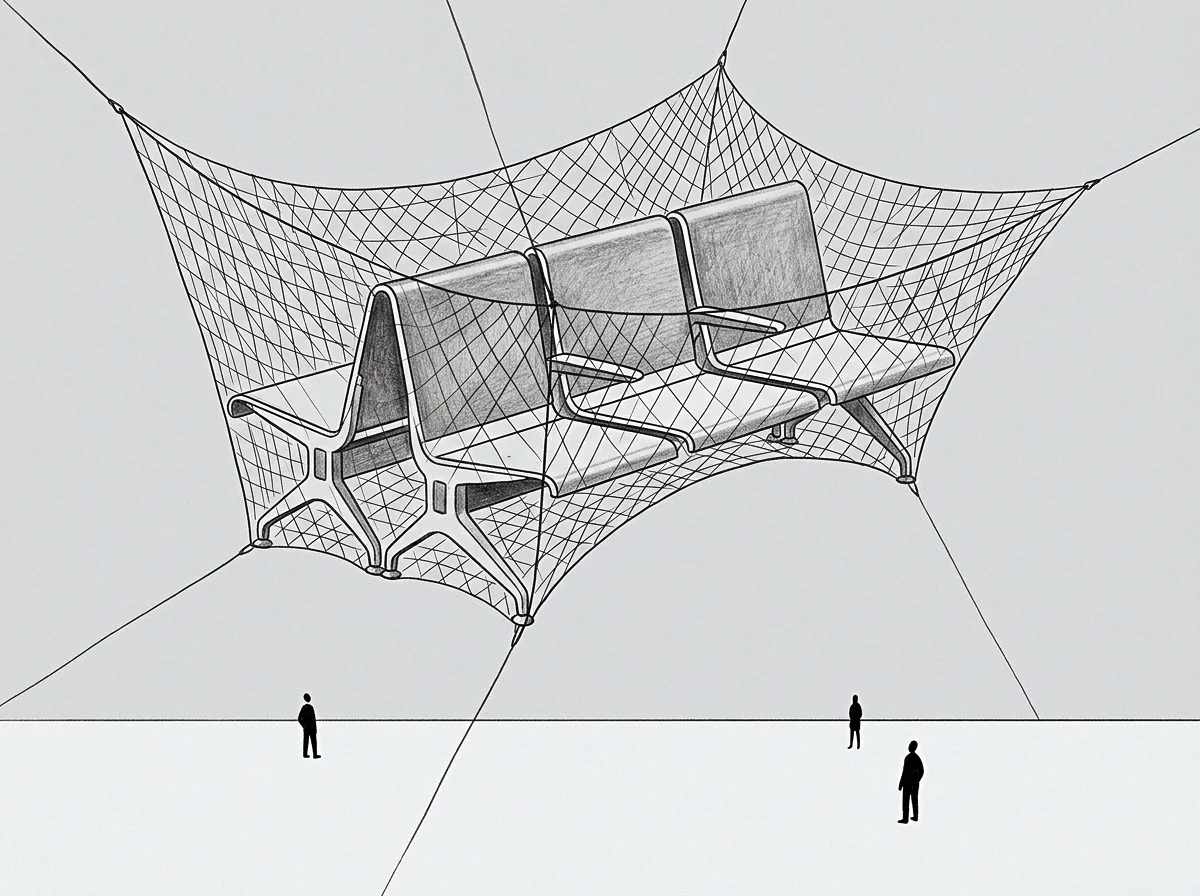
A physical or digital storage zone absorbs the impact of arrivals that exceed the immediate capacity of a system to handle them. The ingress buffer allows for the decoupling of the arrival rate from the processing rate. It functions as a temporary staging ground where units wait for their turn in the execution queue.
Reception Reservoir
Size limitations on this area determine how many items can wait before the system must reject new entries. A large ingress buffer prevents loss during short peaks of activity but introduces latency as the queue grows. Finding the optimal size involves balancing the cost of memory, bandwidth, storage and capital against the cost of lost inputs.
When the arrival rate exceeds the drain rate for too long, the buffer becomes a bottleneck. The depth of this reservoir dictates the maximum burst duration the system can withstand.
Arrival Management
Logic applied at the entrance of this zone dictates which items are prioritized. The ingress buffer often employs a first-in, first-out policy unless specific tags indicate a need for urgent handling. By smoothing out the flow, it protects the core processor from being overwhelmed by bursts.
Overflow Protection
Dropping data is the final result when this holding area reaches its maximum capacity. Maintaining an ingress buffer provides a safety margin that absorbs small errors in timing. It ensures that the system continues to operate at full throttle even when the input stream is erratic.
This component is the primary defense against systemic crashes during periods of extreme load.