
Quantifying Structural Impairment from Invariant Capital Deployment Schedules Operating Across Decoupled Asymmetric Regional Reference Distributions
Deploying capital on fixed schedules into asymmetric regional markets creates compounding balance sheet drag as unabsorbed liquidity degrades overall returns.

Cadence
The wire arrived on the first banking day of October, exactly as set out in the master distribution schedule drafted eighteen months prior. Regional managers in the secondary territory had already accumulated eighty days of operating expenses in cash reserves from earlier disbursements, yet central headquarters dispatched the allocation automatically while local inventory sat untouched.
Deploying funds on an invariant timetable assumes uniform absorption capacity across geographic operating units. In practice, regional markets differ in labor availability, regulatory clearance timelines, and supplier settlement terms. A corporate treasury operating on a rigid calendar treats every balance sheet node as an identical conduit, creating a dislocation between distribution velocity and regional settlement times that generates systemic drag.
A regional subsidiary sitting on six months of unallocated cash received another quarterly wire because the calendar turned.
Capital allocation teams often rely on predetermined drawdown agreements for administrative convenience. The fixed calendar distribution acts as a cached answer to an operational question that actually requires ongoing recalculation. When regional sales slow, the central schedule keeps pushing liquidity into territories that cannot deploy it productively.
This idle capital creates an opportunity loss and inflates local balance sheets, overriding actual operating needs and eroding overall returns over multiple quarters.
When capital arrives faster than operational infrastructure can deploy it, local managers lower deployment standards to absorb the inflow.
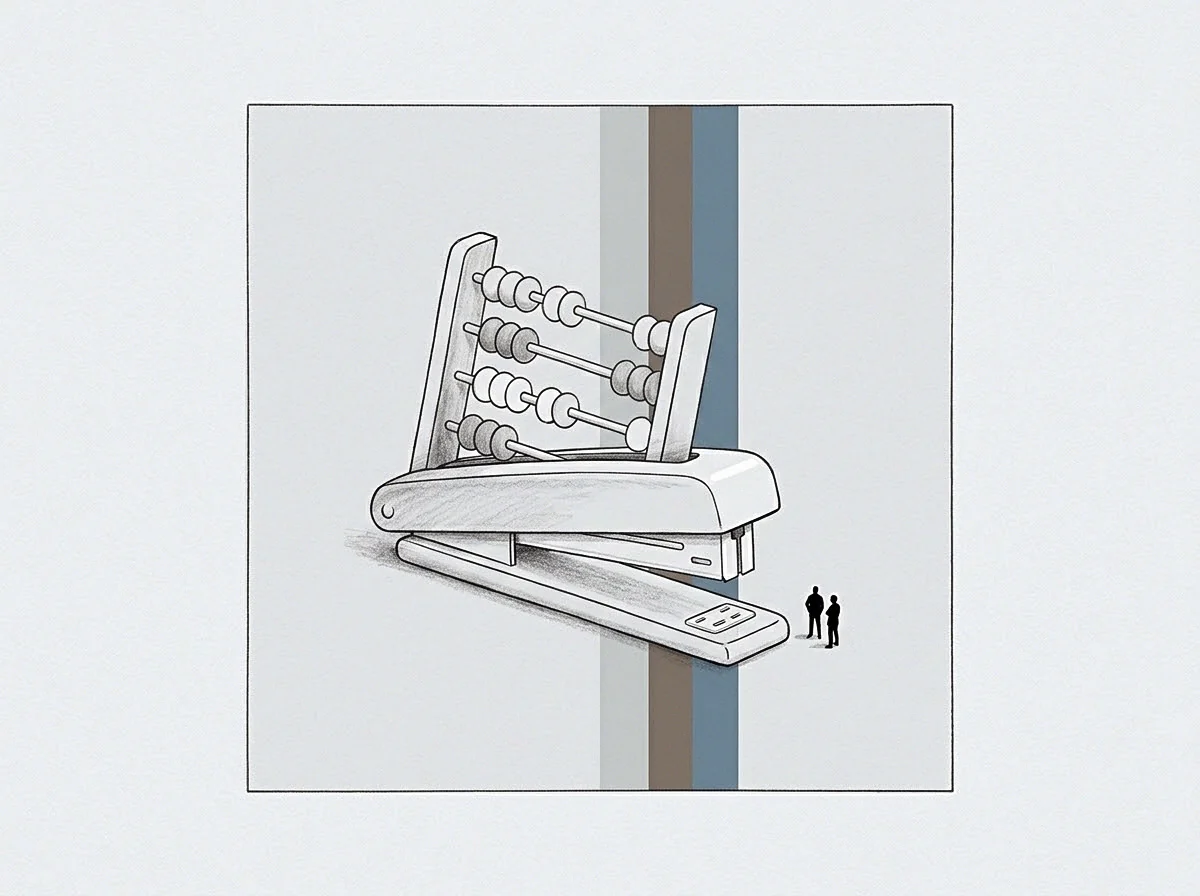
Tank
Secondary corporate treasuries function as pressurized storage vessels when headquarters enforces rigid funding tranches. Local subsidiaries rarely have authorization to return unneeded funds without triggering adverse budget cuts during the next annual review. Consequently, incoming wires force local managers to park cash in low-yield commercial deposits or rush into premature inventory purchases, altering management behavior over successive quarters.
A regional operating unit subjected to mandatory capital intake experiences specific distortions across its core functions:
- Excessive Inventory Accumulation occurs when procurement teams purchase raw materials months ahead of need simply to deplete idle cash before balance sheet audits.
- Premature Facility Expansion commits capital to physical leases long before local distribution volume justifies added warehouse footprint, depressing facility utilization.
- Vendor Concession Surrender weakens leverage during supplier negotiations, as counterparties observe excess cash reserves and demand faster settlement terms.
- Administrative Overhead Bloat develops when management establishes temporary administrative committees solely to manage excess regional liquidity.
The local operator views the incoming allocation as an external liability requiring immediate balance sheet reconciliation, while headquarters treats the transfer as proof of operational support. Neither side acknowledges that regional operating conditions differ entirely from the home-territory assumptions used to draft the initial schedule, leaving transfers uncoupled from local reality.
When deployment schedules ignore local absorption constraints, unallocated liquidity drives down capital efficiency across the entire regional branch.
The regional manager explains to the internal auditor that rejecting the allocated funding would reduce next year’s operational baseline.

Gradient
Capital flows between central treasuries and regional nodes depend on absorption speed. When funds move from high-velocity home markets into slower operating territories, distribution schedules must match regional settlement windows. Ignoring these differences converts capital allocation into an uncalibrated open loop.
The table below outlines how performance metrics diverge under fixed calendar schedules versus calibrated, demand-driven regimes.
| Operational Dimension | Invariant Calendar Schedule | Calibrated Distribution Model |
|---|---|---|
| Cash Idle Duration | Eighty to one hundred forty days in regional deposit accounts | Fourteen to twenty-one days matched to procurement commitments |
| Inventory Holding Cost | Elevated carrying charges resulting from defensive pre-buying | Stabilized inventory levels matched to verified customer demand |
| Treasury Tracking Frequency | Static quarterly allocations governed by fixed agreements | Continuous adjustments governed by local working capital baselines |
| Return on Invested Capital | Systematic dilution from unabsorbed cash assets on local books | Preserved capital efficiency through localized release gates |

What Alters Regional Capital Absorption Rates?
Local labor markets enforce hard boundaries on how fast an operating team deploys cash into assets. A mandate allocating five million dollars quarterly to a secondary logistics hub assumes local hiring pipelines can absorb the funds immediately. When recruiting technical talent takes six months, the allocated expansion funds sit idle in commercial accounts because the fixed calendar ignores localized hiring frictions.
This uncalibrated loop leaves regional management accountable for returns on capital they never requested, raising the question of whether central allocators will ever permit local units to dictate their own funding schedules.

Impairment
Balance sheet deterioration accelerates when capital deployment runs ahead of execution. Overfunding a regional entity inflates the asset base used to evaluate operational efficiency, causing return on assets to drop even when absolute operating profit remains stable.
Match treasury release triggers to regional cash conversion cycles rather than headquarters calendar dates.
Financial degradation follows a predictable path across uncalibrated expansions:
- The central treasury issues the predetermined quarterly allocation without checking local account balances.
- Local management allocates excess cash to low-yield operating holdings to avoid holding unproductive cash on bank ledgers.
- Carrying expenses for premature inventory and excess commercial real estate compress local operating margins.
- Central allocators penalize regional management for declining capital efficiency by imposing stricter administrative oversight while continuing the pre-scheduled disbursements.
A rigorous calibration baseline establishes the minimum operational milestone required before subsequent funding tranches release. When organizations substitute calendar milestones for operational performance milestones, structural impairment becomes inevitable. Enforcing fixed schedules despite decoupled regional conditions ultimately forces severe write-downs of subsidiary operating assets.

Tally
Measuring the drag of uncalibrated funding requires tracking working capital velocity rather than disbursement completion. A treasury department that measures its performance solely by whether transfers execute on scheduled dates operates without a valid feedback loop. Meaningful evaluation examines the delta between allocated capital and active operational utilization across a defined ninety-day window.
The presence of a mandatory capital call schedule accelerates balance sheet distortion whenever local operational velocity decelerates.
A central treasury must implement dynamic disbursement clauses that condition release tranches on regional inventory turns and cash conversion targets. Replacing calendar-based schedules with contingent allocation triggers prevents idle capital accumulation. Inserting a clause that halts automated funding tranches whenever local working capital exceeds forty-five days of operational burn ensures regional balance sheets remain unencumbered by idle liquidity.