
Isolating Hidden Coordination Drag In Multidimensional Vector Velocity Models
Coordination drag occurs when localized velocity vectors diverge, converting scalar output into destructive internal friction across multidimensional systems.

Beam
Four engineering squads deployed software updates daily while customer-facing metrics remained flat for three quarters. Each team reported individual execution velocities near maximum capacity. Burn-down charts indicated consistent task completion, code commits reached record volumes, and feature releases occurred on schedule.
Net system displacement remained near zero. The collective energy expended by forty builders failed to translate into measurable progress across primary performance metrics.
Static output signals structural drag.
High localized activity alongside zero systemic displacement indicates multidimensional vector divergence. In a physical trajectory model, velocity is a vector with both magnitude and direction. Measuring speed alone treats velocity as a scalar metric, assuming every unit of effort points along the same coordinate axis.
When teams operate across independent functional dimensions without mathematical alignment, individual velocity vectors point in competing directions. Summing these non-parallel vectors yields a resultant vector whose magnitude is only a fraction of the scalar inputs.
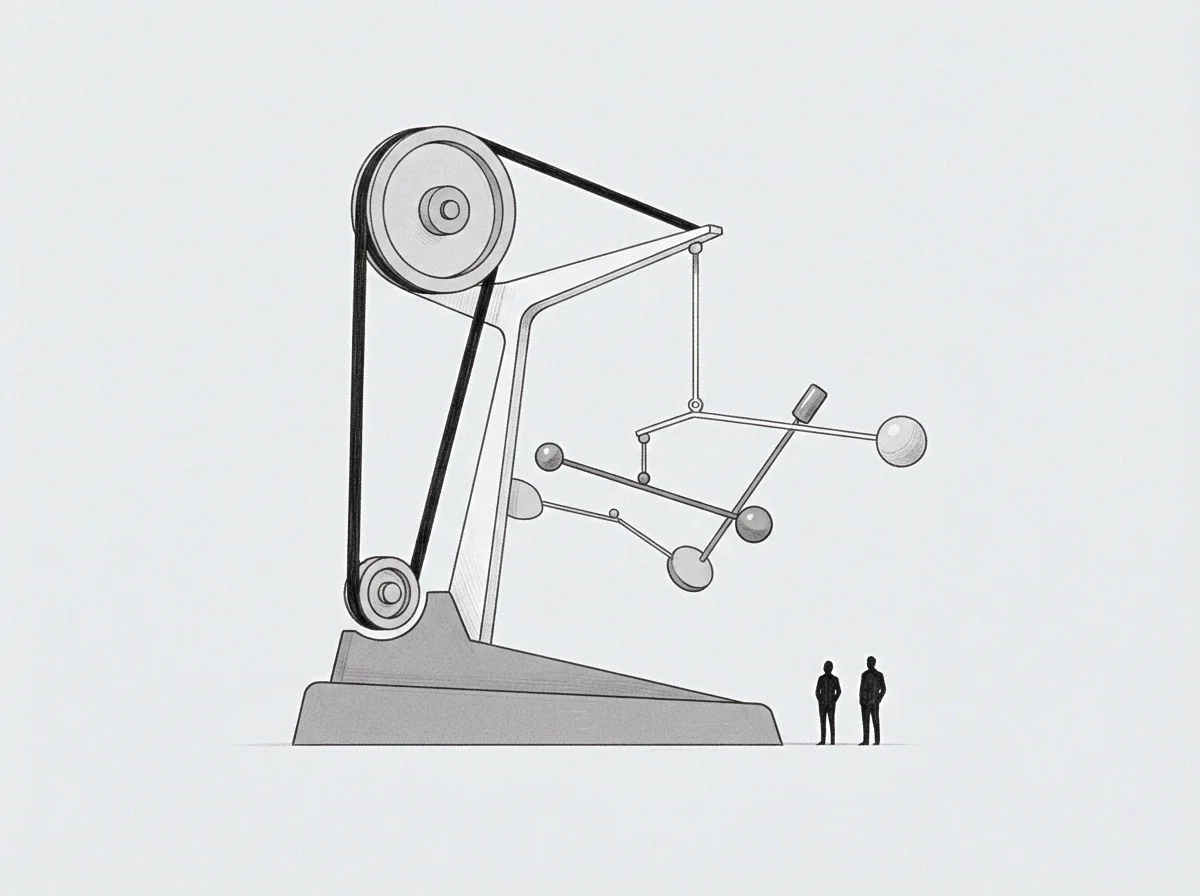
Decomposing Scalar Speed into Directional Vectors
Organizations routinely track individual output metrics while overlooking the geometry of simultaneous efforts. Assume a firm operates along three orthogonal axes: core platform stability, enterprise feature expansion, and infrastructure cost reduction. Squad A moves along the feature axis with a speed of eight units.
Squad B moves along the platform stability axis with a speed of six units, enforcing frozen dependencies that restrict changes to core services. Squad C executes an infrastructure reduction initiative with a speed of five units, removing legacy databases required by Squad A’s prospective enterprise features.
Calculating the resultant system trajectory requires vector addition across all three axes rather than summing localized ticket outputs. The scalar total implies nineteen units of productive output. Vector summation reveals that Squad C’s work directly opposes the dimensional components of Squad A’s initiative.
The scalar measurement conceals this cancellation. The system consumes nineteen units of financial and cognitive capacity to achieve a net displacement of less than four units along the true target trajectory.
Pairwise Cancellation Across Execution Trajectories
When two teams move along divergent paths, their unaligned force components create destructive interaction forces. The internal drag generated by opposing work streams increases as the angle between their directional vectors widens. Angles greater than ninety degrees produce negative dot products, showing that progress by one unit actively undoes progress achieved by the other.
This condition forces continuous reconciliation meetings, interface refactoring, and duplicate integration attempts.
Friction absorbs speed.
A worked situation demonstrates how this hidden drag force accumulates. Assume two software development groups with equal headcount working on a shared distributed application. Group Alpha prioritizes rapid API response times, modifying data storage formats to optimize read latency.
Group Beta prioritizes zero-downtime schema migrations, introducing normalization constraints that increase database write latency. Both groups move at high speed within their chosen performance spaces. Because their vector components along the system architecture axis point in opposite directions, every schema change by Beta requires Alpha to rewrite query caching layers.
The time spent reconciling these architectural choices represents pure coordination drag: capacity consumed by the geometry of the system rather than the external task. If Alpha and Beta spend forty percent of their weekly engineering hours resolving these technical conflicts, eighty person-hours per week disappear into non-productive stabilization. The drag remains invisible on team dashboards because both groups log the reconciliation hours as standard feature delivery.
Leaving vector divergence unmapped forces organizations to hire additional managers to manually mediate the friction, doubling operational costs while net output remains static.
Interference
System capacity degrades when independent units attempt real-time synchronization across shared software dependencies. As the number of active vectors within a system multiplies, potential interaction surfaces expand exponentially according to pairwise combinations. Uncoordinated directional vectors generate structural interference patterns that consume computational and cognitive resources, manifesting as extended feedback loops, repeated architectural rework, and continuous operational friction.
When angular divergence between two team vectors exceeds ninety degrees, every unit of added localized effort reduces net system displacement.
Mathematical Proof of Latent Resistance
Evaluating system performance through orthogonal projections demonstrates that uncoordinated effort converts directly into structural heat. Consider a system vector space defined by orthogonal basis vectors representing product speed, security compliance, and architectural modularity, with individual team velocities represented as vectors in this space. The dot product of two velocity vectors reveals the degree of constructive or destructive interaction between them.
A dot product of zero indicates orthogonal independence, where work in one domain impacts another domain by exactly zero units. A positive dot product indicates aligned execution, while a negative dot product confirms structural cancellation.
Angle determines net displacement.
When team vector trajectories diverge by an angle theta, the useful work aligned with the primary system goal scales with the cosine of theta. The perpendicular component, scaling with the sine of theta, generates cross-axis interference. This cross-axis force compels adjacent systems to expend energy maintaining equilibrium against lateral drift.
Total latent resistance in a multidimensional model is the sum of all absolute cross-axis vector components across all active subsystems.
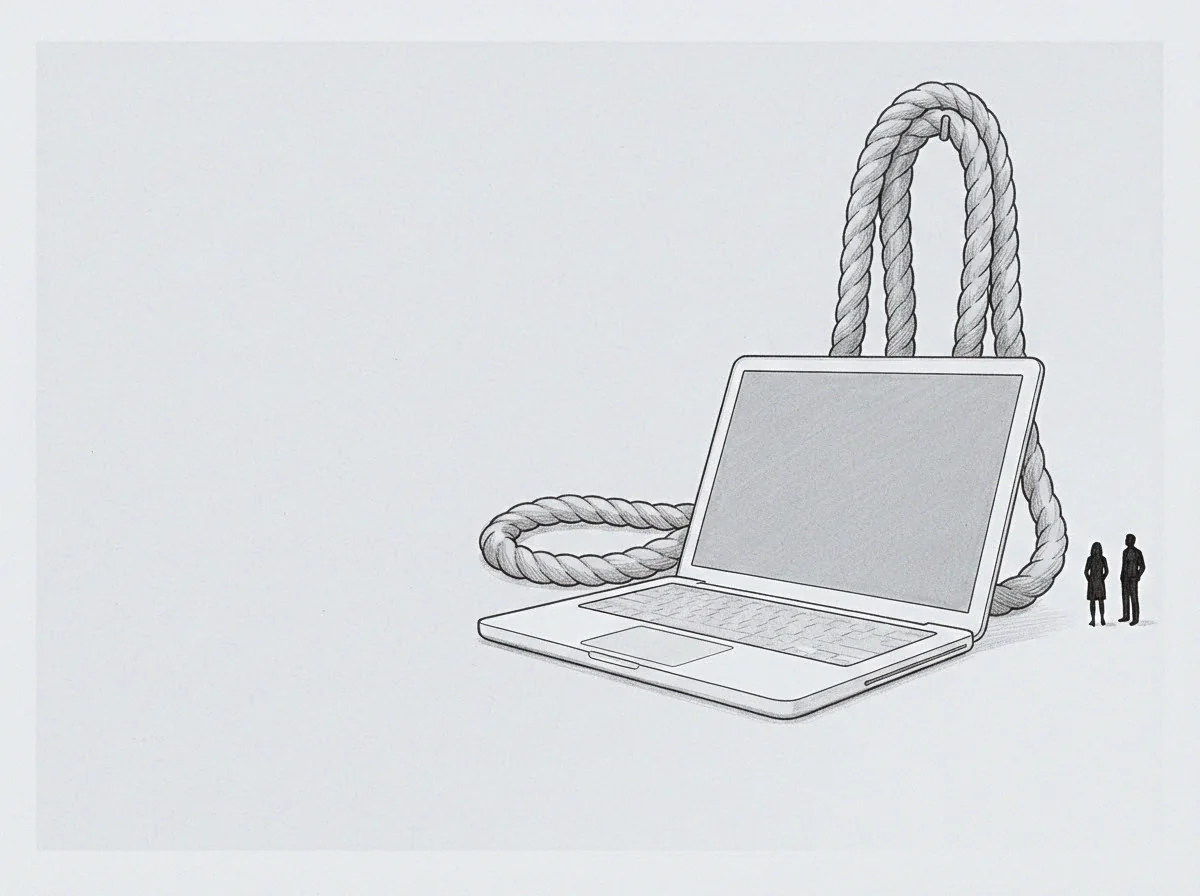
Why Parallel Subsystems Produce Destructive Coupling?
Cross-functional initiatives encounter communication overhead that grows as a polynomial function of active participant counts. When teams execute parallel tasks without orthogonal boundaries, every modification to shared state requires cross-team validation. This requirement introduces communication latency into every execution loop, slowing the velocity of the fastest team to match the processing speed of the slowest synchronization step across the network.
Consider the parameter breakdown of coordination drag mechanisms across varying architectural configurations detailed below.
| Parameter Vector | Angular Divergence Range | Latent Friction Mechanism | Capacity Recovery Move |
|---|---|---|---|
| Fully Orthogonal Stream | 0 to 15 degrees | Minimal interface schema negotiation | Maintain explicit boundary contracts without intervention |
| Coupled Parallel Track | 16 to 60 degrees | Continuous API synchronization latency | Establish asynchronous event messaging between domains |
| Divergent Enterprise Vector | 61 to 120 degrees | Shared state locking and continuous merge conflicts | Decompose monolithic state into isolated team datastores |
| Opposing Execution Path | 121 to 180 degrees | Direct architectural negation and duplicate effort | Halt execution and redefine organizational target axes |
| Data derived from mathematical projection of vector interaction matrices in distributed engineering systems. | |||
Divergence consumes energy.
When dependencies remain tightly coupled, asynchronous execution breaks down. Squads spend increasing percentages of time waiting for pull request reviews, API specification approvals, and environment deployment windows. The total velocity model must incorporate these waiting states as negative acceleration components that actively diminish the scalar speed reported by localized team leads.
Decoupling architecture along natural boundaries yields higher system velocity than attempting real-time alignment across connected teams.
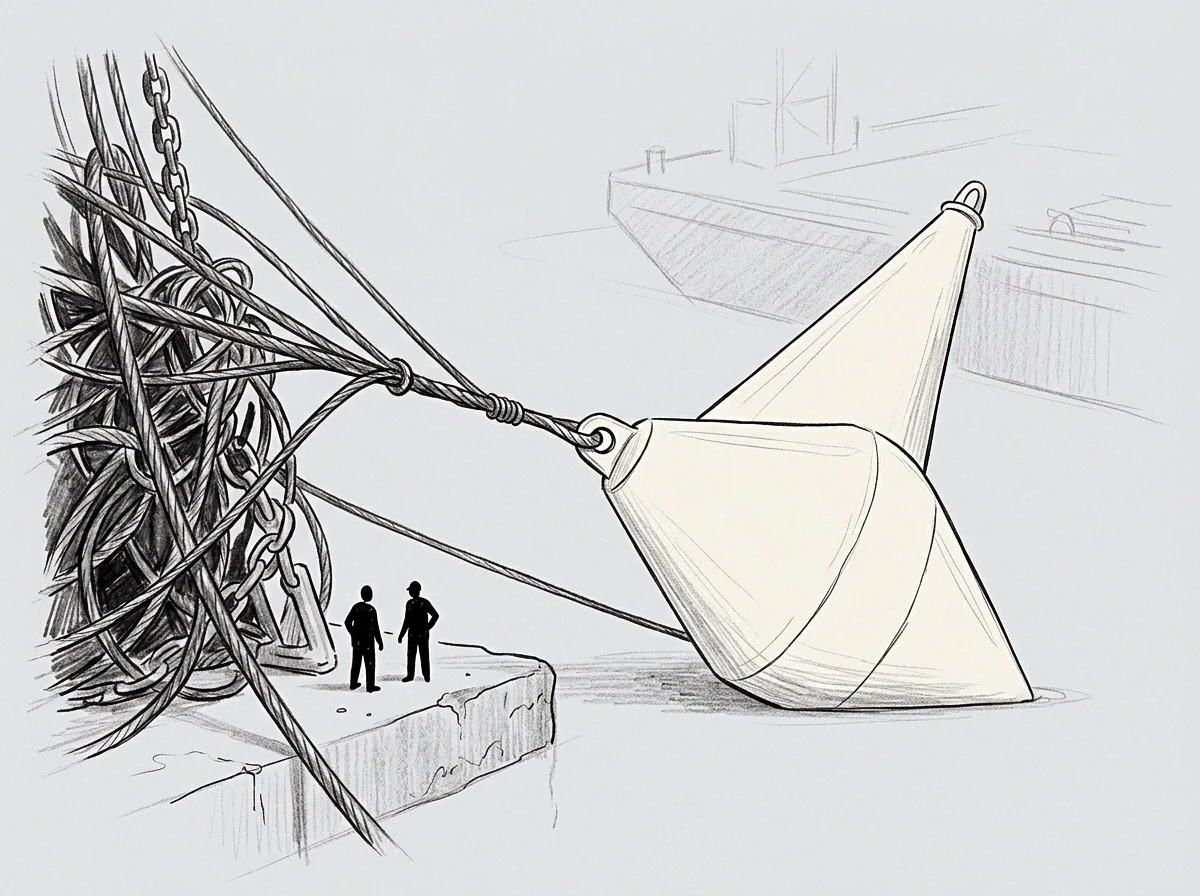
Filter
Isolating non-productive energy requires separating intentional trajectory changes from structural overhead. Standard project management tooling records task completion without assessing vector direction, blending productive displacement with internal friction. Filtering hidden coordination drag requires projecting local velocity vectors onto a unified coordinate plane and measuring the residual variance.
The portion of localized energy that fails to project onto the target vector represents pure systemic drag.
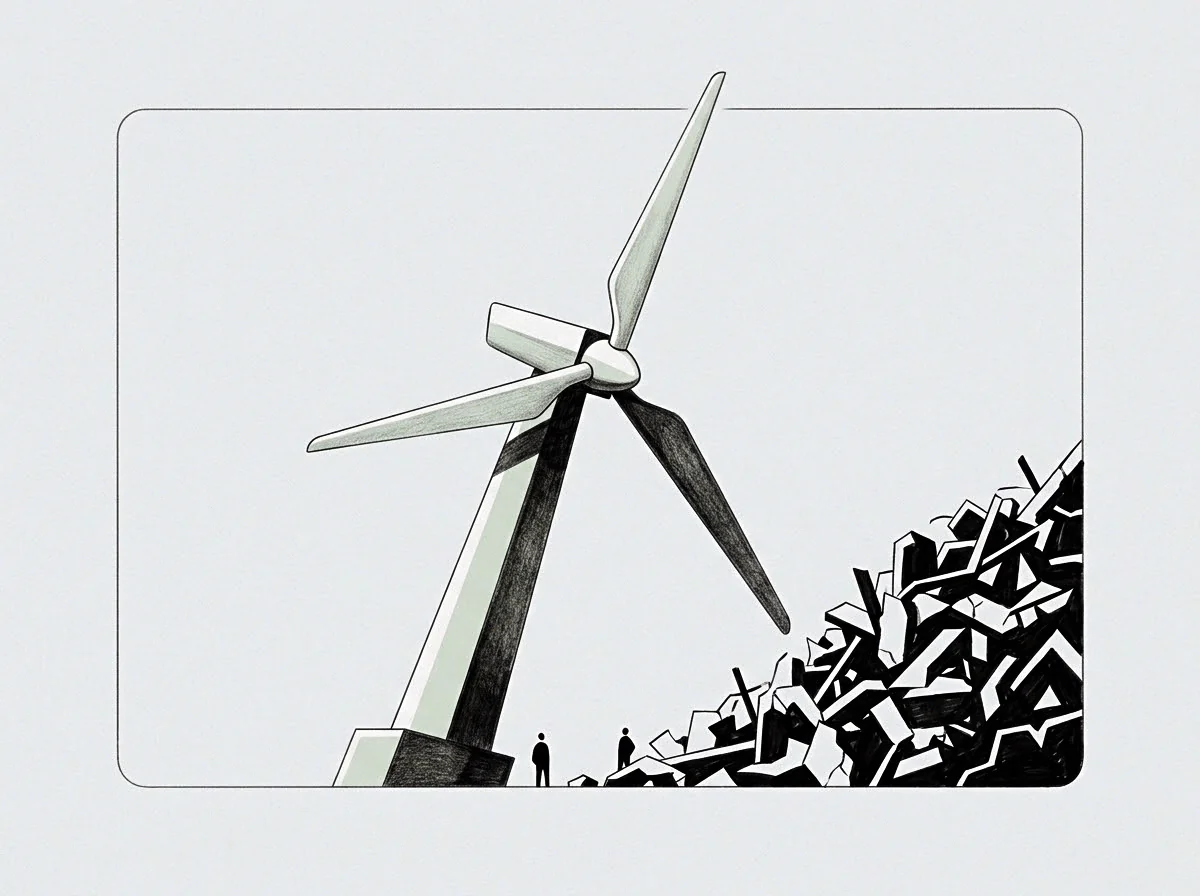
Isolating Residual Variance in Parallel Streams
Subtracting localized task output from overall system velocity exposes unmapped operational friction. When engineering velocity reports show high activity but overall product displacement lags, the delta is absorbed by systemic friction modes. Isolating these drag modes requires auditing the operational interaction surface between parallel work streams.
Work expands sideways.
Four primary failure modes consistently account for hidden coordination drag in distributed systems:
- Unbounded Interface Drift occurs when two teams modify interdependent schemas simultaneously without locked contract boundaries, forcing continuous runtime reconciliation and interface patch deployments.
- Synchronous State Locking arises when one execution track blocks on live approvals or real-time environment access held by another track, converting idle time into disguised operational velocity.
- Redundant Architectural Computation manifests when decoupled squads independently build identical internal tooling or pipeline components due to absent discovery mechanisms across the broader organization.
- Lateral Trajectory Inflation develops when teams append secondary, unaligned objectives to core delivery milestones, increasing localized scope while reducing net forward momentum along the target vector.
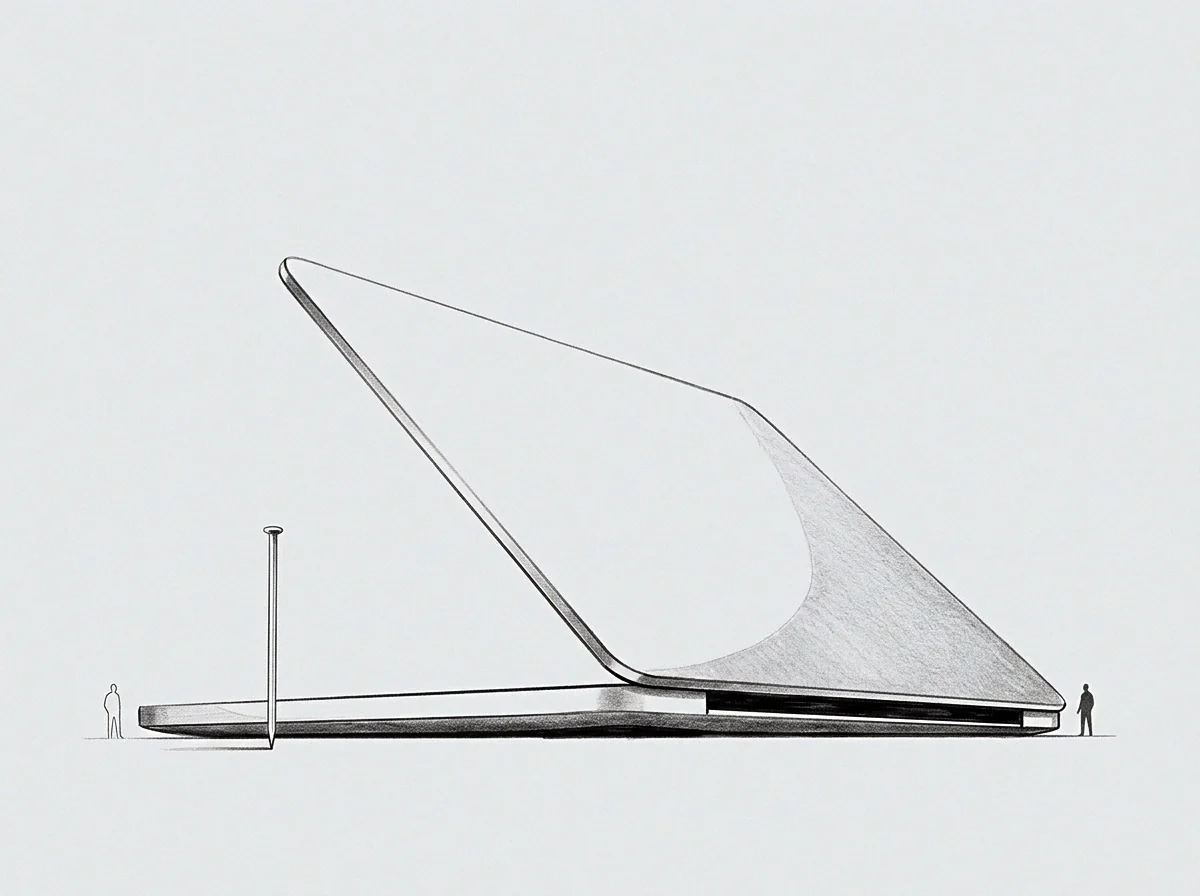
Quantifying Latent Alignment Loss
A dimensional model maps team outputs to a unified coordinate space to evaluate net directional progress. To perform this measurement, establish a baseline vector representing the strategic trajectory. Project each squad’s weekly output vector onto this target axis using historical commit data, ticket resolutions, and infrastructure deployments.
The difference between the scalar sum of squad speeds and the magnitude of the projected resultant vector quantifies the organization’s alignment loss.
Unbounded asynchronous messaging creates latent synchronization debt that eventually halts feature deployment.
Systemic dissipation consumes available engineering capacity quietly over time. If a fifty-person organization experiences a thirty percent alignment loss, fifteen full-time equivalent positions operate strictly to offset internal divergence. The financial cost matches the payroll of those fifteen positions, accompanied by the opportunity cost of unbuilt features.
Capacity drains quietly.
The tensor reveals zero net drift.
Tracking these residual vectors over time provides a continuous measurement of architectural health. A steady increase in residual variance indicates that organizational growth is creating uncontrolled structural dependencies. Addressing this trend requires structural refactoring of team interfaces rather than encouraging teams to work faster along unaligned trajectories.
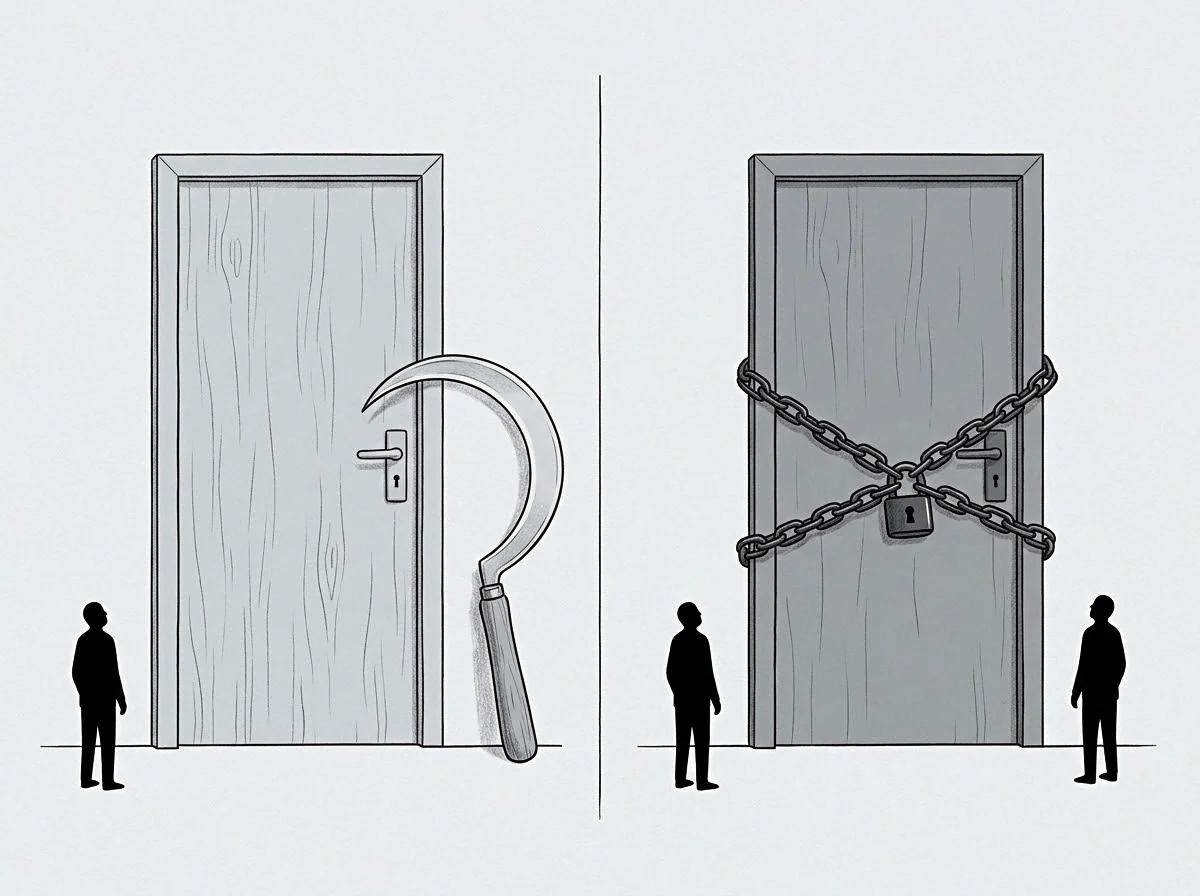
The engineering specifications were delivered on schedule according to local benchmarks, yet the unified product build failed integration testing.
Joint
Structural boundaries determine whether velocity vectors combine constructively or collapse into internal friction. Modifying organizational velocity requires altering coupling mechanisms between work streams rather than demanding higher localized speed. Establishing strict architectural interfaces isolates divergent vectors, ensuring that energy expended within one domain cannot apply destructive lateral force to adjacent domains.
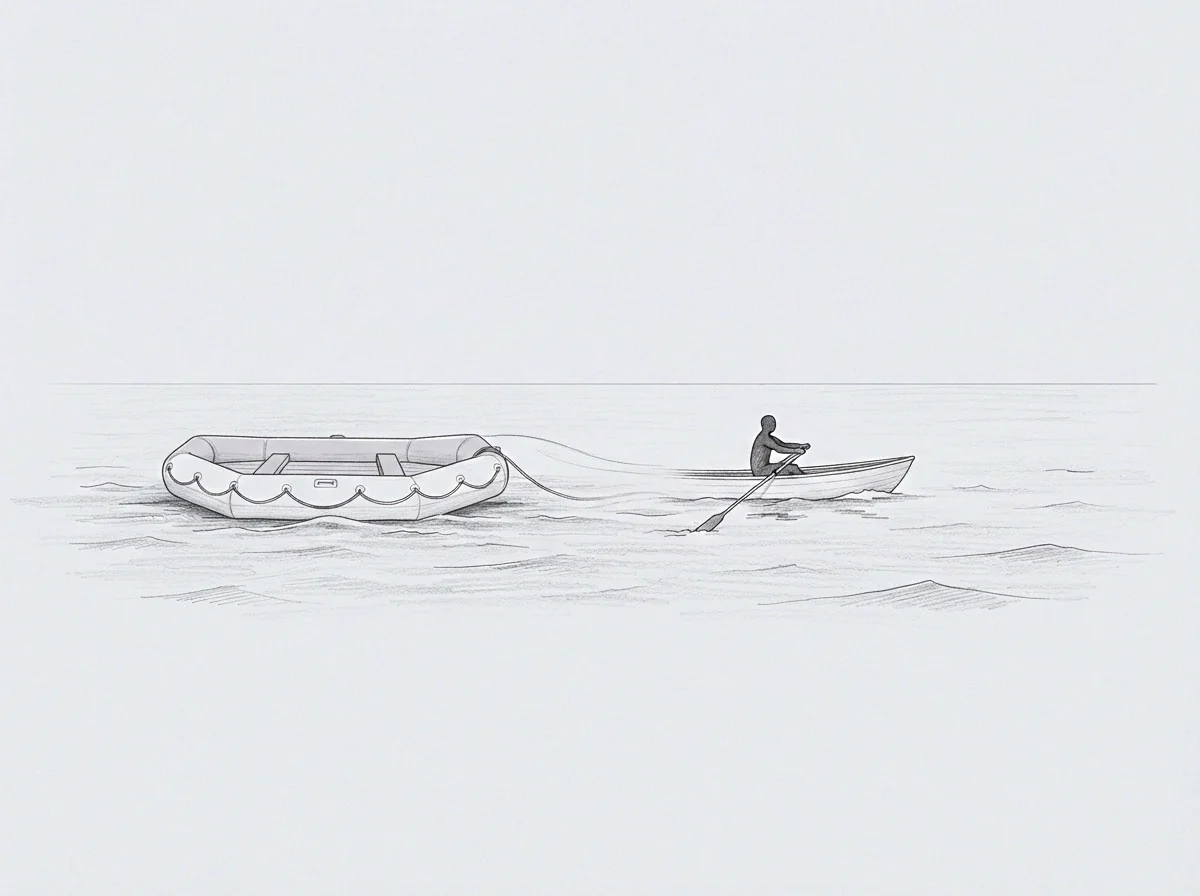
Engineers spend thirty percent of weekly capacity re-aligning technical specifications that drifted during parallel development.
Decoupling Non-Orthogonal Work Streams
Refactoring task dependencies transforms overlapping operations into independent modules. When two execution streams share mutable state, their directional vectors remain inextricably coupled. Eliminating this coupling requires converting shared state into immutable data contracts passed across asynchronous interface boundaries.
Friction grows with width.
A structured sequence for restructuring interaction surfaces eliminates destructive vector overlap across engineering divisions:
- Identify all shared mutable datastores, synchronous internal API calls, and manual cross-team approval gates across active project domains.
- Define explicit schema contracts for every cross-domain data exchange, enforcing versioning standards that allow independent schema evolution.
- Reassign datastore ownership so that exactly one squad holds read and write authority over each data domain.
- Convert synchronous RPC requests between team services into asynchronous event streaming architectures to eliminate real-time waiting states.
- Audit execution vectors monthly to verify that cross-domain coordination hours drop toward zero following interface decoupling.
Establishing Boundary Constraints for Autonomous Vectors
Defining strict input and output interfaces prevents unauthorized lateral coordination between execution teams. When teams possess the freedom to negotiate custom integrations ad hoc, they reintroduce non-orthogonal drag forces into the model. Mandating standard platform interfaces constrains vector movement to predictable coordinate paths.
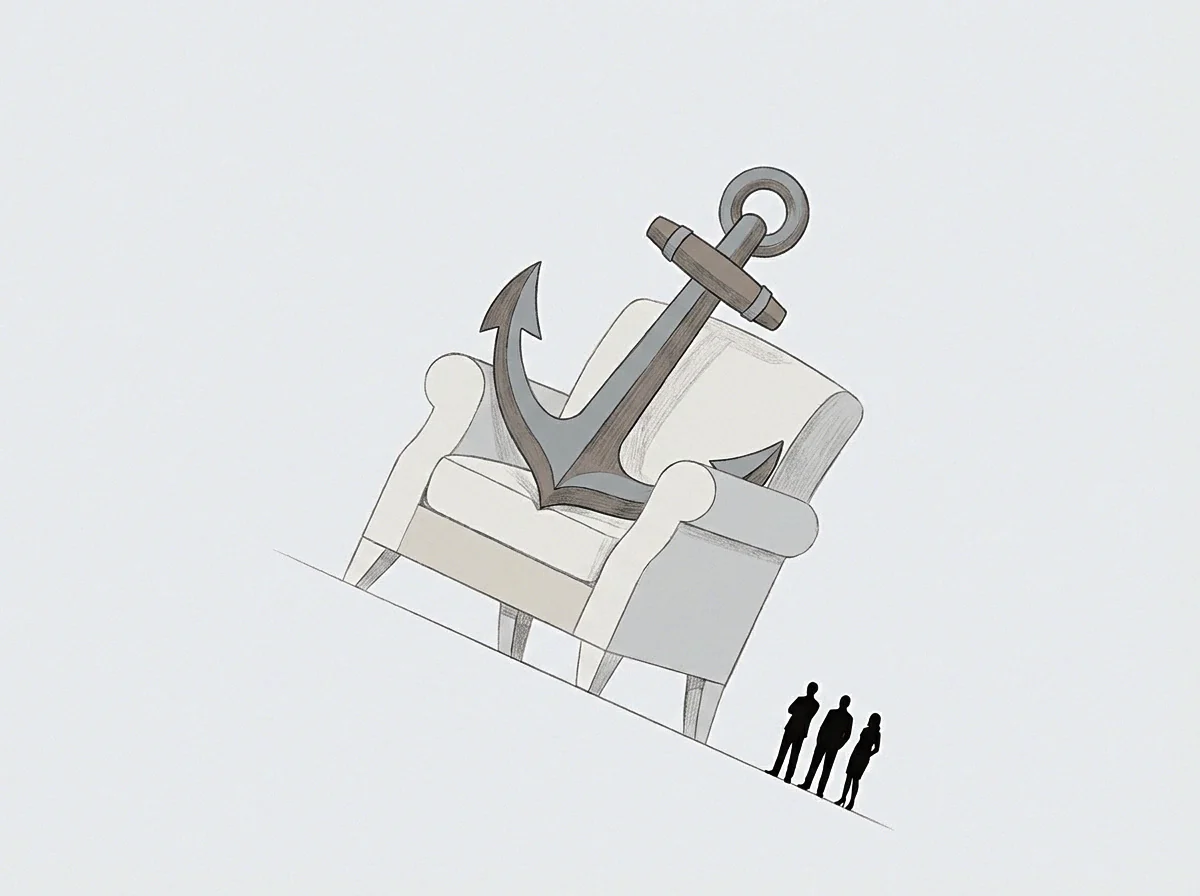
Vectors cancel across boundaries.
Boundary constraints force squads to solve operational problems internally rather than shifting complexity to adjacent teams. If Squad A requires data from Squad B, Squad A must consume Squad B’s published event stream rather than requesting custom API endpoints. This constraint preserves Squad B’s directional vector while permitting Squad A to transform the event data independently along its own trajectory.
Zero offset preserves momentum.
The wall stays fixed.
Alignment costs zero votes.
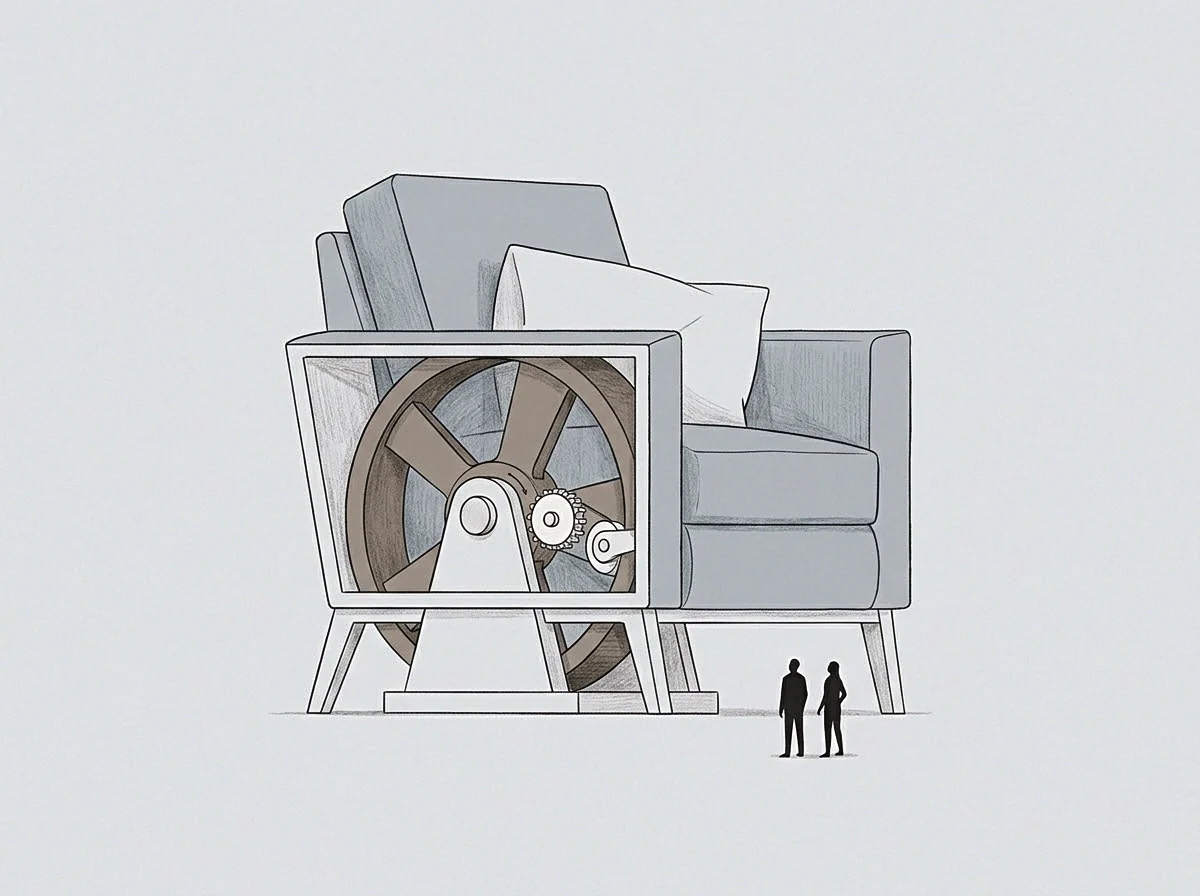
A strict asynchronous interface mandate replaces real-time sync meetings with published schema contracts, reducing inter-team coordination drag to zero.
Floor
Restoring baseline performance depends on keeping coordination drag below the threshold of natural system dissipation. Every organization carries a baseline friction level determined by company size, technical complexity, and domain distribution. The objective of multidimensional vector management is not the total elimination of drag, but the containment of vector divergence within mathematically safe tolerances.
A system with fewer coordination boundaries achieves higher displacement than a system with maximum localized velocity and dense communication channels.
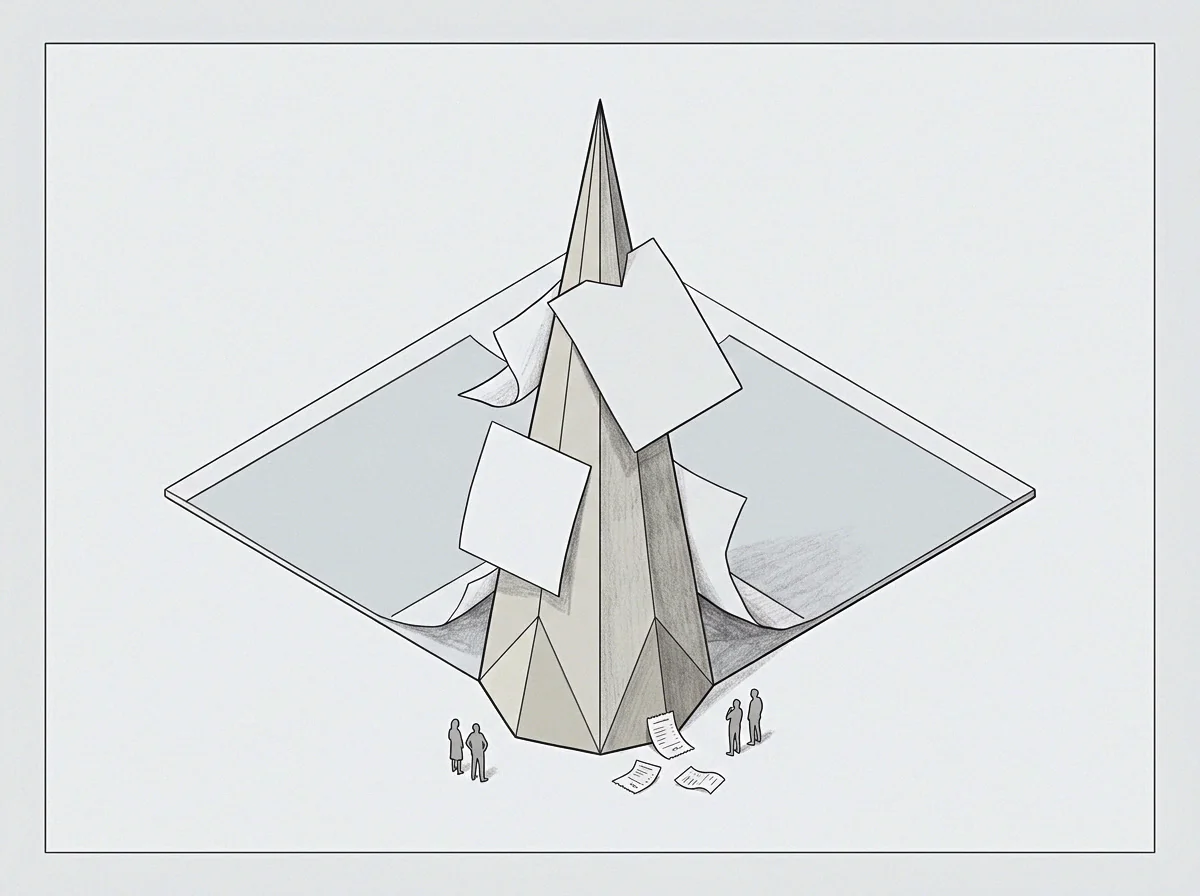
Recovered Latent Capacity at the Model Boundary
Operating near the optimal velocity threshold frees engineering hours previously absorbed by continuous synchronization. When vector divergence drops below fifteen degrees, cross-axis interference forces drop by over ninety percent. The capacity recovered from reduced meeting frequency, eliminated merge conflicts, and simplified architecture returns directly to the primary execution vector.
The baseline drops.
Recovered capacity manifests as increased net displacement without increasing head count or localized workload. Teams operate with reduced operational cognitive load, executing tasks within isolated domains bounded by stable interfaces. The multidimensional velocity model converges on its theoretical maximum efficiency when individual vector magnitudes align with system coordinate axes.
It remains undetermined at what point localized vector divergence becomes beneficial for exploratory discovery before structural drag overwhelms net system progress.