
Managing Internal Cash Friction To Prevent Emergency Asset Liquidation
Internal cash friction forces emergency asset liquidations when settlement delays and trapped balances compress liquidity below operational debt obligations.

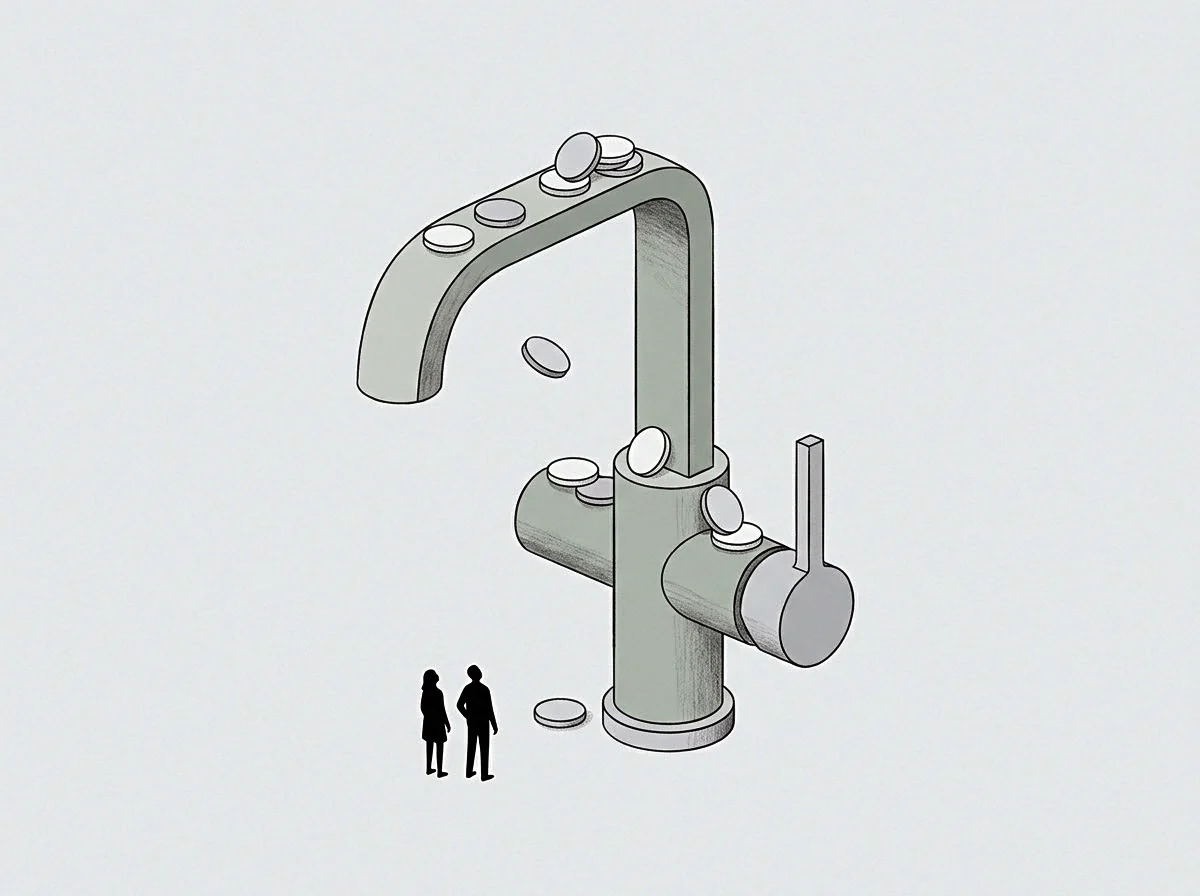
Drain

Internal Payment Velocity Mismatches
Operational capital routinely freezes inside payment routing loops, delayed inter-company settlements, and reserve holds before treasury managers recognize the loss of velocity. A balance sheet displays high net working capital while cash available for immediate disbursement remains insufficient. This disconnect stems from internal processing lag, where receivables collect into centralized entity accounts but remain subject to multi-day clearing holdback protocols.
When operating units operate across multiple legal structures or banking jurisdictions, capital mobility slows. Settlement delays compound rapidly.
Friction eats available liquidity. The operational cost of delayed internal cash movement behaves as an unstated interest rate on working capital. When subsidiary entities maintain isolated cash balances to buffer against local disbursement cycles, total consolidated cash efficiency falls.
Corporate treasuries frequently observe that cash sitting in regional operational accounts remains inaccessible during emergency liquidity events due to daily cut-off times, currency conversion limits, or rigid internal authorization hierarchies.
An automated treasury sweep reduces working capital friction only when target accounts maintain zero minimum balance restrictions.
Trapped liquidity forces organizations to seek external funding to cover short-term liabilities, despite holding aggregate balances that meet total debt service obligations. This operational drag becomes visible when comparing gross cash balances against immediately deployable cash reserves. Velocity declines silently.
Cash trapped in merchant processing holds, escrow accounts, or pending legal clearances creates localized deficits that demand rapid remediation. If internal transfers require manual batching or multi-tiered executive approvals, the speed of internal capital deployment slows below the speed of obligation maturity.
Intra-Company Drag and Settlement Friction
Inter-subsidiary transactions create persistent cash friction when clearing intervals stretch beyond contractual vendor payment windows. Subsidiaries operating as cost centers aggregate liabilities while parent entities hold the corresponding revenue streams. Manual inter-company invoicing and monthly netting cycles freeze capital inside non-operating ledger balances.
The resulting liquidity drag forces local financial controllers to maintain working capital buffers far exceeding actual operating requirements.
Research examining corporate treasury management across decentralized operational structures demonstrates that inter-entity transfer lag accounts for up to eighteen percent of trapped cash volume in medium-sized enterprises. This empirical finding assumes standardized multi-currency pooling arrangements and standard clearing schedules; altering banking integration infrastructure or introducing capital controls immediately alters this figure. Uncoordinated internal transfer policies generate artificial cash scarcity that prompts premature asset sales.
Failing to map these internal processing delays forces treasury operations into high-interest debt facilities or immediate fire-sale discounting during payroll peaks.
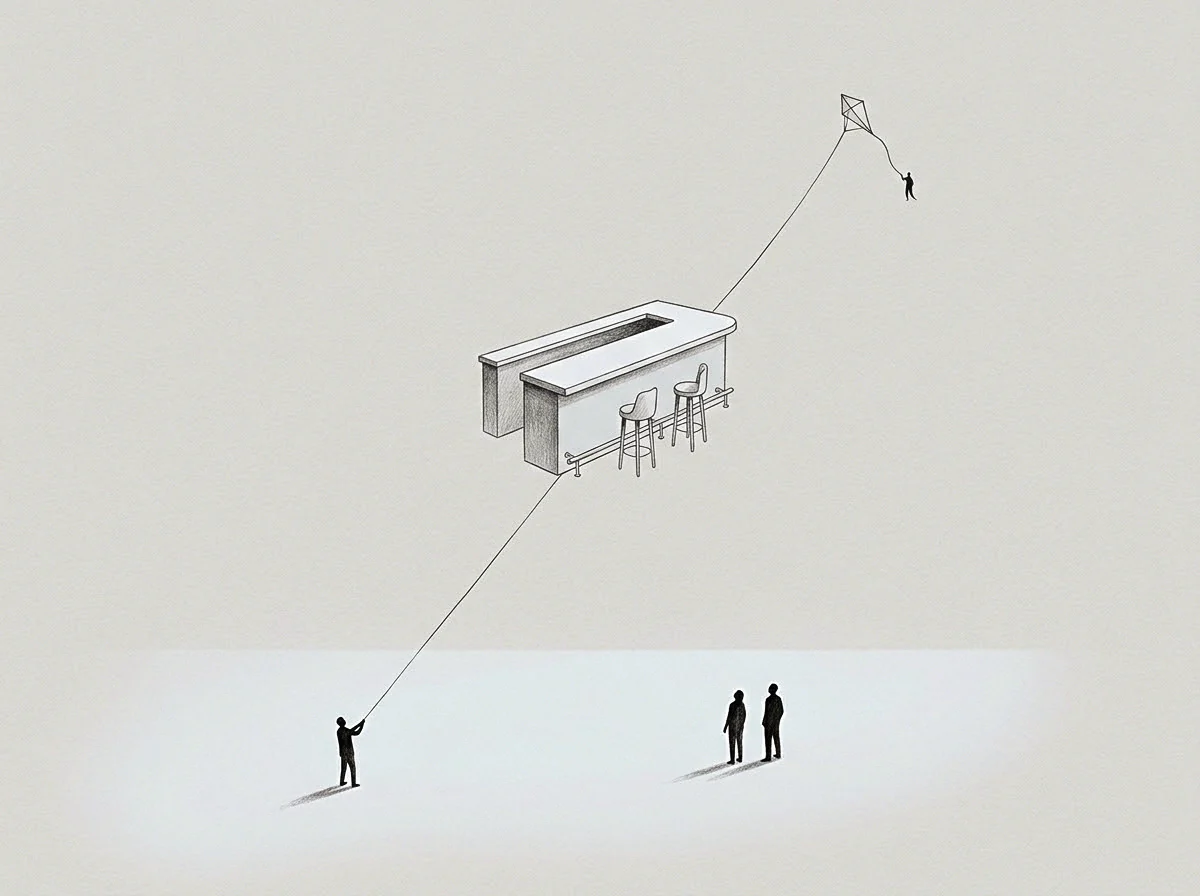
Clock

Cash Conversion Compression and Obligation Schedules
Cash conversion cycles measure the real time required for capital spent on inventory or payroll to return as usable liquidity. When market volatility lengthens the cash collection cycle, fixed liability deadlines remain static. Payroll, debt service, and vendor contracts demand liquidation on exact calendar dates.
Time compresses balance sheets. The structural tension between fluid collection timelines and rigid disbursement schedules creates a temporal squeeze that consumes liquid cash reserves.
Payment processors delay settlements during revenue spikes to manage fraud exposure across merchant networks.
When internal cash friction slows the speed of internal capital conversion, the cash flow cycle breaks. Corporate financial systems often rely on forecasted cash inflows to settle immediate obligations, underestimating the time required for funds to pass through compliance filters and bank clearing protocols. If cash processing times stretch from two days to seven days, operating liquidity contracts by seventy-one percent over that five-day window.
This duration gap leaves the enterprise exposed to sudden liquidity calls.
Liquidation Haircuts Across Asset Classes
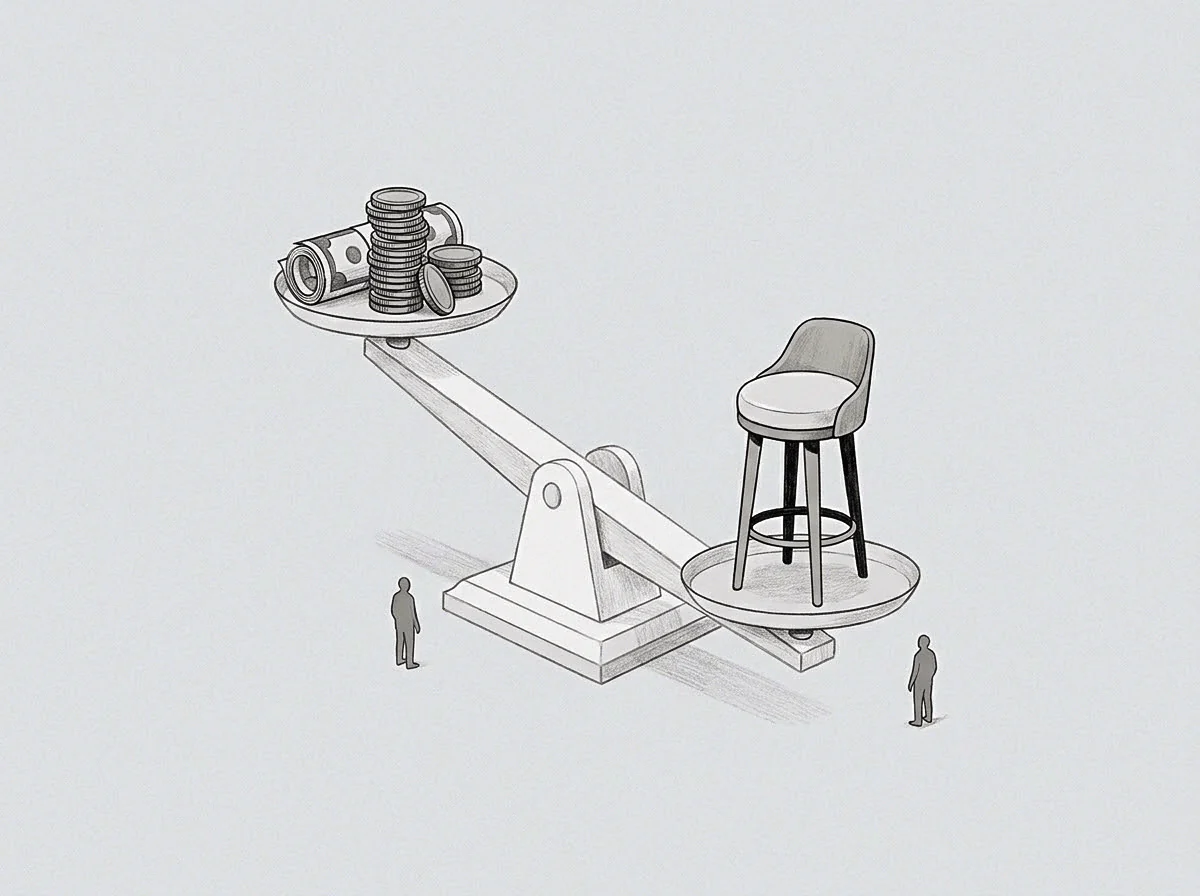
Emergency asset liquidation occurs when temporal compression forces an organization to monetize illiquid or semi-liquid assets to meet immediate cash obligations. Assets converted under compressed timelines suffer liquidating haircuts, where fair market value yields to execution speed. The magnitude of the haircut expands relative to the short notice of the sale and the depth of the buyer market.
The relationship between asset settlement velocity and realized price discount demonstrates how timing pressure impairs capital preservation. The table below details liquidation dynamics across standardized operational asset tiers under severe timing constraints.
| Asset Tier | Settlement Window | Liquidation Haircut | Friction Driver |
|---|---|---|---|
| Tier 1: Daily Cash and Sweeps | 24 Hours | 0.0 Percent | Bank clearing cut-offs |
| Tier 2: Short-Term Debt Papers | 2 to 3 Days | 0.5 to 2.0 Percent | Market spread widenings |
| Tier 3: Corporate Receivables | 5 to 10 Days | 10.0 to 25.0 Percent | Factoring discount rates |
| Tier 4: Capital Equipment | 30 to 90 Days | 30.0 to 50.0 Percent | Appraisal and broker drag |
| Tier 5: Strategic Equity Stakes | 60 to 180 Days | 40.0 to 65.0 Percent | Diligence and lockups |
Discounts scale with urgency. When a company must convert Tier 3 receivables or Tier 4 equipment into cash within forty-eight hours to avoid technical default, factoring agencies and distressed asset buyers capture the equity margin. Internal cash friction directly converts into balance sheet value erosion by accelerating the transition from orderly treasury sweeps to forced asset realization.
Payment obligations require cash in cleared settlement accounts today regardless of incoming wire schedules.

Valve

Mechanics of Automated Liquidity Sweeps
Systemic release mechanisms allow capital trapped in isolated bank accounts or collateral balances to move into primary liquidity pools. Zero-balance accounts and automated daily sweeps aggregate operating cash balances into a single treasury hub every afternoon. This concentration removes local account excess and eliminates the need for manual inter-company wire transfers.
Automated pooling maximizes deployable cash while reducing reliance on short-term credit facilities.
Maintaining uncommitted collateral structures subjects corporate treasuries to emergency liquidations whenever counterparty margin calls accelerate.
Implementing physical cash pooling across multiple legal entities requires formalized inter-company loan documentation with market-rate interest calculations to satisfy regulatory requirements. Where physical pooling faces regulatory barriers, header accounts utilize target-balancing rules to maintain predictable liquidity levels. Removing administrative friction from cash concentration ensures that every unit of operational cash actively reduces outstanding line-of-credit balances or funds daily disbursements.

When Does Cash Trapping Exceed Working Capital Thresholds?
Trapped cash crosses safe operational limits when uncollected receivables and held balances exceed twenty-five percent of total monthly disbursement obligations. At this threshold, minor revenue disruptions generate immediate liquidity shortfalls. Monitoring localized cash lockup requires structural indicators that flag friction before liquidity reserves dry up completely.
- Inter-Company Netting Protocols consolidate multi-entity debt obligations into single net monthly settlements, eliminating redundant cross-border banking fees and currency conversion spreads.
- Dynamic Term Extensions establish pre-negotiated flex terms with critical trade vendors, allowing automatic payment window extensions from thirty to sixty days during revenue contractions.
- Receivables Factoring Facilities provide pre-cleared access to immediate cash by pledging vendor invoices without triggering distressed debt disclosures.
- Collateral Rationalization replaces static cash security deposits with letter-of-credit structures, unlocking dormant operating funds for active treasury management.
A corporate treasury operating without structured liquidity valves relies entirely on external borrowing or reserve depletion during revenue lags. Pre-cleared credit facilities eliminate execution drag. When unexpected capital requirements arrive, automated mechanisms route cash instantly, bypassing manual authorization delays that compound financial stress.
Internal liquidity flows toward the lowest operational barrier unless treasury rules actively redirect it.

Vault

Asset Tiering and Liquidity Reserves
Tiering corporate assets by cash conversion velocity protects long-term investments from premature disposal during revenue contractions. A structured liquidity architecture allocates corporate capital across explicit operational tiers, isolating long-term growth investments behind immediate cash buffers. The first tier holds daily operating cash, the second holds ultra-short-term paper, and third tiers manage strategic equity or capital assets.
Buffers buy operational time.
A physical factory floor mirrors this liquidity vaulting logic: heavy machinery stays bolted down while raw materials sit near transport bays to ensure fast operational throughput. When liquidity shocks strike, the enterprise draws capital from the outer cash tiers inward, preserving core operational machinery from forced liquidation. Reserves decay under inflation.
Excess cash held in non-earning accounts generates an opportunity cost, but holding insufficient liquidity exposes the enterprise to severe fire-sale haircut penalties.
- Holding operating cash in daily clearing accounts ensures immediate payables processing without bank delay.
- Allocating reserve cash into short-duration debt instruments balances minor interest yields against weekly redemption windows.
- Securing committed lines of credit against illiquid holdings establishes a liquidity bridge before revenue shocks manifest.
Academic literature on corporate liquidity buffers indicates that companies maintaining structured three-tier cash frameworks survive revenue shocks lasting forty percent longer than peers with unsegmented cash reserves. This empirical model relies on historical liquid credit market conditions; sudden freezing of commercial paper markets reduces the buffer duration significantly. Financial operators balance reserve yields against immediate cash availability.
Assets converted under short notice always trade at discounts governed by market illiquidity rather than book value.
A covenant specifying a minimum liquidity ratio calculated weekly transforms dormant reserves into restricted cash and removes them from usable working capital.
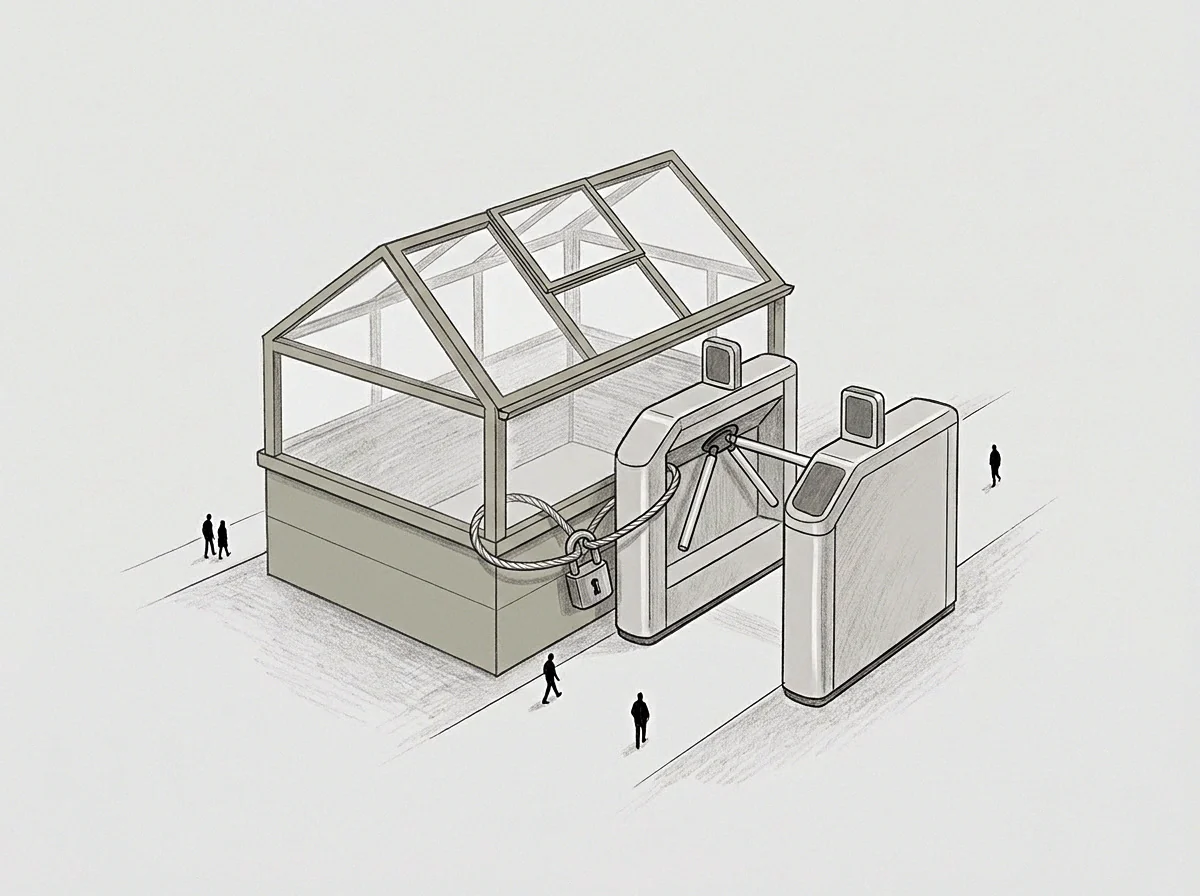
Floor

Emergency Setpoints and Structural Debt Boundaries
Establishing a strict financial setpoint marks the boundary where administrative cash adjustments yield to balance sheet restructuring. When liquid reserves drop to the operational baseline, emergency protocols halt non-essential capital expenditures automatically. This floor prevents management from consuming core operating reserves in a prolonged defense of non-viable business units.
Liquidity reflects underlying systemic design.
Capital allocation determines survival limits. When internal cash friction depletes liquid buffers below the floor, the organization reaches a structural threshold. Pushing beyond this boundary requires selling productive assets at distressed valuations or taking on high-cost emergency equity dilution.
Setting clear operational trigger points removes emotional hesitations during capital crises, enforcing immediate cost containment or asset-backed restructuring before equity value disappears entirely.
What operational friction thresholds remain unmeasured inside inter-subsidiary clearing agreements during global bank market freezes.