
Resolving Structural Latent Vector Divergence Between Autonomous Divisional Units And Consolidated Balance Sheets
Reconciling divisional vectors and consolidated balance sheets requires converting ordinal operational capacity into cardinal cash flow milestones.
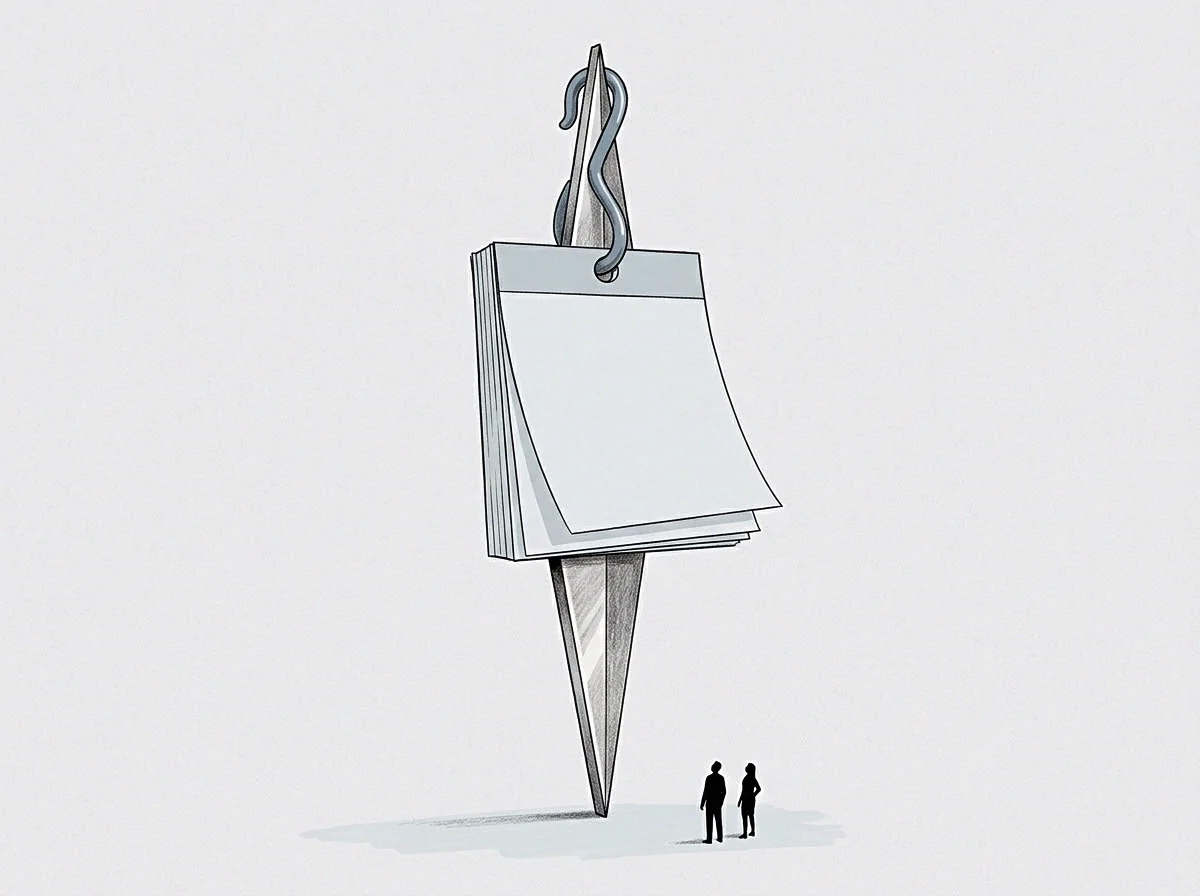
Wedge
Corporate accounting departments process historical cash flows, whereas business units direct their energy toward future pipeline development and product capability. A business unit operator calculates value along an operational trajectory, measuring client acquisition momentum and code deployment frequency. Central finance logs depreciated hardware, paid invoices, and payroll obligations within strict double-entry schedules, even as operating divisions move faster than cash arrives.

Autonomous Velocity Against Group Reporting
Decentralized operating teams optimize for localized throughput. When an autonomous unit builds proprietary infrastructure, internal engineers record the work as an asset of high capability. Central financial controllers, adhering to regulatory standards, record the identical expenditure as an immediate operating drain.
This split creates an unmapped gap between divisional performance estimates and group liquidity realities.
A rapid rise in divisional operational velocity masks a drain on corporate working capital whenever unit milestones precede cash realization.
The gap widens during periods of rapid product iteration. Operating leaders treat engineering hours as durable competitive advantages, while central treasury officers view those same hours as payroll liabilities that reduce available cash. The resulting friction delays quarterly resource allocation discussions and distorts valuation models across every operational layer.
If leadership ignores this divergence between divisional momentum and group cash reserves, the enterprise commits capital to expanding units that systematically drain parent solvency.
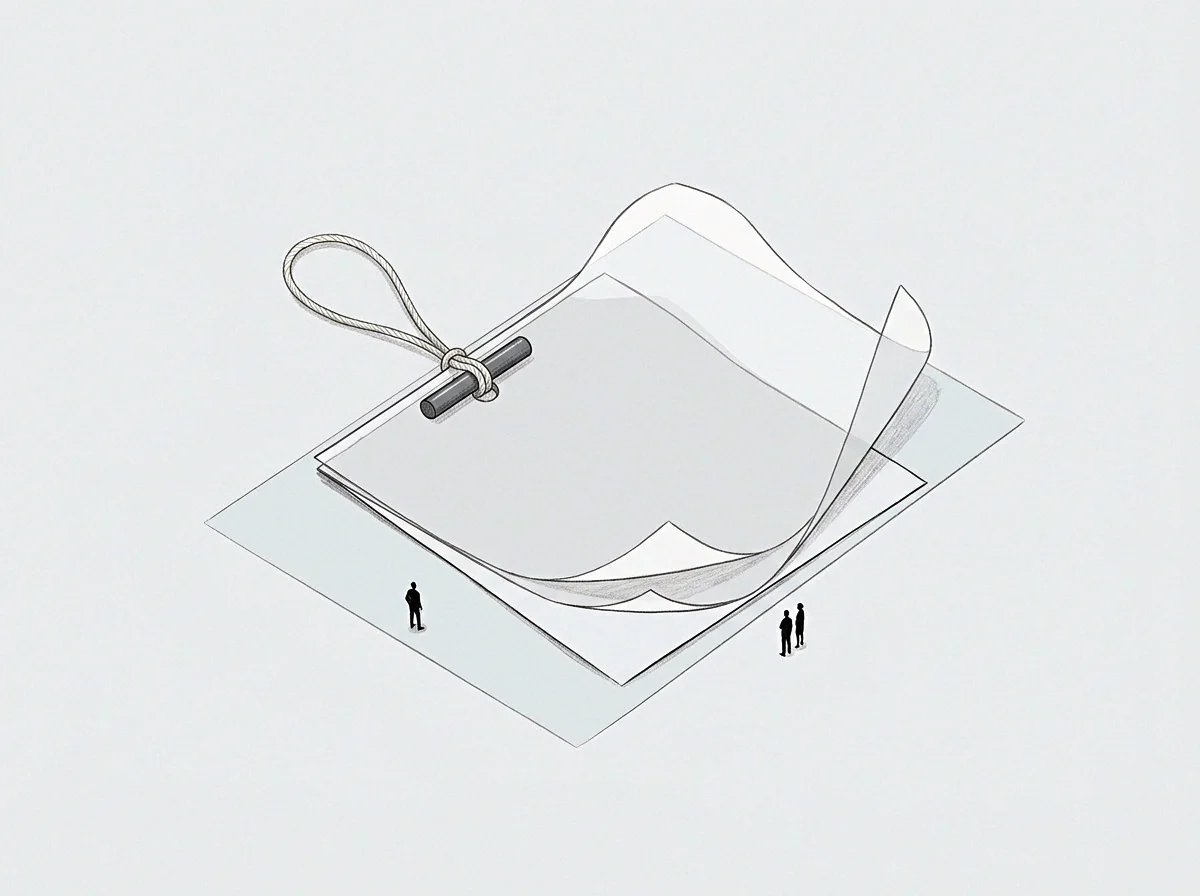
Lattice
Reconciling distributed unit outputs with aggregate statements demands a clear mapping of measurement scales. Divisional units track ordinal improvements like latency reductions, customer satisfaction rankings, and pipeline volume. Consolidated reports accept only cardinal metrics: settled dollars, tangible assets, and explicit contract liabilities.

Projection Discrepancies In Capital Allocation
Every operational unit builds an internal projection model to justify head count and server capacity. These models operate on expected value calculations that compound over three-year horizons. The group finance office operates on quarterly settlement cycles where unbilled services cannot offset short-term debt service obligations.
| Dimension | Autonomous Divisional Unit Vector | Consolidated Balance Sheet Position |
|---|---|---|
| Measurement Scale | Ordinal operational milestones and team capacity | Cardinal currency amounts and settled transactions |
| Time Horizon | Multi-period forward product velocity | Quarterly historical realization |
| Asset Classification | Proprietary workflow tools and internal domain skill | Auditable capital expenditures and recognized goodwill |
| Expense Treatment | Investment in future market presence | Immediate reduction in current net operating income |
| Risk Projection | Probability of customer conversion delay | Explicit liability and working capital impairment |
The ledger records historical events. When divisional units rely entirely on internal velocity indices, central executives lose visibility into real operating drag. Realigning these layers requires distinct accounting transformations across operational boundaries:
- Cardinalization of Capacity converts ordinal milestones into verified billable events before corporate reporting cycles close.
- Intracompany Transfer Auditing establishes explicit pricing agreements for shared engineering components to expose real subsidiary operating margins.
- Deferred Asset Impairment resets projected internal asset values when external customer payments miss quarterly target windows.
Intracompany capacity gains remain theoretical until settled against third-party receivables.
Operational momentum without financial conversion creates phantom solvency across operating units.

Tension
Friction emerges when autonomous business segments demand discretionary capital based on projected capabilities while group treasury enforces budget ceilings based strictly on trailing free cash flow.

What Stalls Internal Transfer Pricing Reconciliation?
Shared infrastructure teams charge internal operating units for computing power, storage, and platform maintenance. Operating units dispute these charges because internal rates often exceed external market pricing for commodity services. When central managers mandate internal software consumption, the buying unit records an artificial margin penalty while the platform unit posts an artificial operational surplus.
A contract term specifying floating transfer prices based on external market rates prevents internal margin inflation.
Capital flows toward settled revenue. Central finance teams frequently misinterpret operational enthusiasm as corporate profitability, allocating expansion funds to divisions that produce zero cash returns. The division head contends that current product delivery performance demonstrates undeniable structural value that corporate accounting rules simply fail to capture.

Variance
Operating units often conceal unspent volume and deferred technical maintenance to protect annual budget allocations. When an engineering division avoids addressing architectural debt, it reports high feature velocity to executive leadership while unmeasured work accumulates and the group absorbs the spread.
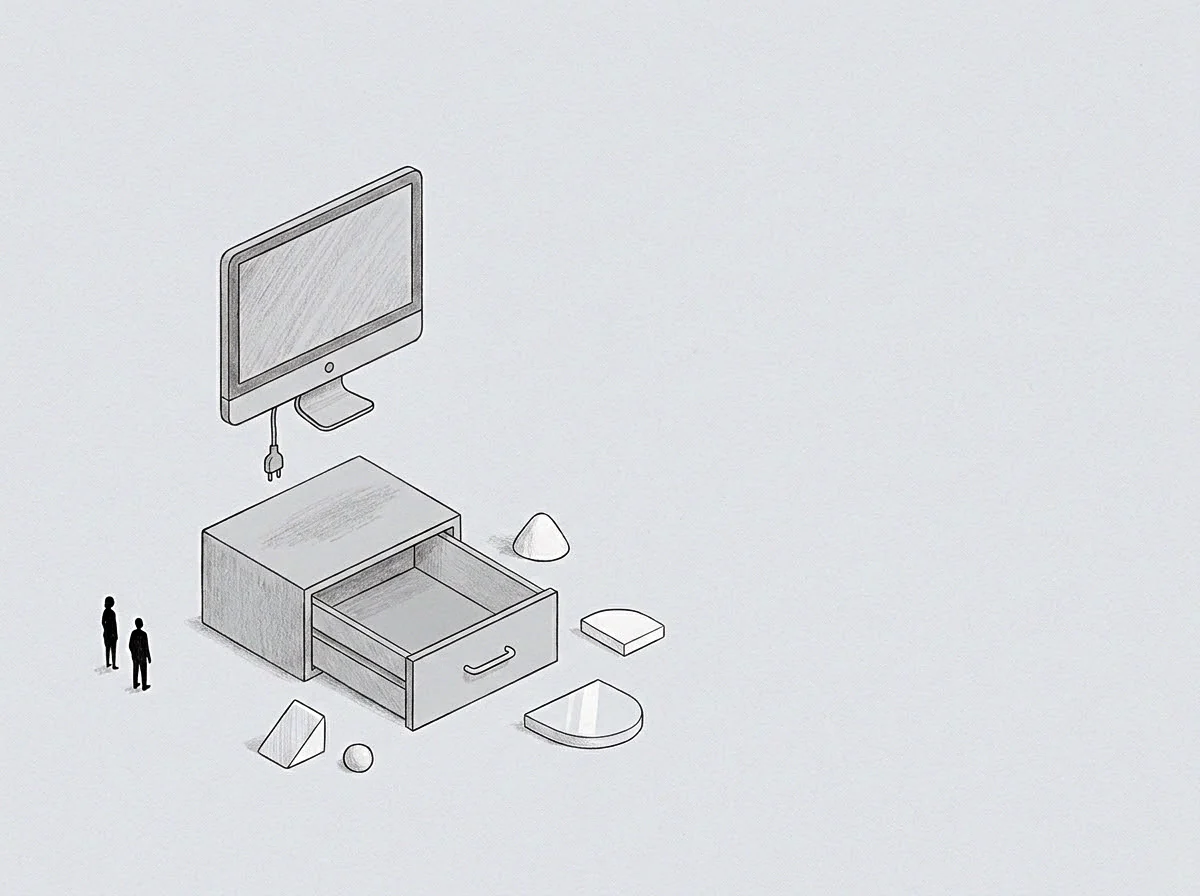
Hidden Capacity And Deferred Maintenance
Local teams route work around complex corporate approval processes to preserve execution speed. This avoidance strategy produces localized efficiency while generating undocumented legal, tax, and infrastructure exposure for the parent corporation as projections decay and baselines reset annually.
Unprocessed technical and operational debt inevitably transfers upward to corporate liabilities as unbudgeted maintenance costs.
When a division signs a service agreement that guarantees custom platform delivery without notifying corporate legal officers, the parent entity assumes unbounded warranty liabilities that never appear on divisional reviews. Stating a mandatory review threshold for custom warranty clauses strips autonomous units of the ability to commit corporate balance sheets to unhedged performance liabilities.
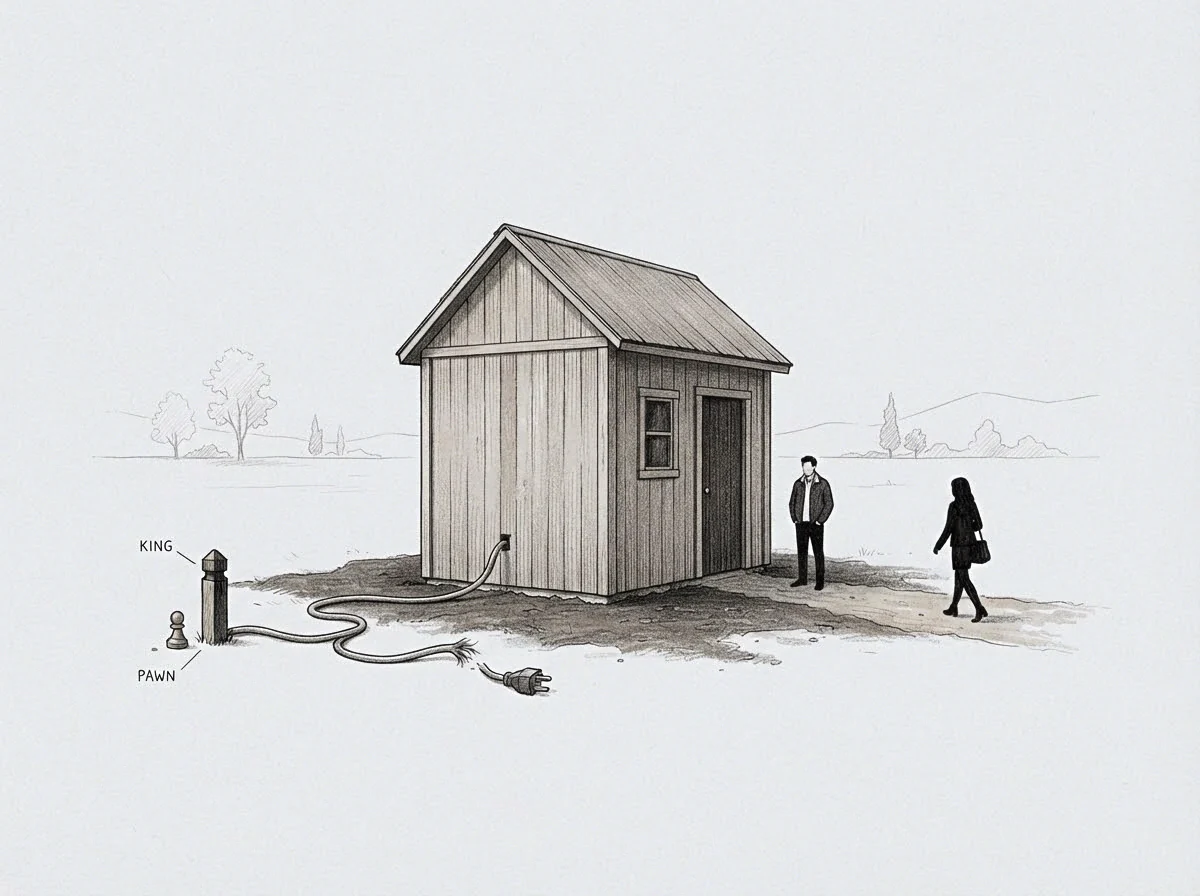
Beam
Structural alignment across business units occurs when corporate finance translates divisional capacity models into rigorous cash flow constraints. Holding division leaders accountable solely to localized key performance indicators encourages the generation of unconvertible operational surplus. The enterprise must bridge operational vector trajectories with audited liquidity limits.

Realigning Ordinal Gains With Cardinal Settlement
Executive committees evaluate divisional requests through a combined lens of operational throughput and tangible capital recovery rates. When an autonomous unit demonstrates high product output, the finance committee attaches capital release stages to external client payment milestones. Unspent inventory incurs holding fees.
By enforcing this discipline, enterprise leadership eliminates the structural gap between localized operational models and group financial statements. The organization maintains decentralized execution while protecting central treasury stability across unpredictable market shifts. Whether rapidly expanding divisions can sustain high innovation velocity when subjected to strict cardinal balance sheet reconciliations remains an ongoing question for multi-unit corporate architectures.