
Separating Output Coordinates From Structural Strain In Complex Systems
Cardinal output coordinates track positional displacement while internal structural strain measures the cumulative material deformation absorbed to sustain that rate.
Reading
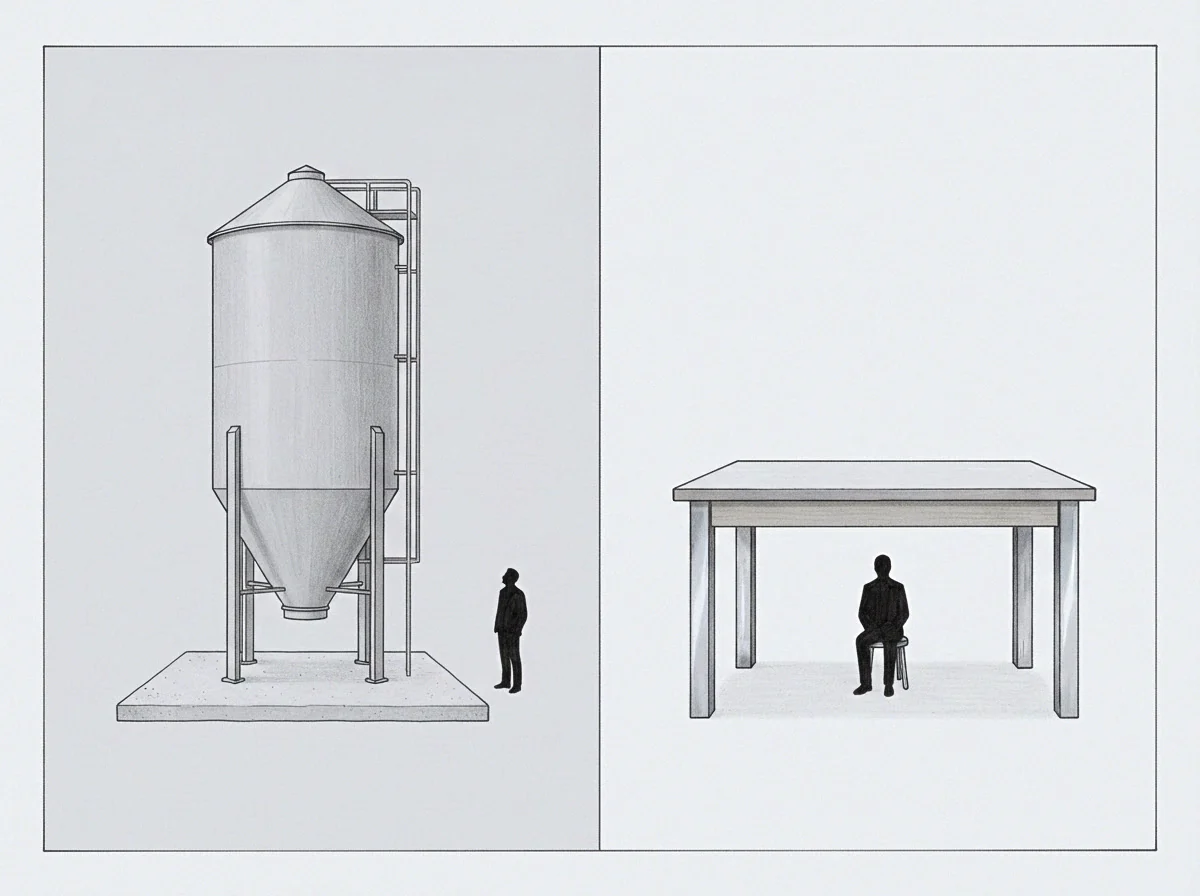
Production rates remain flat while the underlying machinery warps. An operator records eighty units completed before midday, enters the tally into the register, and leaves the floor while drive shaft bearings run hot. The ledger registers progress along its chosen axis while the metal absorbs the heat.
A system tracks its outward position through cardinal counts, units delivered, tickets resolved, and cycles completed, even as internal tension builds along coordinates the primary register has no instruments to measure.
Every operational model constructs a projection, selecting two or three observable dimensions and treating movement along them as progress. Velocity simply measures translation across a surface—displacement from point alpha to point beta over elapsed time. That figure says nothing about the energy consumed to force movement across an unlubricated plane.
Cardinal output coordinates register position. Internal structural strain registers the deformation absorbed to reach it.
A tracking index records positional displacement while internal material absorbs the torque needed to maintain the rate.
Conflating position with structural integrity creates an invisible deficit. When an organization accelerates throughput to meet a quarter-end settlement, top-line coordinates show steady advance. Beneath that surface, maintenance schedules slip, reserves drain, and key personnel absorb operational friction through personal exhaustion.
Output holds for three reporting cycles before the structure shears across a plane that outward figures logged as stable.
Observed Velocity Against Internal Load
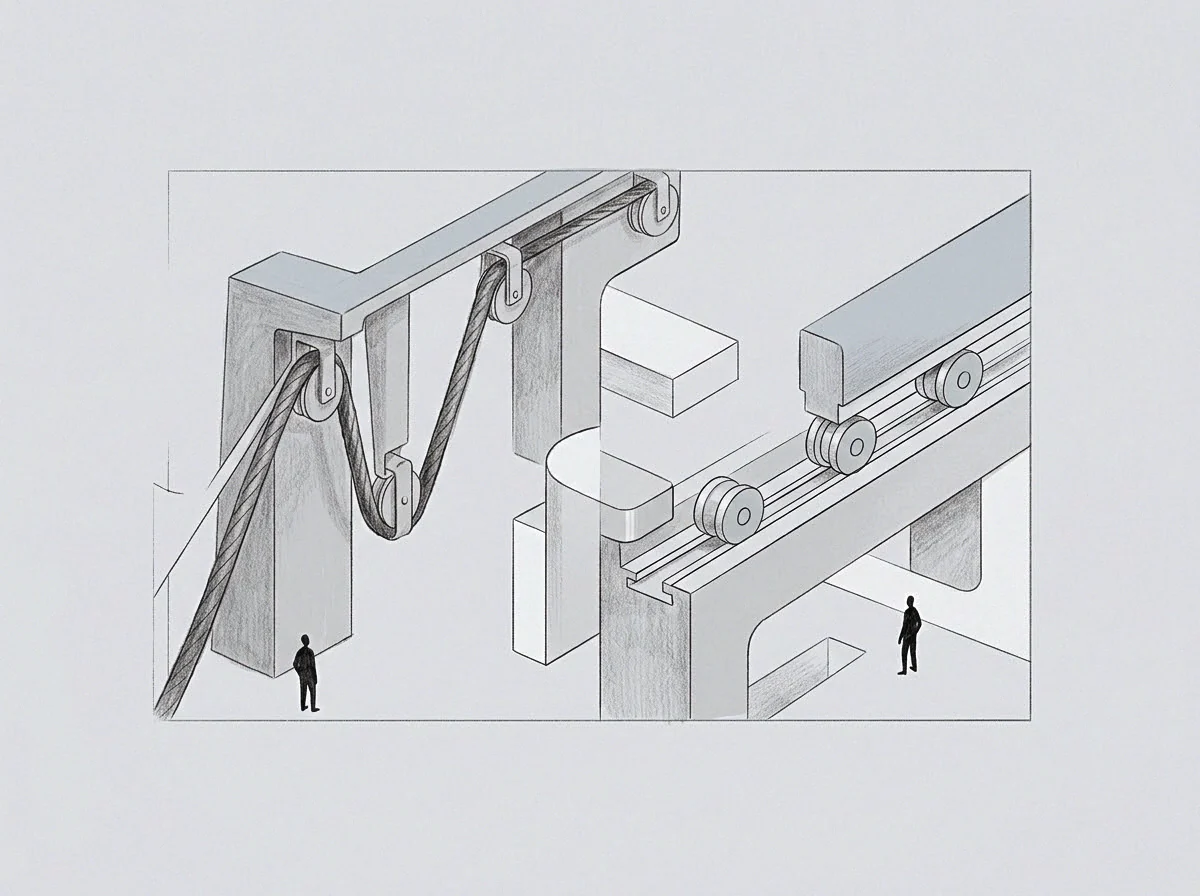
A coordinate represents a point in a reference frame; strain is a tensor quantity describing internal displacement between particles. Measuring only coordinate velocity assumes the operating body is infinitely rigid. Real organizations have elasticity, fatigue limits, and yield points.
Forcing an elastic body up a steep ascent generates internal shear stresses proportional to substrate resistance.
The distinction governs mechanical failure analysis. In high-pressure piping, fluid flow rate measures throughput at the terminal nozzle, while wall thickness measurements track casing erosion beneath turbulent boundary layers. An engineer relying exclusively on the discharge gauge sees nominal operation until a rupture depressurizes the line.
The discharge gauge tracks output position; ultrasonic thickness sensors measure structural integrity.
Tracking position alone leads to sudden operational failure where smooth performance was projected.

Wall
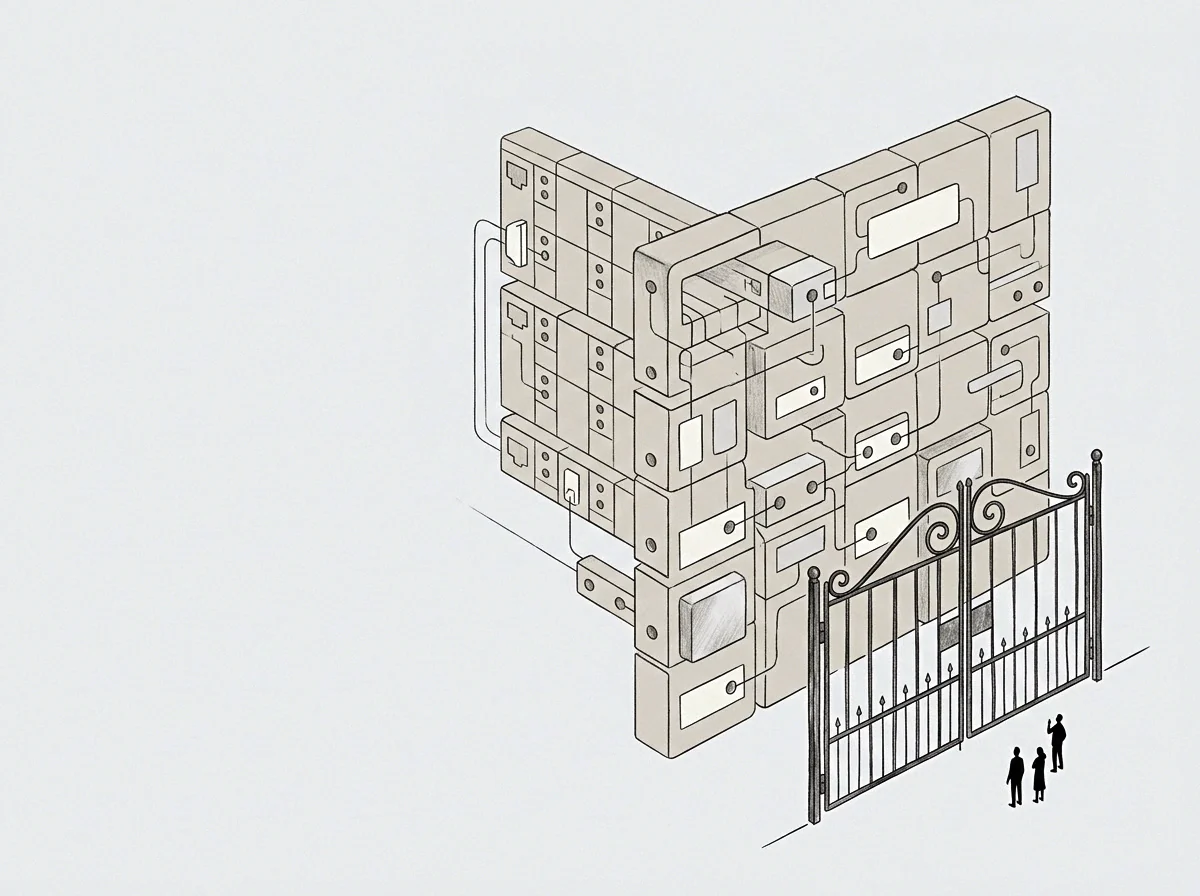
A boundary marks what an operating pattern refuses to process. When a system encounters friction along its main vector, it redirects energy into an unmonitored channel. That boundary forms the wall of the current operational envelope.
The organization treats it as fixed terrain, routing work around the obstacle while continuing to report steady progress on formal metrics. Meanwhile, unprocessed volume accumulates behind the turn.

Can Output Numbers Mask Internal Deformation?
The gap between outward motion and internal strain widens when incentives tie strictly to cardinal targets. In a software delivery team maintaining a fixed release schedule, the outward metric tracks deployment frequency. The internal strain accumulates as technical debt, undocumented exceptions, and dependency drift.
| Domain | Observed Coordinate | Structural Strain Signal | Deformation Mode |
|---|---|---|---|
| Software Delivery | Deployment frequency per sprint | Uncaught defect density in legacy modules | Brittle architecture and architectural lock-in |
| Client Services | Contracted deliverables submitted | Unbilled partner hours absorbed off the record | Talent attrition and sudden capability loss |
| Manufacturing Operations | Finished units cleared per shift | Unscheduled line adjustments and thermal drift | Tooling micro-fractures and sudden catastrophic tear |
| Capital Allocation | Nominal portfolio valuation growth | Liquidity lockup and covenant compression | Forced asset sales under discount conditions |
In each domain, top-level indicators move in the expected direction while the underlying structure deforms to maintain the pace. Allostatic load builds inside informal operational layers. Operators bypass standard verification steps to hit delivery targets and expend social capital to resolve conflicts without recording the operational cost.
A metric index rises while the material beneath it yields under unmeasured compression.
The system settles into an apparent optimum that depends on continuous, unrecorded subsidies. When those subsidies reach their human or physical limit, the primary metric drops sharply without early signals on the dashboard.
Whether an operational layer can detect its own internal deformation before an external failure forces the measurement remains an open debate in systems research.
Shunt
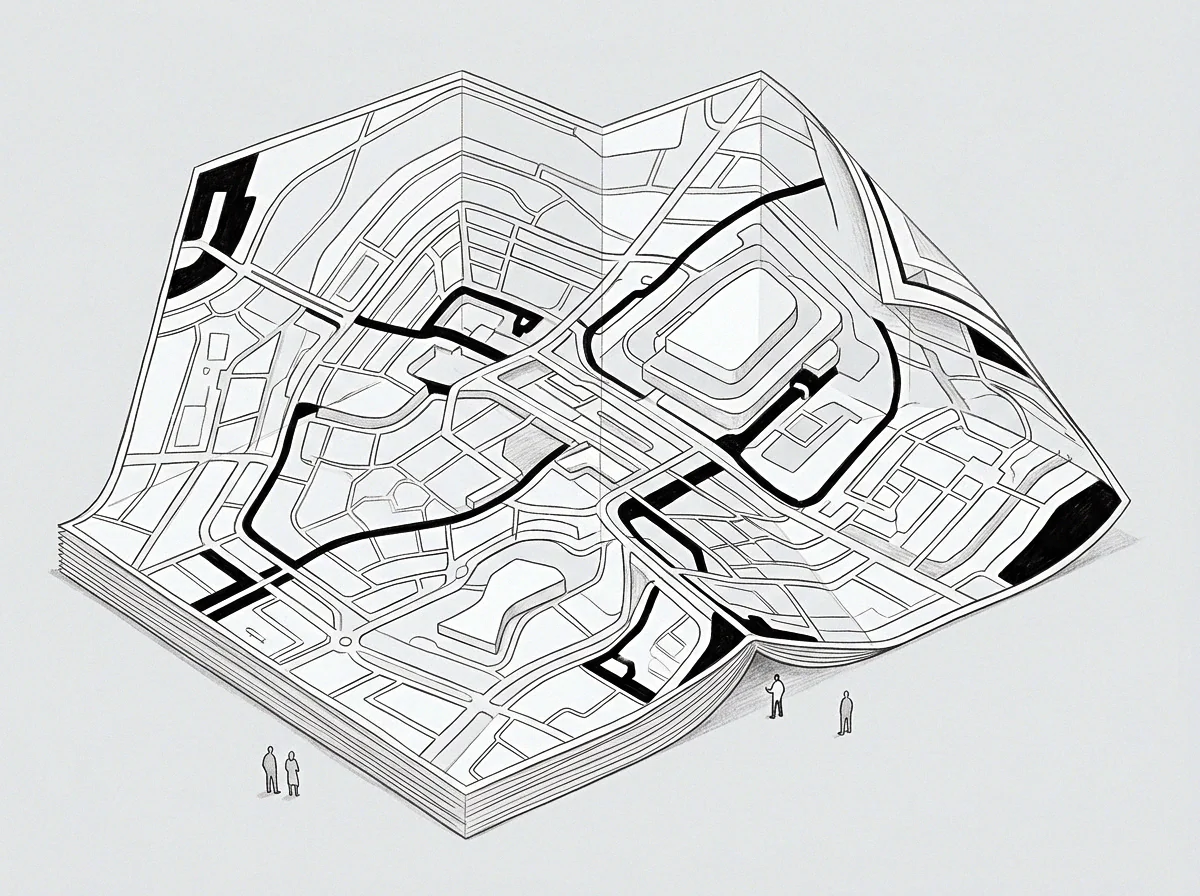
Bypassing friction creates an alternate circuit. Energy flows along the path of least resistance, keeping outward throughput steady while leaving the obstruction untouched. In fluid mechanics, installing a bypass valve protects a clogged filter and maintains flow, but debris continues to gather until back-pressure fractures the casing.
The Geometry of Avoidance
Avoidance serves as a precise coordinate marker. When an engineering team avoids refactoring a legacy code base, that decision marks the exact location of unaddressed complexity. Building wrapper libraries, translation scripts, and manual check sequences maintains output figures while increasing the overall resistance of the system.
- Positional deflection occurs when an operator alters the definition of done to bypass an unresolvable testing bottleneck.
- Informal subsidization happens when experienced staff perform undocumented remediation outside recorded operating hours.
- Buffer depletion occurs as safety margins, maintenance intervals, and redundant capacity are consumed to protect delivery velocity.
The latent potential of a system directly mirrors what it actively circumvents. Spending three hundred engineering hours per quarter routing around a broken data ingestion pipeline measures the exact scale of the underlying defect. The avoidance vector points straight to the uncomputed cost.
The magnitude of an avoided operational bottleneck equals the cumulative volume of work expended to route around it.
Tracking the diversion reveals what primary indicators hide. When an audit measures the resources consumed by the bypass shunt rather than final output, the true cost of maintaining the position becomes clear.
A service level agreement that ties compensation strictly to terminal delivery volume without accounting for reserve consumption accelerates structural decay across every operational node.
Cost
Price is a cardinal figure on an invoice; cost is an ordinal vector of depleted capacity, lost optionality, and structural wear. A business hits an output target of one million dollars in gross revenue, making the financial return explicit. The actual cost includes forty percent partner turnover, two severed vendor relationships, and compromised internal documentation standards.
Computing the Descent Gradient
A system following the path of least resistance follows the steepest local slope of immediate convenience. Optimizing strictly for next-step ease guarantees convergence into a local minimum, and escaping it demands energy the operating model refuses to allocate. The organization settles into a degraded equilibrium, spending substantial internal energy simply to keep outward coordinates steady.
Consider two operating partners who built a business over four years without executing a formal equity partition. Monthly cash flows remain consistent and primary coordinates show commercial viability. Beneath that surface, the unresolved ownership split exerts steady structural strain.
Every strategic investment gets routed around the unstated boundary, with partners spending weeks deliberating minor expenditures because each allocation forces an implicit valuation of unformalized equity.
Output velocity looks adequate while friction consumes half their weekly cognitive capacity. Potential growth remains locked behind the avoided conversation, forcing the company to operate strictly within what can be decided without bringing the unstated term into the open.
When unmeasured structural strain finally exceeds the organization’s shear threshold, outward coordinates collapse to zero regardless of how high they stood the day before.
Measure structural strain from within before relying on terminal coordinates.