
Tracking Capital Flow Lags Across Internal Allocation Channels During Tightening Cycles
Internal capital allocation lags during tightening cycles stem from treasury rate-smoothing conventions that shield business units from market borrowing costs.

Vault
Liquidity sits inside corporate subsidiaries long after central banks adjust benchmark rates upward. Headquarters announces a revised cost of capital, yet operational units continue drawing on pre-existing credit commitments and trade allowances. Corporate treasury acts as an internal clearinghouse, absorbing initial rate shocks rather than transferring them immediately to operating divisions.
The transmission of monetary tightness into division budgets stalls inside this buffer.
Internal capital markets function through administered transfer rates rather than immediate spot prices. When funding costs rise externally, corporate treasuries face balance sheet friction. Local banking lines in secondary jurisdictions operate under fixed conventions.
Capital allocation committees meet on quarterly or annual cycles, so budgetary allocations preserve obsolete discount rates for months. Divisional managers hoard working capital against perceived supply disruptions, compounding the delay.
A rising policy rate changes subsidiary spending only when internal hurdle calculations reflect treasury refinancing expenses.
Consider an industrial parent company funding three autonomous business units through a centralized cash pool. External debt rolls over at an elevated spread of two hundred basis points. Treasury maintains the internal borrowing rate at historical levels for two fiscal quarters to shield operational forecasting.
The manufacturing division continues ordering inventory against an outdated return benchmark, drawing thirty million dollars from the communal credit facility. Meanwhile, software development postpones headcount expansion because its project life cycles face direct operational audits. Capital keeps moving toward the division with established inventory commitments rather than the unit with superior margin resilience.
This misallocation exposes the parent entity to severe liquidity mismatch. Local lenders quietly reduce short-term trade finance availability, forcing central treasury to liquidate commercial paper holdings at steep discounts. What appeared to be a deliberate stabilization policy turns into an involuntary depletion of unallocated reserves.

Transmission Delays Across Internal Credit Facilities
Internal credit channels resist monetary policy through structural delays. Corporate treasuries frequently set transfer rates via moving averages of past debt issues. A rolling five-year debt portfolio dilutes the effect of a fifty-basis-point increase in base rates to a negligible blip in current borrowing charges.
- Blended pool rates dilute incremental funding price signals by averaging historical coupon rates across long maturities.
- Committed division allocations prevent corporate controllers from revoking previously sanctioned project lines without contract penalties.
- Local depository autonomy enables regional heads to draw down overseas balances before parent oversight intervenes.
Central management notices the resulting cash drain when debt covenants tighten. Signed vendor commitments keep cash flowing to approved orders. Corporate treasuries then enforce sudden liquidity caps, creating operational friction that gradual transfer rate updates could have avoided entirely.
The delay leaves open the question whether decentralized subsidiaries ever voluntarily return surplus cash during tightening cycles without explicit operational penalties.

Impedance
Structural resistance within an enterprise determines how fast funding changes propagate from group treasury to departmental purchase orders. Each intermediate management layer creates inertia. A corporate decision to ration capital must travel through region controllers, product line managers, and site procurement leads.
Every tier exercises discretionary postponement on incoming expenditure freezes.
Transfer pricing policies introduce severe latency. When corporate treasuries employ cost-plus formulas tied to historical debt issues, divisions operate on phantom margins. Projects cleared eighteen months prior continue burning resources even as project financing costs double in the debt market.
Business unit heads exploit internal accounting lags to accelerate cash drawdowns before corporate controllers revise hurdle rates.

Do Hurdle Rates Adjust Asymmetrically?
Divisional hurdle thresholds rarely track market borrowing rates symmetrically across monetary phases. Upward adjustments to division cost of capital lag central bank moves by up to three quarters. Conversely, downward adjustments during expansionary phases occur almost immediately as business unit heads lobby for lower hurdle rates to approve marginal initiatives.
Data across multi-divisional industrial firms demonstrates that corporate finance departments review hurdle formulas on rigid annual cadences. A tightening cycle initiated in February registers in corporate guidelines by November. Project approval committees operating between those dates clear capital expenditures using obsolete discount assumptions.
The resulting inventory and equipment orders remain locked on company balance sheets for years.
Hurdle rates adjust upward slowly because pipeline initiatives are classified as sunk commitments.
Empirical analysis of diversified corporations identifies three distinct forms of lag between macro rate hikes and internal allocation changes. The physical separation between treasury operations and operational field offices generates administrative drag. Division reporting protocols mask cash burn through aggressive receivables recognition.
Internal transfer mechanisms lack market liquidity to force rapid price discovery.
| Channel Type | Adjustment Horizon | Primary Friction Source | Distortion Outcome |
|---|---|---|---|
| Centralized Cash Pool | One to two quarters | Treasury rate-smoothing conventions | Excessive inventory accumulation in low-margin units |
| Divisional Revolver | Two to four quarters | Pre-committed multi-year borrowing rights | Defensive cash hoarding by regional managers |
| Intracompany Trade Credit | Three to six quarters | Inter-unit receivable settlement terms | Hidden working capital expansion across subsidiaries |
| Direct Equity Allocation | Four to eight quarters | Annual board budgeting calendars | Overinvestment in long-cycle development programs |
Divisional heads protect operational autonomy by hiding slack inside working capital lines. A local unit extends vendor payment terms while drawing down parent trade credits, preserving cash balances off group treasury radar. This practice creates invisible liquidity buffers that frustrate group-level austerity programs.
The consequence of unaddressed impedance is sudden balance sheet distress when external credit markets finally restrict group-level refinancing lines.
Filter
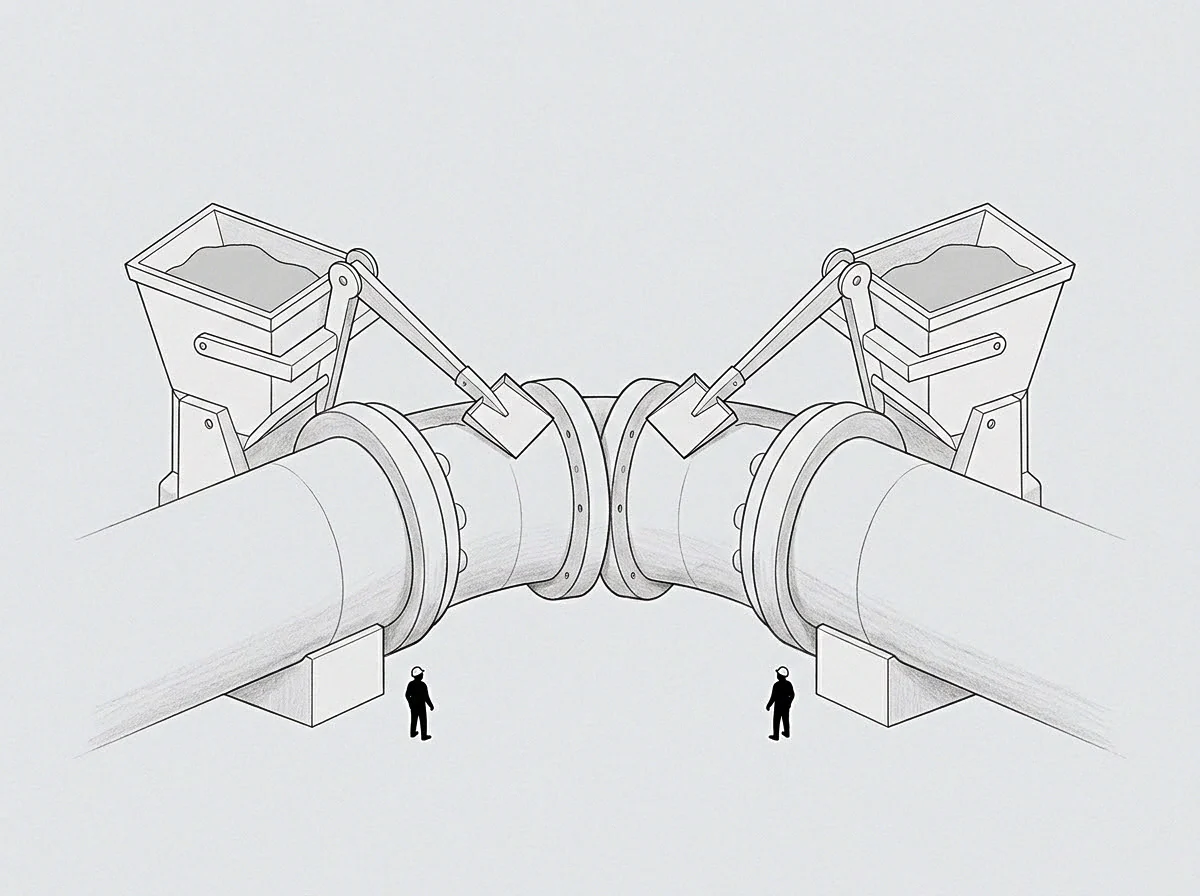
Screening mechanisms fail when capital rationing criteria rely on backward-looking accounting yields. Project valuation models built on static weighted average cost of capital assumptions fail to reflect rising marginal borrowing expenses. While financial markets price immediate refinancing risk, divisional allocation committees accept projected returns calculated against defunct interest rate environments.
The gap between marginal capital costs and internal evaluation metrics widens as tightening accelerates. A division evaluating a plant expansion assumes a corporate debt load priced at four percent. The actual marginal replacement cost of unsecured parent debt has reached eight percent.
The filter admits capital-destructive projects because it measures viability against historical balance sheet aggregates rather than replacement cash pricing.
Capital committees attempt to correct this imbalance by imposing crude volumetric constraints. Rather than pricing capital correctly, executive teams mandate across-the-board twenty percent spending cuts. Volumetric caps punish high-return growth initiatives while leaving inefficient existing divisions with sufficient cash to sustain stagnant operations.
A flat volumetric spending cut preserves inefficient legacy outlays while starving high-margin capital projects.
Selective monitoring creates asymmetric operational behavior. Capital-intensive manufacturing divisions manage visibility by breaking single large capital projects into several smaller purchase orders beneath corporate expenditure audit thresholds. A four-million-dollar tooling acquisition becomes five consecutive eight-hundred-thousand-dollar maintenance allocations.
The allocation filter registers operational upkeep rather than speculative capacity expansion.
Treasury teams that identify this circumvention find themselves trapped in manual reconciliation cycles. Internal audit resources become consumed verifying invoice descriptions rather than measuring capital efficiency across corporate sectors. Operational expenditure classifications expand while declared capital expenditures contract, giving executive directors a false signal of fiscal conservatism.
The standard corporate allocation clause specifying discretionary maintenance outlays allows division leaders to circumvent capital controls until parent cash reserves show severe contraction.

Rift
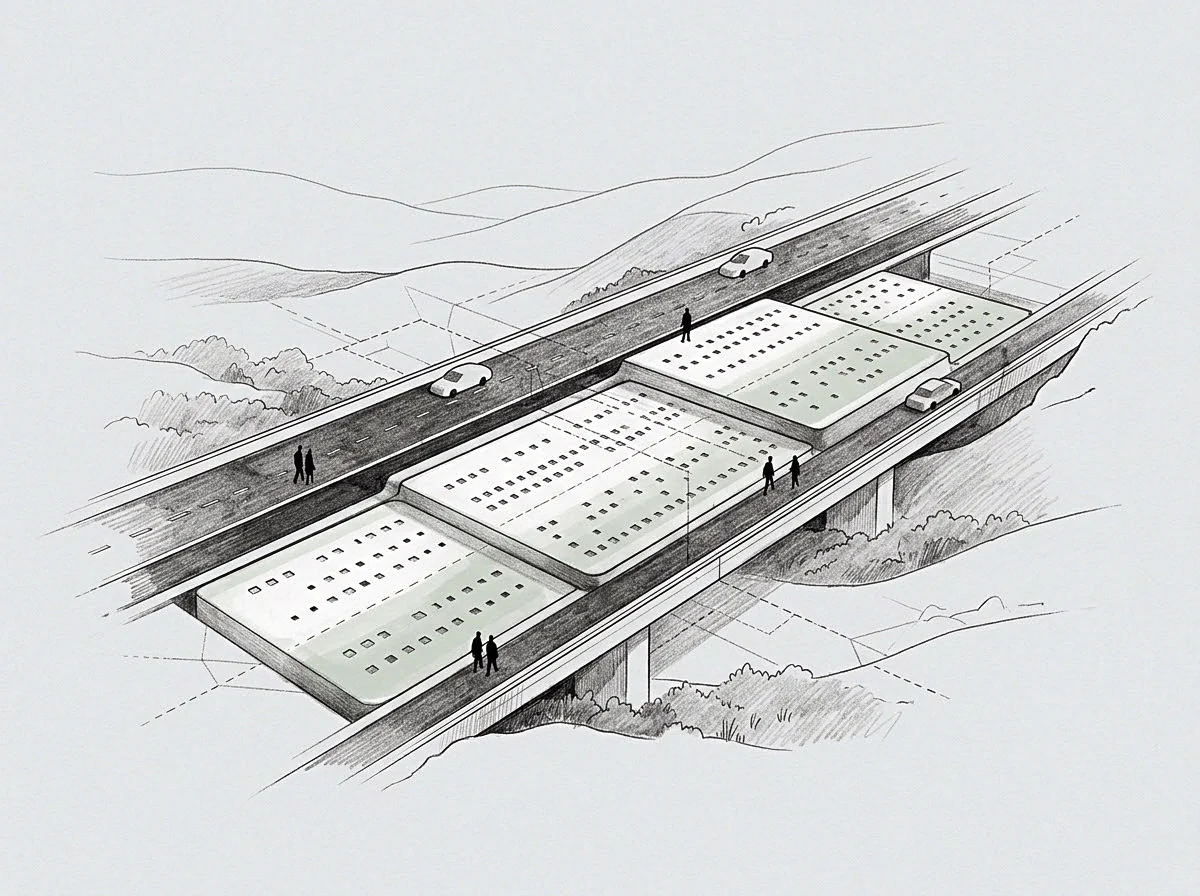
Division leaders and corporate treasury pursue opposing objectives once credit markets contract. Treasury seeks to centralize surplus liquidity to pay down floating-rate debt and protect corporate credit ratings. Divisional managers seek to ringfence operating capital to insulate their business segments from supply interruptions and top-down restructuring mandates.
This operational divide distorts intracompany payments. Foreign subsidiaries delay dividend repatriations by citing local statutory restrictions or pending supplier liabilities. Subsidiary controllers hold cash balances in regional commercial banks rather than sweeping funds into the central treasury master account.
Group liquidity appears constrained on consolidated balances even while aggregate subsidiary cash holdings remain elevated.
Defensive Buffering and Working Capital Distortion
Operating units manage their cash profiles defensively during periods of corporate rationing. Field managers aggressively draw on available supplier credit lines while simultaneously accelerating collections from fellow group subsidiaries.
- Receivable aging inflation occurs when operating divisions grant extended credit terms to favored commercial partners to lock in sales volumes.
- Intra-firm invoice stretching allows a downstream unit to delay payment to an upstream component division, preserving local liquidity at sister group expense.
- Preemptive inventory accumulation converts liquid corporate capital into illiquid physical raw materials that central management cannot easily repossess or liquidate.
Corporate headquarters interprets rising inventory levels as signs of strong commercial demand rather than defensive balance sheet hoarding. The misinterpretation delays corrective intervention. By the time treasury audits physical warehouses, surplus working capital sits trapped in semi-finished goods that cannot be liquidated at par value.
Strategic friction between headquarters and business units deepens when executive management issues centralized sweeping orders. Contractual constraints frequently block the transfer of local bank balances. Trust between the center and operating business lines breaks down completely.
Centralized management often operates detached from immediate local operational risks.

Correction
Balance sheet stress eventually forces a violent realignment of internal capital channels. When commercial paper markets close or bank syndicates demand covenant resets, corporate treasury can no longer maintain transfer pricing subsidies. The gradual adjustment that operational channels resisted for quarters happens within days through emergency restructuring.
Management reclaims allocation control through blunt interventions. Treasury cancels all unused internal credit lines. Group controllers freeze external hiring across all divisions, halt uncommitted project work, and implement daily cash sweeping protocols that drain subsidiary bank accounts down to statutory operating minimums.
The decentralized autonomy granted during low-interest regimes terminates abruptly.
The sudden withdrawal of liquidity produces operational shocks across business units. Divisions that accumulated excessive raw materials face severe inventory writedowns. Projects halted midstream generate immediate contract cancellation fees, destroying capital that an earlier, disciplined adjustment to transfer hurdle rates would have conserved.
Discipline requires dynamic internal transfer pricing models linked directly to marginal corporate borrowing costs. If headquarters debt trades at an eight percent yield, internal revolving lines adjust automatically to that level without committee deliberation. Administrative smoothing conventions protect divisional comfort at the expense of enterprise survival.
Track allocation channels by monitoring the velocity of internal cash transfers and the deviation between project discount rates and marginal capital replacement costs. Divisions that fight for volume caps over price adjustments signal operational vulnerability. Tracking these internal flow lags converts capital allocation from a reactive political negotiation into an exact operational science.