
Unprocessed Spatial Impedance Measured As Latent Potential Gradient Across System Boundaries Without Explicit Conversion
Unprocessed spatial impedance along system boundaries stores unspent operational energy as a latent potential gradient mapped directly by workflow avoidance.
Line
A software team spent nine months routing records through an auxiliary database rather than altering the schema of the core ledger. The project ran at a persistent operational loss while monthly manual synchronization tickets increased fourfold. Two senior engineers met each morning to reconcile mismatched state tables by hand, logging thirty hours weekly across four internal spreadsheets.
The head of engineering had declined to open contract negotiations with the database vendor holding the proprietary data format. That refusal never made it onto the roadmap; it appeared only as an unassigned ticket filed under operational maintenance.
This routing expense accumulates every day the core schema remains untouched.
Offset Routing Across The Division
Work routines bend whenever an interface imposes high transaction overhead. In an organization where product design and production run on disconnected calendars, specifications drift into informal chat channels and verbal side agreements. The founder watches velocity metrics hold steady while actual delivery dates slip by three weeks every quarter.
Nobody requests a redesign of the shared interface, because bringing the two department heads into the same room triggers friction over headcount and resource allocation. Instead, the company builds an operational bypass, hiring an extra coordinator whose sole job is reformatting handoffs to satisfy both sides.
A coordinator hired to translate between two stationary groups functions as human insulation around an unaddressed interface.
That detour absorbs labor that could otherwise go toward establishing direct data protocols. When three analysts spend their afternoons re-entering figures between incompatible software instances, payroll registers the expense as ordinary operational execution. The layout produces an artificial detour that looks like genuine throughput, while the underlying friction between the teams stays intact, covered up by the steady drain of attention required to work around it.
Routing around an unaddressed interface simply keeps the underlying separation between teams intact.
Accumulation Along The Structural Edge
Unaddressed friction does not dissipate just because work diverts onto an easier path. Energy diverted from a blocked channel collects along the boundary between groups. As workarounds multiply, that seam thickens with undocumented dependencies.
On an org chart, the division can look orderly and clean. Behind the boxes, however, sit dozens of unrecorded batch scripts, informal pacts, and parallel spreadsheets maintained solely to keep the two teams from having to negotiate shared formats.
Each temporary workaround widens the operational gap. Systems that avoid explicit reconciliation build up structural shear stress along their internal seams. The engineers and managers involved know that touching the original interface will invalidate months of negotiated compromises, so they push the detour even further into peripheral routines.
Gradient
Slope measures how quickly value drops as an operational path veers away from direct execution. When an operator moves work through an organization, the path chosen usually follows the steepest drop in immediate friction. An engineer or manager chooses an informal email thread over a formal ticketing dispute because the ticketing dispute demands documentation, administrative stamina, and the risk of an unwelcome policy review.
Taking the easier route lowers immediate effort while lengthening the total distance the work must travel.
Day-to-day workflow naturally follows the path of least immediate resistance across the organization.

Least Resistance And Vector Slopes
Every operational diversion establishes a measurable vector. One axis tracks delivered output against expended labor, running from zero to full transactional completion. By comparing the direct path through an interface against the detour people actually take, an observer calculates the operational gradient directly, without relying on management surveys.
The gap between direct handoff and actual routing shows exactly how much energy the interface consumes.
The degree of workflow deflection indicates the exact scale of structural friction at the boundary.
Organizations slide into friction valleys on their own. When an administrative bottleneck goes unaddressed, staff rarely lodge formal objections; they simply drift into unofficial channels. That operational drift acts like runoff cutting gullies into soil, carving deep grooves into the company that soon harden into routine.
The resulting layout consistently produces four distinct failure states:
- Channelized workarounds harden into fixed departmental procedures that demand dedicated administrative staffing to maintain.
- Secondary protocol drift occurs when two collaborating units invent proprietary terminologies to circumvent official review committees.
- Localized efficiency islands produce high output rates internally while stranding their collective output at an inactive handover threshold.
- Compensatory buffer expansion absorbs chronic transfer delays by inflating standard project timelines without addressing interface resistance.

Directional Readouts In Workflow Deflection
Workflow deflection serves as a reliable diagnostic indicator. The scale of the detour an operating unit takes corresponds directly to the obstacle in front of it. When a sales team abandons the corporate inventory ledger for a private spreadsheet, that choice reflects the latency of the core software.
A founder often treats the spreadsheet as insubordination, missing the fact that the angle of deflection matches the delay in the system.
Inverting that deflected gradient reveals recovered capacity. If an engineering group spends forty hours weekly building mock environments simply to avoid integrating against an unstable core system, those forty hours represent trapped operational capacity. The volume of wasted effort matches the size of the workaround.
Unlocking that capacity requires removing the underlying obstacle rather than faulting the team for finding a way around it.
Whenever staff take a prolonged route around an internal checkpoint, the length of the detour measures the severity of the obstruction.

Impedance
Structural friction acts much like electrical impedance: it resists throughput across organizational boundaries without turning that expended energy into useful work. When two departments must collaborate, differences in terminology, software tooling, and governance generate baseline impedance. If the organization builds an explicit conversion layer—defining a shared interface or standardizing contract formats—that resistance falls, and handoffs proceed cleanly.
Without that deliberate translation, work either stalls or routes around the boundary.
Suppressing the underlying dispute merely preserves the steep operational gradient that diverts the work.

Friction Without Formal Translation
Unresolved friction stores latent stress along the perimeter between teams. When an engineering group hands incomplete builds over to quality assurance without clear acceptance criteria, friction between the units builds up quickly. Instead of rejecting the builds, the quality assurance team scripts automated filters to patch predictable errors before testing begins.
That workaround consumes eight hundred engineering hours across a single release cycle, yet the expense never appears as an interface problem. The operational log records only standard testing hours.
An unconverted perimeter consumes continuous attention while returning zero structural capability.
An unresolved boundary accumulates unspent operational capacity along the seam between groups.
Price is a cardinal figure, but true cost acts as a directional vector. The accounting system records the monthly salaries of the testing staff as a fixed line item. The cost vector, however, tracks the cascading delay in releases, lost engineering momentum, and the attrition of senior developers unwilling to maintain manual patches.
Standard financial reports register the payroll and miss the structural drag entirely.
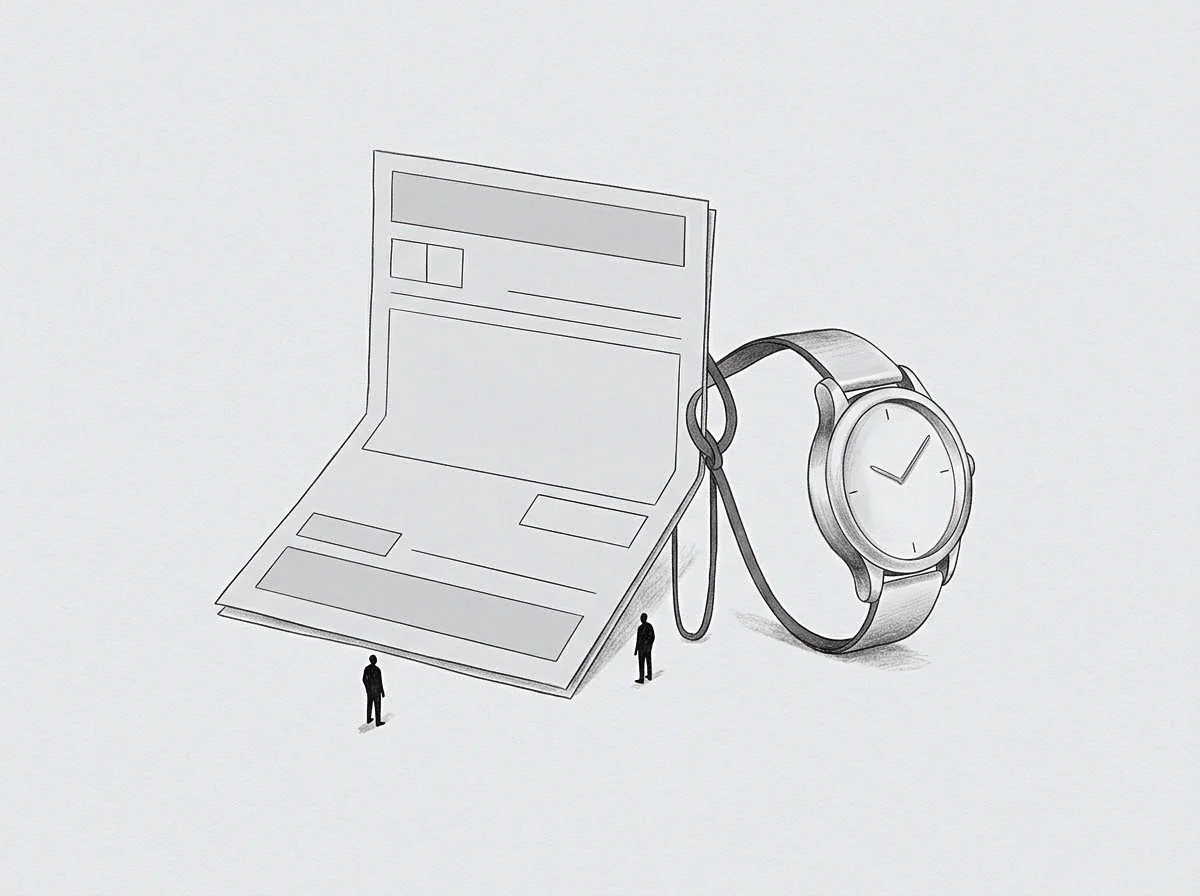
Perimeter Infiltration And Structural Drag
Unresolved structural impedance also degrades communication channels. When information cannot pass cleanly between groups, it leaks into side conversations and backchannel alliances. These informal paths act like capacitive leakage along an unshielded line, bleeding organizational coherence into unmonitored spaces.
The organization as a whole slows down, even while individual teams report high internal output.
| System Parameter | Explicit Conversion Model | Latent Impedance Model |
|---|---|---|
| Interface Governance | Standardized data schema with automated validation contracts | Informal bilateral concessions negotiated during production crises |
| Labor Allocation | Direct protocol maintenance handled by dedicated infrastructure engineers | Manual translation tasks distributed across operational staff |
| Structural Transparency | Documented error rates visible across both interacting divisions | Hidden operational detours concealed within departmental overhead |
| Energy Distribution | Friction converted into defined structural interfaces | Unspent capacity trapped as static gradient along perimeters |
The trade-offs outlined above show why informal workarounds fail over longer operating cycles. While building an explicit interface demands an upfront political and financial investment during setup, it eliminates chronic drag. Relying on latent impedance avoids the initial confrontation, only to disperse the real cost into ongoing friction that erodes total output over time.
When an organization refuses to invest the administrative effort required for clear boundary translation, the seam between teams extracts an ongoing toll in stranded labor and distorted priorities.

Ridge
A boundary marks the limit of what an organization can process using its existing operational model. When a company hits an interface it cannot readily parse, progress stops at an administrative barrier made up of every task leadership considers too difficult or resource-intensive to undertake. Internal reviews often label this avoidance as rational prioritization, but the wall simply marks the edge of current competence.
Pushing past it generates immediate cognitive and operational strain.
The administrative barrier defines the exact perimeter of an organization’s existing capability.

The Wall As Computational Edge
Operational discomfort signals active computation rather than simple routine retrieval. In an established firm, standard tasks generate no systemic stress; the organization pulls existing templates from memory and runs them. But when leadership must structure a cross-border revenue split or absorb an acquired division, those templates break down.
The leadership team experiences strain because resolving the issue requires rewriting core operating rules. The natural impulse is to retreat to familiar ground, leaving the underlying boundary untouched.
Daily work naturally bends around whichever organizational boundary leadership declines to negotiate.
Every operational failure records a boundary coordinate. When a client cancels a multi-year service contract because sales and engineering worked from conflicting specifications, that cancellation is not bad luck; it measures exactly where internal translation broke down. If leadership dismisses the cancellation as an isolated fluke, that data point is lost.
A disciplined operator marks the failure as a fixed boundary coordinate, mapping the precise edge of what the firm can currently execute.
A team operating exclusively within its comfort perimeter executes retrieval while computational capacity atrophies.
Each administrative refusal marks a specific coordinate where internal translation ceases to function.

Discomfort At The Operating Perimeter
Mapping the structural boundary requires tracking where administrative hesitation recurs. A founder often delays replacing a division lead who fails to deliver, or puts off an equity restructuring, because the conversation carries sharp personal friction. That delay produces an operational bottleneck where capital and decision-making stall around an unproductive post.
The surrounding team builds scaffolding to route daily work around the leader, formalizing the founder’s deferral into standard practice.
Acute organizational discomfort indicates that the team is actively calculating a new process rather than running an existing one.
Expanding the operational perimeter follows an ordered sequence:
- The operator isolates the specific transaction that repeatedly triggers administrative evasion across the organizational interface.
- The team measures the exact labor hours diverted into manual workarounds over a standard ninety-day operational window.
- The executive states the non-negotiable transfer terms directly to the counterparty without relying on informal backchannels.
- The interface parameters are permanently encoded into formal contractual protocols to prevent future operational drift.
Until the boundary is reconstructed, that diverted operational capacity remains trapped in maintenance work.
Once governance clauses define clear transfer protocols, the latent gradient collapses and work flows directly into production.
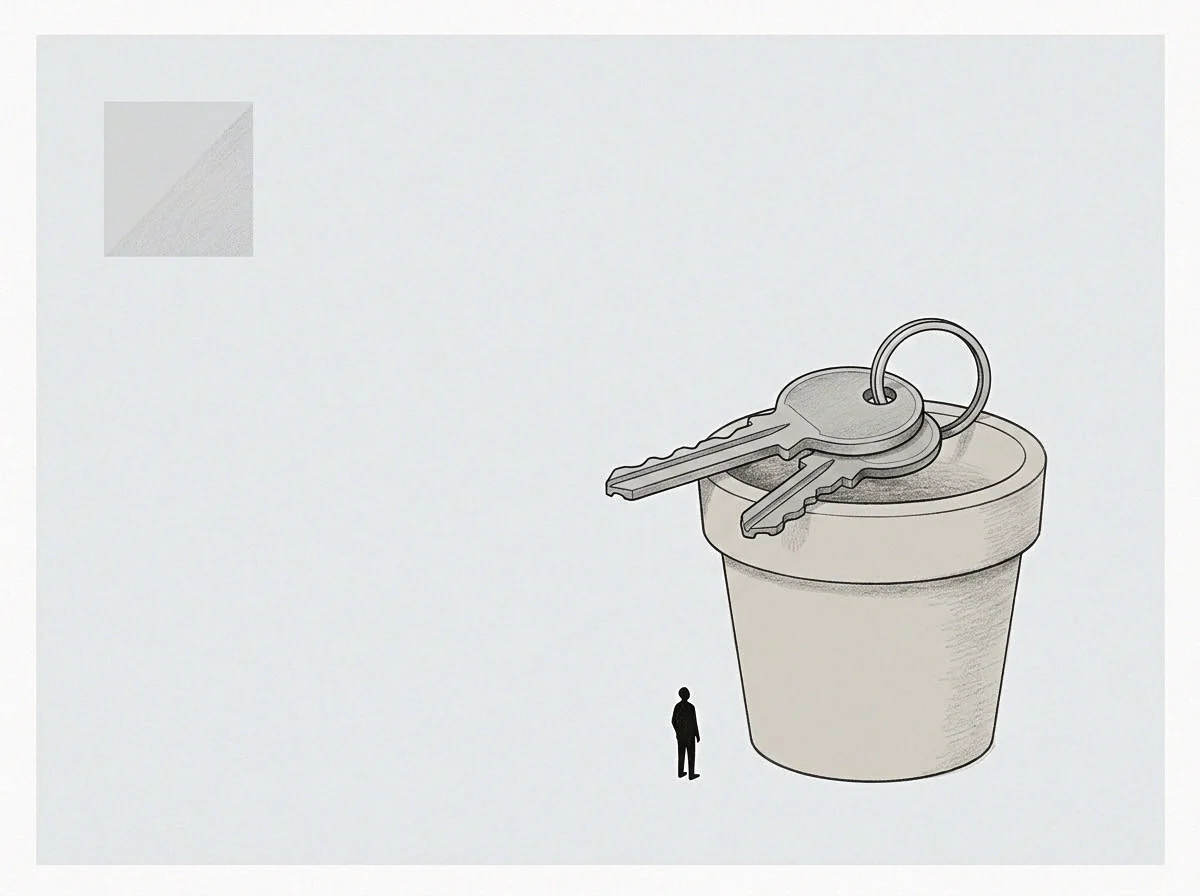
Discharge
Releasing stored operational potential requires retracing the path of avoidance in reverse. If an organization has spent three years routing decisions around a department head who does not collaborate across boundaries, demanding higher output will not fix the underlying drag. The company has to return to the exact interface it abandoned and resolve the conflict.
Mirroring the original detour step by step shows how to dismantle the barrier and reclaim the stranded labor.
The organizational perimeter absorbs the mechanical strain of every unresolved interface.
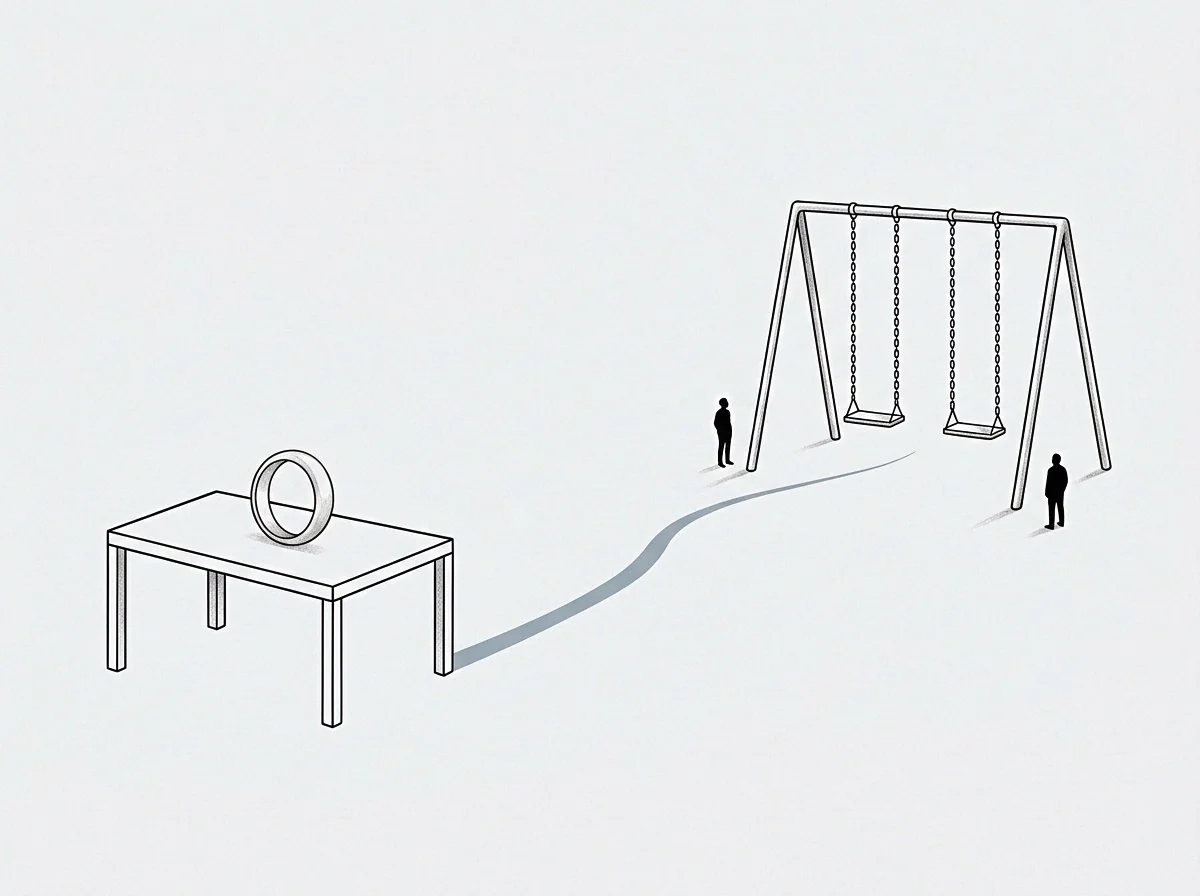
Mirroring The Avoidance Vector
Reclaiming lost capacity demands an equal investment of energy in the opposite direction. The effort once spent maintaining the workaround must be focused straight at the interface itself. When a company replaces an informal patch with a standardized handoff protocol, the teams involved feel an immediate rise in operational tension.
Friction that was previously dispersed across weeks of manual data cleanups now hits all at once.
Reversing the workaround requires an accounting of the exact labor volume spent maintaining it.
Diverted friction retains its full magnitude until the underlying interface is rebuilt.
A founder who understands these operational mechanics expects this concentrated friction. The discomfort simply shows that the organization has stopped stockpiling stress and is converting it into structural stability. The thirty hours weekly once lost to spreadsheet reconciliation are redirected into schema design and interface testing.
The total hours spent remain unchanged at first, but the effort now points toward system integration rather than circular avoidance.
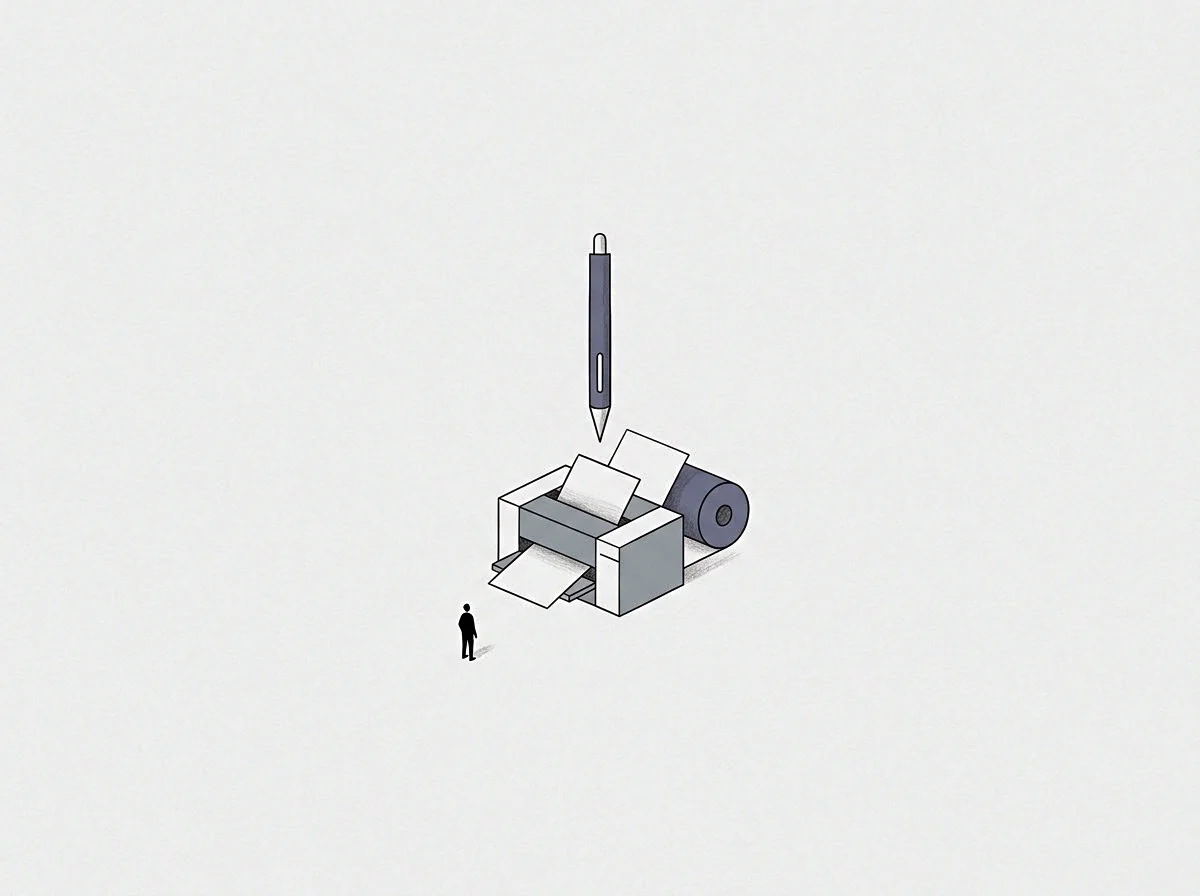
Unspent Volume Reclamation
Once the interface formalizes, the operational gradient levels out. Auxiliary databases, backchannels, and buffer roles become redundant. Clearing away these workarounds returns that stored labor to primary development, restoring pace without needing outside capital.
The firm has not added headcount; it has become internally coherent.
A flattened gradient signals that energy moves into direct execution rather than collecting along internal fault lines.
Formalizing protocols with explicit interface definitions eliminates the need for compensatory labor across the perimeter.
Whether an organization can systematically convert all latent spatial impedance without inducing structural fatigue remains uncertain when internal friction spans multiple corporate cultures with incompatible operational baselines.