Meaning
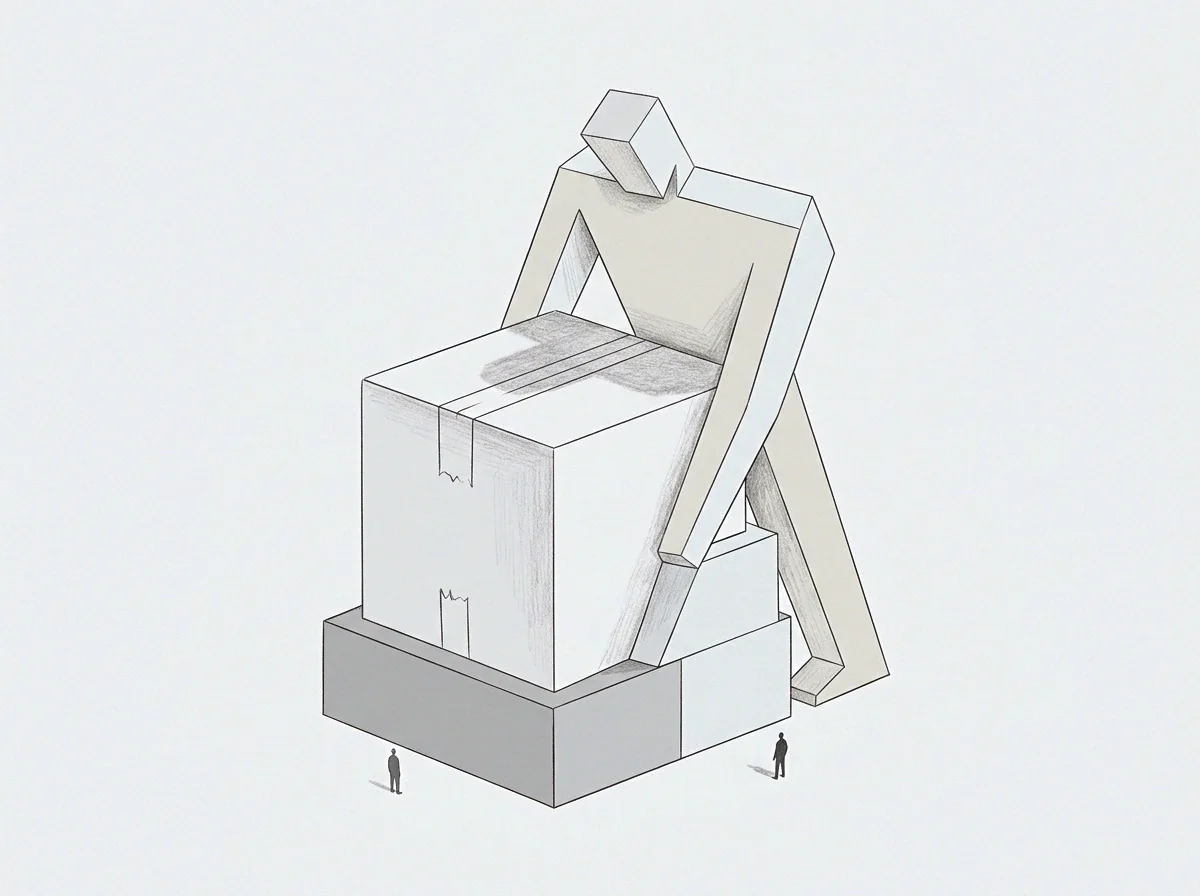
Recurring friction generated by procedural maintenance acts as an unpriced reduction on operational capacity. This administrative drain accumulates when reporting requirements, vendor governance, corporate filings, and routine compliance tasks pull attention away from direct capital deployment and technical build cycles. The quantity lives on an ordinal vector of lost attention hours rather than a direct cardinal cash line.
Measurement stops at the edge of statutory survival requirements, because mandatory filings cannot be removed without dissolving the entity itself.
Overhead Accretion
Procedural obligations expand monotonically unless deliberately pruned. Each new legal structure, banking relationship, and regional tax registration brings ongoing logging duties that persist long after the initiating transaction finishes. When an executive manages multiple inactive holding entities, the administrative drain registers as repeated context switches across banking portals and legal verifications.
Attention fragments under these demands. The cumulative drag lowers throughput across every technical project.
Capacity Diversion
Unchecked structural upkeep converts discretionary engineering time into maintenance processing. Founders often treat administrative drain as an unavoidable baseline condition rather than an escalating operational cost. This misattribution leaves support systems unautomated while internal attention capacity shrinks.
Contract renegotiations, state fee remittances, and routine board consents compound into several calendar days of indirect delay per quarter. That diversion remains unpriced until core milestones miss their delivery dates.
Pruning Threshold
Scheduled corporate hygiene sets the limit where compliance activity ceases to add protective value. When the internal hours assigned to maintaining an ancillary corporate vehicle outstrip the asset value inside that vehicle, liquidation or consolidation restores baseline focus. Pruning administrative drain requires formal entity simplification, account consolidation, and the systematic cancellation of dormant municipal permits.
Operational clarity returns only after these redundant procedural mechanisms are formally terminated.