
Converting Ordinal Worker Attention Drain Into Cardinal Enterprise Contract Terms
Enterprise software vendors convert internal ordinal attention drag into cardinal contract terms through capped support tiers and explicit overage schedules.

Desk
Developer attention in an enterprise environment splinters across several competing channels at once. A programmer interrupted three times in a single morning by urgent client tickets deals with a compound loss of focus that cannot be tallied as simple hours. An engineer recognizes that resolving an undocumented integration question causes far more friction than handling a scheduled request, yet a standard timesheet records both identically.
Internal capacity drains through an accumulation of ranked disruptions that resist flat arithmetic.
Procurement teams never negotiate over developer fatigue; an enterprise buyer expects discrete figures, explicit allocations, and firm limits before signing an agreement. Moving operational strain into a contract requires translating that relative friction into a schedule of fixed rates. When an enterprise vendor leaves that translation undone, the client gains unrestricted access to staff attention without covering the operational cost.
An unpriced operational distraction expands until contract parameters force an explicit financial trade.
A team that logs operational strain without turning those costs into contract boundaries ends up funding client customization directly out of its engineering capacity.

Signal
Operational drag shows up in delivery metrics well before an enterprise agreement approaches renewal. When an account introduces custom requests outside the original scope, engineers absorb constant context shifts. The roadmap slips, scheduled deployments fall behind, and impromptu patches crowd out structured development sprints.
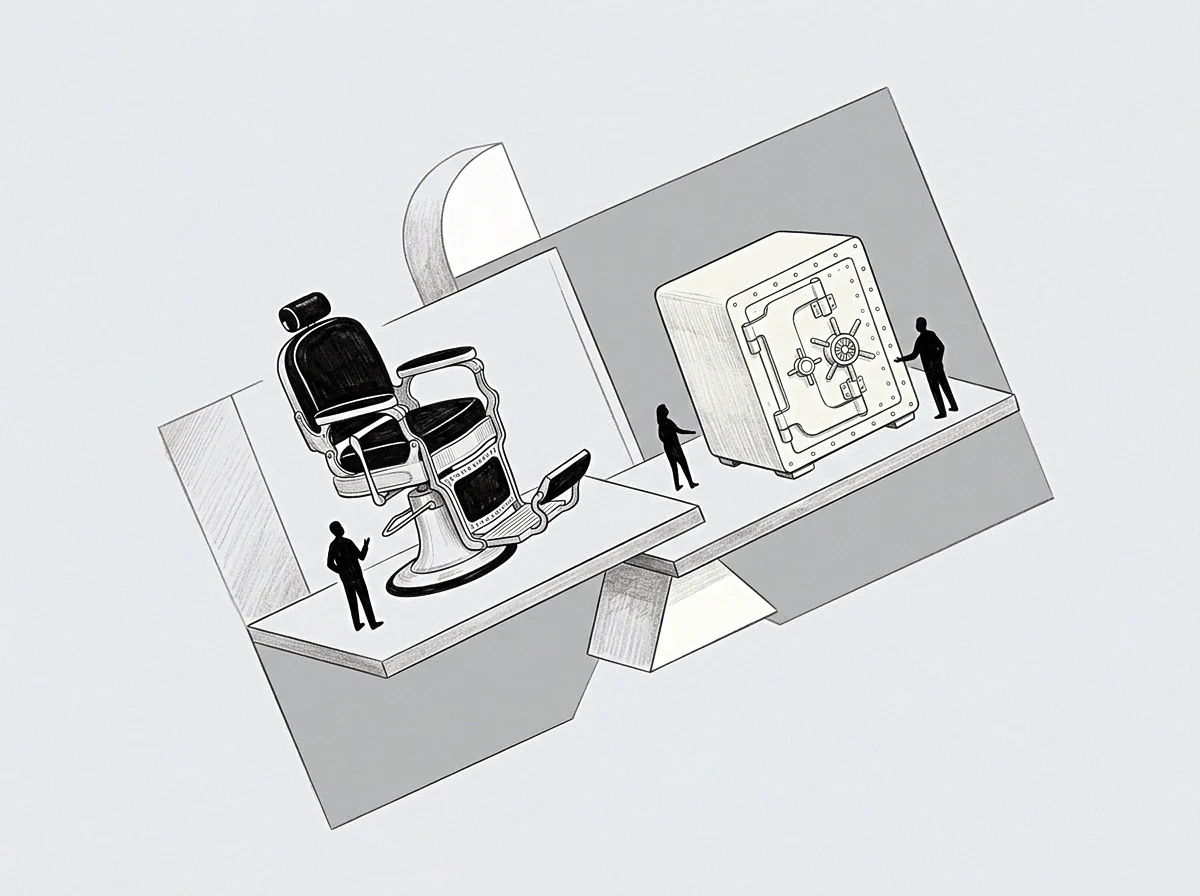
Identifying Unpriced Attention Leaks
Locating this drain starts with watching where senior engineers spend their unscheduled time. A software vendor often finds that fifty percent of senior engineering hours go into customer Slack channels, manual data exports, or troubleshooting third-party integration pipelines. That labor amounts to unbilled systems integration.
Lacking contract caps, enterprise accounts consume those hours as though the marginal cost were zero.

Comparing Operational Regimes
The difference between an unbounded support posture and a contractually structured posture determines whether worker attention drain remains an unpriced internal loss or converts into enterprise revenue.
| Operational Axis | Unbounded Support Model | Contractually Bounded Model |
|---|---|---|
| Context Switches | High frequency across engineering teams | Capped through tiered escalation channels |
| Capacity Loss | Absorbed internally without financial record | Billed through hourly overage schedules |
| Feature Drift | Driven by informal enterprise client requests | Governed by formal change order clauses |
The point where internal friction becomes severe enough to stall deal momentum depends entirely on available engineering capacity.

Audit
A software firm operating with twelve developers provides an explicit demonstration of attention drain conversion. Assume the company maintains two primary enterprise accounts, Contract Alpha and Contract Beta. Contract Alpha was signed under vague support provisions, guaranteeing generic technical assistance.
Contract Beta includes structured escalation paths and explicit limits on developer availability. Over a six-month window, developers logged six hundred hours of unscheduled communication under Contract Alpha, compared to forty hours under Contract Beta.
An internal operational audit traced the downstream financial cost of Contract Alpha. The review showed that ad-hoc feature requests from that single client delayed the baseline product roadmap by two full quarters, costing the firm sales opportunities across three prospective mid-market clients.

Is Attention Loss Measurable in Contract Terms?
Quantifying internal focus disruption into contractual figures follows a four-step conversion sequence.
- Logging time spent on informal enterprise support channels over four weeks.
- Ranking interruptions by severity on an ordinal scale from operational pause to core release delay.
- Mapping engineer focus hours against explicit contract revenue figures.
- Setting cardinal dollar thresholds for all future integration requests.
Engineering capacity diverted into unbilled client assistance reduces baseline product velocity faster than hiring compensates.
When support boundaries remain undefined, engineering teams effectively serve as unpaid systems integrators while core development stalls.

Term
Translating internal friction into enforceable language requires replacing open-ended commitments with strict operational scopes. In an enterprise master services agreement, counsel and technical leads must align service language directly with engineering capacity limits.
Structuring Cardinal Contract Provisions
Specific contract clauses convert abstract worker availability into cardinal financial charges.
- Dedicated Escalation Allocations restrict direct developer access to tier three support incidents, preserving core build blocks.
- Bespoke Integration Caps assign fixed developer hours to client onboarding, triggering hourly rates when exceeded.
- Severity Level Redefinitions establish strict criteria for emergency patches, preventing routine requests from triggering immediate focus shifts.
Provisions like these attach a price to interruptions that previously leaked away unbilled. If a customer demands an urgent architectural revision, the agreement dictates the applicable hourly rate and minimum billing blocks before work starts.
A contractually enforced change request clause converts arbitrary enterprise client demands into explicit capital allocations.
A capped integration clause converts unpredictable developer attention drain into predictable service fee revenues.

Tariff
Negotiations with enterprise procurement turn on clear pricing models rather than appeals about engineering workload strain. Enterprise buyers routinely accept higher baseline rates or firmer project boundaries when presented with tiered pricing tied to defined service levels.
The founder prices custom integration work upfront based on measured engineering hours. When a client insists on open-ended access to technical teams, the provider applies a premium support tariff reflecting the opportunity cost to the core product. Once an enterprise account faces a defined hourly fee for overages, client managers begin filtering internal inquiries before passing them along.
Procurement teams reject abstract worker strain but accept quantified service tiers mapped to explicit fees.
The enterprise buyer agrees to pay the higher tier once custom support guarantees are written directly into the schedule.