
Establishing Standardized Ordinal Measurement Protocols for Administrative Friction Across Enterprise Procurement Lifecycles
Ordinal measurement protocols rank procurement friction through discrete operational tiers, isolating passive queue latency from active processing labor.
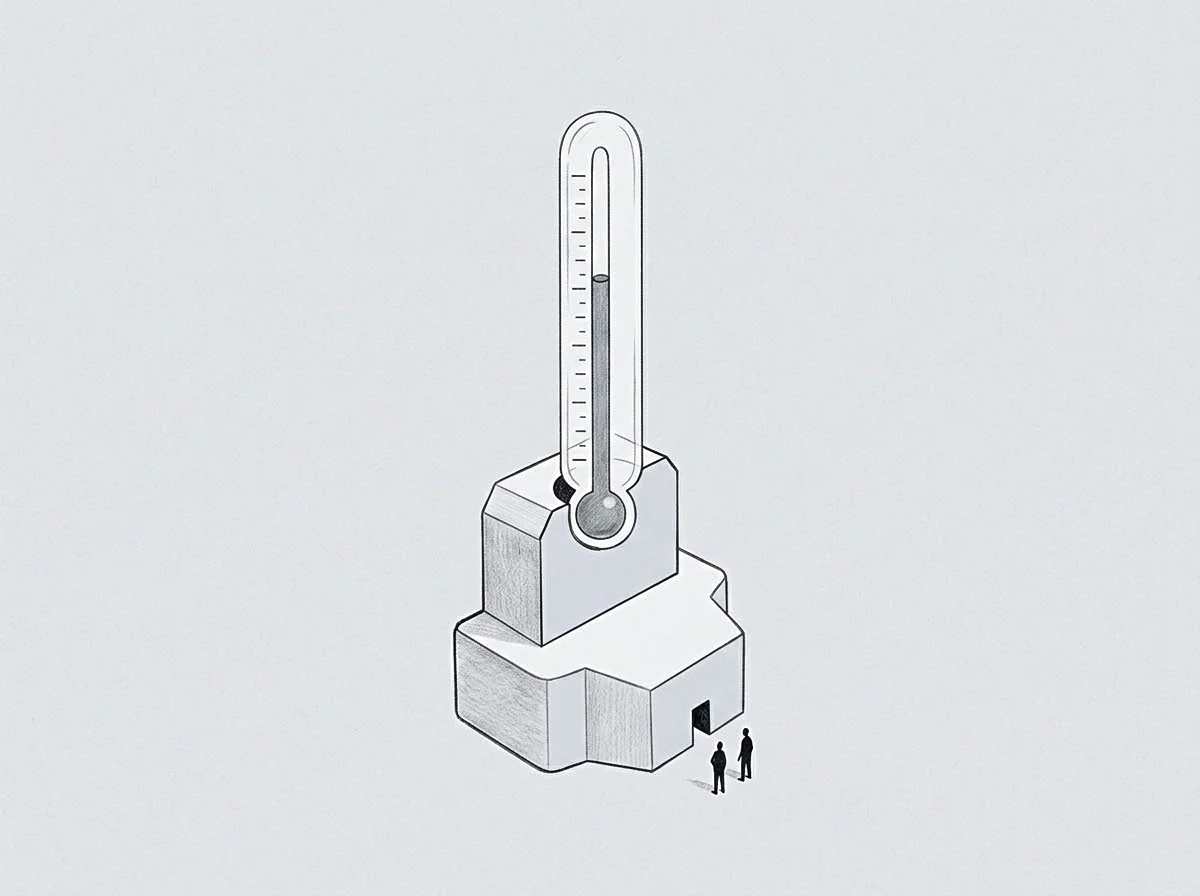
Scale
Enterprise procurement stalls when organizations try to measure administrative drag with cardinal numbers that simulate exact dollar losses. That friction runs on waiting periods, duplicated security questionnaires, conflicting redlines, and reviews left unassigned. Averaging twenty different transaction histories into a single labor-hour metric produces an abstraction with no predictive value.
The drag operates as an ordinal sequence of relative burdens, not an additive sum of currency. Stanley Smith Stevens showed that ordinal scales support monotonic ranking while ruling out addition, subtraction, and arithmetic averaging.
Adding rank-ordered delays arithmetically skews operational projections whenever review intensities differ.
Comparing two intake paths to see which introduces more delay sets a clear priority without having to invent arbitrary hourly rates. An indemnification dispute routinely demands more attention from leadership than verifying a tax document, even when both require five business days to clear. Even when the software fee stays fixed on the invoice, the attention spent, supplier goodwill lost, and operational execution deferred move on their own timeline.
Sorting these friction tiers into discrete ordinal ranks lets procurement teams locate structural bottlenecks without debating rough dollar conversions.
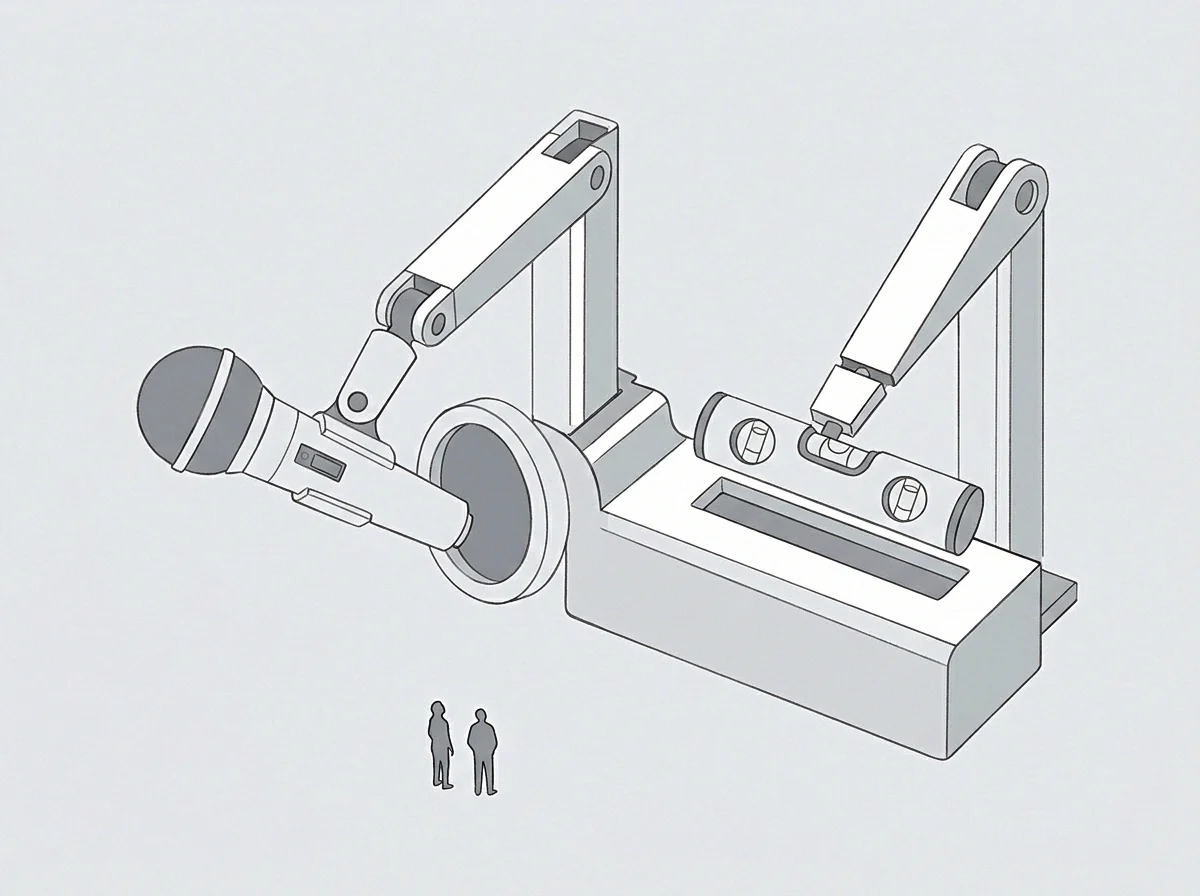
Measurement Levels in Organizational Intake
Vendor onboarding burdens fall into qualitative tiers that simple time logs miss. Basic tax compliance demands routine clerical attention, whereas an architectural security assessment consumes deep organizational capacity. Logging both as equal hours on a timesheet hides how much energy technical risk evaluations actually pull from an organization.
An ordinal ranking orders administrative events without claiming the space between ranks is uniform. A grade of four marks greater disruption than a grade of three, but the difference between three and four is not equivalent to the gap between one and two. Establishing this fixed order across procurement milestones lets teams spot where drag actually accumulates during intake.
The ordinal protocol acts as a filter: routine verification sits at the baseline, while unresolved governance exceptions occupy the ceiling.

Clock
Procurement cycles run long because of dormant intervals rather than hands-on work. A contract that takes sixty days from submission to signature often involves fewer than twelve hours of actual evaluation. The remaining fifty-nine days are spent in queues, waiting for biweekly committees, regional sign-offs, and sequential budget approvals.
Measuring friction by elapsed calendar days mistakes passive waiting for real labor.
Distinguishing active review from structural waiting shows where vendor drag really lives. An enterprise may take six weeks to run a privacy impact assessment, during which the vendor remains stalled, even though the internal security team only reviewed the dossier for forty minutes on a Tuesday morning.
A contract sitting idle in a queue erodes supplier delivery capacity while producing no administrative benefit.

Interval Distinctions in Enterprise Intake
Classifying delays requires separating the physical states of intake documentation as it traverses corporate checkpoints.
- Active Review State covers direct contract examination, risk assessment, or commercial negotiations by authorized staff.
- Dormant Queue State occurs while completed submissions sit in an inbox awaiting the next committee meeting.
- Interdepartmental Transit State arises during handoffs across functional groups, marked by missing acknowledgments and split ownership.
- Vendor Response Latency measures the time an external commercial team takes to provide requested policies or execute amendments.
Conflating hands-on labor with dormant queue time skews procurement reviews, focusing process fixes on minor clerical steps while structural scheduling logjams continue untouched.

Stamp
Institutional approvals function as binary gates that enforce compliance while piling up unrecorded administrative overhead. Each checkpoint adds another ordinal hurdle vendors clear in sequence. In an intake pipeline with nine sequential approval thresholds, resistance compounds quickly, because a single requested revision sends the submission back through checkpoints already cleared.
| Friction Tier | Operational Characteristic | Resource Focus Demand | Reversibility Rank |
|---|---|---|---|
| Tier 1: Documental | Standardized form filing and statutory tax registry validation | Low administrative clerical effort | High immediate correction speed |
| Tier 2: Technical | Third-party security scans and architecture compliance reviews | Specialized engineering time allocation | Moderate revision flexibility |
| Tier 3: Commercial | Discount schedule negotiations and liability cap arbitrations | Executive leadership attention | Low contract modification ease |
| Tier 4: Governance | Cross-functional steering committee approvals and exception handling | Multi-departmental consensus requirements | Rigid institutional lock-in |
Every additional governance checkpoint acts as an administrative dam. A vendor pulls specialized engineers from product delivery to complete compliance paperwork, driving up unbilled project costs while awaiting final signatures.
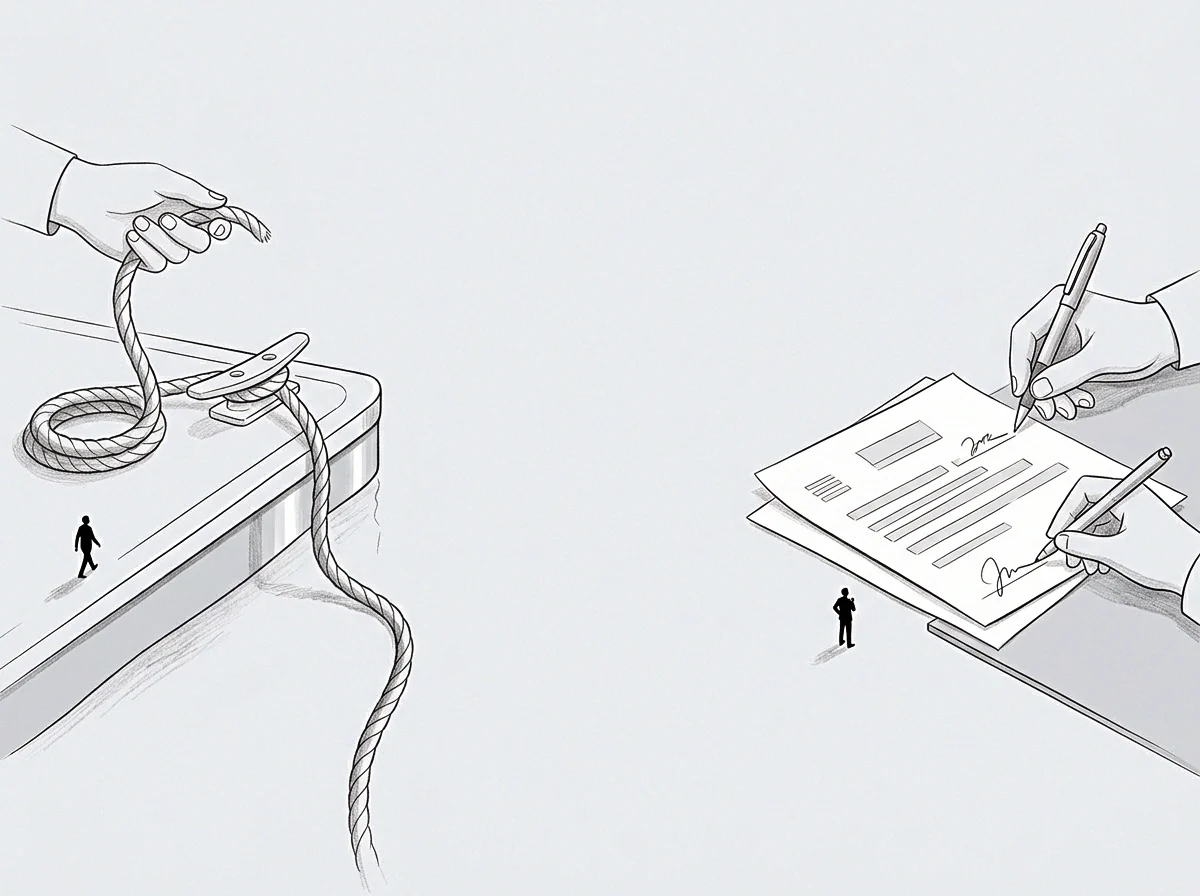
Checkpoint Accumulation and Velocity Decay
Enterprises routinely graft new approvals onto intake pipelines after one-off compliance incidents. A past data breach introduces a permanent security screening step, or an unexpected software audit leads to an unyielding entitlement review. These cumulative checkpoints then stay embedded long after the original incident has passed.
A vendor submits the requested materials, waits three weeks for an automated receipt, and then learns the contract cannot move forward until an external auditor finishes a quarterly catalog review.

Shift
Self-service supplier portals shift administrative work directly onto external vendors. An enterprise trims internal clerical overhead by requiring suppliers to enter data into custom schemas, upload local compliance files, and manually chase internal sign-offs. This transfer cuts visible procurement costs internally while multiplying administrative friction across the vendor base.
Shifting compliance prep onto external suppliers raises the baseline operational cost of competing for enterprise work.
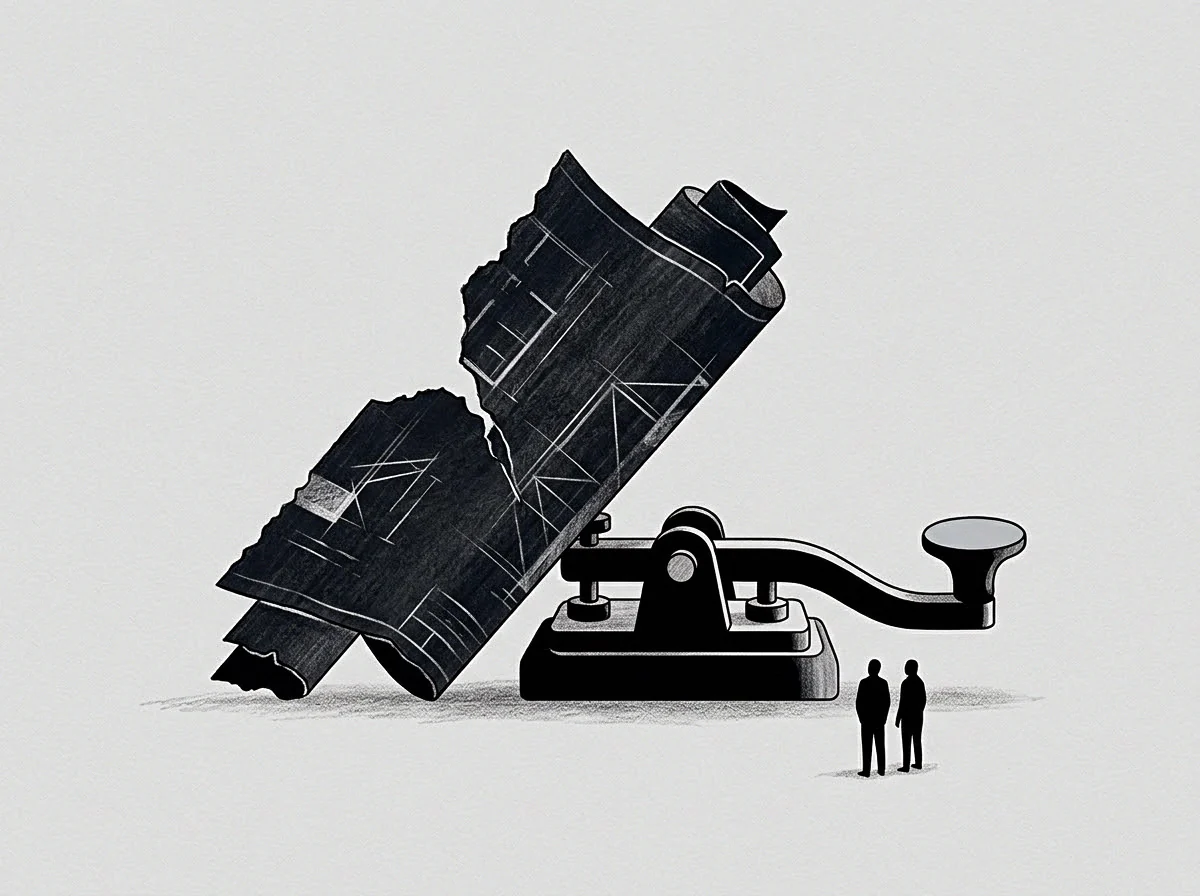
How Do Stated Delays Alter Counterparty Risk?
Drawn-out intake pipelines reshape the vendor pool, favoring larger, well-funded suppliers that can absorb months of unpaid onboarding. A specialized firm facing a six-month onboarding cycle can burn through its operating cash before reaching the first invoice milestone. The enterprise is left choosing between slower incumbents whose main strength is navigating corporate procurement rather than doing the actual work.
When an enterprise introduces a ninety-day standard setup timeline into commercial discussions, smaller specialized firms walk away, leaving the company reliant on expensive traditional integrators.

Notch
Standardizing ordinal measures gives procurement milestones concrete gradations. Instead of logging vague complaints about bureaucratic delays, teams assign explicit friction ranks to each stage based on queue patterns and the attention required. These rubrics let procurement committees assess intake drag consistently across software, hardware, and service contracts.
Standardized measurement protocols rely on defined operational tiers:
- Negligible Intake Drag covers automated document processing cleared within twenty-four hours without human intervention.
- Moderate Clerical Friction involves manual checks of standard forms by procurement staff on predictable turnarounds.
- Elevated Structural Resistance occurs when non-standard terms require specialized legal review or cross-departmental risk assessments.
- Severe Pipeline Paralysis marks points where conflicting stakeholder priorities freeze progress until executive leadership intervenes.
Ranking these conditions ordinally gives leadership a realistic way to judge whether internal process changes actually reduce friction or merely shift the drag into adjacent departments.
Whether procurement friction protocols can maintain ordinal validity when departments have every incentive to underreport their own queue times remains an unresolved issue across enterprise operations.