Meaning
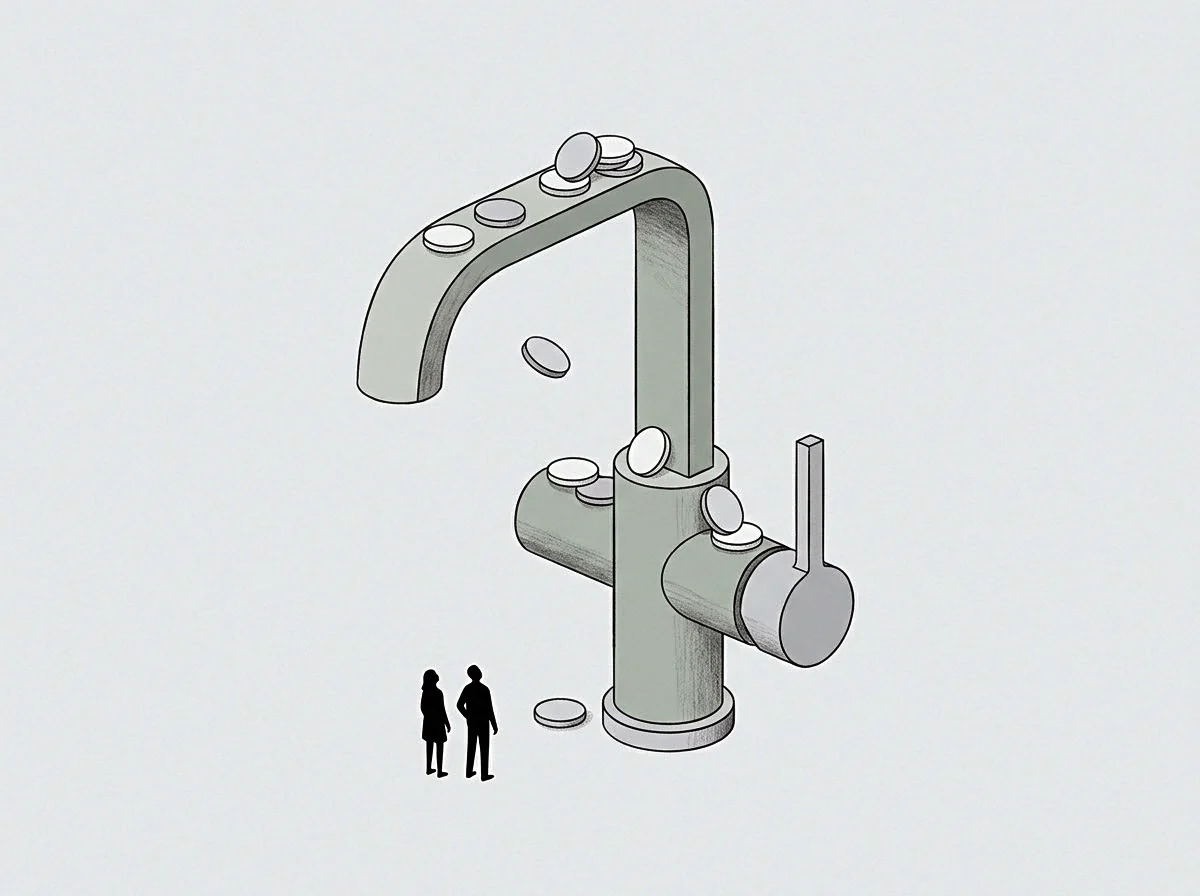
Quantification of the latency and resource loss incurred during the reallocation of organizational assets establishes the efficiency of internal capital flow. In dynamic operating environments, allocation friction measures the resistance encountered when shifting capital, computational capacity, or specialist attention between distinct functional vectors. The metric lives on an ordinal scale, tracking relative efficiency across departments rather than cardinal cash expenditures.
Its application concludes once transferred assets achieve operational output within their target domain.
Resource Inertia
Internal asset redistribution is rarely instantaneous because commitments, contracts, and specialized tooling resist rapid movement. When attention or engineering hours shift between project tracks, intermediate dead time emerges as personnel recontextualize technical dependencies. This inertia generates a temporary deficit in output across both the donor and recipient operational units.
The resulting cost reflects lost momentum, retraining intervals, and coordination overhead.
Redistribution Overhead
Transactional barriers inside an organisation compound during cross-functional asset transfers. Contracts with external vendors, localized performance indicators, and dedicated infrastructure create fixed points of resistance. When resources move, managerial attention must mediate jurisdictional disputes and revise operational baselines.
A high friction coefficient signals that internal partitions are overly rigid, preventing timely operational adjustments.
Latency Margin
Measuring the time elapsed between an allocation decision and actual productive deployment yields a direct signal of structural agility. An extended margin indicates excessive administrative clearance stages or deeply entangled technical architectures. Reducing this temporal gap preserves capital flexibility during major strategic pivots.
A compressed latency margin preserves asset value throughout significant operational reorganisations. The systematic reduction of allocation friction allows an organisation to redeploy operational reserves without excessive loss of output.