Meaning
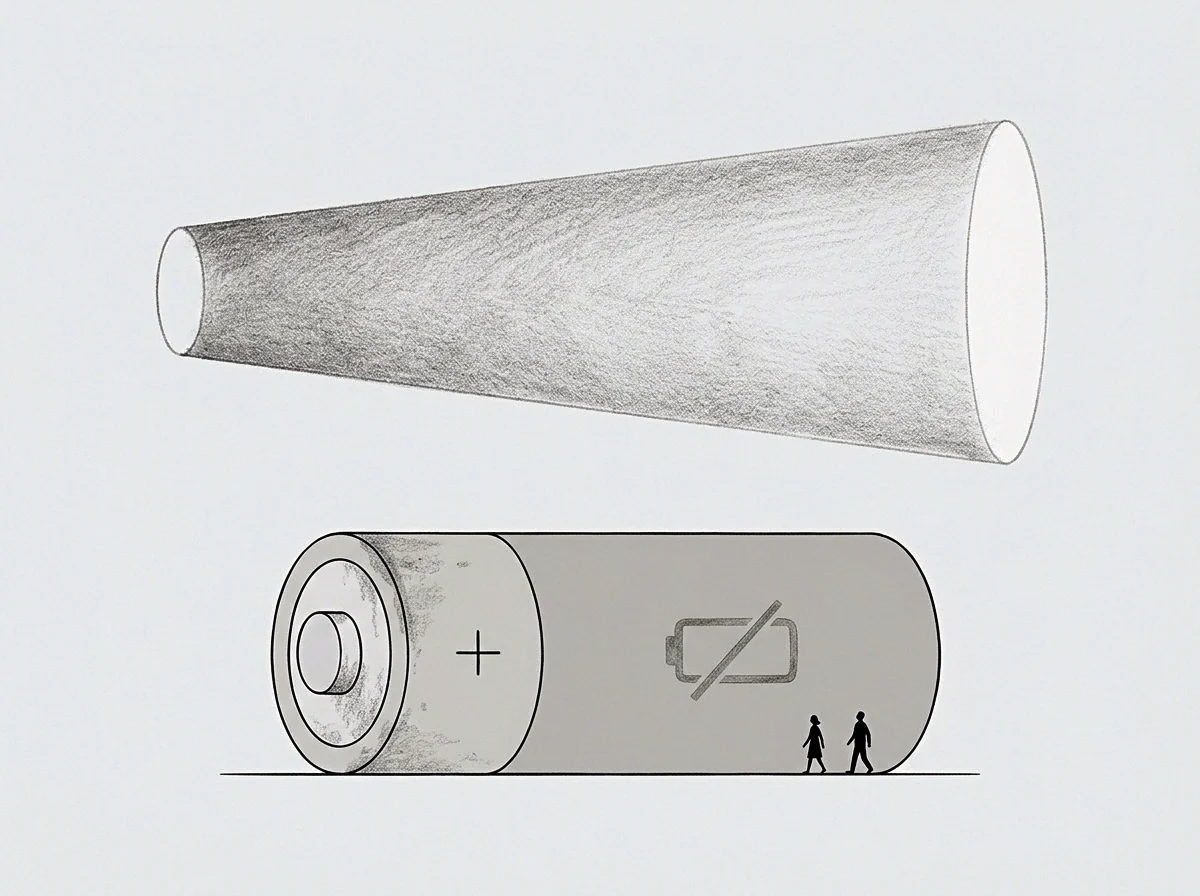
Cognitive distribution across split tasks reduces continuous processing time below the threshold needed for complex problem resolution. In knowledge work, attention fragmentation describes the condition where incoming alerts, concurrent messages or ambient duties break focused intervals into brief intervals. The phenomenon measures capacity destruction directly through the duration of uninterrupted thought.
The state ceases to apply during procedural assembly tasks where mechanical repetition does not require persistent working memory.
Switching Cost
Task alternations incur cognitive penalties that compound with every interruption. When attention fragmentation takes hold, returning to a primary inquiry demands cognitive reconstruction of context and dependencies. An interrupted project requires supplementary minutes to rebuild mental models before productive output resumes.
Concentration Penalty
Output under divided focus exhibits elevated error rates alongside decreased structural depth. Research into attention fragmentation identifies systematic reductions in analytical rigor when an operator monitors parallel channels. Continuous peripheral vigilance diverts mental energy away from primary calculations, diminishing analytical depth.
Recovery Gradient
Rebuilding deep cognitive engagement follows an ordinal scale of difficulty dictated by the nature of the preceding interruption. Complex systemic design requires extensive ramp-up intervals, whereas administrative processing recovers rapidly. Managing attention fragmentation requires defending structural blocks of uninterrupted time against peripheral operational noise.