Meaning
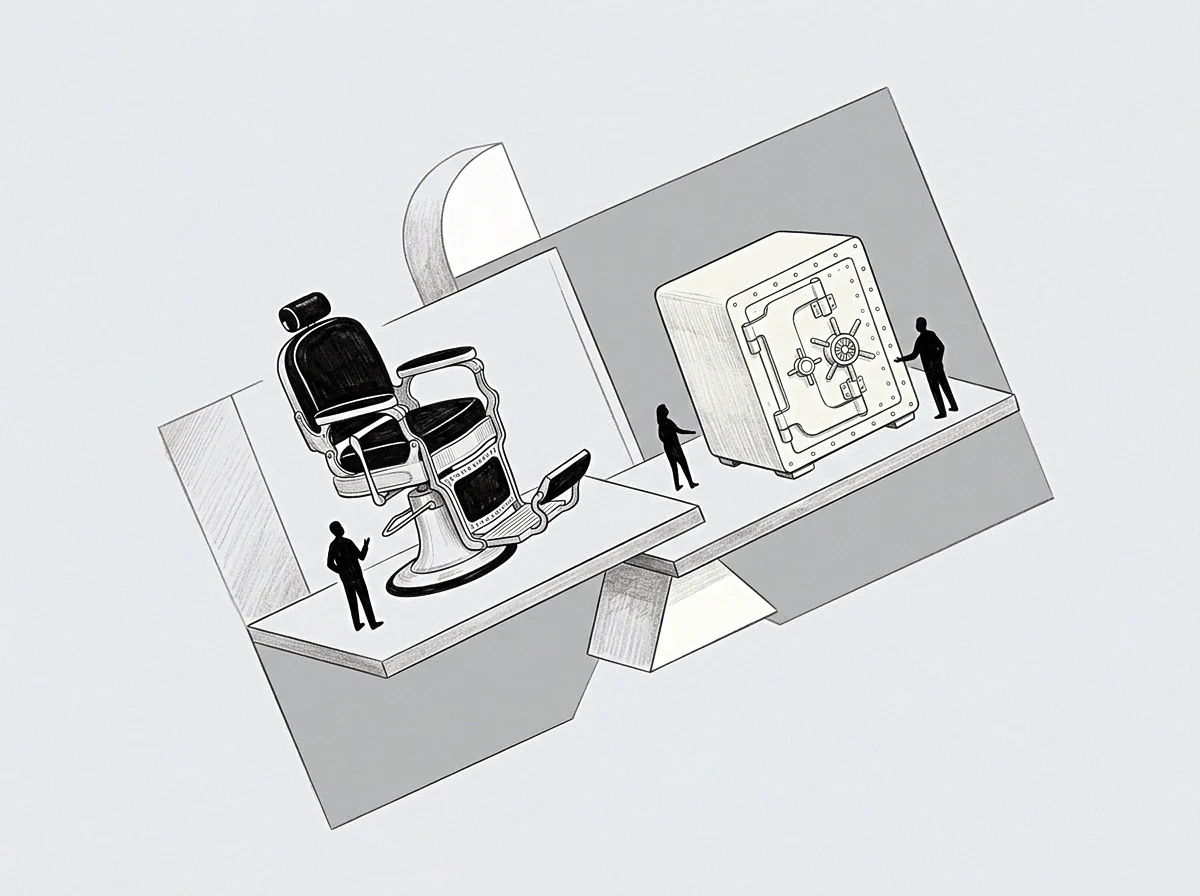
Measurement of cognitive focus across operational domains provides a view of how mental energy moves between tasks. A steep attention gradient indicates that the transition from strategic oversight to tactical intervention requires heavy mental effort. This metric allows an observer to track the rate at which focus shifts from high-level goals toward immediate friction points.
It accounts for the energy capacity cost associated with context switching during periods of high volatility.
Cognitive Load
Mental energy remains a finite asset in every phase of growth. The attention gradient becomes steeper when a person must switch rapidly between high-level planning and low-level troubleshooting. High values on this scale indicate that the cost of attention capacity is rising faster than the output it generates.
Temporal Stability
Focus tends to move toward the most volatile sector of a project. Because the attention gradient measures the pull of specific problems, it shows where a system lacks autonomous stability. A sharp decline in focus on long-term goals indicates that immediate operational friction is consuming a disproportionate share of mental bandwidth.
This movement often occurs without a conscious decision to reallocate hours.
Decision Impact
Consistency in cognitive delivery depends on a manageable slope. If the attention gradient fluctuates wildly, the quality of decisions across different departments loses its uniformity. Stable focus allows for deeper analysis of complex variables.
The gradient quantifies the stability of executive oversight during periods of rapid scaling.