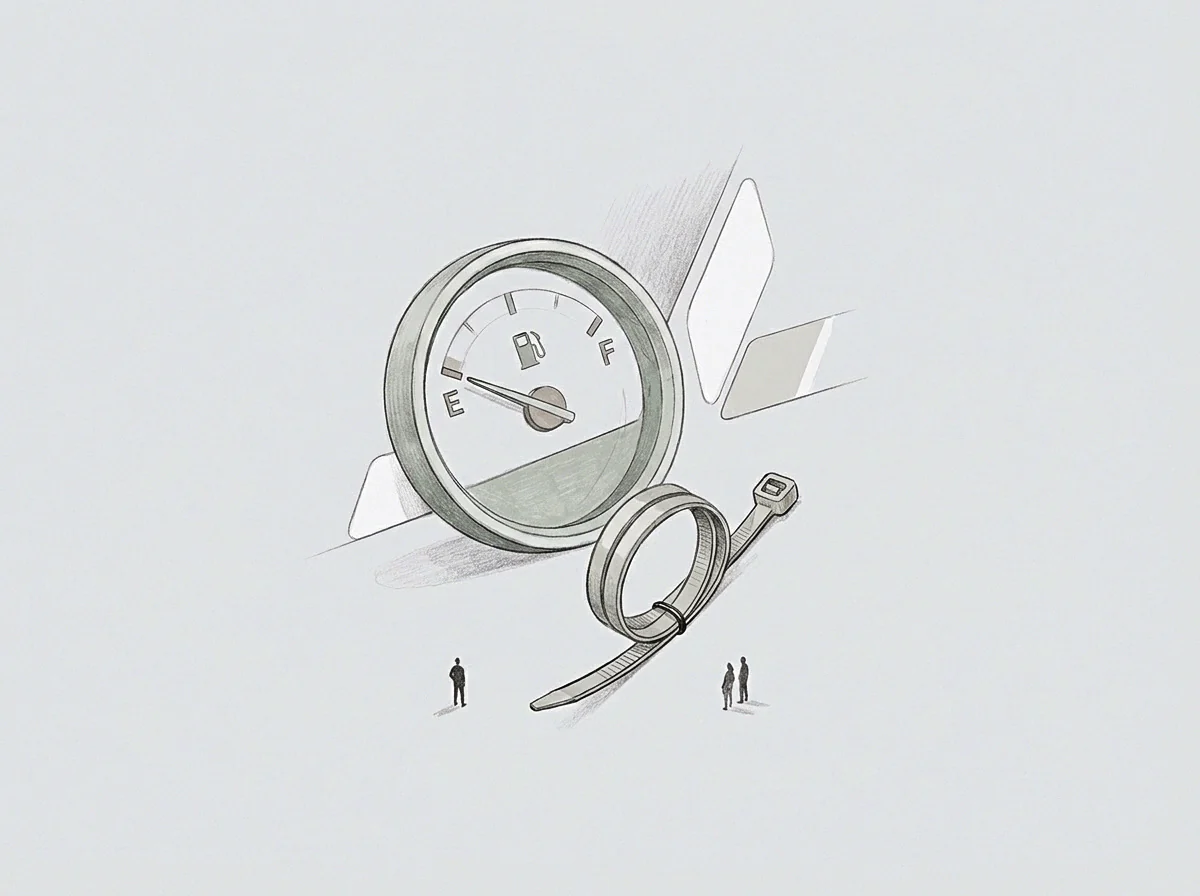
Meaning
Physiological tension arises from the persistent activation of stress responses during periods of high ambiguity. This autonomic strain describes the involuntary energy cost required to maintain operational stability when external signals are volatile. It tracks the cumulative load on the sympathetic nervous system as it attempts to regulate attention and reaction.
A person experiences this state until the stimulus is removed or the system reaches exhaustion. The resulting fatigue differs from simple tiredness because it originates in the regulatory centers of the brain.
Biological Response
Human biology reacts to sustained pressure by prioritizing immediate threats over long term planning. Such autonomic strain alters the chemical baseline of the body, leading to a state of hyper vigilance. Prolonged exposure ensures that even minor inputs trigger significant physiological shifts.
Operational Friction
Daily performance drops when the body remains in a heightened state of alert. High levels of autonomic strain interfere with complex decision making because the prefrontal cortex receives fewer resources. Errors in judgment often follow these periods of intense biological activity.
This state is often invisible to observers but measurable through heart rate variability.
System Recovery
Restoration requires a deliberate removal of the specific stimuli that drive the tension. Physical distance from the environment provides the necessary window for the parasympathetic system to resume control. The rate of recovery depends on the duration of the preceding pressure.